A few years ago, luxury homes meant granite countertops, wine cellars, home theaters, and oversized entertainment spaces. While these features still have their place, today’s affluent homeowners are increasingly investing in something different: experiences.
The gold standard for modern upgrades has moved beyond pure aesthetics; it now balances functional luxury with long-term asset growth. As buyer priorities align more closely with holistic wellness, the most valuable homes are those that don’t just impress, but actively support the health and longevity of their occupants.
From wellness spaces and outdoor retreats to smart-home integration and spa-inspired amenities, homeowners are increasingly prioritizing features that deliver tangible lifestyle benefits while helping their properties stand out in a competitive market.
Wellness Amenities Replacing Traditional Luxury
One of the most important shifts in luxury residential design is that homeowners are increasingly investing in wellness systems rather than showpieces.
A decade ago, luxury often meant features designed to impress guests. Today, affluent buyers are placing greater value on amenities that improve their daily routines, support recovery, and contribute to long-term well-being.
This has given rise to what many designers now describe as wellness infrastructure: dedicated spaces and features designed to support physical and mental health throughout the year.
Home fitness studios, recovery rooms, cold plunges, massage spaces, meditation rooms, and saunas have become increasingly common because they provide ongoing value rather than occasional entertainment.
Infrared Saunas as Part of Luxury Homes
Few wellness features illustrate the shift toward experience-driven luxury better than the home infrared sauna.
Unlike many high-end upgrades that are appreciated only occasionally, a sauna has the potential to become part of a homeowner’s daily or weekly routine. This helps explain why infrared saunas have moved beyond niche wellness circles and become a sought-after feature in luxury homes, wellness suites, home gyms, and recovery-focused spaces.
Modern infrared saunas are more compact than traditional saunas, operate at lower temperatures, and require less extensive installation work. This allows homeowners to incorporate them into existing floor plans without dedicating large amounts of square footage or undertaking major renovations. A spare room, basement, primary suite, or dedicated wellness area can often accommodate an infrared sauna with relative ease.
The category has also evolved significantly in recent years. Today’s premium infrared saunas feature high-quality wood construction, advanced heating technologies, digital controls, integrated audio systems, chromotherapy lighting options, and designs intended to complement modern interior aesthetics rather than stand apart from them.
For homeowners exploring Infrared saunas at Select Saunas, the appeal extends beyond the sauna itself. Select Saunas curates models from respected manufacturers while helping buyers navigate important decisions involving size, seating capacity, heating technology, placement, and long-term usability. This guidance has become increasingly valuable as buyers seek wellness solutions that integrate seamlessly into both their homes and lifestyles.
Indoor Environmental Quality: The New Status Symbol
One of the most valuable luxury upgrades is also one of the least visible. Increasingly, high-end homeowners are investing in the quality of the indoor environment itself.
Advanced air purification systems, energy recovery ventilators (ERVs), humidity control systems, acoustic treatments, and high-performance filtration technologies are becoming standard in many luxury homes. These systems improve comfort while helping reduce allergens, airborne pollutants, and environmental stressors that can affect sleep, concentration, and overall well-being.
Lighting is evolving as well. Circadian lighting systems that automatically adjust color temperature throughout the day are becoming increasingly popular because they align indoor environments more closely with natural biological rhythms. Cooler tones support daytime productivity, while warmer evening lighting helps create a more restorative atmosphere.
Unlike purely decorative upgrades, these improvements influence how a home feels every hour of every day.
For many luxury buyers, that level of comfort represents a more meaningful investment than additional square footage or highly specialized entertainment spaces.
Outdoor Living Is Evolving Into Outdoor Restoration
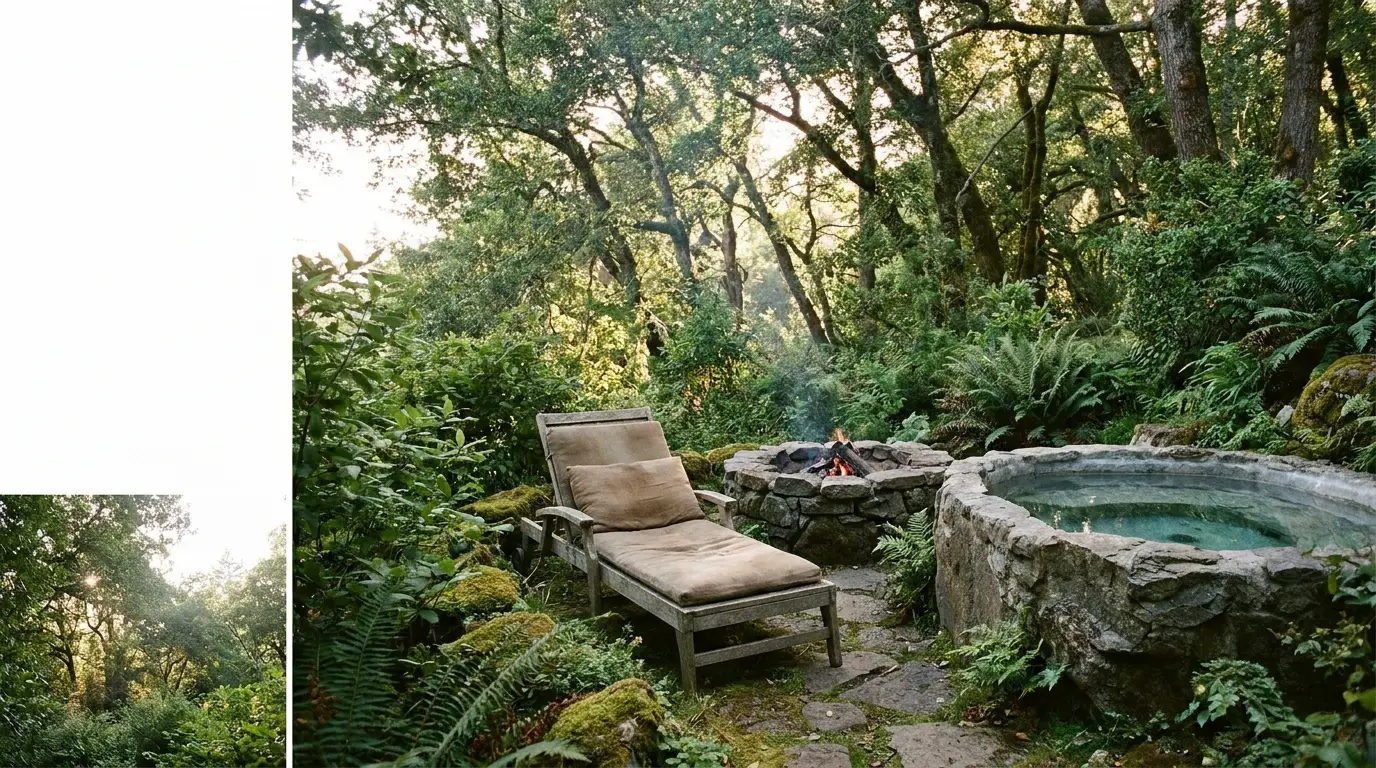
Luxury outdoor spaces have undergone a similar transformation. The traditional focus on entertaining guests is giving way to environments designed for relaxation, privacy, and recovery. Homeowners increasingly view outdoor spaces as extensions of their wellness routines rather than simply places to host gatherings.
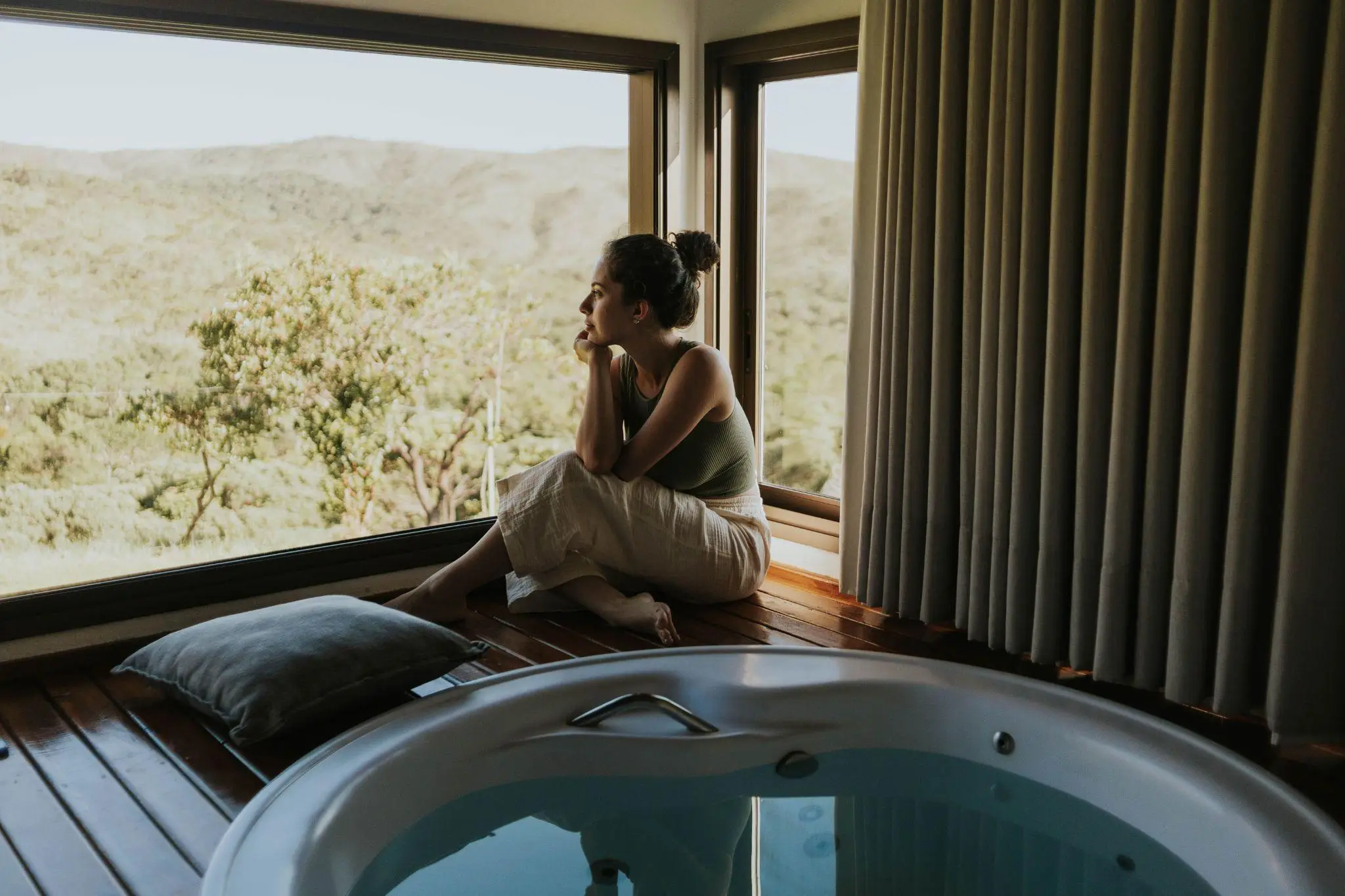
As a result, many high-end properties now incorporate features such as wellness gardens, cold-plunge areas, outdoor showers, fire features, shaded lounges, walking paths, and dedicated relaxation zones.
These spaces provide something that many homeowners value highly: separation from the pace and distractions of modern life.
In many cases, the most desirable luxury properties are not those with the largest outdoor spaces, but those that make the most intentional use of them. Thoughtfully designed outdoor environments can create a sense of retreat and restoration that continues to appeal to homeowners long after other design trends have faded.
Smart Home Integration Is Becoming Invisible
Technology remains one of the defining features of modern luxury homes, but the best systems are often the ones homeowners notice the least.
A decade ago, smart-home technology was frequently treated as a novelty. Today, it is increasingly viewed as part of a home’s infrastructure, similar to plumbing, HVAC, or electrical systems.
The focus has shifted from control to automation. Rather than manually adjusting settings throughout the day, homeowners increasingly expect their homes to respond automatically to changing conditions and routines. Smart thermostats optimize comfort and efficiency based on occupancy patterns. Automated shades adjust to sunlight levels. Lighting systems transition throughout the day to support productivity and relaxation. Security systems, climate controls, entertainment platforms, and wellness features can all be managed through a unified ecosystem.
The most valuable smart-home upgrades share three characteristics:
- They improve comfort without requiring constant interaction.
- They reduce energy consumption and operating costs.
- They simplify everyday routines.
This reflects a broader trend in luxury design. Homeowners are no longer impressed by technology simply because it exists. They want technology that works quietly in the background, making life more convenient, comfortable, and efficient.
Final Thoughts: It’s About Lifestyle Return on Investment
One of the most interesting changes in luxury real estate is how buyers evaluate value itself.
Historically, high-end upgrades were judged primarily by prestige, exclusivity, or potential resale value. While those factors still matter, affluent homeowners increasingly consider another metric: lifestyle return on investment.
Put simply, it’s about whether a feature will improve their quality of life on a regular basis.
A dedicated wellness suite may not generate the same immediate visual impact as a wine cellar, but if it is used several times each week, it may deliver far greater long-term value. The same principle applies to outdoor retreats, fitness studios, home offices, recovery spaces, advanced air-quality systems, and thoughtfully integrated smart-home technologies.