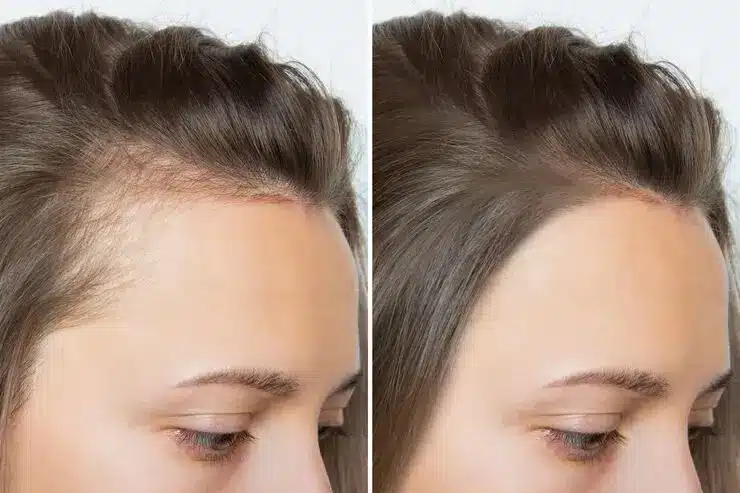
Hair loss affects millions of people worldwide, causing significant emotional distress and a search for viable solutions. While society often associates thinning hair with ageing men, women also experience this frustrating concern in large numbers. Identifying the cause of shedding is the first step toward finding an effective female hair loss treatment that restores both volume and confidence. Because men and women experience hair thinning differently due to distinct genetic and hormonal factors, a one-size-fits-all approach does not work. Understanding these differences helps individuals make informed decisions about their scalp health. This guide highlights the essential pathways to managing hair thinning, helping you identify the most suitable therapies for your specific needs.
Understanding Male Pattern Baldness and Solutions
Male pattern baldness, or androgenetic alopecia, is characterised by a receding hairline and thinning at the crown. This genetic condition occurs when hair follicles shrink due to sensitivity to dihydrotestosterone (DHT), a hormone derivative. Fortunately, modern science offers several ways to slow this process and even stimulate regrowth. When searching for an effective male hair loss treatment, men often start with clinically proven options.
The most common oral medication works by blocking the enzyme that converts testosterone into DHT. Over several months, this reduction in DHT levels helps stabilise hair loss and promotes thicker strands. Additionally, topical solutions applied directly to the scalp improve blood flow to the follicles, extending the growth phase of the hair cycle.
While these options are highly effective, they require consistent, daily use to maintain results. Stopping the therapy usually reverses any progress made within a few months. For this reason, men must consider their long-term commitment before starting any medical regime. Consulting a general practitioner or a specialised trichologist helps determine which option aligns with your lifestyle and health profile, ensuring you achieve the best possible outcome.
Addressing Thinning Hair in Women
Unlike men, women rarely experience complete baldness. Instead, female pattern hair loss typically manifests as diffuse thinning across the entire scalp, often most noticeable along the central parting line. Hormonal fluctuations during pregnancy, menopause, or thyroid imbalances frequently trigger this shedding, making a targeted female hair loss treatment essential for recovery.
Minoxidil remains the gold standard for topical therapy in women. This over-the-counter solution revitalises shrunken hair follicles and prolongs the active growing phase. Because female scalps can be sensitive, lower concentrations are often recommended to minimise the risk of facial hair growth or scalp irritation.
Beyond topical applications, addressing nutritional deficiencies is vital. Low iron, vitamin D, and zinc levels can severely impact hair health. Many women find that combining a topical solution with targeted dietary supplements yields the best results. Additionally, managing stress levels and avoiding harsh chemical styling products can prevent further mechanical damage. Because the underlying causes of female hair thinning are highly diverse, a comprehensive blood test is often the best starting point to rule out systemic health issues before committing to a specific topical or oral therapy.
Clinical and Surgical Options for Hair Restoration
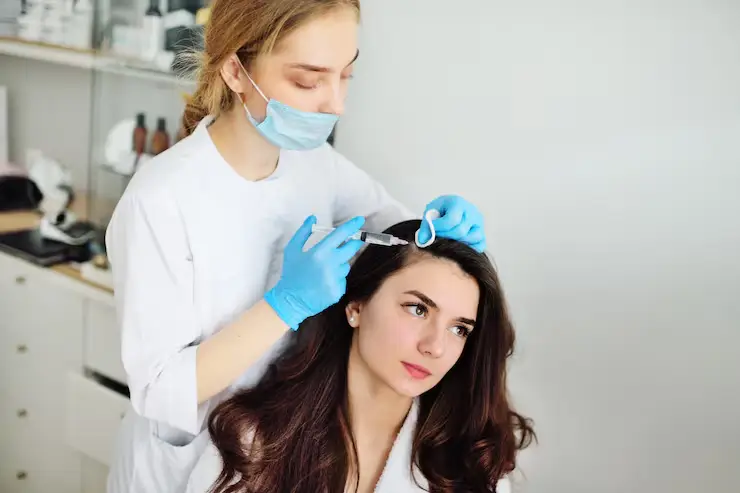
When topical applications and oral medications do not produce the desired results, clinical therapies offer a more advanced alternative. Platelet-rich plasma (PRP) therapy has gained significant popularity in recent years for both genders. This procedure involves drawing a patient’s blood, processing it to concentrate the platelets, and injecting it back into the scalp to stimulate cellular repair and hair follicle growth.
Another non-invasive clinical option is low-level laser therapy (LLLT). This method uses medical-grade lasers to deliver red light to the scalp, stimulating cellular metabolism and increasing energy production within the follicles. LLLT devices are available as in-clinic hoods or convenient home-use caps and combs.
For those seeking a permanent solution, hair transplant surgery remains a highly effective restoration option, though women with localised thinning may also benefit. Modern techniques, such as Follicular Unit Extraction (FUE), involve transplanting individual follicles from dense donor areas to thinning zones. While surgical restoration offers natural-looking, lifelong results, it requires a significant financial investment and a period of recovery. Understanding the pros and cons of these clinical interventions allows individuals to weigh the costs against potential long-term benefits.
Key Considerations When Selecting a Therapy
Choosing the ideal path to hair restoration requires a careful assessment of your budget, lifestyle, and the root cause of your hair thinning. A successful female hair loss treatment might focus heavily on hormonal balance and nutritional support, whereas a standard male hair loss treatment often targets DHT suppression directly.
Evaluating Cost and Commitment
Most non-surgical options require ongoing, daily application or regular clinical visits to maintain results. You must ask yourself if you can commit to a lifetime routine, as stopping most therapies leads to a return of hair shedding. Financial costs also accumulate over time, so budget for long-term maintenance rather than just the initial purchase.
Assessing Potential Side Effects
Every medical intervention carries some risk of side effects. For instance, oral medications can occasionally cause systemic changes, while topical lotions might cause scalp redness, itching, or unwanted facial hair growth. Discussing these risks with a medical professional ensures you choose a safe option that does not compromise your overall well-being. By prioritising safety and consistency, you can establish a sustainable routine that promotes healthy hair growth over the long term.
Final Thoughts
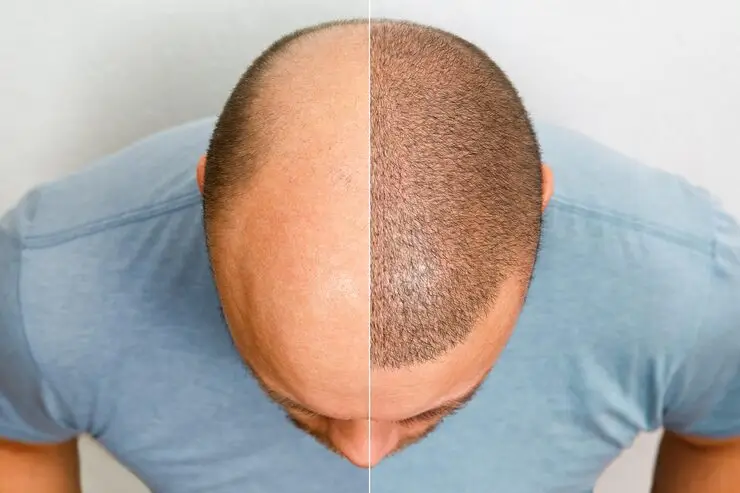
Dealing with hair loss is a deeply personal journey that requires patience, realistic expectations, and the right information. Whether you are considering options to address diffuse thinning or seeking a male hair loss treatment to halt a receding hairline, early intervention is always the key to success. Follicles that have been inactive for years are much harder to revitalise than those that have only recently begun to shrink. By consulting with qualified healthcare professionals and trichologists, you can pinpoint the exact cause of your hair loss and design a safe, effective, and sustainable treatment plan that restores both your hair and your peace of mind.