Healthy-looking skin is often associated with high-quality serums, moisturizers, and carefully planned skincare routines. While topical products certainly play an important role, they represent only one part of the equation. The body constantly repairs, renews, and supports the skin from within, making nutrition an equally important contributor to overall appearance.
Many people eventually discover that adding another serum does not always solve concerns such as dullness, dryness, or uneven texture. When the body lacks the nutrients needed to support healthy skin, even the most carefully selected skincare products may have limited impact. Looking beyond the bathroom shelf and paying closer attention to everyday eating habits can provide a more balanced approach to long-term skin health.
Healthy Skin Begins With Everyday Wellness
The skin reflects many aspects of overall well-being. Sleep quality, hydration, stress levels, physical activity, and nutrition all influence how the skin looks and feels over time.
Rather than relying exclusively on one product or one routine, many people gradually adopt broader wellness habits that support healthy skin from multiple directions. This often includes consistent skincare, adequate hydration, balanced meals, regular movement, and thoughtful self-care. Many individuals also explore products available through Naturopathica as part of a wellness routine that combines external care with healthy daily habits instead of depending on a single solution.
Taking a more comprehensive approach often produces results that feel more sustainable than constantly searching for a quick fix.
Healthy Fats Support More Than Overall Nutrition
Not all dietary fats are the same. Healthy fats contribute to many normal functions throughout the body and also play a role in maintaining skin that feels comfortable and well nourished.
Foods such as avocados, olive oil, seeds, and nuts are frequently included in balanced eating patterns because they provide nutrients that support overall wellness. Pecans, for example, are enjoyed both as a convenient snack and as an ingredient in meals ranging from salads to breakfast bowls. Products from Millican Pecan make it easy to incorporate pecans into everyday eating habits without requiring major dietary changes.
Small additions like these often fit naturally into long-term routines because they complement existing meals rather than replacing them.
Colorful Foods Bring Variety to the Plate
A colorful plate is often a simple way to encourage greater nutritional variety.
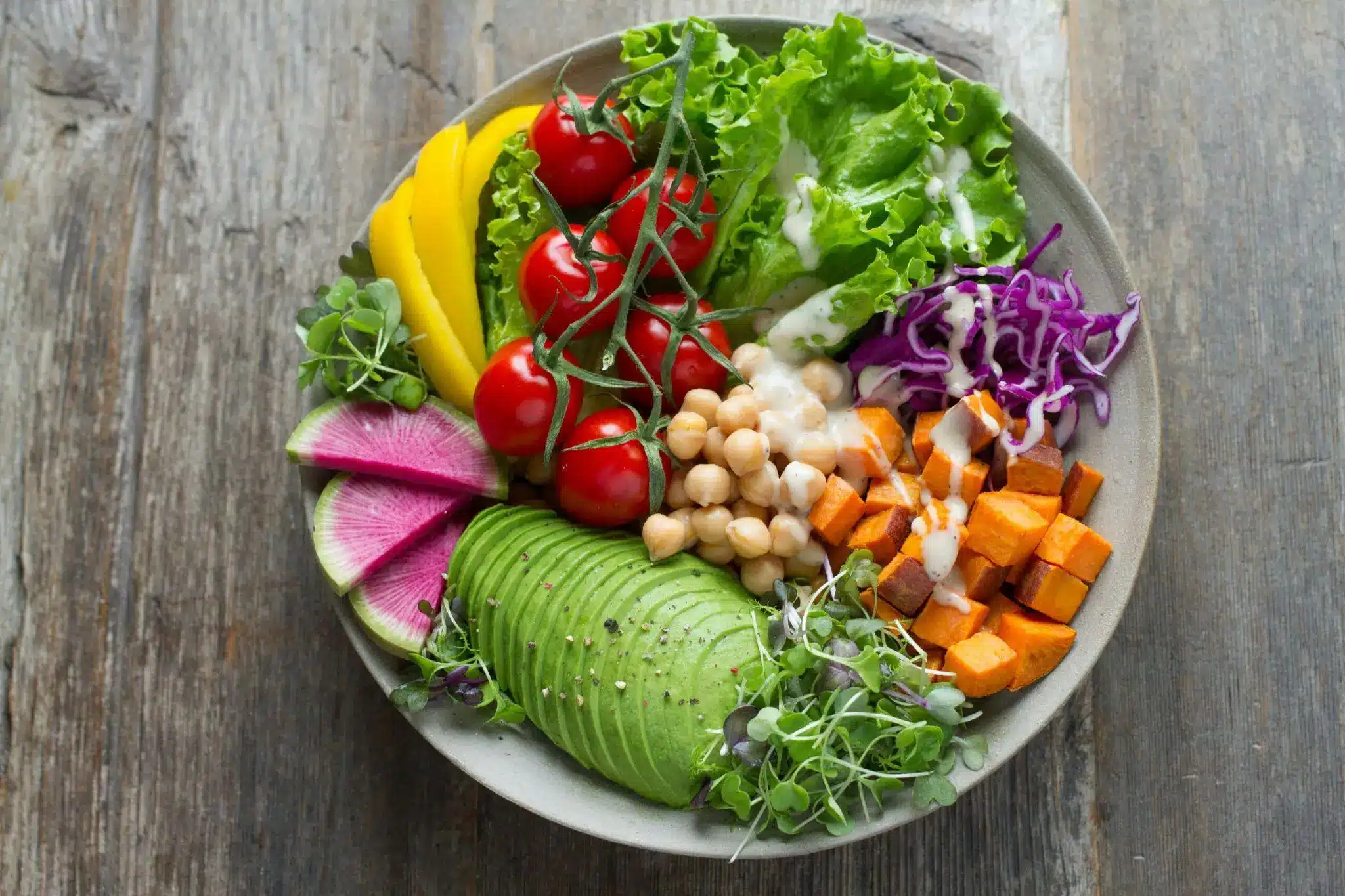
Vegetables and fruits of different colors provide different combinations of vitamins, minerals, and naturally occurring plant compounds. Berries, leafy greens, carrots, tomatoes, peppers, citrus fruits, and sweet potatoes each contribute something slightly different to an overall eating pattern.
Rather than focusing on individual “superfoods,” many nutrition professionals encourage people to eat a wide variety of plant-based foods throughout the week. Diversity in food choices often creates a more balanced intake than repeatedly relying on the same ingredients every day.
Making meals more colorful also tends to make them more enjoyable, which supports consistency over time.
Hydration Is About More Than Drinking Water

Water plays an essential role in overall health, but hydration extends beyond simply reaching a daily water goal.
Many foods naturally contribute to hydration, including cucumbers, melons, oranges, berries, tomatoes, and leafy vegetables. Eating these foods alongside regular fluid intake can help support overall hydration throughout the day.
Hydration habits are also easier to maintain when they become part of a routine. Keeping a reusable water bottle nearby, drinking water with meals, and choosing water regularly throughout the day often prove more effective than trying to consume large amounts all at once.
Like many aspects of wellness, consistency generally matters more than occasional extremes.
Build Meals Around Balance Instead of Restriction
Many beauty-focused eating plans become difficult to maintain because they eliminate entire food groups or rely on highly restrictive rules.
A more sustainable approach usually focuses on balance. Meals that include protein, healthy fats, complex carbohydrates, fruits, and vegetables often provide a satisfying combination that supports both energy and overall nutrition.
This way of eating also tends to reduce the feeling of constantly following a diet. Instead of viewing food primarily as something to avoid, people begin thinking about how different ingredients contribute to overall well-being.
Long-term habits are generally easier to maintain when they feel realistic rather than restrictive.
Lasting Results Come From Consistency
Beautiful skin is rarely the result of a single product or one perfectly planned meal. More often, it reflects the cumulative effect of everyday habits practiced over months and years.
Consistent skincare, balanced nutrition, proper hydration, adequate sleep, regular physical activity, and effective stress management all contribute to supporting healthy skin. Each habit may seem relatively small on its own, but together they create a routine that works from both the inside and the outside.
Instead of searching for one product capable of solving every concern, many people achieve better long-term results by building routines they can comfortably maintain. When nutrition and skincare support one another, healthy-looking skin becomes part of a broader lifestyle rather than the result of a temporary solution.