A wardrobe that works throughout the year does not need to contain hundreds of pieces. With the right combination of versatile basics, seasonal clothing, and thoughtful layering, it is possible to create outfits that feel fresh and practical regardless of the weather.
Online fashion has made seasonal wardrobe planning easier because shoppers can discover clothing for different temperatures, occasions, and style preferences in one place. Shein is one example of a platform where customers can explore a wide selection of seasonal fashion, from lightweight summer clothing to coats and sweaters for colder months.
The key is learning how to shop according to actual needs rather than buying every new seasonal trend.
Building a Spring Wardrobe
Spring often brings changing temperatures, making layering especially useful.
A lightweight jacket, cardigan, long-sleeve top, and versatile trousers can provide flexibility when mornings are cool and afternoons become warmer. Dresses can also become useful during this season, particularly when paired with lightweight outer layers.
Spring is often associated with brighter colors and floral patterns, but you do not have to follow a particular palette. Pastels, neutrals, denim, and vibrant colors can all work depending on your preferences.
Choose pieces that can transition between different temperatures rather than clothing designed for only one type of weather.
Preparing for Summer
Summer clothing should prioritize comfort and breathability.
Lightweight tops, relaxed trousers, shorts, skirts, and dresses can all become useful wardrobe staples. Natural or lightweight fabrics may be appealing in hot conditions, depending on the garment and personal preference.
Color can also play a role in summer styling. Light neutrals, bright shades, and playful prints can create a seasonal feel.
However, the most important consideration is whether you feel comfortable wearing the clothing for extended periods.
Accessories can also be practical during warmer months. Sunglasses, hats, lightweight bags, and comfortable footwear can add both style and functionality.
Transitioning Into Autumn
Autumn is an excellent season for layering.
As temperatures become cooler, lightweight summer pieces can often continue to be worn underneath jackets, cardigans, sweaters, or overshirts.
Jeans, trousers, knitwear, lightweight coats, and ankle boots can become useful building blocks.
Colors associated with autumn often include brown, burgundy, olive, cream, rust, and other earthy shades. You can incorporate these colors into your wardrobe if you enjoy them, but there is no requirement to follow a seasonal palette.
A neutral jacket can be particularly valuable because it can work with multiple outfits.
Creating a Winter Wardrobe
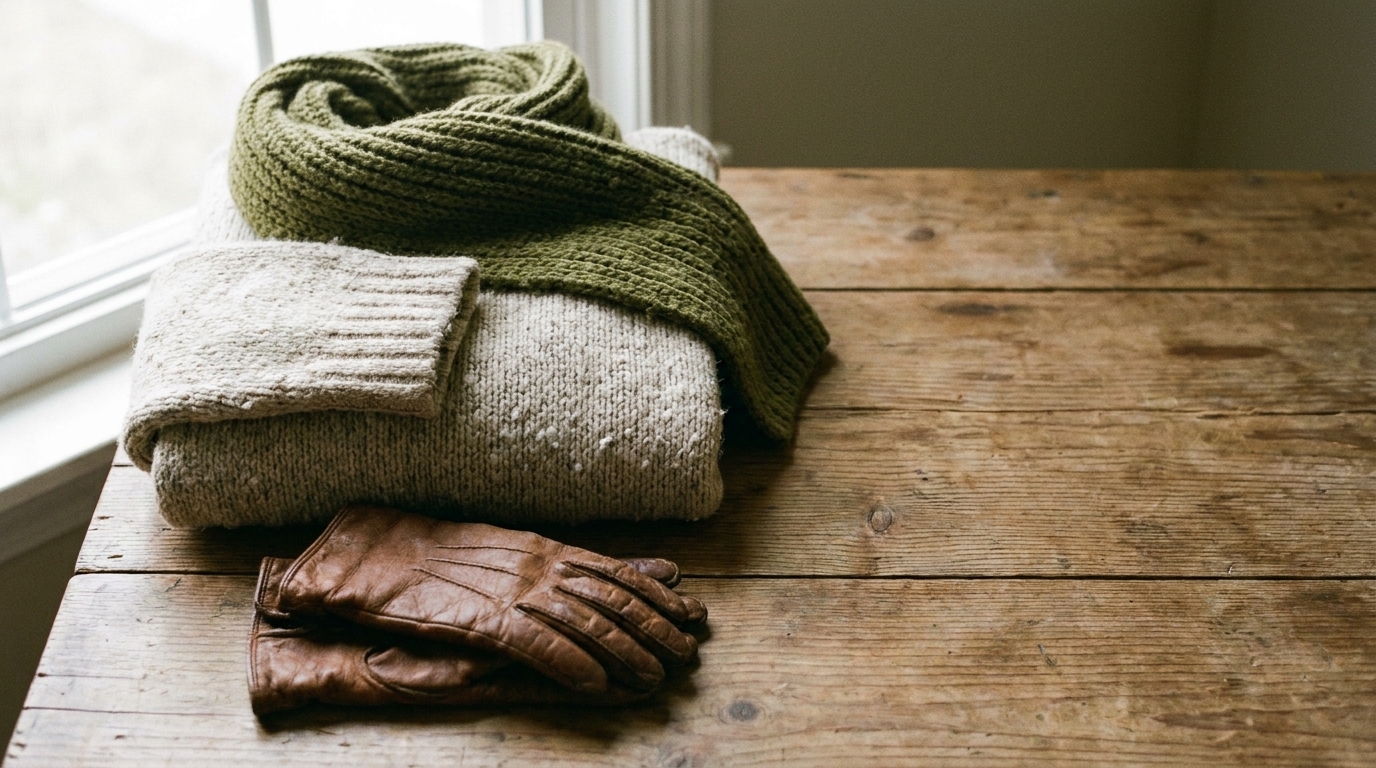
Cold weather requires more attention to layering and warmth.
Sweaters, coats, jackets, scarves, gloves, and suitable footwear can form the foundation of a winter wardrobe. Instead of relying on one heavy piece, layering can provide flexibility as indoor and outdoor temperatures change.
When choosing winter clothing, consider practicality as well as appearance. A beautiful coat that does not provide enough warmth or comfort may not become a useful everyday item.
Color choices can also help create variety. If most of your outerwear is neutral, scarves, hats, bags, and other accessories can introduce brighter shades.
Choose Versatile Pieces
The most useful seasonal clothing can often work across multiple parts of the year.
A lightweight cardigan may work during spring, cool summer evenings, and autumn. A simple dress can be worn alone during warmer weather and layered with tights, boots, and a jacket when temperatures fall.
Thinking about versatility helps reduce the number of items you need to purchase.
Rotate Your Wardrobe
At the beginning of each season, take a few minutes to review your clothing.
Move the pieces most appropriate for the current weather into easy reach. Store or organize clothing that is unlikely to be useful during the season.
While doing this, identify items that no longer fit, are damaged, or have not been worn for a long time.
This process makes your wardrobe easier to navigate and can prevent unnecessary shopping.
Use Accessories to Refresh Outfits
Seasonal accessories on Shein can change familiar outfits without requiring a completely new wardrobe.
A scarf can add warmth and color during colder months. A lightweight bag can create a different appearance during summer. Jewelry, belts, hats, and sunglasses can also change the overall character of an outfit.
Accessories are particularly useful when you want to follow a trend without purchasing large quantities of seasonal clothing.
Shop Based on Gaps
Before shopping for a new season, determine what you are actually missing.
If you already have several sweaters but lack a versatile jacket, another sweater may not be the best purchase. If you have plenty of casual clothing but need outfits for work or formal occasions, prioritize those categories.
This simple approach can make seasonal shopping more economical.
Consider Storage and Care
A seasonal wardrobe also requires practical organization.
Clean clothing before storing it for extended periods and follow the appropriate care instructions. Fold or hang garments according to their construction and available storage space.
Good organization makes it easier to rediscover clothing you already own instead of automatically buying replacements.
Balance Trends With Timeless Pieces
Each season brings new fashion trends. Some may become long-term favorites, while others disappear quickly.
A balanced approach is to keep most of your wardrobe versatile and use a smaller number of trend-focused pieces for experimentation.
For example, you might choose a classic neutral coat and add seasonal interest through a trendy top, scarf, handbag, or pair of shoes.
This strategy allows your wardrobe to feel current without requiring a complete seasonal transformation.
Final Thoughts
A successful seasonal wardrobe is built around flexibility, comfort, and thoughtful choices. Rather than buying a large number of new pieces whenever the weather changes, focus on clothing that can be layered, restyled, and combined with what you already own.
Whether you are shopping for summer dresses, spring layers, autumn jackets, or winter essentials, understanding your lifestyle and existing wardrobe can help you make better decisions.
The result is a wardrobe that feels organized, practical, and personal throughout the year.