Losing hair can feel frustrating and impact your confidence, leaving you searching for practical solutions.
While modern medicine offers various treatments, many people are turning to acupuncture for hair loss as a natural complementary approach. This ancient practice uses thin needles at specific body points to potentially stimulate regrowth and improve scalp health.
But does acupuncture actually work for thinning hair, and which types of hair loss respond best?
Understanding the science behind this traditional therapy can help you decide if it’s worth trying. Let’s look at how acupuncture affects hair follicles, what research reveals, and how to use it safely alongside other treatments.
What Is Acupuncture & How Could It Influence Hair Growth?
Acupuncture is an ancient Chinese practice where thin needles are inserted into specific points on the body to restore balance and promote healing. According to traditional theory, these points help regulate qi (energy flow) and blood circulation throughout the body.
For hair growth, practitioners often target acupoints like ST36 (Zusanli) on the lower leg to improve overall blood flow, GV20 (Baihui) at the top of the head to stimulate scalp circulation, and LR3 (Taichong) on the foot to reduce stress and support immune function.
Modern research suggests acupuncture may influence hair follicles by increasing blood supply to the scalp, reducing inflammation, and potentially modulating immune responses that contribute to certain types of hair loss.
What Type of Hair Loss Might Benefit From Acupuncture?
Not all hair loss responds the same way to acupuncture treatment. Research shows varying levels of effectiveness depending on the underlying cause.
Understanding which type of hair loss you have can help set realistic expectations about potential results.
1. Alopecia Areata (Autoimmune Patches)
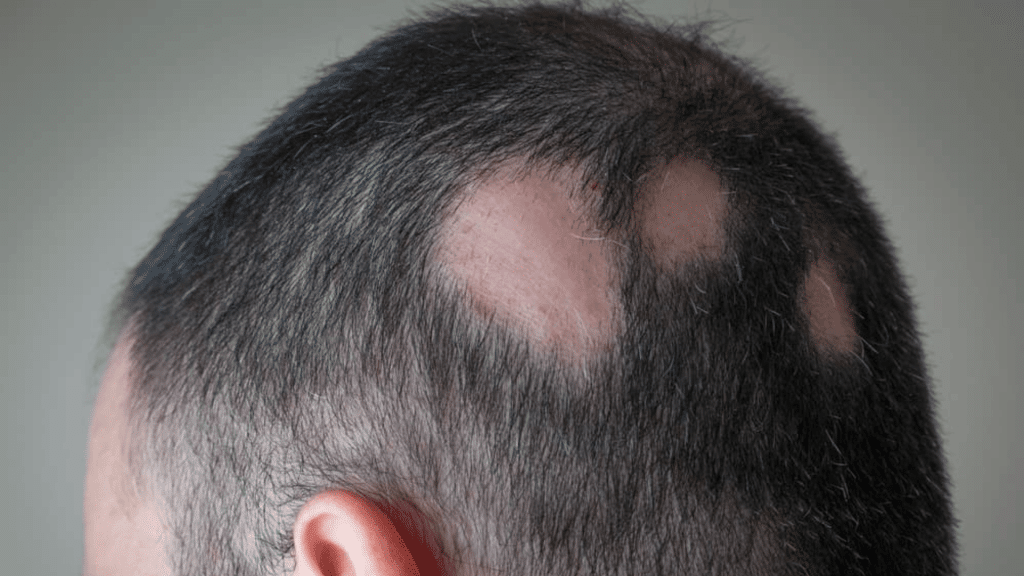
Alopecia areata occurs when your immune system attacks hair follicles, creating round bald patches. This condition shows the most promising results with acupuncture.
Several clinical studies indicate that acupuncture may help regulate immune responses and stimulate regrowth, and many patients show visible improvement when it is combined with conventional treatments.
2. Androgenetic (Pattern) Hair Loss
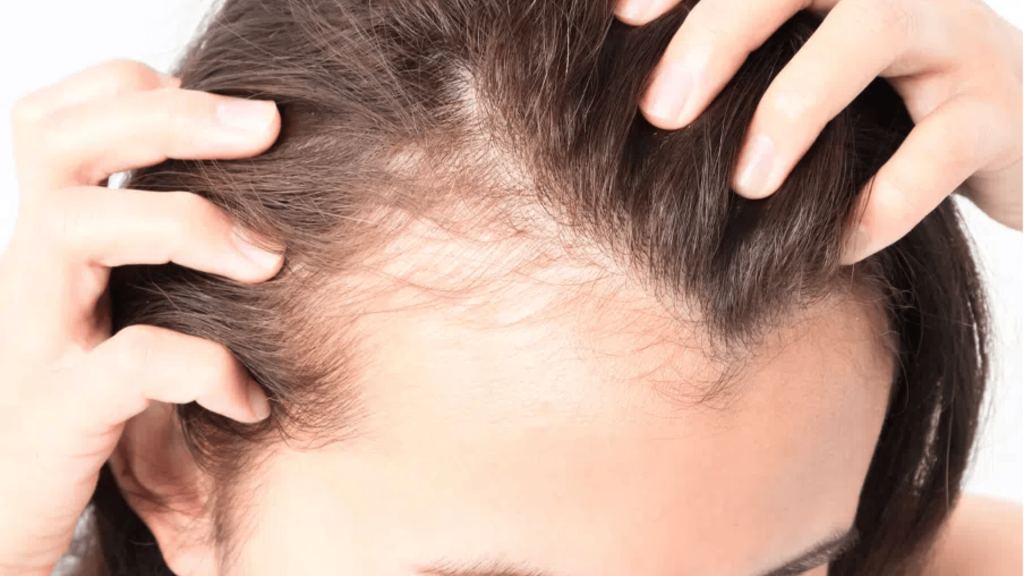
Androgenetic alopecia, or pattern baldness, stems from genetic factors and hormones like DHT. Current research doesn’t strongly support acupuncture for this type of hair loss.
Since the root cause involves hereditary hormone sensitivity rather than circulation, acupuncture doesn’t directly target the problem, and treatments like minoxidil or finasteride remain more effective.
3. Seborrheic Alopecia/Other Types
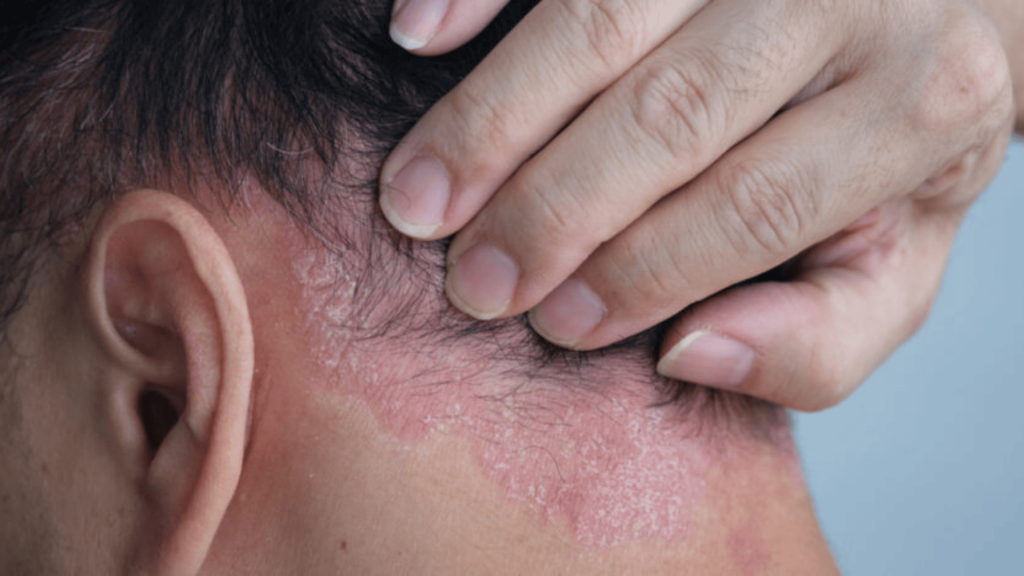
Seborrheic alopecia and other inflammatory scalp conditions may respond to acupuncture, though research remains limited. Recent trials combining acupuncture with herbal treatments show encouraging trends in hair preservation and regrowth.
These studies suggest it might help reduce scalp inflammation and improve follicle health. However, more rigorous research is needed before drawing definitive conclusions.
What Scientific Studies Say About Acupuncture for Hair Loss?
Studies on acupuncture for hair loss focus mostly on alopecia areata, a condition where the immune system attacks hair follicles, causing patchy loss.
One small trial with 78 patients showed that acupuncture plus plum-blossom needling led to better hair regrowth than oral cystine, vitamin B1, and topical minoxidil. A 2021 Review of 11 Trialsfound that plum-blossom needling added to usual treatments helped more regrowth.
A 2022 Reviewnoted positive results in several cases. These studies are often small, from China, and use different methods, so results vary. Larger trials are needed to confirm if acupuncture truly helps most people.
It seems safe and may aid some with alopecia areata when other options fail. Talk to a doctor before trying it.
How Acupuncture for Hair Loss Works?
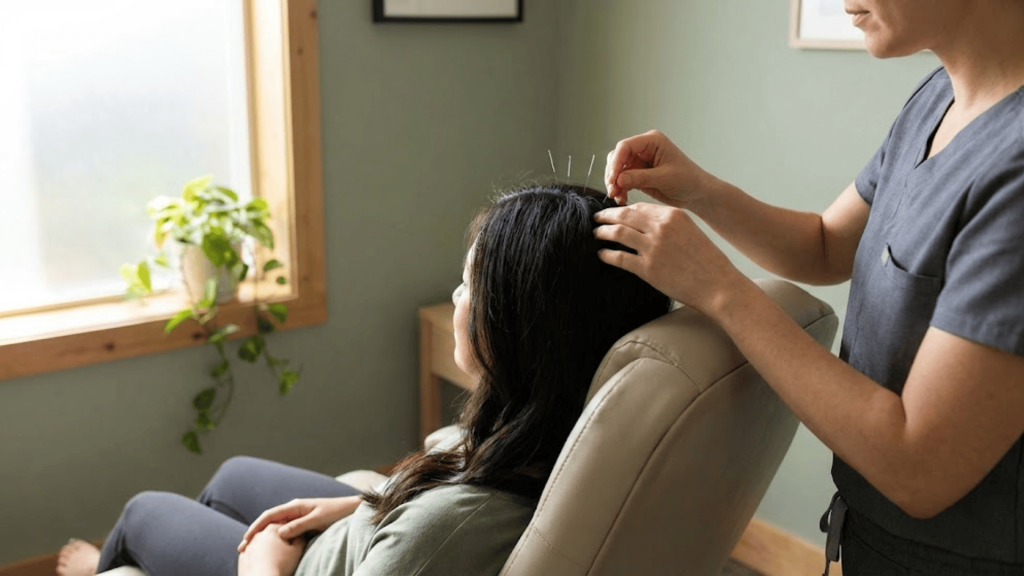
Acupuncture may support hair regrowth through several biological pathways. First, needle insertion increases blood flow to the scalp, delivering more oxygen and nutrients to hair follicles that need them to function correctly.
Second, acupuncture appears to influence immune system activity, which is particularly helpful for autoimmune conditions like alopecia areata, where the body attacks its own hair follicles.
Third, studies suggest acupuncture can reduce inflammation around follicles and may help balance stress hormones like cortisol that contribute to hair loss.
While researchers continue studying the mechanisms, evidence shows that stimulating specific acupoints triggers measurable changes in circulation, immune markers, and inflammation that benefit hair health.
Risks, Safety & What to Know Before Trying It
Acupuncture is generally safe when performed by a qualified practitioner, but it’s essential to understand potential risks and take proper precautions. Knowing what to expect can help you make an informed treatment decision.
- Use Licensed Practitioners Only: Choose certified acupuncturists who use sterile, single-use needles to prevent infections.
- Minor Side Effects May Occur: Temporary soreness, slight bleeding, or bruising at needle sites is common.
- Avoid if You Have Bleeding Disorders: Consult your doctor first if you take blood thinners or have clotting issues.
- Pregnancy Requires Caution: Certain points can stimulate contractions, so pregnant women need specialized care.
- Check Credentials and Experience: Look for practitioners trained specifically in scalp acupuncture and hair loss treatment.
If you have medical conditions or take medications, discuss acupuncture with your healthcare provider before starting treatment. A qualified practitioner will review your history and create a safe, personalized treatment plan.
Combining Acupuncture With Other Treatments – What Works?
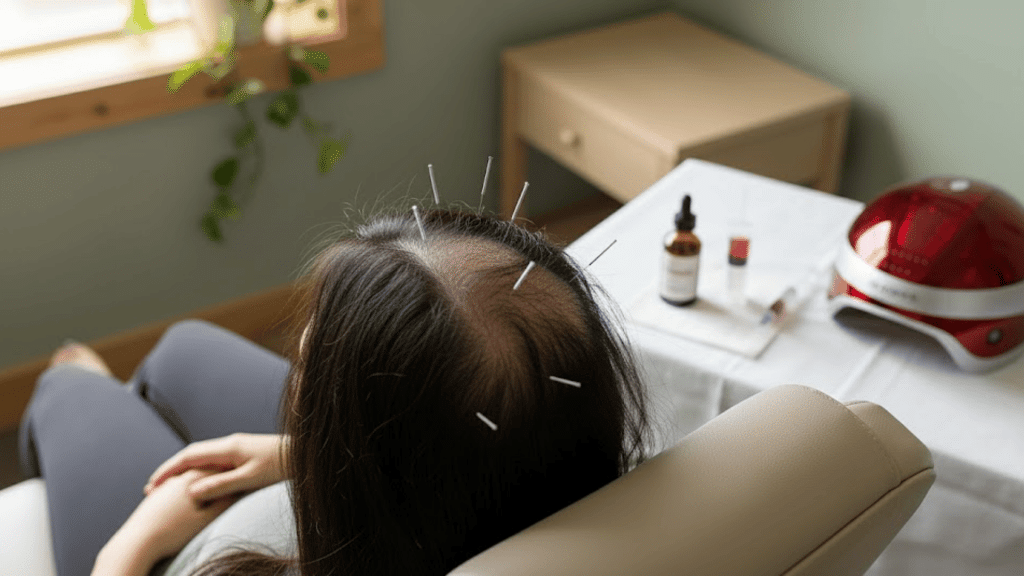
Most people achieve better results by using acupuncture alongside other hair loss treatments rather than relying on it alone. For medical treatments, acupuncture pairs well with minoxidil, steroid injections for alopecia areata, platelet-rich plasma (PRP) therapy, and low-level laser caps.
These combinations may work synergistically, with acupuncture improving circulation while medications target specific causes. On the complementary side, acupuncture integrates effectively with stress management techniques, scalp massage, and herbal supplements.
Since stress and inflammation contribute to hair loss, addressing multiple factors often produces better outcomes. Always inform your acupuncturist and doctor about all treatments to ensure safe, comprehensive care.
That’s a Wrap
Acupuncture for hair loss shows promising results, especially for autoimmune conditions like alopecia areata, though more research is needed for other types.
While it may not be a standalone cure, combining acupuncture with proven medical treatments can create a comprehensive approach to hair restoration.
The key is working with qualified practitioners and maintaining realistic expectations about results. Remember that hair regrowth takes time and patience, regardless of the method you choose.
Have you tried acupuncture for your hair loss? Share your experience in the comments below – your story might help others considering this treatment option for their own hair health.
Frequently Asked Questions (FAQs)
Can Acupuncture Prevent Future Hair Loss?
Acupuncture may support scalp health and circulation, but it cannot guarantee the prevention of future hair loss.
How Long Does It Take To See Results From Acupuncture?
Most people notice slight changes within a few months, but results vary by individual and hair loss type.
Is Acupuncture Painful?
Needles are very thin, so most people feel only a slight pinch or mild pressure during treatment.
Can Children With Alopecia Areata Try Acupuncture?
Yes, but it should always be performed by a licensed practitioner experienced with pediatric patients.