The fabric of a bra affects comfort, support, and how long it lasts. The best bra material depends on your needs, but natural fabrics like cotton work well for everyday wear while synthetic blends offer better support and moisture control for active use. Different materials serve different purposes, and what feels good to one person may not work for another.
Most bras use cotton, polyester, nylon, or a blend of these materials. Cotton breathes well and feels soft against skin, which makes it popular for daily bras. However, synthetic fabrics stretch better and hold their shape longer. They also dry faster and resist shrinkage better than natural fibers.
The right fabric choice helps prevent skin irritation, provides proper support, and keeps you comfortable all day. This guide explains what to look for in bra materials and how different fabrics compare. You’ll learn which materials work best for specific bra types and how to match fabric features with your personal needs.
Key Factors in Choosing the Best Bra Material
The right bra material depends on several personal needs and lifestyle factors. Comfort, support quality, how well a fabric breathes, and care requirements all play important roles in finding the best option.
Comfort and Skin Sensitivity
Comfort stands as the most important factor for many people. Natural fibers like cotton work well for those with sensitive skin because they reduce irritation and allergic reactions. Cotton fibers are soft against the skin and allow it to breathe naturally throughout the day.
Synthetic materials can sometimes trap heat and moisture against the body. This creates an environment where skin irritation develops more easily. People with eczema or other skin conditions often find relief in natural fabric choices. For example, a Q for Quinn 100% cotton bra provides a gentle option that works well for daily wear.
The fabric should feel smooth without rough seams or tags. Some materials become softer after several washes, while others maintain the same texture. Pay attention to how the fabric feels during movement and throughout a full day of wear.
Support and Durability
Different activities require different levels of support from bra materials. Synthetic blends often provide more structure and elasticity than natural fibers alone. These materials help maintain shape and support even after repeated wear and washing.
Cotton provides gentle support that works well for everyday activities. However, it may stretch out faster than synthetic options. Blends that combine cotton with small amounts of spandex or elastane offer a balance between comfort and longevity.
The construction quality matters just as much as the material itself. Strong stitching and proper seam placement help a bra last longer. Thicker fabrics typically offer more support for larger bust sizes, while lighter materials suit smaller frames better.
High-quality materials resist pilling and maintain their shape over time. A well-made bra should last at least six months to a year with proper care. Check how the fabric responds to stretching before purchase to gauge its long-term durability.
Breathability and Moisture Management
Breathable fabrics help regulate body temperature and prevent moisture buildup. Cotton naturally absorbs moisture away from the skin, which keeps the wearer comfortable in warm weather. This makes it a smart choice for everyday wear in various climates.
Bamboo and modal fabrics also offer excellent breathability. These materials draw moisture away from the body more effectively than standard cotton. However, pure cotton remains a reliable choice for most people because it balances moisture absorption with air circulation.
Synthetic materials like polyester and nylon dry faster than natural fibers. This makes them useful for athletic activities where sweat management matters most. Nevertheless, some people find that synthetics feel less comfortable against bare skin for extended periods.
Good airflow prevents bacterial growth and reduces odor. Materials that trap moisture create an ideal environment for skin problems to develop. Choose fabrics based on activity level and climate conditions for the best results.
Ease of Care and Maintenance
Care requirements vary significantly between different bra materials. Cotton bras typically handle machine washing well, though they may shrink slightly over time. Most cotton options can withstand regular washing without special treatment or delicate cycles.
Synthetic materials often require gentler care to maintain their elasticity. Hand washing or using a mesh laundry bag helps protect delicate fabrics and extends their lifespan. Some blends need air drying rather than machine drying to prevent damage.
Natural materials like cotton resist color fading better than many synthetics. They also tend to maintain their softness after multiple washes. Consider how much time and effort you want to spend on laundry care before selecting a material.
Some fabrics require specific water temperatures or detergents. Read care labels carefully to understand what each material needs. Materials that demand less maintenance save time and effort in the long run while still providing comfort and support.
Comparison of Popular Bra Fabrics
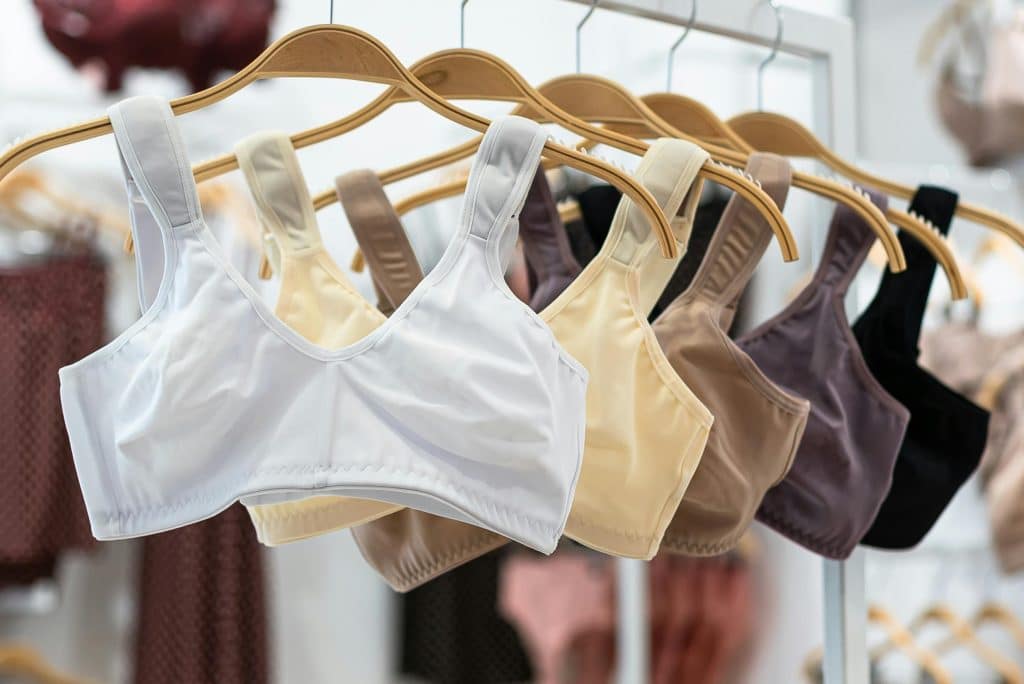
Each fabric type offers distinct benefits for comfort, support, and specific uses. Natural fibers like cotton provide breathability, while synthetic materials deliver stretch and moisture control.
Cotton Versus Microfiber
Cotton stands out as a natural fiber that allows air to pass through easily. This fabric works well for everyday bras because it feels soft against the skin and absorbs moisture. People with sensitive skin often prefer cotton since it rarely causes irritation or allergic reactions.
Microfiber, on the other hand, consists of extremely fine synthetic fibers. These fibers create a smooth surface that stays invisible under tight clothes. The material stretches more than cotton and returns to its original shape better after each wash.
Cotton tends to shrink after multiple washes and may lose its shape over time. However, microfiber holds its form longer and dries faster. Cotton breathes better in hot weather, while microfiber provides better shape retention. The choice between these two depends on whether someone values natural materials or prefers durability and a sleek appearance under clothing.
Lace and Mesh Characteristics
Lace adds a decorative element to bras with its delicate patterns. This fabric comes in various weights, from sheer to more structured versions. Stretch lace molds to the body and provides light support, though it requires careful care to prevent snags.
Mesh features an open weave that allows air to circulate freely. This material appears in many modern bra designs because it combines breathability with a contemporary look. Mesh can be made from nylon, polyester, or blended fibers.
Both materials work best as overlay fabrics rather than as the sole layer. Lace feels romantic and feminine but may cause irritation if worn directly against sensitive skin. Mesh offers better ventilation than solid fabrics and adds visual interest. These fabrics typically pair with other materials to provide the necessary support and coverage.
Silk and Satin for Luxury
Silk represents a natural protein fiber that feels exceptionally smooth. This fabric regulates temperature well and drapes beautifully against the body. Real silk bras cost more but offer unmatched comfort for special occasions.
Satin refers to a weave pattern rather than a specific fiber. Most affordable satin bras use polyester or nylon with a satin weave. This creates a glossy, slippery surface that feels luxurious. Satin made from synthetic fibers costs less than silk but still provides an elegant look.
Both options feel cool and smooth on the skin. Silk requires hand washing or delicate machine cycles, while synthetic satin tolerates regular washing better. These fabrics suit special events or anyone who wants to feel pampered. The slippery surface means they work best with garments that won’t shift around throughout the day.
Performance Synthetics for Athletics
Sports bras rely on synthetic materials like polyester, nylon, and spandex. These fabrics pull moisture away from the skin to the outer surface where it evaporates quickly. This process keeps the wearer dry during exercise.
Spandex adds stretch that allows the bra to move with the body. Most athletic bras contain 10-30% spandex blended with other synthetics. This combination provides compression and support without restricting movement. The materials also resist odors better than natural fibers.
Performance fabrics bounce back to their original shape after intense activity. They withstand frequent washing at higher temperatures than delicate materials. The tight weave reduces bounce during high-impact activities. These synthetics work specifically for active lifestyles and offer little benefit for everyday wear outside of exercise.
Conclusion
The right bra fabric can make a significant difference in daily comfort and support. Natural materials like cotton and modal work best for sensitive skin, while synthetic blends offer durability and moisture control for active lifestyles.
Each fabric type has distinct advantages, so the best choice depends on individual needs and preferences.
Consider factors like skin sensitivity, activity level, and climate to find the perfect material. Taking time to test different fabrics helps identify what feels most comfortable and meets specific requirements.