

Noticing dark spots on the bottom of the feet can be concerning. While some causes are harmless, others may signal underlying medical conditions.
From skin infections like Tinea Nigra to more serious issues such as melanoma, it’s important to know what your skin is trying to tell you.
Many people also develop black spots on the bottom of their feet due to friction, minor injuries, or even fungal infections. Understanding the symptoms and potential causes of these spots can help you take the appropriate action.
Here we will see common causes, when to seek medical care, and effective treatments to restore healthy skin.
Understanding Dark Spots on the Bottom of Feet
Feet often go unnoticed in daily routines, yet they endure constant stress from walking, running, and bearing body weight.
As a result, they are more susceptible to changes in skin appearance, including dark spots on the soles of the feet.
These marks can be unsettling, especially when their cause is not immediately clear.
While many spots on the bottom of the feet are the result of simple issues, such as friction, dryness, or minor injuries, others may signal infections or, in rare cases, more serious health concerns, including melanoma.
Recognizing the difference is key to protecting your health. Paying attention to changes in color, size, and texture can help you determine when home care is sufficient and when a professional evaluation is necessary.
Common Causes of Dark Spots on Bottom of Feet
The skin on the feet is constantly subjected to pressure, friction, and exposure to various environmental conditions. Dark spots on the bottom of the feet can develop due to several factors, ranging from harmless to more serious.
Some of the common causes include the ones listed below:
1. Friction and Pressure

Wearing tight shoes or walking barefoot on hard surfaces often leads to constant rubbing. This friction can cause calluses or small areas of bleeding under the skin.
Over time, these appear as dark spots on the bottom of the feet, particularly on pressure points such as the heel or ball.
2. Bruising
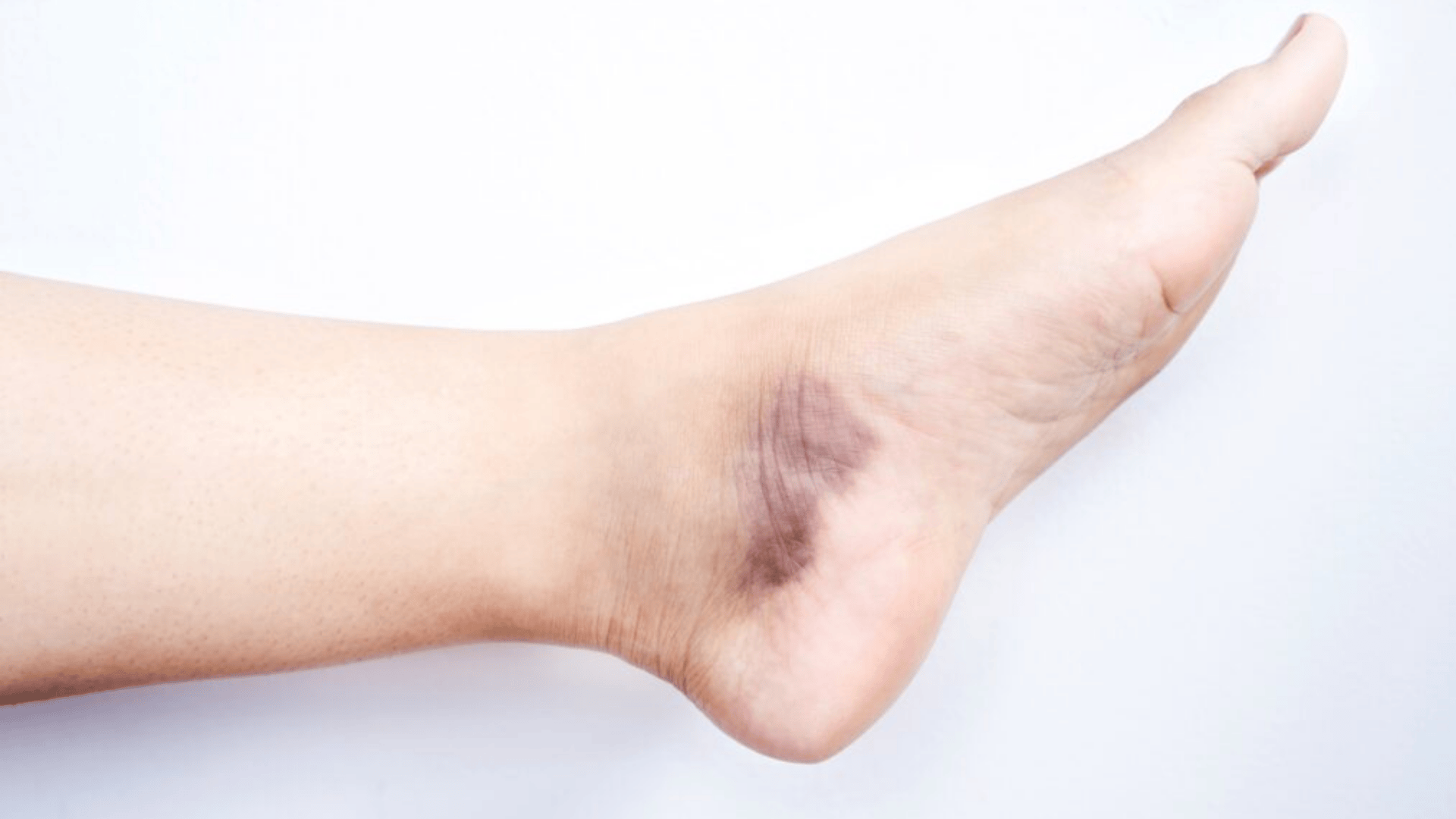
Minor injuries such as stubbing your toe, dropping something on your foot, or repetitive impact from sports can cause bruising.
Bruises appear as dark patches under the skin and typically heal on their own within one to two weeks. Persistent bruising, however, may signal an underlying issue.
3. Hyperpigmentation
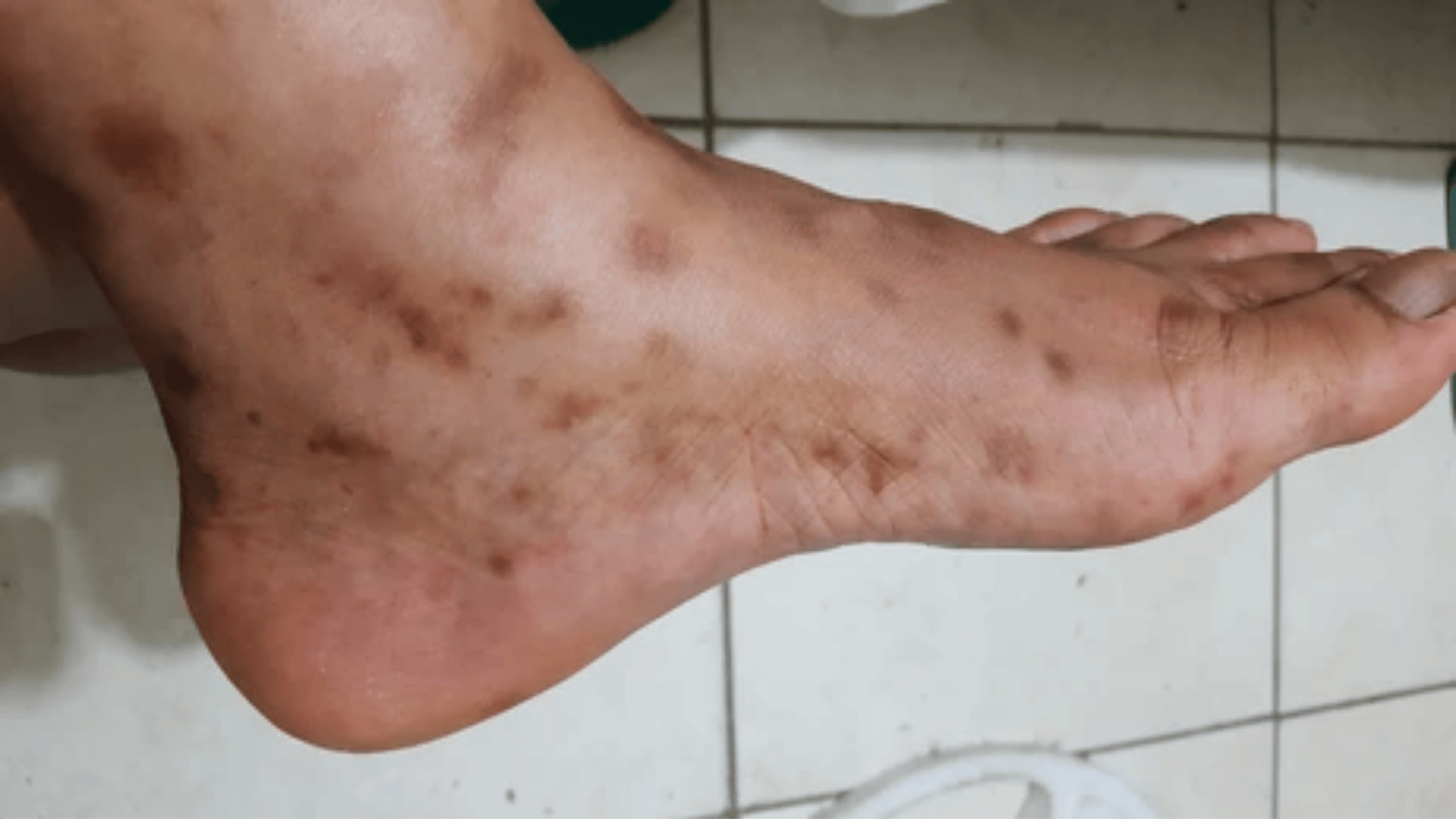
Some people naturally develop darker areas on their feet due to genetics or prolonged sun exposure. These patches are harmless but can sometimes spread or darken further.
Regular use of sunscreen and moisturizer can help manage hyperpigmentation, though some people also look into targeted laser treatments for fading deeper, more stubborn discoloration.
4. Fungal Infections (Tinea Nigra)
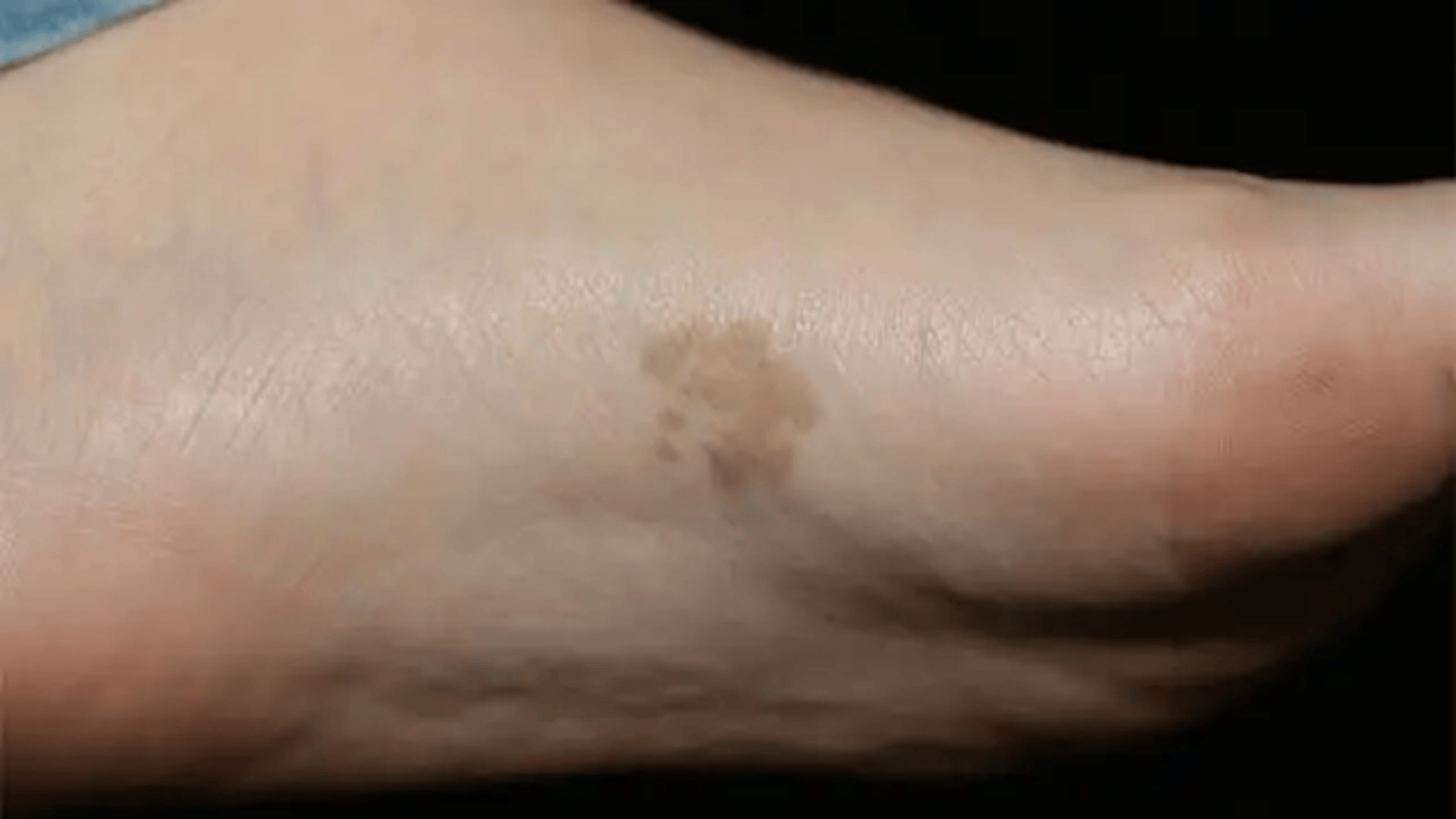
Tinea Nigra is a superficial fungal infection that produces flat, painless brown or black patches on the soles.
Although it may appear alarming, it is not cancerous. It spreads slowly and typically responds well to antifungal creams or ointments.
5. Melanoma

Although rare, melanoma can appear as irregular, dark spots on the feet. Unlike bruises or fungal spots, these marks do not fade and may change in shape, size, or color over time. Early diagnosis is critical since melanoma can spread if left untreated.
|
Because the soles are rarely seen, foot melanoma often gets caught later than melanoma elsewhere. The American Academy of Dermatology notes that checking the feet regularly can help catch this cancer while it is still highly treatable. A monthly check takes a minute: look at the soles, between the toes, the heels, and under each toenail, flagging anything new or changing, or a dark streak under a nail. Acral lentiginous melanoma, the type most common on soles, appears more often in people with darker skin or Asian or African descent, and is less linked to sun exposure than other forms of the disease. |
6. Aging and Skin Changes
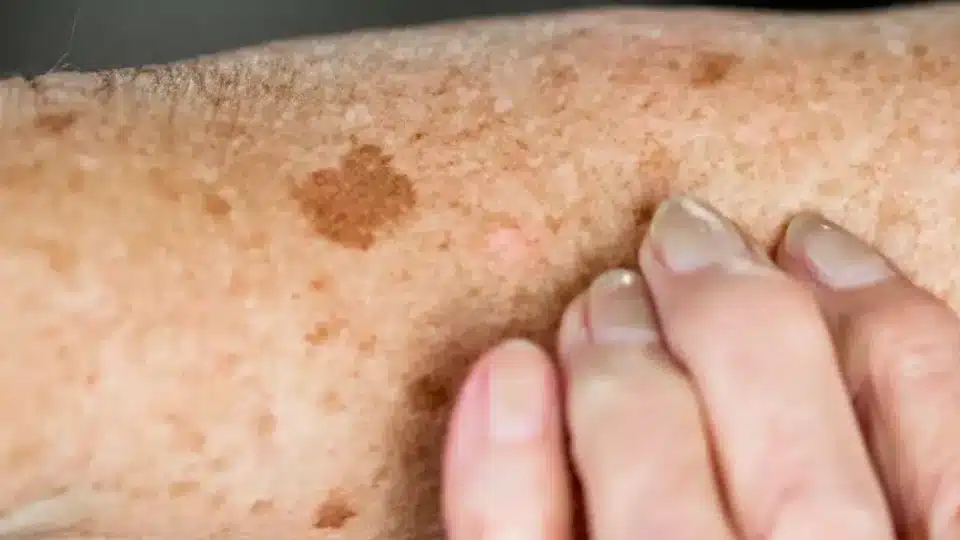
As people age, the natural turnover of skin cells slows down. This can lead to the accumulation of melanin (skin pigment) in certain areas, especially those exposed to friction or pressure.
These age-related pigmentation spots, also known as lentigines, are harmless but may become darker over time.
7. Poor Circulation or Vascular Issues
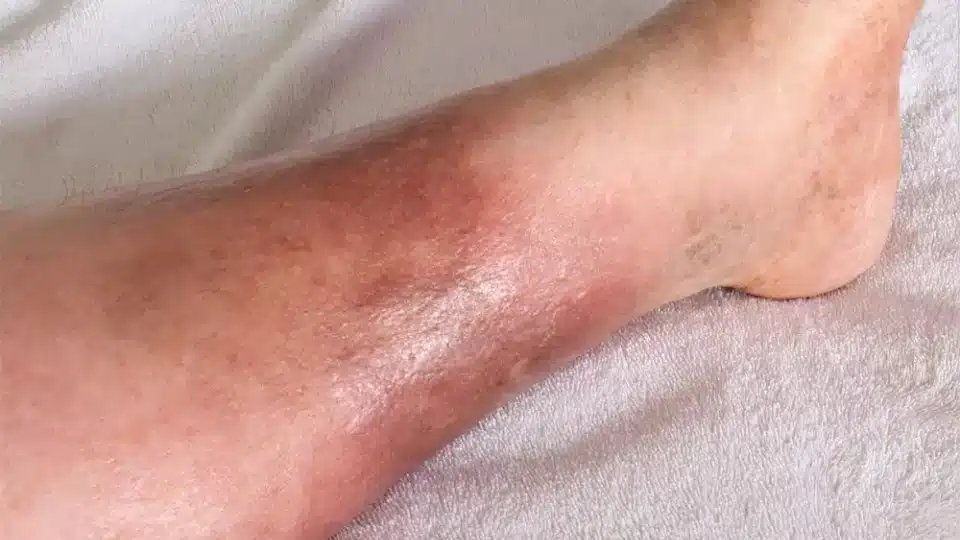
Conditions that affect blood flow, such as diabetes, peripheral artery disease, or varicose veins, can cause dark patches or spots on the feet. Reduced circulation leads to blood pooling or small capillary leakage beneath the skin.
These spots often appear bluish or purplish and may be accompanied by swelling or coldness in the affected area, typically the feet.
| Diabetes can affect blood flow and nerve sensation in the feet, making it harder to notice an injury or pressure sore before it worsens. The Centers for Disease Control and Prevention (CDC) recommends checking your feet every day for cuts, redness, swelling, or any other change to the skin. A small dark spot that stays stable and fades within a week or two is usually harmless. If it grows, does not fade, or turns painful, get it checked promptly. |
8. Post-Inflammatory Hyperpigmentation (PIH)
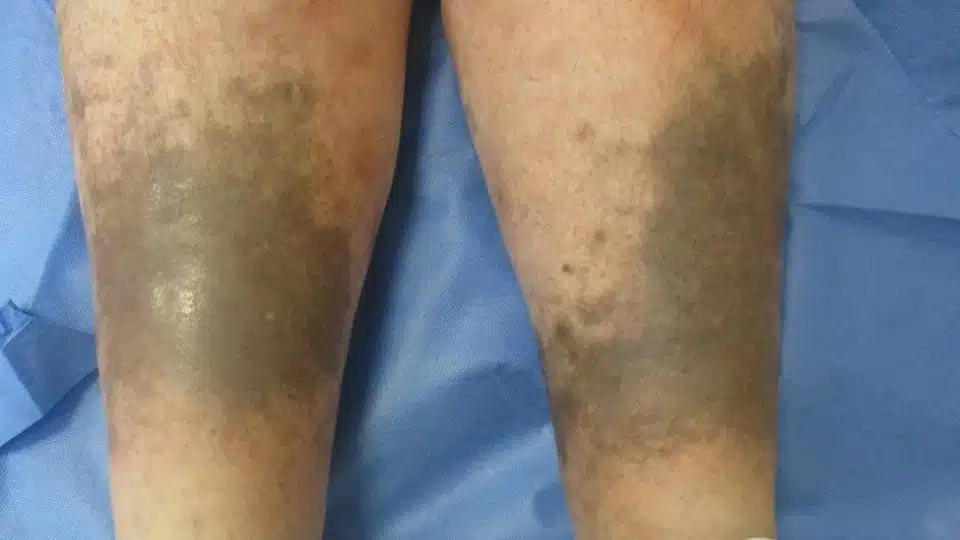
After an injury, infection, or allergic reaction, the skin sometimes produces excess melanin as it heals.
This results in dark marks where the inflammation occurred. PIH is especially common in people with darker skin tones and can take weeks or months to fade even after the initial cause resolves.
9. Chemical or Allergic Reactions
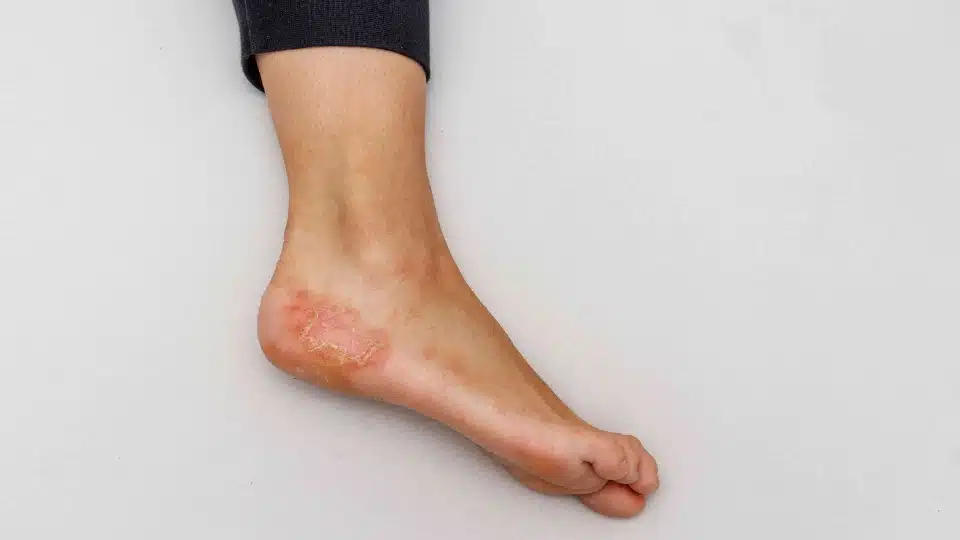
Exposure to certain chemicals, dyes, or harsh skincare products can irritate the skin, leading to discoloration.
Contact dermatitis from soaps, detergents, or materials in footwear (such as leather dyes or rubber) may cause localized dark spots once the irritation subsides.
Symptoms to Watch For
Not all spots on the feet are dangerous, but some symptoms may require medical attention. Use this guide to identify when a harmless mark might signal a more serious condition.
| Condition | Appearance | Key Symptom |
|---|---|---|
| Tinea Nigra | Flat brown or black patches | Slowly spreading, painless |
| Melanoma | Irregular dark spots | Change in size, shape, or color, don’t fade |
| Calluses/Bruises | Rough, raised, or tender dark areas | Result of friction or injury |
| Warts | Small dark spots | Painful when pressed, caused by a virus |
If spots on the bottom of the feet continue to grow, cause pain, or fail to fade over time, it’s best to consult a dermatologist early to ensure proper treatment and peace of mind.
Tinea Nigra and Other Infections
Beyond Tinea Nigra, other infections can also cause black spots on the bottom of the feet. Plantar warts, caused by the human papillomavirus, are a common example.
They often appear as small, rough patches with tiny black dots inside them, which are actually tiny blood vessels rather than dirt.
These warts can feel painful when walking or pressing down on them, unlike the flat, painless patches seen with Tinea Nigra.
Treatment options include topical remedies, cryotherapy to freeze the wart, or removal by a healthcare professional if it does not clear up on its own.
Melanoma on the Feet
Melanoma on the sole needs a closer look than other dark spots because it rarely follows the usual sun exposure pattern.
Warning Signs (ABCDE Rule):
-
A – Asymmetry: One side looks different from the other.
-
B – Border: Uneven or blurred edges.
-
C – Color: Mixture of black, brown, or even red and white.
-
D – Diameter: Larger than a pencil eraser.
-
E – Evolving: Growing, changing shape, or bleeding.
Research published by the National Institutes of Health found that acral lentiginous melanoma occurs at similar rates across all races on the soles, though it is often diagnosed later there than melanoma elsewhere on the body.
Because ALM is rare and often missed, it’s crucial to seek a doctor’s opinion if a suspicious spot appears.
Prevention Tips and When to See a Doctor
Caring for your feet daily can help prevent dark spots on the bottom of your feet. Still, knowing when to seek medical help is just as important for maintaining healthy and protected skin.
| Prevention Tips | When to See a Doctor |
|---|---|
| Keep feet clean and dry | Spot changes in size, shape, or color |
| Wear breathable shoes and socks | Pain, swelling, or bleeding develops |
| Avoid walking barefoot in public places | Home remedies fail after several weeks |
| Moisturize daily to prevent dryness/cracks | Irregular dark patches that don’t fade |
Practicing proper foot care helps reduce the chance of blackening on the bottom of the feet, but never ignore concerning changes.
Early medical attention ensures peace of mind and timely treatment if a serious condition is present.
Home Remedies and Self-Care
Not all spots on the bottom of the feet require medical treatment. For minor issues like bruises or calluses, home remedies may help:
-
Rest and Elevation: Helps bruises heal faster.
-
Moisturizing Creams: Keep skin soft and reduce callus formation.
-
Foot Soaks: Soaking your feet in warm water with Epsom salt can help relax muscles and reduce minor swelling.
-
Over-the-Counter Creams: Antifungal creams may help alleviate mild infections, such as Tinea Nigra.
-
Proper Footwear: Wearing comfortable shoes prevents friction and reduces the risk of new spots.
Simple self-care steps can often alleviate minor foot spots, but persistent or worsening marks should always be evaluated by a healthcare professional.
Medical Treatments
When home remedies aren’t enough or the spots on your feet look suspicious, medical care becomes essential.
Doctors can provide treatments according to the cause, from simple antifungal creams to surgical options. Early diagnosis and treatment are crucial to maintaining your foot health.
1. Antifungal Medications
For infections such as Tinea Nigra, doctors commonly recommend antifungal creams or oral drugs. These treatments attack the fungus directly, preventing it from spreading further.
With regular use, the dark patches usually fade within a few weeks.
2. Cryotherapy or Laser Treatment
Plantar warts caused by HPV may need stronger treatments. Cryotherapy uses liquid nitrogen to freeze the wart, while lasers are used to burn away the infected tissue.
Both methods are effective in easing pain and preventing new warts from forming.
3. Biopsy
When a dark spot looks suspicious, a biopsy may be necessary. The dermatologist removes a small piece of tissue from the affected area.
This test helps confirm or rule out melanoma and guides the development of the right treatment plan.
4. Surgery
Surgical removal may be required for melanoma or stubborn warts. The procedure ensures the complete elimination of abnormal cells or tissue.
Surgery reduces the risk of recurrence and provides long-term relief when less invasive treatments are not enough.
Final Thoughts
Dark spots or black spots on the bottom of the feet are common and often harmless, but they can sometimes point to infections or even skin cancer.
Simple causes, such as bruises or calluses, usually heal on their own, while conditions like Tinea Nigra respond well to antifungal creams. More serious cases, like melanoma, require early medical care.
By learning the symptoms of different spots on the bottom of the feet, you can take the right steps to protect your health.
Regular foot care, wearing safe footwear, and scheduling timely checkups can make a significant difference. Always pay attention to changes in your skin, and when in doubt, seek professional advice for peace of mind.
Frequently Asked Questions
Are Black Spots on The Bottom of The Feet Always Serious?
No, many are harmless, but persistent or changing spots should be checked by a doctor.
Can Home Remedies Remove Dark Spots on Feet?
Yes, mild cases may improve with the use of moisturizers, antifungal creams, or better-fitting footwear.
How Do I Know if A Dark Spot Might Be Melanoma?
Watch for asymmetry, irregular borders, color changes, or growth, and see a dermatologist.




2 Responses
thank you for the information
Black spots under my feet,,and itching especially at nigh