There’s a moment that sneaks up on a lot of us. You’re standing in your kitchen, maybe chopping onions for a familiar recipe, maybe cleaning up after a dinner that felt louder or quieter than it used to.
Everything works, technically. The house still does its job. But something feels slightly off, like a favorite sweater that no longer fits the same way.
Homes have a way of holding our lives exactly as they were when we moved in. Over time, though, life keeps going. Families grow. Kids leave. Priorities shift. What once felt perfect starts to feel crowded, or empty, or just… done.
That’s not failure. That’s change.
Food, family, and home are deeply connected, especially for people who love gathering, cooking, and creating memories around the table. When one part shifts, the others usually follow. Making space for what’s next often starts with acknowledging that a home doesn’t have to be forever to have been meaningful.
Homes Are Chapters, Not Permanent Decisions
There’s a quiet pressure to treat a home like a lifelong commitment. Once you buy, you’re supposed to stay. Put down roots. Make it work, no matter how different life looks years later.
But homes are more like chapters than conclusions.
Why It’s Hard to Let Go of a Space
A house isn’t just walls and floors. It’s where recipes evolved, traditions formed, and routines took shape. Letting go can feel like letting go of the version of yourself who lived there.
That emotional weight is real, and it’s one reason people stay longer than they want to. Not because the house still fits, but because leaving feels like closing a door on memories that mattered.
The truth is, memories don’t disappear when you change addresses. They travel with you, along with the skills, habits, and relationships you built in that space.
Reframing “Forever” Into “For Now”
When you think of a home as a chapter, decisions feel lighter. You’re not undoing the past by moving on. You’re making room for the next part of the story.
That shift in mindset can turn a stressful decision into a thoughtful one. Instead of asking, “Why can’t this still work?” you start asking, “What do I need now?”
Hosting, Gathering, and the Way Space Shapes Connection
For food lovers and home entertainers, space matters in very specific ways. It’s not about square footage alone. It’s about flow, comfort, and how people move and connect when they’re together.

When Hosting Starts to Feel Harder
There’s a point where hosting stops feeling joyful and starts feeling complicated. Maybe the kitchen feels too tight when everyone wants to help. Maybe the dining area limits how many people can gather comfortably. Or maybe the house that once hosted constant dinners now feels oversized and quiet.
These shifts don’t happen overnight. They build slowly, until one gathering leaves you more tired than fulfilled.
Signs your space might no longer support the way you gather include:
- Avoiding hosting because setup feels overwhelming
- Constantly rearranging furniture to make things work
- Feeling stressed instead of energized when planning meals
- Downsizing guest lists to accommodate the space
When space works against connection, it changes the experience for everyone.
Why Timing and Planning Matter During Transitions
This is often where planning enters the picture. Not rushed planning, but intentional planning that considers both emotional and practical needs.
Exploring options that offer aclear home selling timeline can be especially helpful during seasons of change. Knowing how long a transition might take allows people to plan gatherings, holidays, and family milestones without living in constant limbo.
Clarity doesn’t take away choice. It supports it.
Preparing for Transitions Without Burning Out
Change is exhausting, even when it’s welcome. Preparing for a new chapter while still managing daily life, family needs, and emotional processing can drain energy faster than expected.
Why Burnout Shows Up During “Positive” Change
Moves tied to fresh starts often get framed as exciting, which can make people feel guilty when they’re overwhelmed. But excitement and exhaustion aren’t opposites. They coexist.
Burnout during transitions often comes from carrying too many unknowns at once. Not knowing when something will happen. Not knowing how it will play out. Not knowing what comes next.
Reducing those unknowns is one of the most effective ways to protect your energy.
Creating Space Before You Actually Move
Preparation doesn’t start with boxes. It starts with boundaries.
That might mean:
- Setting limits on how many gatherings you host during a busy season
- Simplifying meals while planning a transition
- Letting go of perfection around routines that are about to change
Permitting yourself to slow down creates space mentally, not just physically.
Transitions don’t need to be handled all at once. Breaking them into stages helps prevent the feeling that everything is happening at the same time.
Why Having a Defined Exit Plan Changes Everything
One of the most stressful parts of moving on from a home isn’t the decision itself. It’s the uncertainty around how the process will unfold.
Undefined timelines stretch stress longer than necessary.
The Weight of “We’ll See What Happens”
When people don’t know how or when a home will sell, every part of life stays on hold. Travel plans get postponed. Future gatherings stay hypothetical. Even emotional closure feels delayed.
A defined exit plan doesn’t force a single outcome. It simply answers the “what if” questions ahead of time.
What if it takes longer than expected?
What if plans change?
What if the timing doesn’t line up perfectly?
Having answers, even flexible ones, reduces the mental loop of constant worry.
Confidence Comes From Options, Not Pressure
Planning with clarity doesn’t mean rushing. It means understanding your options well enough to choose without fear driving the process.
When people know their timelines, fallback plans, and boundaries, decisions feel steadier. They’re not reacting to stress. They’re responding to information.
That difference shows up in everything from daily mood to long-term satisfaction.
Food as an Anchor During Change
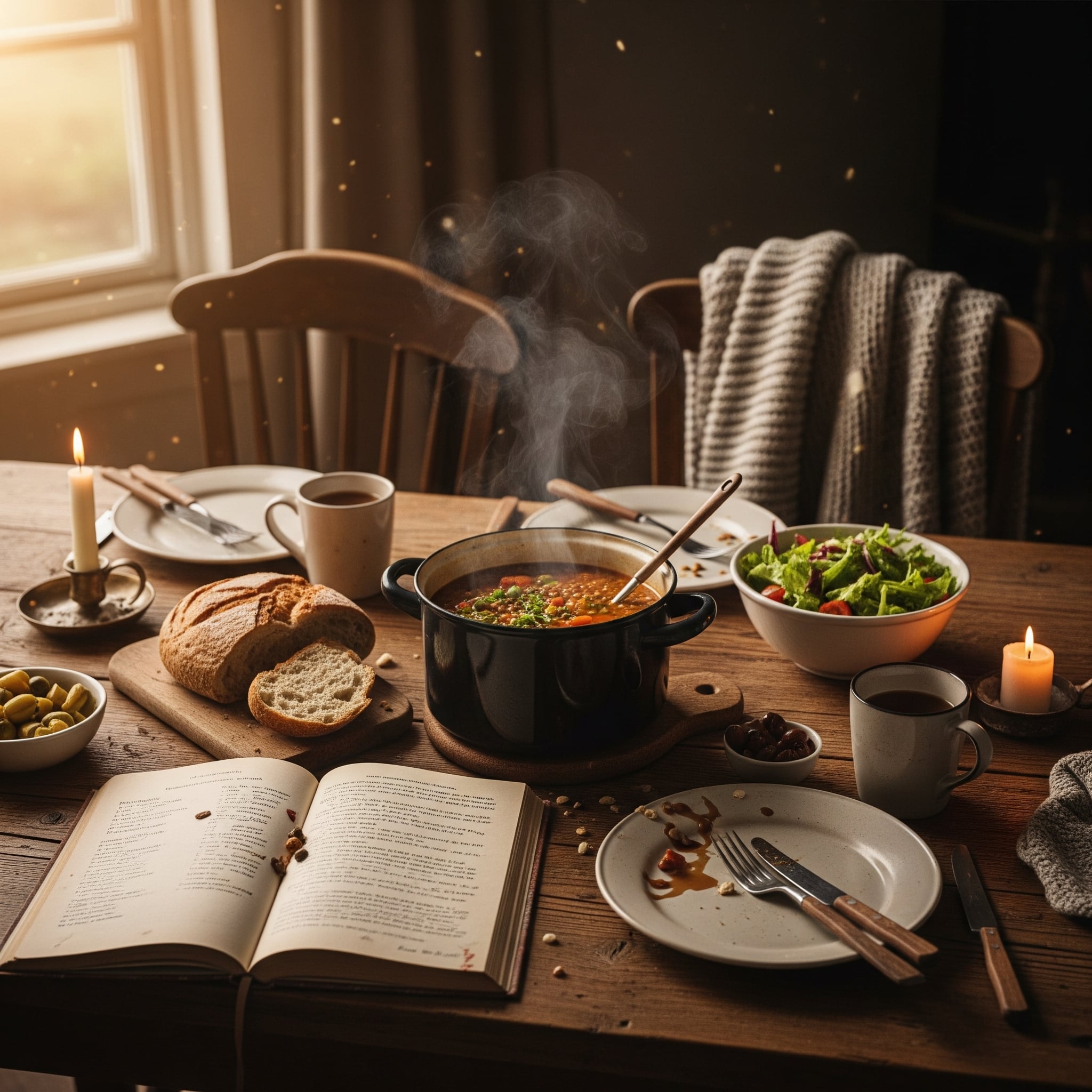
Keeping Traditions While Changing Spaces
Moving or planning a move doesn’t mean abandoning what makes home feel like home. Many people find comfort in carrying food traditions forward, even as the setting changes.
Cooking the same meals in a new kitchen can be a bridge between chapters. Hosting smaller gatherings during transitions keeps connection alive without adding pressure.
Food doesn’t need perfection. It needs presence.
Letting Meals Be Simple on Purpose
During times of transition, simplifying meals isn’t a step back. It’s a form of care.
Easy recipes, repeated favorites, and shared takeout nights still count as nourishment. Reducing expectations around cooking frees energy for the decisions that truly need attention.
That balance matters.
Making Space for What’s Next, One Decision at a Time
Fresh starts rarely arrive fully formed. They show up gradually, shaped by a series of choices that create room for change.
Some of those choices are emotional. Others are practical. All of them benefit from clarity.
Making space isn’t about erasing what came before. It’s about honoring it enough to move forward thoughtfully. Homes serve us for a season, and when that season ends, choosing what comes next with intention can feel surprisingly freeing.
Conclusion: Moving Forward Without Losing What Matters
Food, family, and home are deeply intertwined, especially for people who value gathering and connection. Recognizing that homes are chapters rather than permanent decisions allows space for growth without guilt.
Understanding how physical space influences hosting and relationships helps clarify when change is needed. Preparing for transitions thoughtfully prevents burnout, and having a defined exit plan replaces uncertainty with calm.
Making space for what’s next doesn’t require rushing or regret. It requires better decisions, made with awareness and care. When clarity replaces chaos, fresh starts stop feeling overwhelming and start feeling possible.