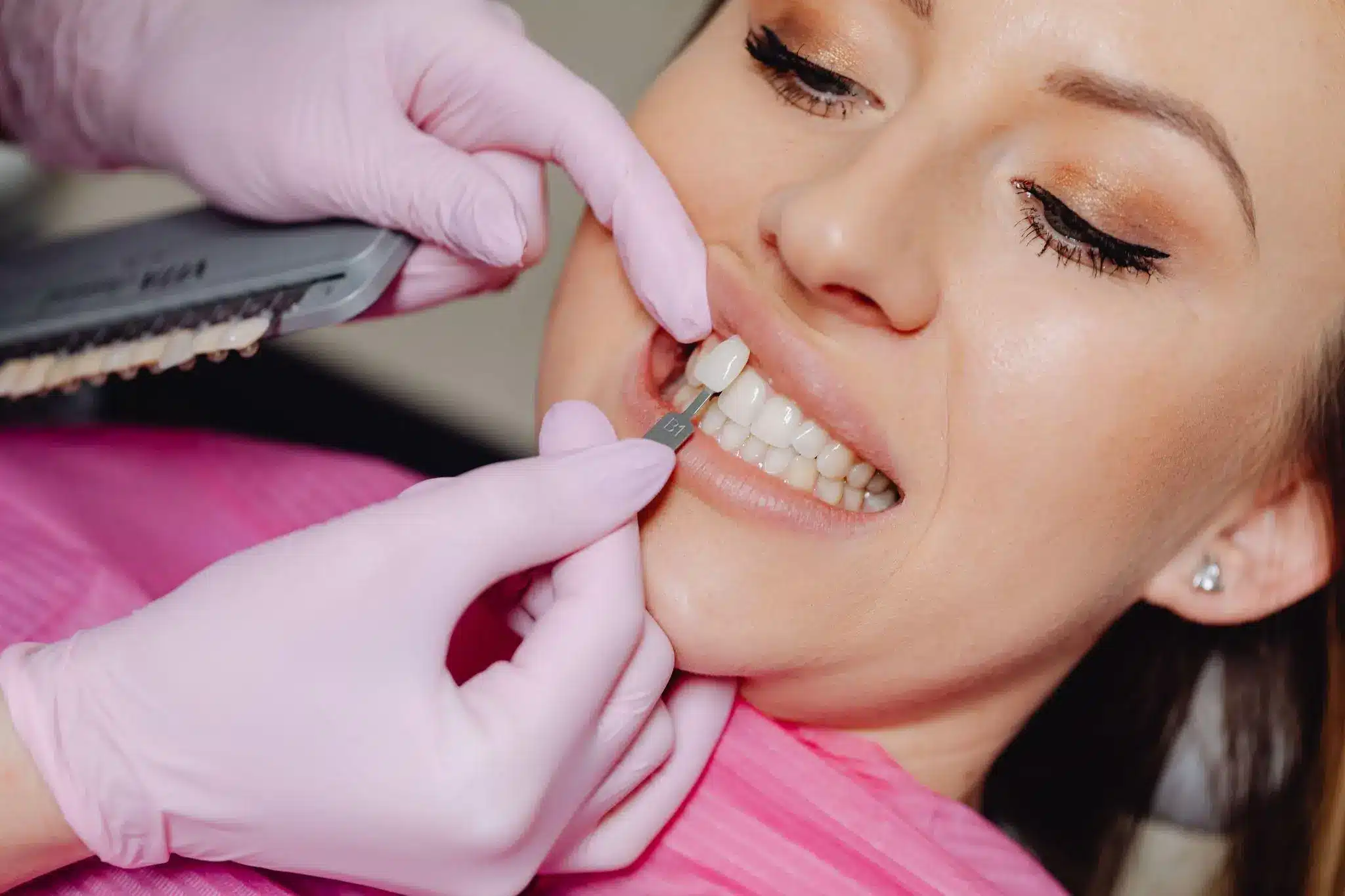
If you have been thinking about veneers, one of the first questions that probably comes to mind is how long they actually last. It is a fair question. Veneers are an investment in your smile, and you want to know what you are getting for that investment. The good news is that modern veneers are designed to last, but there are a few things every patient should understand before making a decision.
What Are Dental Veneers?
Dental veneers are thin, custom made shells that bond to the front surface of your teeth. They correct a range of cosmetic concerns, from discoloration and chips to gaps and uneven alignment.
Most veneers are made from porcelain or composite resin, and each material comes with its own set of pros and cons when it comes to durability, appearance, and cost. Whether you are researching veneers in Baltimore or anywhere else in the country, the basics are the same.
How Long Do Veneers Actually Last?
Porcelain veneers typically last between 10 and 15 years, though many patients get 20 years or more with proper care. Composite resin veneers tend to have a shorter lifespan, usually around 5 to 7 years before they need to be replaced or touched up.
These are not hard rules. How long your veneers last depends largely on how well you take care of them and the habits you bring to the table. But as a general benchmark, porcelain veneers offer the best combination of longevity and natural appearance for most patients.
What Affects the Lifespan of Your Veneers?
Several factors determine whether your veneers last closer to 10 years or 20.
- Oral hygiene habits: Brushing twice a day and flossing daily protect both your veneers and the teeth underneath.
- Diet: Biting down on hard foods like ice, nuts, or hard candy can chip or crack veneers over time.
- Teeth grinding: Bruxism is one of the most common reasons veneers fail early. If you grind your teeth at night, a custom night guard can make a significant difference.
- Gum health: Healthy gums support the longevity of your veneers. Gum recession can expose the edges of the veneer and compromise the bond.
- Quality of the work: The skill and experience of the dentist placing your veneers matters. A well placed veneer sits flush with the gumline and distributes bite force evenly.
The American Dental Association recommends regular checkups and professional cleanings as part of maintaining any dental restoration, including veneers.
Are Veneers Worth the Investment?
For many patients, the answer is yes. Veneers offer a level of transformation that whitening, bonding, and other cosmetic treatments cannot always match. They correct multiple concerns at once, and the results look natural when done well.
That said, veneers are not reversible. A thin layer of enamel is removed to place them, so this is a commitment. It is worth having an honest conversation with your dentist about what veneers can and cannot do for your specific situation.
Patients who report the highest satisfaction tend to share a few things in common: they had realistic expectations going in, they chose a provider they trusted, and they committed to caring for their veneers after the procedure.
Understanding the Cost
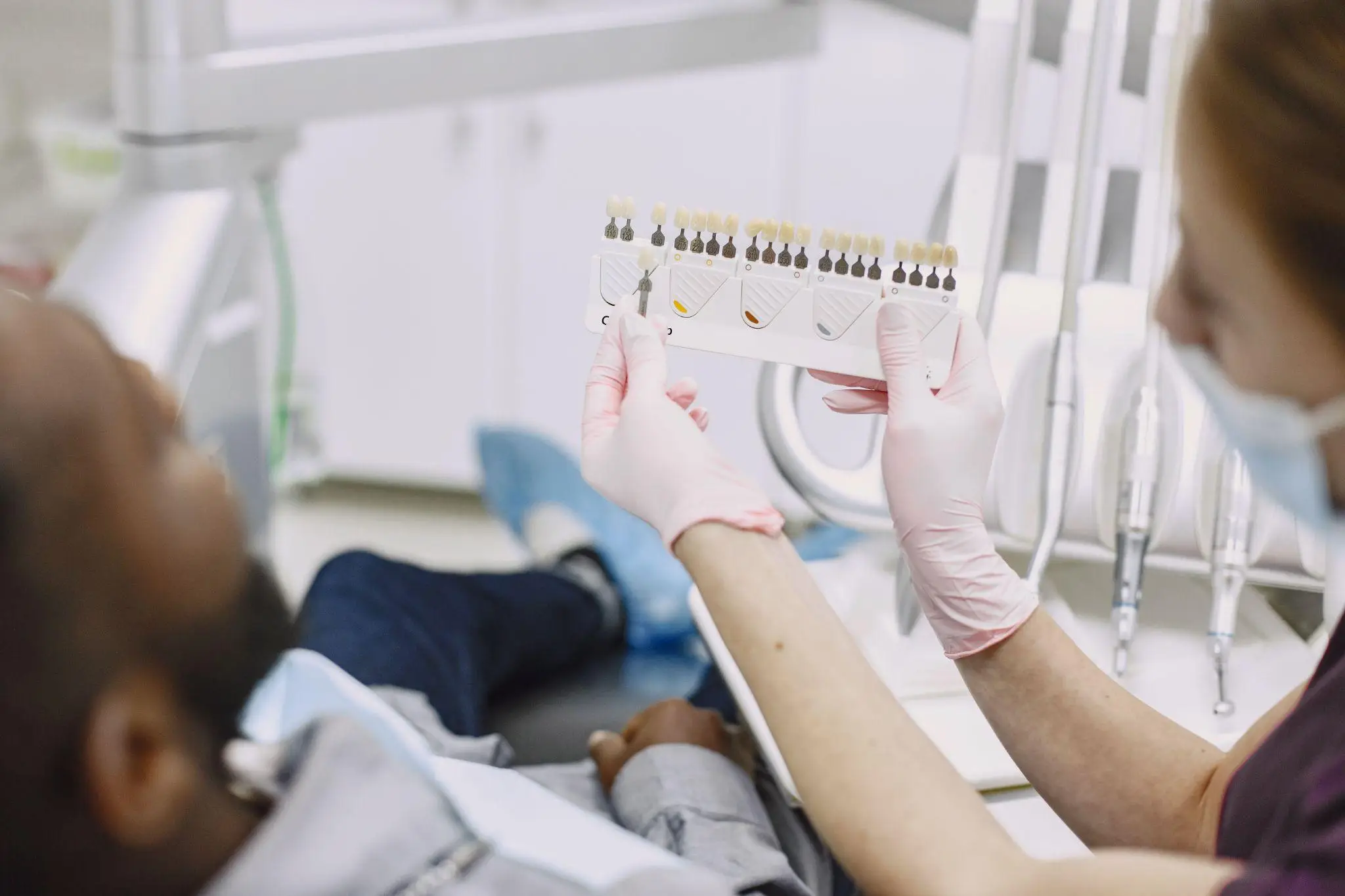
Cost is often the deciding factor. Porcelain veneers typically range from $900 to $2,500 per tooth, depending on your location and the complexity of the case. Composite veneers are usually less expensive but may need to be replaced more often.
If you are wondering how much are veneers for your specific case, the best starting point is a consultation with a dentist who can evaluate your needs and walk you through what to expect. For example, Sparkling Charms Dental Studio offers personalized consultations for families and individuals looking for trusted cosmetic dental care.
What Comes Next
Veneers are a real commitment, but for the right candidate they can be genuinely life changing. The key is doing your research, asking the right questions, and working with a provider who takes the time to understand your goals.
If you are exploring your options, Sparkling Charms Dental Studio provides a welcoming and supportive environment for patients considering veneers.