Arizona homes face a set of challenges that most homeowners in other states never deal with. Summers push well past 110 degrees in many parts of the state, the sun beats down with almost no relief, and monthly utility bills reflect every bit of it.
The good news is that comfort and energy efficiency aren’t separate goals. When you renovate with both in mind, the improvements reinforce each other, and the savings tend to compound over time.
Assess Your Home’s Biggest Sources of Energy Loss
Before picking up a tool or calling a contractor, take time to understand where your home is losing conditioned air. Common problem areas include gaps around doors and windows, outdated attic insulation, aging ductwork, and HVAC systems working far harder than they should. A professional energy audit gives you a ranked list of issues and helps you spend renovation money where it matters most, rather than guessing.
In 2024, the average monthly electricity bill in Arizona was $160, roughly 12.6% higher than the national average of $142. That gap reflects how much harder Arizona homes work to stay cool. Identifying inefficiencies first means every dollar you spend on upgrades goes toward closing it.
Upgrade Insulation for Year-Round Comfort
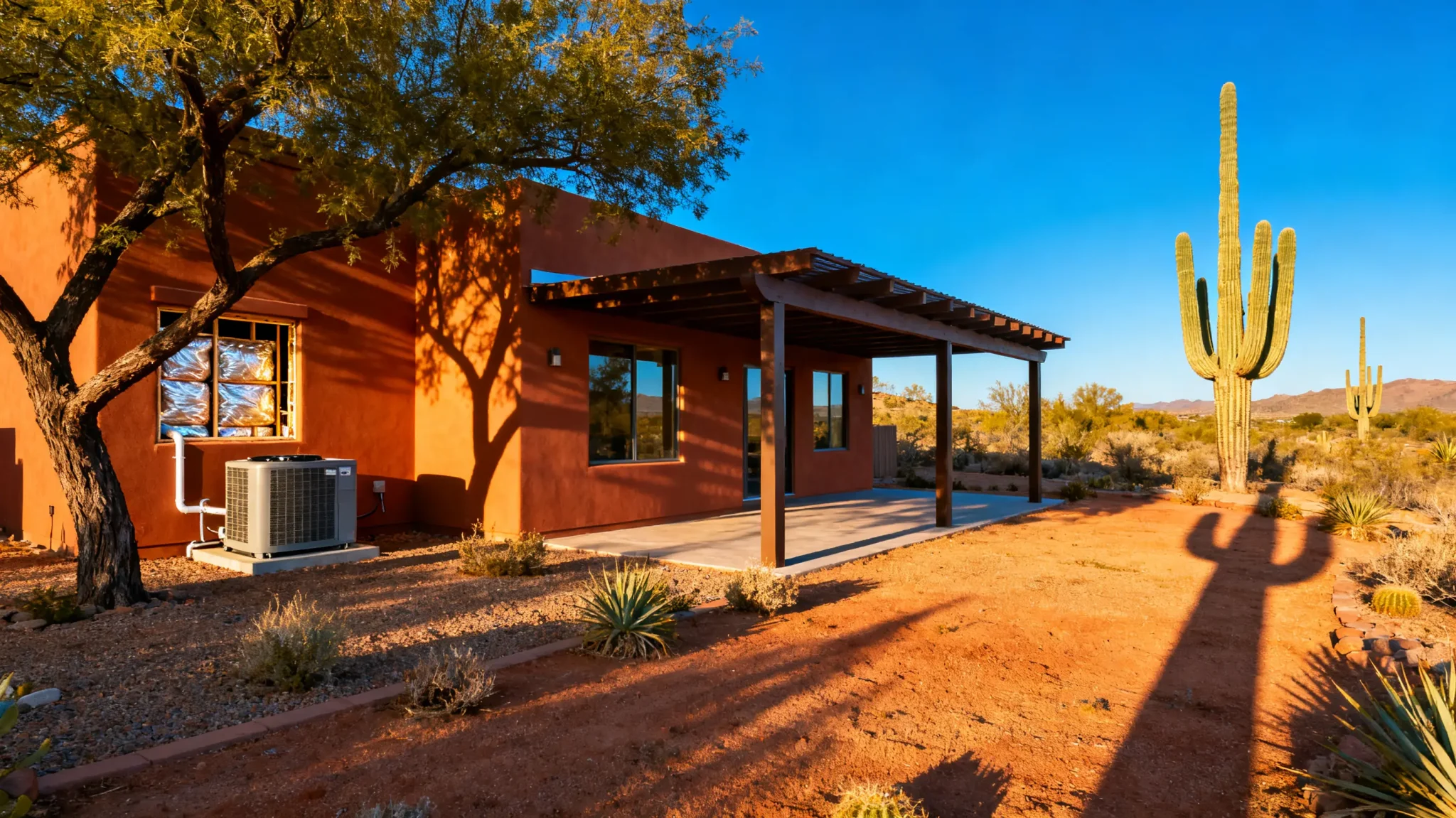
Insulation is one of the most impactful improvements you can make. The attic is the most critical area, since radiant heat from a sun-baked roof transfers directly into living spaces when insulation is thin or degraded. Walls and crawl spaces deserve attention too, especially in older homes where original insulation has settled or been disturbed over the years.
According to EPA estimates, homeowners can save an average of 15% on heating and cooling costs by air sealing their homes and adding insulation in attics, floors over crawl spaces, and accessible basement rim joists. In a climate where cooling runs eight or nine months a year, that reduction adds up fast.
Key Areas to Insulate
- Attic floor: The single biggest source of heat gain in most homes
- Exterior walls: Especially important in homes built before the 1990s
- Crawl spaces: Often overlooked, but a real source of energy loss
- Around ductwork: Leaky ducts in unconditioned spaces waste significant cooling capacity
Radiant Barriers
Beyond standard insulation, radiant barriers installed under the roof deck reflect heat away before it enters the attic space. This is a particularly effective upgrade in the desert climate, where radiant heat load stays high even at night.
Refresh High-Use Living Spaces Without Major Reconstruction
Not every renovation needs to involve demolition. Kitchens, in particular, can be transformed without tearing out every surface. Countertops, hardware, lighting, and cabinetry finishes all shape how a space looks and feels, and most of them can be updated without a full gut renovation. Small changes, big difference.
For homeowners looking to modernize their kitchen on a reasonable budget, cabinet refinishing is one approach that updates the appearance of existing cabinetry without the cost or material waste of full replacement. Refinishing keeps usable structures in place, reduces the amount of material headed to a landfill, and fits naturally into a renovation plan that values both budget discipline and sustainability.
Upgrade Your HVAC System for Greater Efficiency
In Arizona, the HVAC system is not optional equipment. It’s the core of home comfort, and an aging unit forces every other upgrade to work harder. If a system is more than 12 to 15 years old, replacement is often more cost-effective than continued repairs, especially given how much modern units have improved in efficiency ratings.
Smart thermostats let homeowners set temperature schedules that match actual occupancy patterns, which prevents the system from cooling an empty house as aggressively as an occupied one.
Zoning systems take that further, allowing different areas of the home to be conditioned independently. And regular maintenance, including filter changes and annual professional service, keeps any system running at its rated efficiency rather than declining gradually without anyone noticing.
Enhance Outdoor Spaces to Reduce Heat Exposure
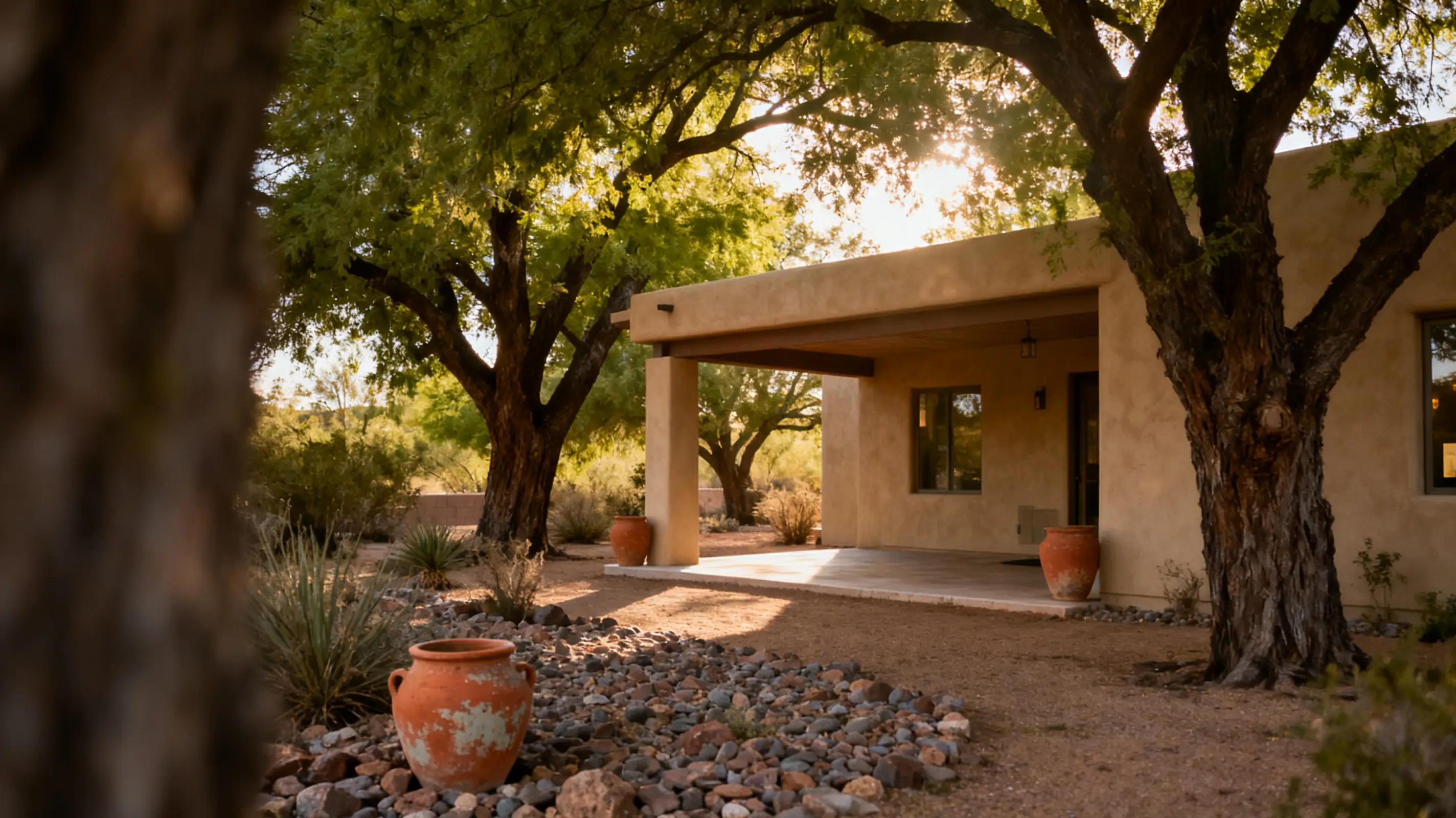
The outdoor environment around an Arizona home directly affects how hard the interior has to work. Hardscape surfaces like concrete and asphalt absorb heat during the day and release it overnight, keeping ambient temperatures elevated long after the sun goes down. Replacing some of that hardscape with drought-tolerant ground cover or decomposed granite reduces the heat island effect around the house.
Shade trees on the west and southwest sides block afternoon sun, which is the most intense and does the most damage to cooling loads. Covered patios and pergolas serve a dual purpose: they make outdoor spaces usable during hot months and reduce direct solar exposure on exterior walls and windows.
Thoughtful landscaping is one of the few renovations that improves both the outdoor experience and indoor energy performance at the same time.
Incorporate Water-Saving Features During Renovations
Water conservation is a practical concern for every homeowner, not just an environmental talking point. The state draws heavily on the Colorado River and groundwater sources, and long-term supply pressures make efficiency a smart bet regardless of current pricing.
Low-flow showerheads and faucet aerators cut water use without any noticeable change in performance. Efficient irrigation systems with soil moisture sensors or weather-based controllers prevent overwatering, which is the single biggest source of residential water waste in the region. When a renovation already has contractors on site, adding these upgrades is far cheaper than scheduling a separate project later.
Plan Renovations With Long-Term Value in Mind
The upfront cost of any renovation is only part of the picture. Energy-efficient upgrades reduce monthly operating costs, and those savings accumulate over the years a homeowner stays in the property. Many homeowners who have completed efficiency-focused upgrades have seen their utility bills drop by up to 35% and experienced a dramatic improvement in comfort. That kind of return changes the math on projects that might initially seem expensive.
Buyers in the Arizona market increasingly factor energy performance into their purchasing decisions, which means efficiency upgrades support resale value too. Prioritizing projects with the longest useful life and the highest operating savings, such as insulation, windows, and HVAC, tends to deliver more lasting benefit than purely cosmetic changes.
Final Words
Renovating a home for comfort and efficiency isn’t a single project. It’s a series of connected decisions, each one building on the last. Even modest improvements to insulation, windows, or appliances shift the baseline in a meaningful way.
Start with a clear picture of where the home is losing energy, then work through upgrades in an order that reflects both impact and budget. A renovation plan built around Arizona’s specific climate, rather than generic advice, is the one most likely to deliver results that last.