Why Black Mould Keeps Coming Back in Ordinary Homes
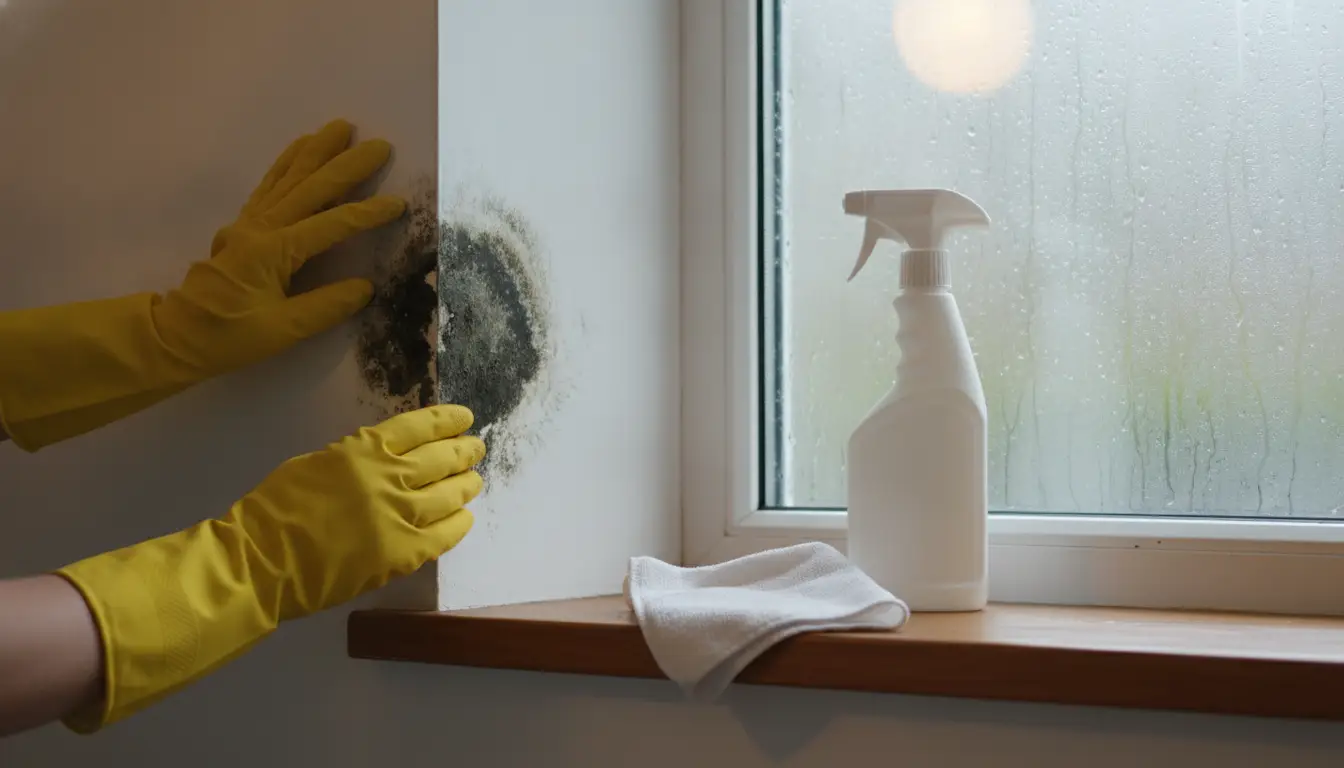
Black mould rarely shows up “out of nowhere”. It usually arrives on the back of something else you can’t quite see at first, like steam from daily showers, a slow leak behind a cabinet, or condensation collecting on a cold outside wall. If you’ve ever wiped a window in winter and noticed the cloth come away damp, you’ve seen the same moisture that can feed mould on nearby paint, silicone, grout, and even the back of wardrobes.
Bathrooms and kitchens are the obvious hotspots, but bedrooms can be sneaky troublemakers too, especially when furniture is pushed tight against a chilly wall or the room is kept closed up overnight. Add a little dust, soap scum, or cooking grease, and you’ve got a perfect “buffet” for spores. The key is to treat mould as a moisture problem first, and a cleaning problem second, otherwise it often returns within weeks.
First Steps: Make the Area Safer and Set Yourself Up to Succeed
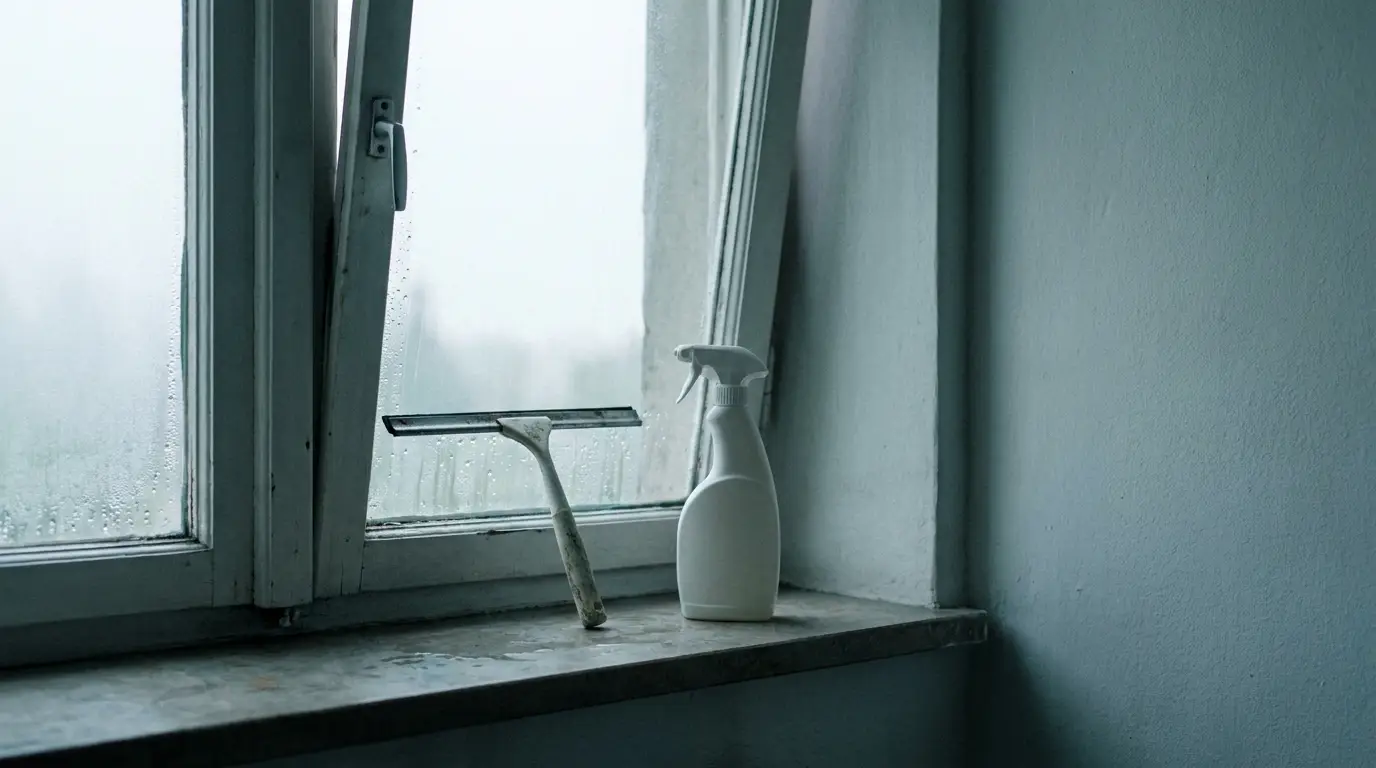
Before you start scrubbing, take a minute to reduce the chance of spreading spores. Open a window, run an extractor fan if you have one, and keep the door closed so air movement doesn’t carry spores into the rest of the home. If the patch is large, keeps expanding, or you suspect a hidden leak, it’s worth pausing to investigate the source rather than repeatedly cleaning the surface.
It also helps to adjust your technique: vigorous dry brushing can puff spores into the air, and overly wet wiping can spread staining across porous paint. Aim for controlled cleaning, rinse tools often, and dry the surface thoroughly at the end. This is also a good moment to check the “why” behind the mould: cracked sealant, missing grout, a cold bridge on an external wall, or a blocked vent can make even the best cleaning routine feel like a losing battle.
If you want a practical, step-by-step overview that covers both removal and prevention, this guide on how to get rid of black mold lays out a clear route from diagnosis to cleanup.
DIY Cleaning Options: What Works, What Disappoints, and What to Avoid
Warm Soapy Water for Light Surface Growth
If the mould is new and superficial, warm water with a small amount of detergent can lift grime and reduce staining. This is most useful on non-porous surfaces such as tiles, sealed countertops, or finished metal. The downside is that it may not reach roots embedded in porous paint, grout, or silicone, so it can look better today and reappear after the next humid week.
White Vinegar for Early-Stage Patches on Hard Surfaces
Cleaning vinegar is a popular home option because it’s accessible and cuts through mineral residue. Used carefully, it can help on tile, glass, and some plastics. Avoid using it on natural stone like marble or limestone, since acids can etch the surface and leave permanent dull spots that look like watermarks.
Baking Soda as a Gentle Abrasive
Baking soda can help lift staining where a soft abrasive is useful, such as textured tile or certain grout lines. It is less helpful where mould has penetrated sealant, wallpaper, or plaster. If you use it, scrub lightly and rinse well so residue does not linger and attract dirt.
Bleach: Powerful on Stains, Limited on Porous Materials
Bleach can whiten visible mould staining, particularly on non-porous surfaces. The catch is that bleach is mostly water, and on porous materials it may not penetrate deeply enough to kill embedded growth. It can also irritate airways, damage fabrics, and discolour painted finishes. Never mix bleach with vinegar or ammonia, as that can create hazardous fumes.
Ammonia: Not a Casual Choice
Ammonia is sometimes mentioned for mould, but it demands strict care and good ventilation. It should never be mixed with bleach, and it is not suitable for porous surfaces that can trap residues. For most households, it’s usually better to focus on safer methods, targeted products designed for mould, and fixing the moisture source.
Where Black Mould Hides, and How to Clean Each Spot Without Damaging It
Bathroom Silicone and Shower Seals
Silicone is notorious because mould can embed and stain it from within. If cleaning improves the surface but dark specks remain “inside” the sealant, you may be looking at replacement rather than removal. Treat it as a maintenance decision: new sealant plus better drying habits often beats endless scrubbing.
Grout Lines That Stay Damp
Grout can hold moisture, especially if it is cracked or unsealed. After cleaning, focus on drying: squeegee tiles after showers, leave the door ajar, and run extraction long enough that the room feels genuinely dry. If grout keeps darkening, check whether water is getting behind tiles, which can turn a cosmetic issue into a bigger repair.
Painted Walls and Ceilings
Painted surfaces can be tricky because aggressive scrubbing can remove paint and spread staining. Use a controlled wipe, avoid soaking the area, and dry it well. If mould returns in the same place, look for condensation patterns. A classic example is a bedroom corner that feels cooler to the touch than the rest of the wall, where warm indoor air meets a cold surface and drops its moisture.
Behind Furniture, Wardrobes, and Curtains
If you find mould behind a wardrobe, it’s often a ventilation and temperature problem rather than a single spill. Pull furniture a few centimetres away from external walls, avoid packing items tightly to the back, and consider how the room is heated. Even small changes, like letting air circulate and keeping the space consistently warm, can reduce condensation that feeds mould.
Prevention That Actually Fits Real Life
Ventilation That Goes Beyond “Open a Window”
Opening a window helps, but the real win is regular air exchange during moisture-heavy moments. Run extractor fans during showers and cooking, and keep them going long enough to clear lingering steam. If a fan is noisy or weak, people tend to switch it off early, so maintenance matters more than you’d think.
Drying Habits That Take Under Two Minutes
Small routines have a big effect. Squeegee the shower screen, wipe puddles on windowsills, and hang towels so they dry quickly rather than staying bunched and damp. These aren’t glamorous tasks, but they stop moisture from settling into corners where mould loves to start.
Spot the “Quiet” Moisture Sources
Sometimes the culprit is subtle: a slow pipe seep under the sink, a cracked tile letting water creep into a wall, or a tumble dryer venting indoors. If mould keeps returning despite cleaning, treat that as a clue. The best mould prevention is not a stronger scrub, it’s removing the steady supply of dampness that allows spores to take hold.