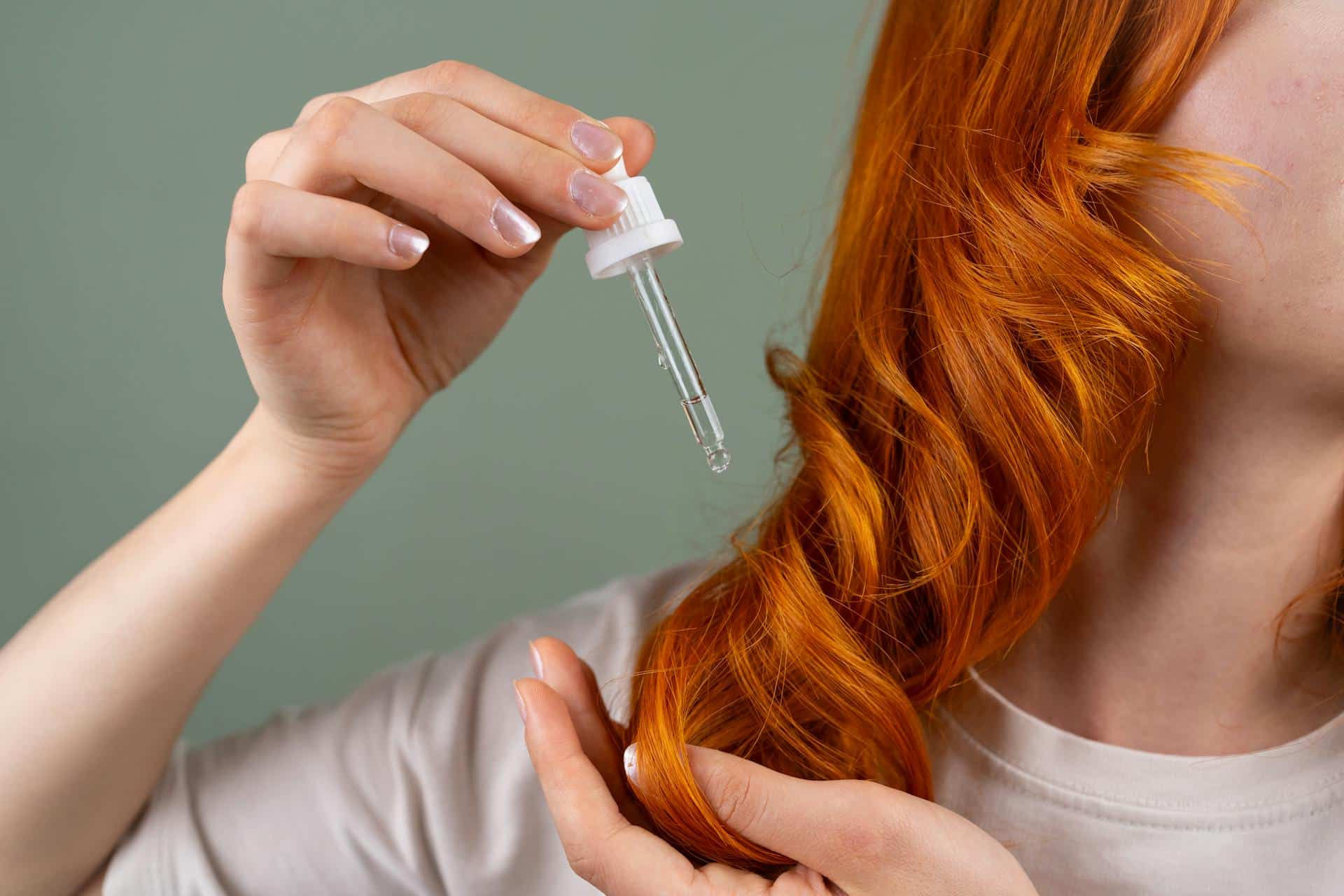
Hyaluronic acid loves moisture, but not every hydrating ingredient behaves the same in every climate.
If you’ve seen hyaluronic acid in skincare and wondered whether hyaluronic acid is good for hair, you’re not alone.
Many hair routines now include it because what hyaluronic acid does for hair is simple: it acts like a moisture magnet, helping hair feel softer, smoother, and less frizzy when used correctly.
The key is applying it to damp hair and sealing it with conditioner, cream, styling product, or a light oil. Your results depend on porosity, humidity, and formula, so smart layering matters.
What Does Hyaluronic Acid Do for Hair?
So, what does hyaluronic acid do for hair in real life? Hyaluronic acid is a humectant, meaning it attracts and binds water.
Your body naturally contains HA in skin, joints, and eyes, where it helps maintain moisture.
In haircare, HA supports hydration and improves the feel of hair, often making strands feel smoother, less rough, and more manageable.
It’s beneficial for hair that dries out easily, since moisture balance affects shine, smoothness, and frizz control.
On labels, it may appear as “hyaluronic acid,” “sodium hyaluronate,” or “hyaluronate,” and works best when paired with sealing conditioners or stylers.
Benefits of Hyaluronic Acid for Hair
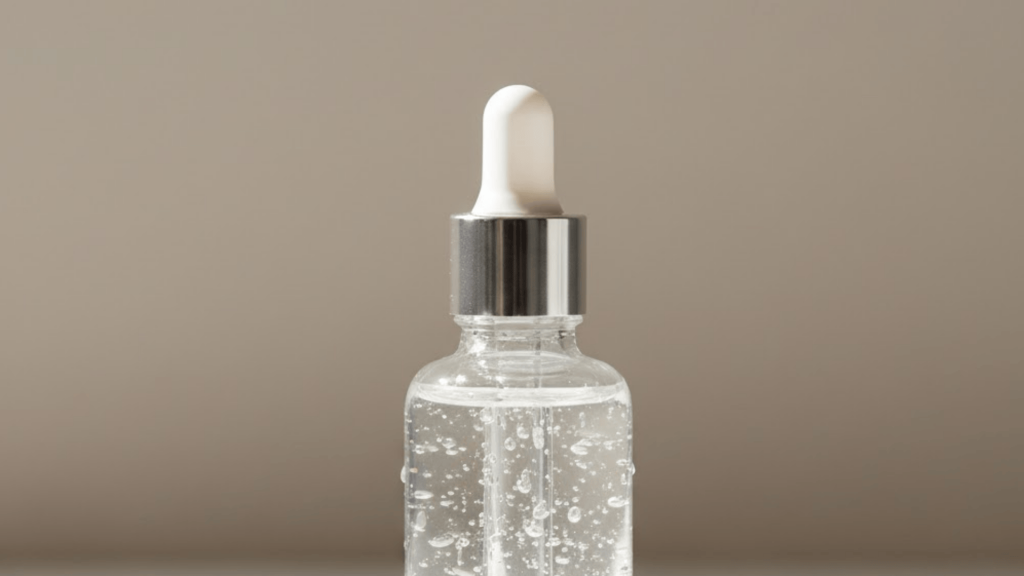
Hyaluronic acid supports moisture balance and smoother texture, making it helpful for hair dealing with dryness and frizz across all types.
1. Hydration and Softness
HA draws water toward the hair, helping reduce dry, rough texture and improving softness.
For hair that loses moisture quickly (whether straight, wavy, or textured), this added hydration can enhance slip, make detangling easier, and leave strands smoother and less brittle.
2. Frizz Control
When used on damp hair and sealed with conditioner, cream, or styling product, HA can help hair look smoother and less frizzy.
It supports hydration that smooths the cuticle, improving manageability and reducing flyaways in many routines.
3. Improved Shape and Manageability
Well-hydrated hair tends to hold its style better and appear healthier.
HA can support this by improving moisture balance, which may help hair look bouncier, shinier, and more polished, especially when dehydration causes dullness or unruliness.
For straight hair, it adds sleek shine; for wavy or textured hair, it enhances natural movement.
4. Scalp Comfort
HA may ease a tight, dry scalp feeling by supporting hydration at the scalp surface.
A more comfortable scalp can reduce the urge to scratch and may help your routine feel calmer, especially with gentle cleansing and soothing formulas.
Reality check: There’s limited direct research on HA specifically for hair, but it’s widely used for its humectant behavior and cosmetic benefits. The results you see will depend on your hair type, the product formula, and your climate.
Hair Type Considerations
HA can work for all hair types and textures, but porosity, strand thickness, and weather decide whether it shines.
- Straight or fine hair: Benefits from lightweight hydration that adds shine and volume without weighing it down; ideal for sleek, polished looks.
- Wavy, curly, or coily hair (2A–4C): Often benefits greatly since textured hair can dry out faster; it helps with bounce and smoothness.
- High porosity hair: Typically responds well to humectants; follow with a sealing layer to help retain moisture.
- Low porosity or fine hair: Use smaller amounts and lighter textures to avoid limpness or buildup.
- High humidity: Humectants can sometimes increase frizz without a sealing/hold layer like cream or styling product.
- Dehydrated air: HA may feel less effective unless you seal properly with conditioner, cream, or oil.
Match HA to your porosity and climate, then adjust layering to keep hair hydrated without sacrificing volume or style.
How to Use Hyaluronic Acid for Hair
HA works best as a hydration step, not a finishing step. Use it on damp hair and seal after.
- Start with damp hair: Apply after washing or mist hair lightly for a refreshed look.
- Apply HA product: Use a spray, serum, or leave-in with HA; start small to avoid tackiness.
- Seal it in: Follow with conditioner, styling cream, gel, or a light oil on ends to lock moisture and reduce frizz.
- Style as usual: Finish with your preferred hold product to maintain shape and protect against humidity.
If hair feels sticky or heavy, reduce the amount or switch to a lighter HA spray formula.
Where HA Fits in Your Routine and How Often to Use
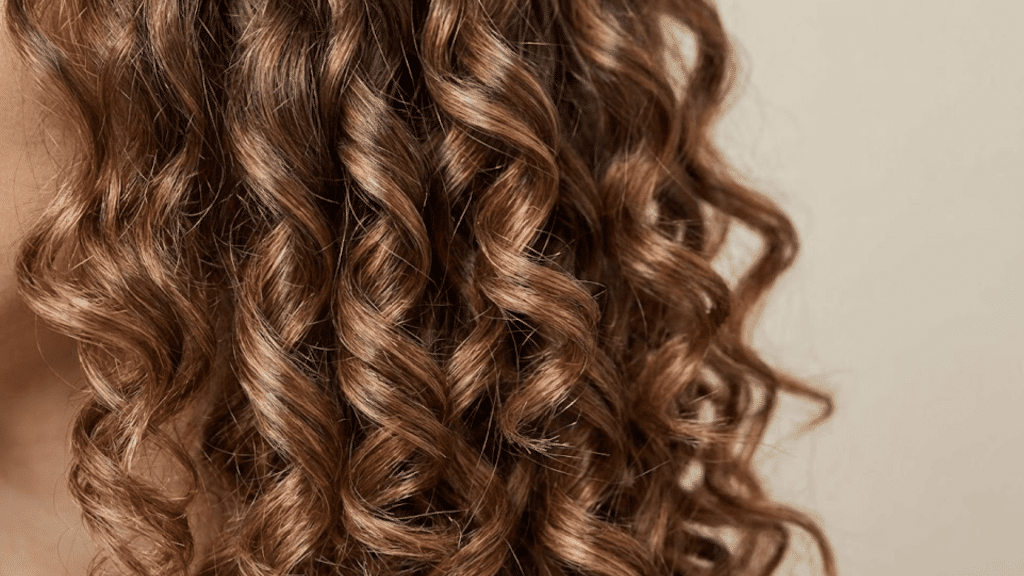
HA fits best right after cleansing and conditioning, either as a leave-in step before styling or as part of a hydrating conditioner or mask.
On wash days, apply an HA leave-in to damp hair, then layer styling products for smoothness and frizz control.
Between washes, an HA mist can refresh hair when followed by a small amount of cream or oil to reshape and hold.
Start using HA 2–3 times per week, then adjust: increase if hair still feels dry, or reduce if it becomes limp, coated, or loses volume.
Best Hyaluronic Acid Products for Curly Hair
If you’re wondering why hyaluronic acid is good for hair in product form, choose formulas that combine HA with conditioners and frizz-control support.
- The INKEY List Hyaluronic Acid Hydrating Hair Treatment
- The Ordinary Natural Moisturizing Factors for Scalp
- Garnier Fructis Hair Filler Moisture Repair Serum
- Curlsmith Hydro Style Flexi Jelly
- The Ordinary Hyaluronic Acid 2% + B5
Look for HA paired with fatty alcohols, ceramides, oils/butters, and film-formers for frizz control. Avoid overly humectant-heavy formulas if humidity frizz is your primary concern.
Potential Side Effects of Hyaluronic Acid for Hair
Hyaluronic acid is usually well-tolerated, but the wrong formula or technique can lead to texture issues, buildup, or frizz.
Using too much, or choosing a product with a heavy base, may leave hair feeling sticky or coated, especially on fine or low-porosity strands.
Limp hair or reduced volume can also happen, so clarifying occasionally and switching to a lighter spray or leave-in can help.
In high humidity, HA may worsen frizz if it isn’t balanced with sealing products or strong hold. Fragrance, alcohol, or preservatives, rather than HA itself, more often trigger scalp sensitivity.
Final Thoughts
So, is hyaluronic acid good for hair, no matter your type? For many people, yes.
What hyaluronic acid does for hair is support hydration and smoother texture, which can help minimize dryness and frizz when it’s layered the right way.
The key is using it intentionally: apply on damp hair, seal with a conditioner or styling product (and add hold if needed), then adjust based on your hair type, porosity, and local climate.
When used strategically, HA can help hair look softer, shinier, and more manageable without overcomplicating your routine.
If your hair often feels dry or dull, try incorporating HA and track how it responds. Minor adjustments can lead to noticeable improvements.
Frequently Asked Questions
Can Hyaluronic Acid Help With Heat-Damaged Hair?
It boosts moisture feel, but cannot repair damage; use with bond builders.
Should I Use Hyaluronic Acid Before Or After Hair Oil?
Apply HA first on damp hair, then oil to seal moisture in.
What Ingredients Pair Best With Hyaluronic Acid?
Ceramides, panthenol, fatty alcohols, and styling products help seal and smooth.
Can Hyaluronic Acid Work On Protective Styles Or Braids?
Yes, use a light mist on scalp and lengths, then seal gently.