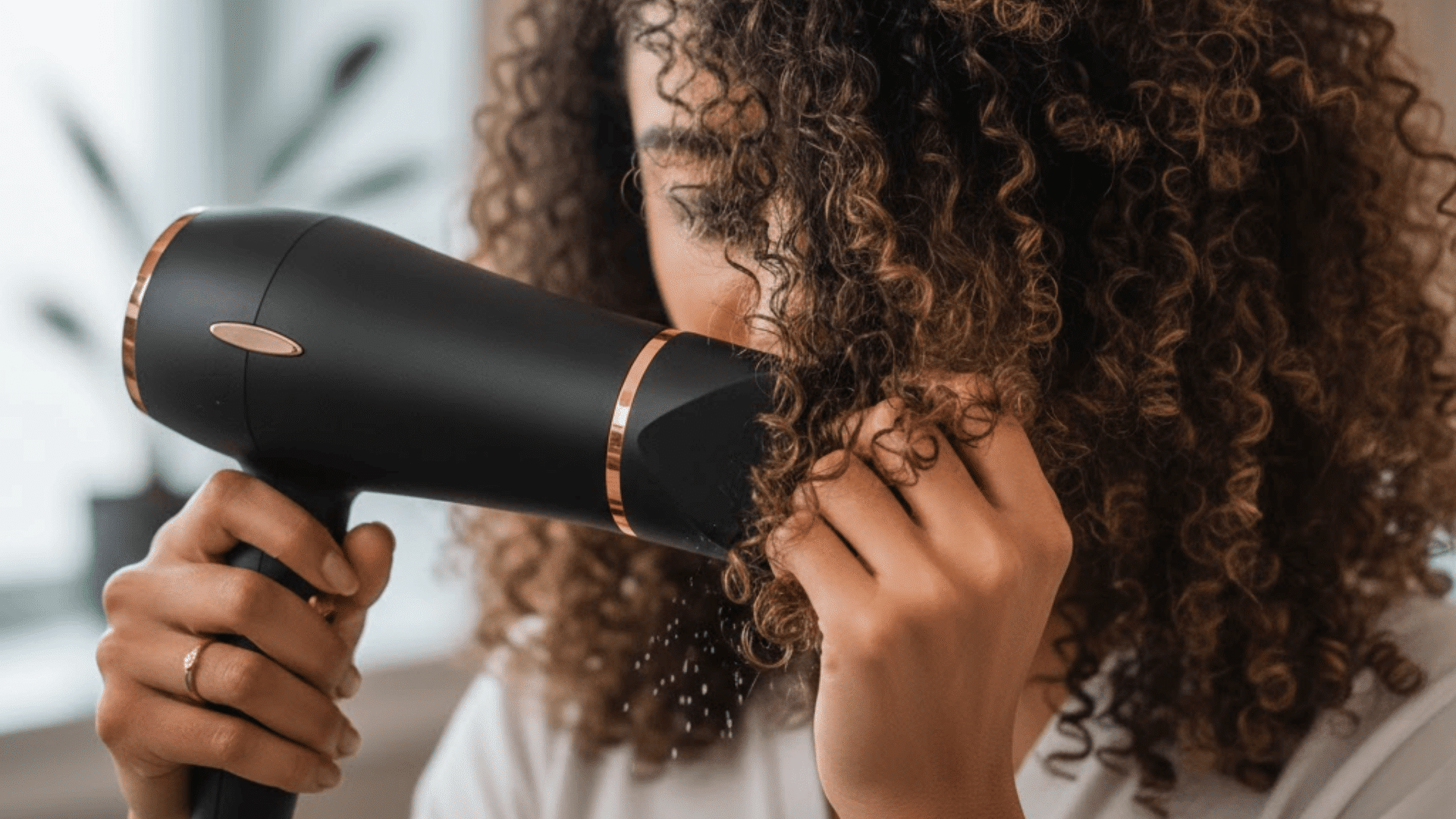
For decades, skincare efficiency was measured by texture and fragrance. A cream that felt luxurious or smelled of lavender was presumed effective. We judged products by immediate sensory gratification. Meanwhile, the true work lay invisible, deep within the epidermis, where cells communicate, regenerate, and defend. This disconnect between sensation and science is finally collapsing, as we enter the era of molecular beauty, where understanding skin barrier function and cellular regeneration is no longer academic trivia but the foundation of visible, lasting results.
The Myth of the Surface
The most persistent misconception in skincare is that the stratum corneum is a passive shield. In reality, it is a dynamic, intelligent interface. The skin barrier function is not merely about “holding moisture in”. It is a sophisticated system of lipid bilayers, enzymes, and antimicrobial peptides that actively manages what enters and what remains outside.
When this barrier is compromised, whether by environmental stress or biological aging, the consequences are not superficial. Inflammation cascades are triggered, collagen degradation accelerates, and repair mechanisms are overwhelmed. Applying rich creams to a broken barrier without understanding the biology is inefficient. The aesthetic result is temporary, while the structural problem remains.
Active Ingredients: From Molecules to Mechanisms
The modern skincare cabinet is a pharmacy of active ingredients. Retinoids, peptides, niacinamide, antioxidants – each is a bioactive compound designed to interact with specific cellular targets. Yet the gap between “what it contains” and “what it does” remains vast for most consumers.
Consider retinoids. To the naked eye, they reduce wrinkles. At the molecular level, they bind to retinoic acid receptors in the nucleus of keratinocytes and fibroblasts, modulating gene expression. They downregulate matrix metalloproteinases (enzymes that chew collagen) and upregulate collagen synthesis.
Understanding this mechanism transforms compliance. The patient who knows their retinoid is reprogramming fibroblast behavior tolerates the initial retinization phase with patience, not panic.
The Visual Breakthrough: Seeing is Believing
This is where the beauty industry has historically failed. We have asked consumers to trust complex molecular science based on text on a box. The leap from “peptides stimulate collagen” to visualizing a fibroblast actually spinning a new collagen fibril is immense. Without that bridge, belief remains fragile.
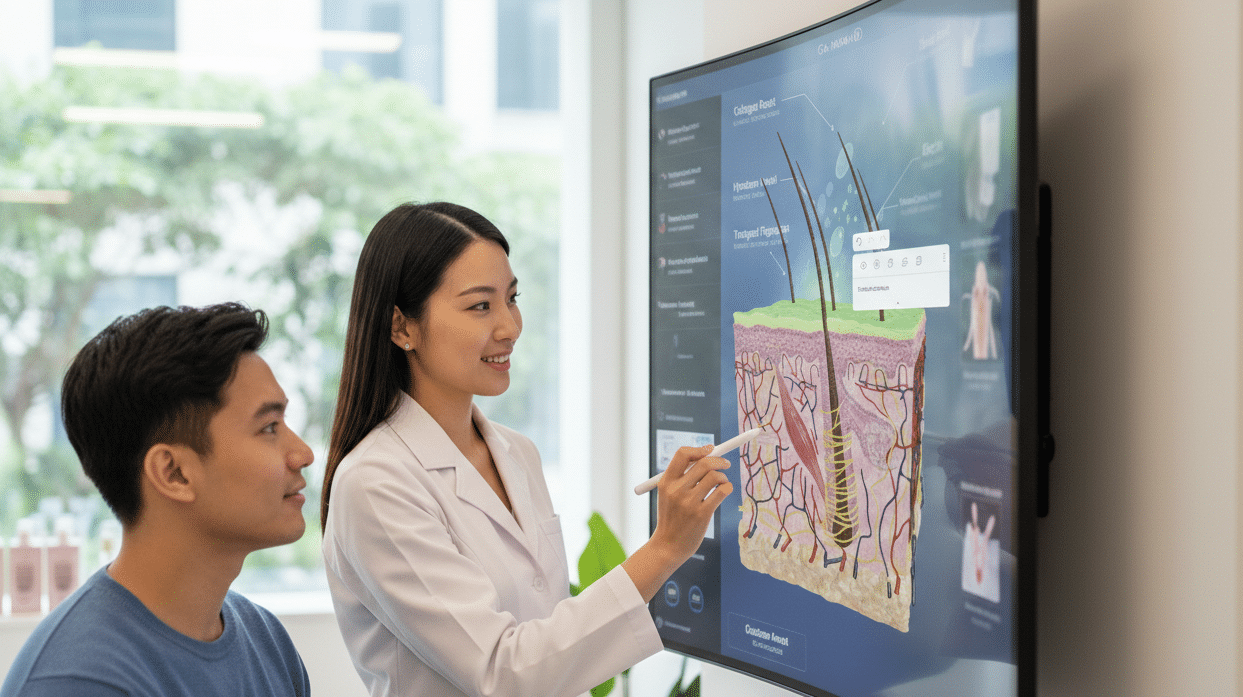
Source: Voka.io
Advanced visual skincare guide tools, such as those developed by VOKA, are dismantling this barrier. Their skincare and cosmetology animations translate the invisible choreography of skin biology into high-definition visual narratives.
The viewer is not told that microneedling works; they are taken beneath the surface to watch the controlled micro-injury trigger platelet activation, growth factor release, and subsequent neocollagenesis.
When a patient can visualize their own cellular regeneration process, adherence skyrockets. Fear of lasers dissipates when the animation shows selective photothermolysis: the laser wavelength targeting melanin or hemoglobin while leaving surrounding tissue unharmed. Confidence is built on comprehension.
Biological Aging: Rewriting the Narrative
Source: Voka.io
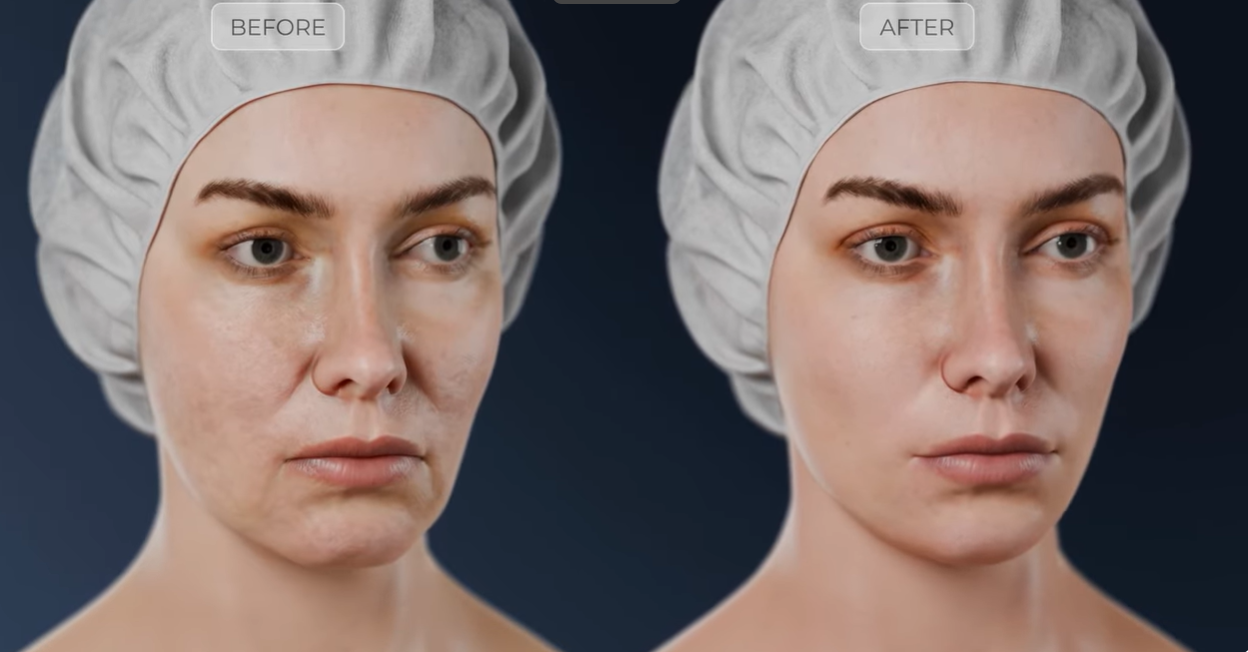
Biological aging of the skin is often framed as a tragic decline. This fatalistic view is scientifically inaccurate and therapeutically unhelpful. Aging is not a random breakdown; it is a pattern of specific, modifiable cellular events: telomere shortening, mitochondrial dysfunction, decreased autophagy, and accumulation of senescent cells.
Each of these pathways is a target. Senolytics clear zombie cells. NAD+ precursors recharge mitochondrial energy. Specific peptides signal fibroblast activity. The difference between generic “anti-aging” and precision geroprotection lies entirely in understanding which mechanism is being addressed.
Brands and clinicians who utilize MoA animation remain at the vanguard of this shift. They illustrate not just that a product works, but how it intervenes in the aging cascade. This transparency separates science-led innovation from anecdotal efficacy.
Cellular Regeneration: The Engine of Repair
At the heart of all visible improvement lies cellular regeneration. The epidermis renews itself approximately every 28 days in youth, a cycle that slows with age and cumulative damage. Every active ingredient, every laser pulse, every microneedling stamp ultimately aims to reboot this regenerative engine.
Stem cells in the basal layer divide. Keratinocytes migrate upward, differentiating, flattening, and eventually sloughing off. This constant renewal maintains barrier integrity and optical clarity. When regeneration stutters, the skin looks dull, heals slowly, and loses resilience.
Visualizing this process is revelatory. Watching progenitor cells divide, watching lipid lamellae assemble between corneocytes, watching desmosomes release their grip to allow shedding – this is the grammar of skin health. Without it, skincare advice is just vocabulary without syntax.
Results Through Knowledge
The measurable outcomes of Molecular Beauty are not just fewer wrinkles or reduced redness. They are:
- Reduced trial and error. Consumers select ingredients based on biological need, not advertising claims.
- Enhanced compliance. Understanding mechanisms increases patience and consistency.
- Demystified procedures. Animated preoperative education lowers anxiety and improves informed consent.
Conclusion: Beauty as Biology
The most effective skincare product is not a serum or a device. It is knowledge. Molecular Beauty does not ask consumers to become dermatologists. It asks them to become informed partners in their own skin health.
By leveraging advanced 3D visualization, the industry can finally bridge the chasm between the molecular and the visible. When a woman understands why her ceramide cream restores her skin barrier function, when a man visualizes how his retinoid signals cellular regeneration, the relationship with skincare transforms. It is no longer about hope in a jar. It is about biology in action. And that is the only beauty secret worth knowing.