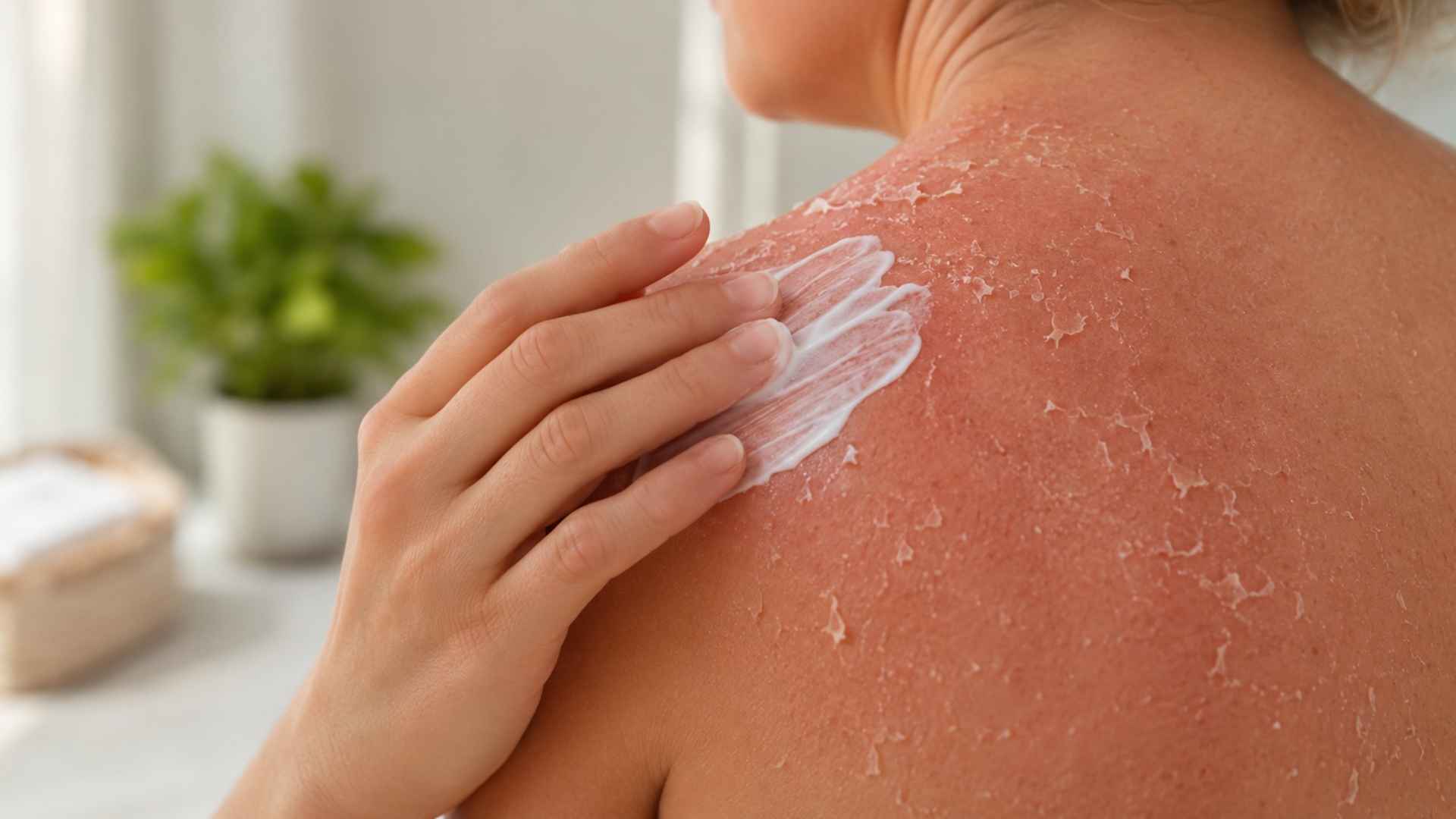
No. Peeling sunburned skin on purpose exposes tender, unhealed skin underneath. That slows healing and raises your risk of infection. Let it come off naturally, and moisturize while you wait.
Why Does Skin Peel After a Sunburn?
Sun damage goes deeper than the redness you see. UV rays injure the skin cells underneath, and some of them get hurt badly enough that they can’t be repaired. Your body notices this and kicks into cleanup mode.
Peeling is that cleanup in action. Old, damaged cells lift away so fresh, healthy skin can take their place underneath.
Think of it like your skin hitting the reset button. It’s not random or gross; it’s your body doing exactly what it’s supposed to do after sun damage. The itching and flaking might feel annoying, but it means healing is already underway.
Can You Peel Sunburned Skin?
Straight up, no. Don’t peel it, don’t pick at it, don’t help it along in the shower. I know those loose edges look like they’re begging to be pulled. But that skin still has a job to do.
Even though it looks dead and useless, that top layer is protecting the raw, healing skin underneath.
Pull it off early, and you’re exposing skin that isn’t ready for the world yet. It’s more sensitive, more prone to infection, and it takes longer to heal than if you’d just left it alone.
Let it fall off on its own. It will. Your job right now is to help your skin heal, not to speed up the peeling.
What Happens If You Pick at Peeling Skin?
Picking at peeling skin feels satisfying in the moment, but your skin pays for it later. Here’s what actually happens underneath when you don’t let it heal naturally.
- Delayed healing: Removing skin early strips away the barrier protecting fresh tissue underneath, so the area takes longer to fully heal.
- Higher infection risk: Exposed, unhealed skin has no protection left, making it much easier for bacteria to get in and cause problems.
- Uneven skin tone: Forcing skin off before it’s ready can disrupt pigment underneath, sometimes leaving patchy or blotchy discoloration behind.
- Scarring risk: Repeated picking irritates the same spot over and over, which can lead to faint scarring that lingers long after the burn fades.
- More pain and sensitivity: The new skin underneath is thinner and more nerve-sensitive, so pulling it off too soon often makes things sting more, not less.
Think of it like ripping a scab off too soon. It might feel oddly satisfying, but you’re just reopening the wound and starting the healing clock all over again.
Is It Safe to Remove Dead Skin After a Sunburn?
Safety depends on how the skin comes off, not whether it comes off at all.
If a flake is already loose and falls away with a gentle pat or brush during your shower, that’s fine.
That skin has already done its job and was ready to go anyway; don’t be harsh, as it may lead to blisters. You’re not forcing anything; you’re just tidying up what your body already released.
Peeling on purpose is a different story. If you’re pulling, tugging, or working an edge with your fingernails, that skin isn’t ready.
You’re removing a layer that’s still protecting the healing skin underneath, and that’s where the risks come in: infection, slower healing, and irritation.
Simple rule of thumb: if it needs a tug, it’s not ready. Let your hands stay gentle, and let your skin set the pace.
Managing Pain and Swelling Early On
In the first day or two, pain and swelling are common. Over-the-counter anti-inflammatories like ibuprofen or aspirin can ease both by calming the inflammation behind the discomfort. Take them with food, follow label dosing, and check with a pharmacist if you’re on other medications.
5 Tips for Treating Peeling Skin from Sunburn
Once the peeling starts, your goal is simple: support your skin while it heals. These four habits make the process faster, calmer, and a lot less uncomfortable.
1. Moisturize With Thick Creams, Not Lotions
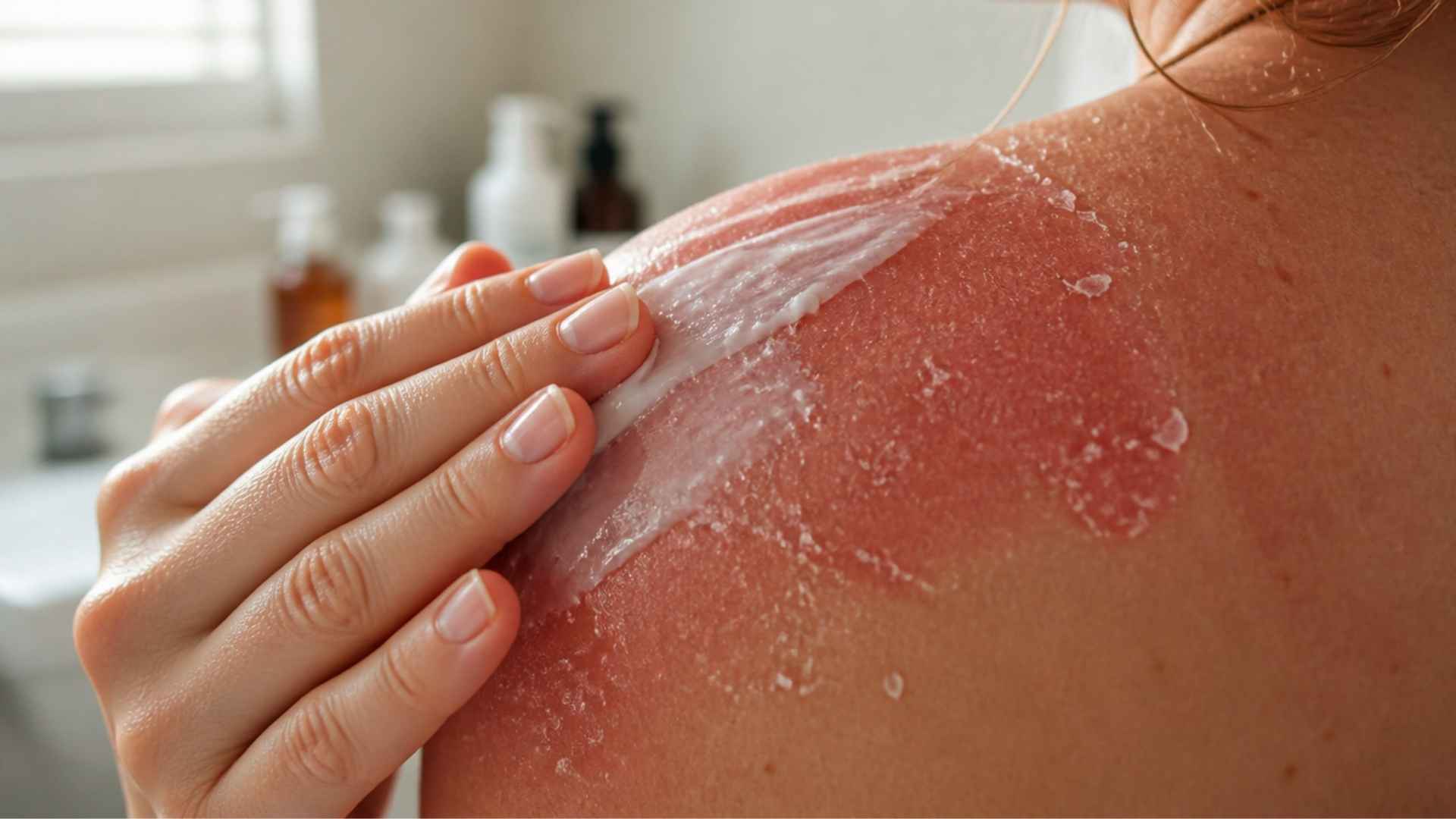
Skip watery lotions; they evaporate fast and leave skin drier than before. Go for a thick cream or ointment instead.
Look for ingredients like ceramides, which rebuild your skin barrier, aloe vera, which cools and soothes, and soy, known to support faster healing.
Apply gently, right after a shower while skin is slightly damp, so the moisture actually locks in instead of sitting on top.
2. Cool Compress or Cool Bath

Hot water might feel relaxing, but it irritates already sensitive skin and can make peeling worse. Stick to cool or lukewarm water instead. A cool compress for ten minutes calms redness and itching fast.
If you’re taking a bath, keep it short and skip harsh soaps. The goal is to soothe your skin, not strip it further while it’s trying to repair itself.
3. Hydration From the Inside
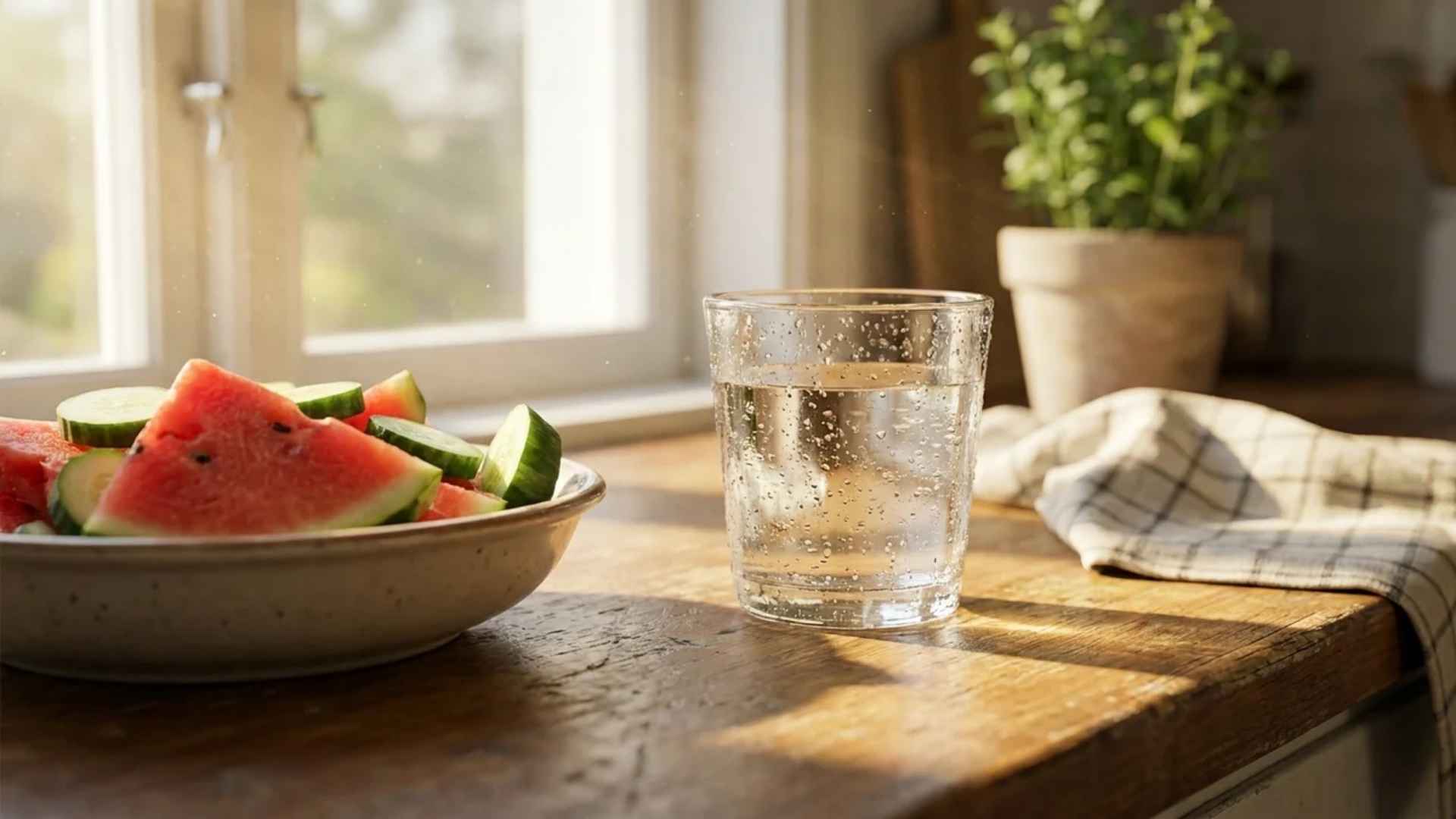
Healing skin needs water just as much as it needs cream. Sunburns pull moisture from your body, leaving skin dry and slow to recover. Drinking water throughout the day supports that repair process from within.
Pair it with water-rich foods like cucumber or watermelon for extra hydration. It’s a small habit, but it genuinely speeds up how your skin bounces back.
4. Loose, Breathable Clothing
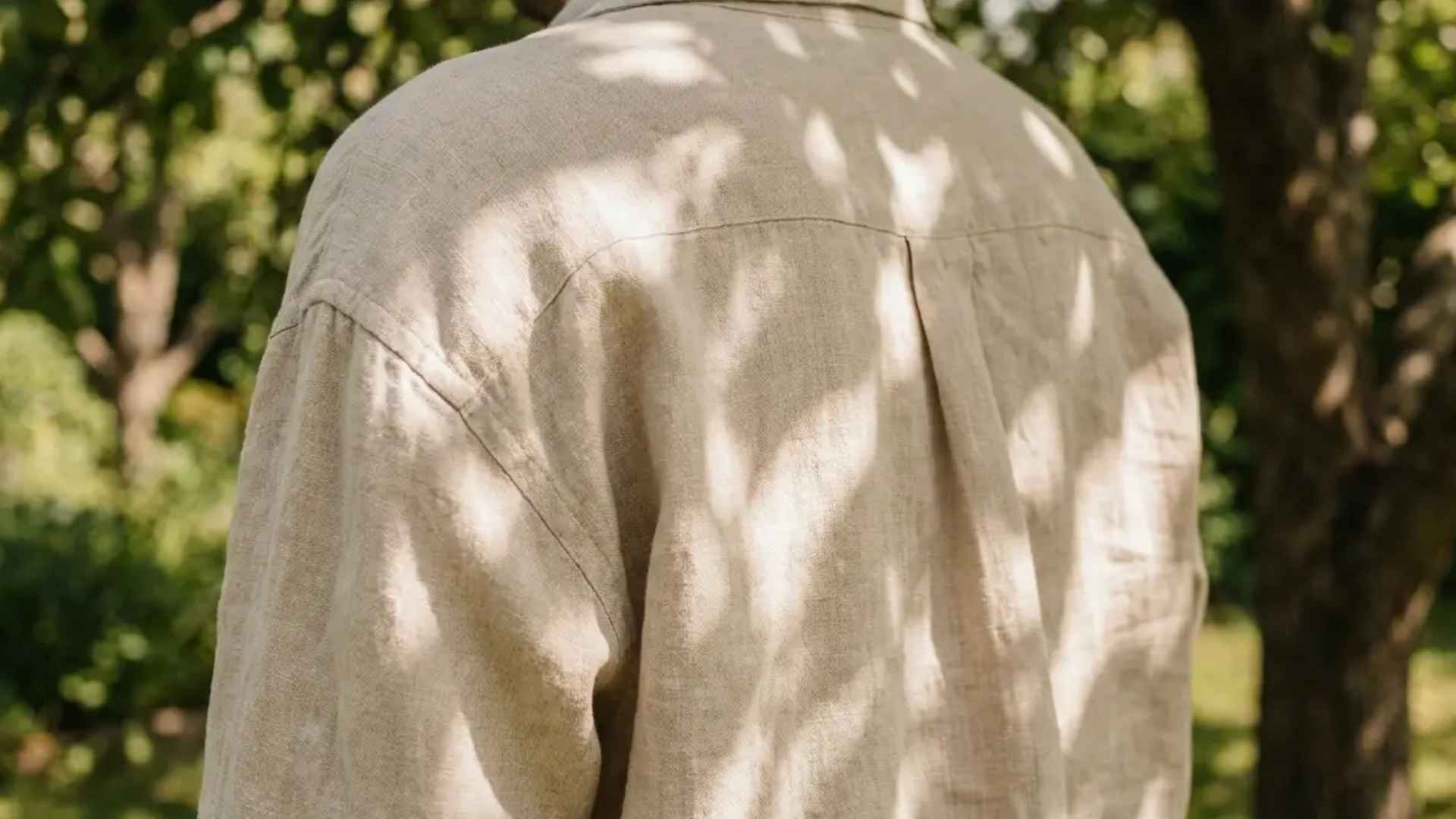
Tight clothes rub against peeling skin and may worsen the situation. Loose, breathable fabrics like cotton or linen let your skin breathe without added friction.
This small swap prevents unnecessary irritation and keeps you from accidentally picking at your skin through your clothes. Comfortable now means smoother healing later.
5. Skip Exfoliants and Harsh Scrubs
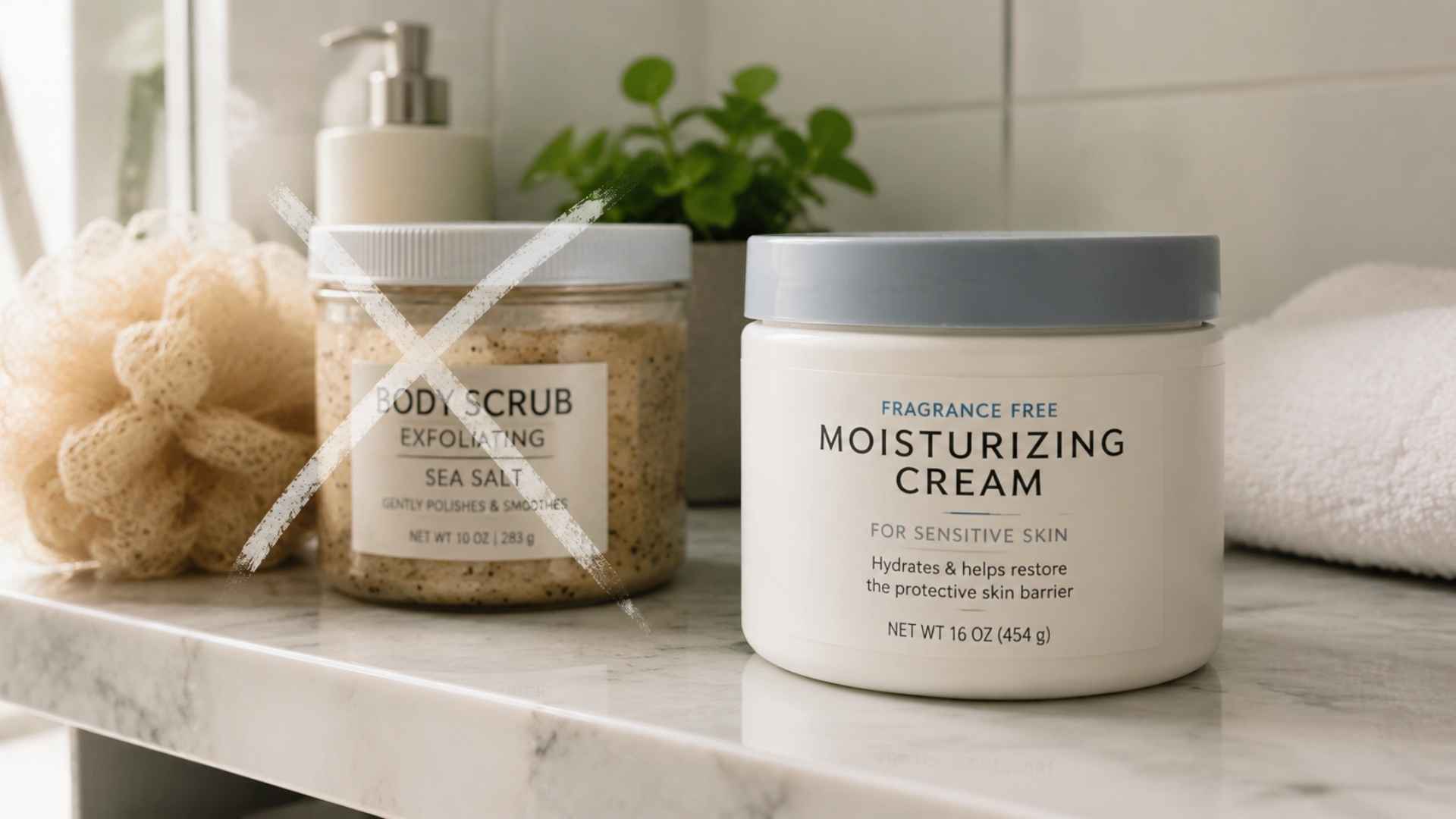
It’s tempting to scrub away the flaky bits, but exfoliants and loofahs speed up peeling in the worst way. They rip off skin that isn’t ready, leaving raw patches behind.
Even gentle body scrubs can irritate healing skin more than you’d expect. Stick to soft hands and a mild, fragrance-free cleanser until the peeling stops completely. Your skin will finish the job on its own timeline.
How Long Does Sunburn Peeling Last?
Mild to moderate sunburns usually peel for about a week. Peeling can drag on longer if you keep picking, skip moisturizer, or expose healing skin to heat and more sun.
Best Products to Soothe Peeling Sunburned Skin
You don’t need a ten-step routine here. Just three or four solid basics can carry your skin through the whole peeling phase.
1. Fragrance-Free Thick Moisturizer: Fragrance-free keeps irritation away from skin that’s already sensitive. Look for thick creams or ointments, not runny lotions.
Try: Cetaphil Moisturizing Cream | Vanicream Moisturizing Cream | Aquaphor Healing Ointment
Keep this on hand throughout the whole peeling phase. A simple, consistent moisturizer does more for healing than any fancy formula.
2. Aloe Vera Gel: Aloe cools on contact and helps calm redness and tightness. Keep it in the fridge for extra relief.
Try: Banana Boat Aloe After Sun Gel | Nature Republic Soothing & Moisture Aloe Vera Gel | Fruit of the Earth Aloe Vera Gel
Reach for aloe whenever your skin feels tight or itchy. It’s gentle enough to use several times a day without any irritation.
3. Hydrocortisone Cream for Itch: If the itching gets hard to ignore, a mild hydrocortisone cream can help. Use it short-term only, a few days at most, and stop once the itch settles.
Try: Aveeno 1% Hydrocortisone Anti-Itch Cream | Cortizone-10 Maximum Strength Cream | Cetaphil Pro Restoraderm Gentle Body Moisturizer
Note: These are pharmaceutical products. Availability and brand names may vary by country, so check with your local pharmacist for the equivalent option.
That’s really it. Moisturize, cool it down with aloe, and manage the itch if it flares up. No need to overload your skin with extras while it’s busy healing.
Wrap Up
I know the urge to pick is real; we’ve all been there. But your skin knows what it’s doing, even when it looks a little rough around the edges. Leave it alone, keep it moisturized, and let it set its own pace.
Suffering from a sunburn peeling right now? Save this page so you have it handy, and drop a comment if you’ve got questions. Your future sun-kissed self will thank you.
Frequently Asked Questions
Should I Pop Blisters from a Sunburn?
No, leave blisters alone. Popping them raises the risk of infection and slows healing. Let your body reabsorb the fluid naturally over time.
Why Does My Sunburn Peel in Patches Instead of All at Once?
Peeling follows damage, not a schedule. Areas with deeper sun exposure shed first, so patchy peeling is completely normal and expected.
Can Peeling Sunburned Skin Cause Scars?
Natural peeling rarely scars. Picking or forcing skin off early increases that risk, especially with repeated picking on the same spot.
Does Peeling Mean My Sunburn Is Healing?
Yes, exactly. Peeling means your body is clearing damaged cells to make room for fresh, healthy skin underneath.