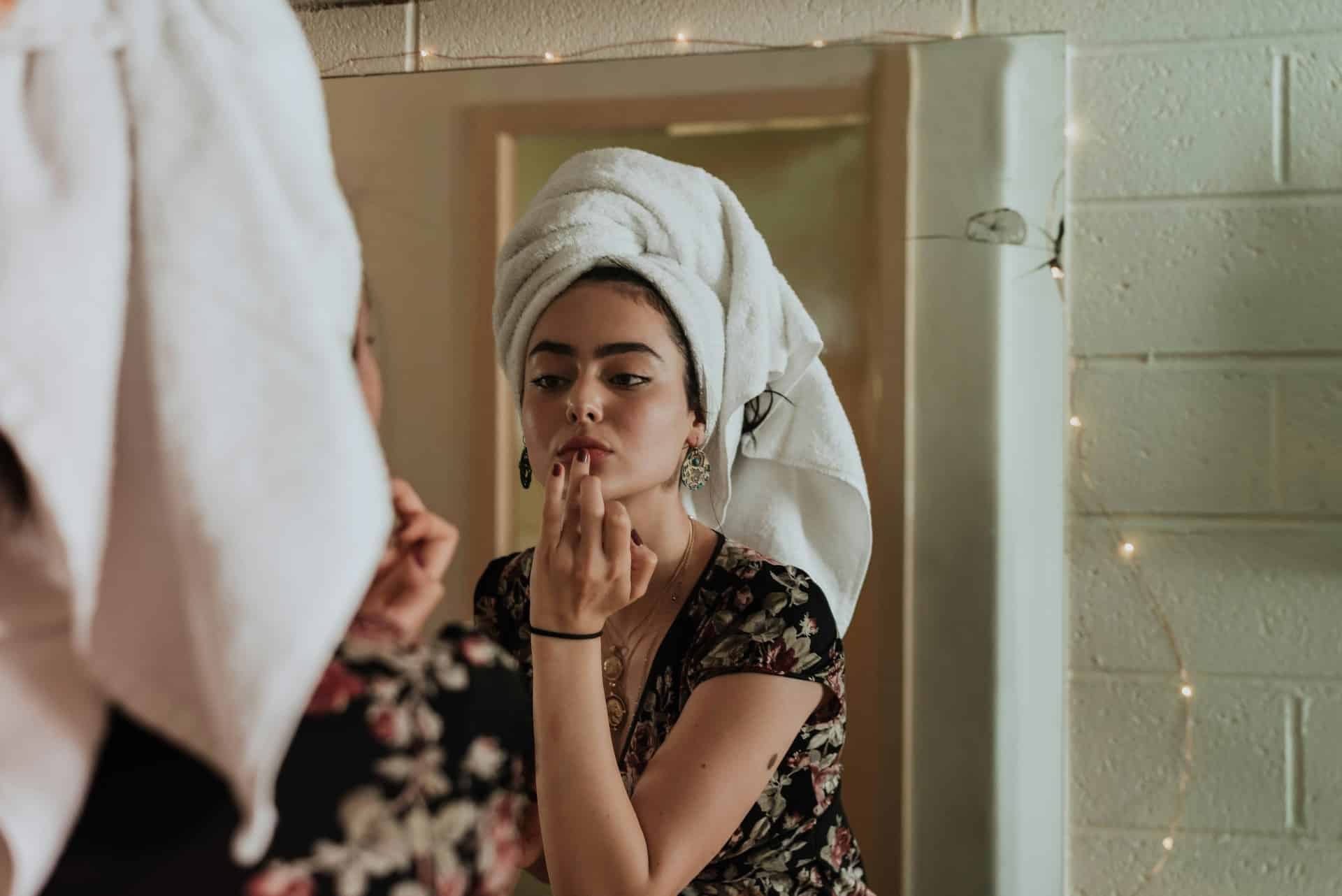
Travel promises freedom, novelty, and a break from routine. Yet, for many people, one routine stubbornly follows them everywhere: their beauty regimen. From skincare essentials to hair tools and makeup kits, maintaining familiar habits on the road can feel comforting. It can also be surprisingly expensive.
What looks like a simple carry-on pouch often hides a web of financial, logistical, and even emotional costs. These expenses are rarely obvious at first glance. But over time, they add up and shape the way you travel, spend, and experience new places.
Let’s unpack what really goes into keeping your beauty routine intact while traveling—and why it may cost more than you expect.
The Weight of Your Beauty Bag
Packing light is a goal many travelers aspire to. But beauty products complicate that goal quickly.
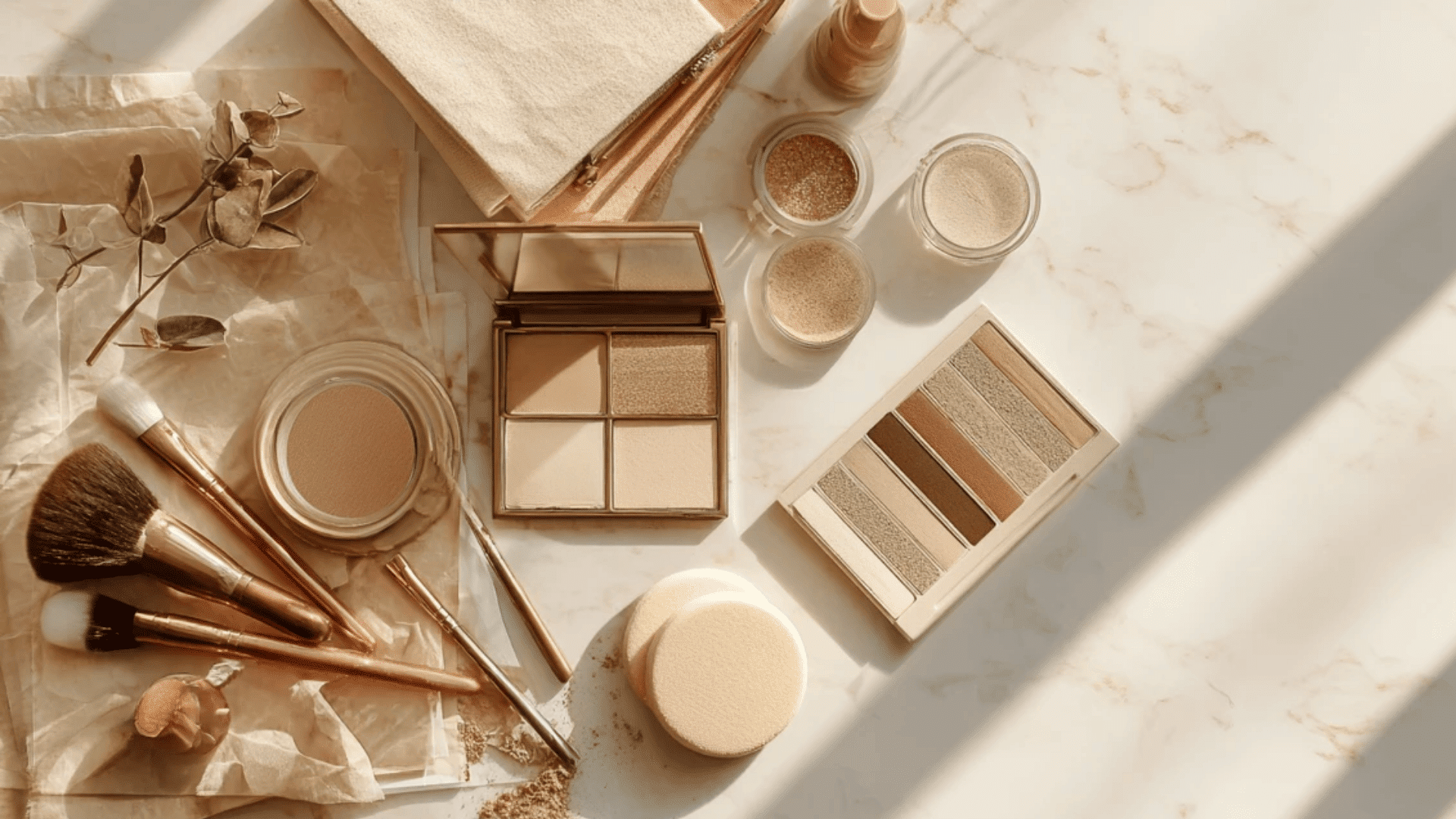
A standard skincare and makeup routine can easily fill an entire toiletry bag. Add hair tools, backups, and “just in case” items, and suddenly you’re checking luggage instead of carrying on. That decision alone can cost you extra fees.
And it doesn’t stop there. Liquids are restricted in carry-on bags, forcing you to buy travel-sized versions or transfer products into smaller containers. These mini versions often cost more per milliliter than full-sized products. Over time, that markup becomes noticeable.
There’s also the risk factor. Products can leak, break, or get confiscated at security checkpoints. Replacing them at your destination—often in tourist-heavy areas—means paying higher prices for familiar brands or settling for less suitable alternatives.
Buying the Same Products Twice
One of the most common hidden costs is duplication.
Travelers frequently buy smaller versions of products they already own. It feels practical. It’s convenient. But it also means paying twice for the same function.
In some cases, travelers even leave products behind to avoid weight limits or restrictions, only to repurchase them later. This cycle is inefficient and expensive.
Local availability adds another layer. Not all countries carry the same brands or formulations. Even when they do, prices can vary significantly due to import taxes, demand, or currency differences. A moisturizer that feels affordable at home might feel like a luxury purchase abroad.
Currency Exchange and International Payments
Managing beauty-related expenses abroad often involves more than just swiping a card.
When you’re purchasing products or services in another country, currency conversion comes into play. Exchange rates fluctuate. Transaction fees can apply. And not all payment methods are equally cost-effective.
This is where international transfers become relevant, especially for longer trips or digital nomads who manage finances across borders. Understanding how these systems work can help you avoid unnecessary fees and delays.
International money transfers allow you to move funds between accounts in different countries. They typically involve exchange rates, transfer fees, and processing times. Some services are faster but more expensive. Others are cheaper but slower.
Choosing the right option matters. It affects how much money you actually have available for your daily expenses—including beauty-related ones. Before relying on a specific platform, it’s worth learning how to verify an international money transfer service to ensure it’s secure, transparent, and cost-efficient.
Even small percentage differences in fees can add up over multiple transactions. And when you’re already spending more than usual on maintaining your routine, these extra costs can quietly compound.
The Time Cost You Don’t Notice
Money isn’t the only currency being spent.
Maintaining a full beauty routine while traveling takes time. And time, especially on a trip, is valuable.
Morning routines stretch longer when you’re working with unfamiliar lighting, limited counter space, or different water quality. Evening routines can feel like a chore when you’re tired from a long day of exploring.
There’s also the time spent sourcing products. Searching for stores, comparing prices, and figuring out local brands can eat into hours that could be spent experiencing your destination.
It’s subtle, but it adds up. The more effort you invest in maintaining your routine, the less spontaneous your travel experience becomes.
Adapting to New Climates and Conditions
Your skin and hair don’t behave the same way everywhere.
Humidity, altitude, pollution, and water composition all affect how products perform. A foundation that works perfectly at home might melt in tropical heat. A shampoo that feels nourishing in one country might leave your hair dry in another.
This often leads to unplanned purchases. You might need a heavier moisturizer, a different sunscreen, or new styling products. These adjustments are necessary, but they come with additional costs.
And because these purchases are reactive rather than planned, they’re often made in convenience stores or tourist areas—where prices tend to be higher.
Salon Visits and Beauty Services Abroad
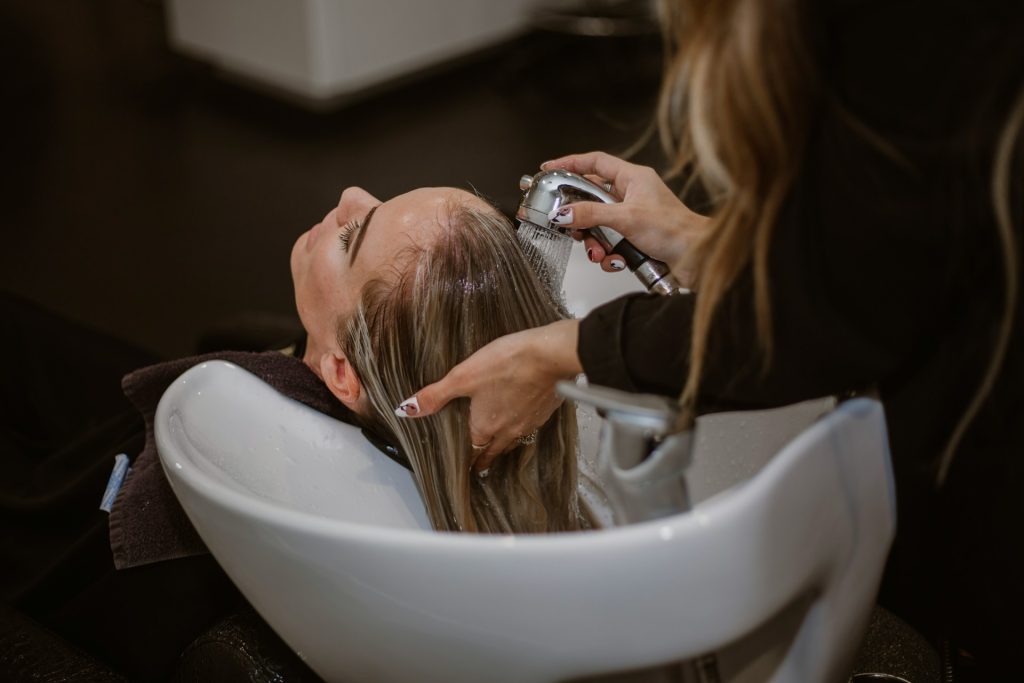
Some travelers prefer to maintain their routine by visiting salons instead of packing everything.
At first, this can seem like a smart trade-off. Less luggage. Fewer products. More convenience.
But salon prices vary widely across destinations. In some places, services are more affordable. In others, especially major cities or luxury destinations, they can be significantly more expensive than at home.
There’s also the issue of trust. Trying a new salon in an unfamiliar place carries risk. You may end up paying premium prices for results that don’t meet your expectations.
And if something goes wrong, fixing it can cost even more.
Emotional Spending and “Treat Yourself” Moments
Travel changes your mindset.
You’re more relaxed. More open. More willing to indulge. That’s part of the appeal.
But this mindset can also lead to emotional spending, especially when it comes to beauty. A luxury skincare product feels like a souvenir. A spa day feels justified after a long journey.
These purchases aren’t inherently bad. In fact, they can enhance your experience. But they often go beyond your usual budget.
Because you’re in a different environment, it’s easier to rationalize higher spending. You might tell yourself it’s a one-time treat. Yet over the course of a trip, these “small” indulgences can add up quickly.
The Opportunity Cost of Staying the Same
There’s another cost that’s harder to quantify: the opportunity cost.
When you focus on maintaining your usual routine, you may miss out on local alternatives. Many destinations offer unique beauty traditions, natural ingredients, and cultural practices.
By sticking strictly to what you know, you limit your exposure to these experiences. You also miss the chance to simplify.
Travel can be an opportunity to reset. To use fewer products. To embrace a more flexible approach to self-care. But that shift requires letting go of some привычности—and that can feel uncomfortable.
Finding a Balanced Approach
Keeping your beauty routine while traveling doesn’t have to be all or nothing.
The key is balance. Identify what truly matters to you and what can be adjusted. Not every step in your routine needs to come along for the journey.
Multi-purpose products can reduce both cost and weight. Solid alternatives, like shampoo bars, help avoid liquid restrictions. Researching local options in advance can prevent overpriced impulse purchases.
It’s also helpful to set a realistic budget. Include beauty-related expenses as part of your overall travel planning, rather than treating them as incidental costs.
Small changes can make a big difference. And they often lead to a more relaxed and adaptable travel experience.
Conclusion
Travel naturally shifts your priorities, but some habits are harder to leave behind. Beauty routines, in particular, tend to follow closely, bringing both comfort and complexity.
The costs involved are not always obvious. They appear in small purchases, extra fees, lost time, and missed opportunities. Individually, they may seem insignificant. Together, they shape how you experience your trip.
By becoming more aware of these hidden expenses, you can make more intentional choices. You don’t have to give up your routine entirely. But you can refine it, simplify it, and adapt it in ways that better support your journey.
In the end, travel is about exploration. Sometimes, that includes rethinking the routines you thought you couldn’t live without.