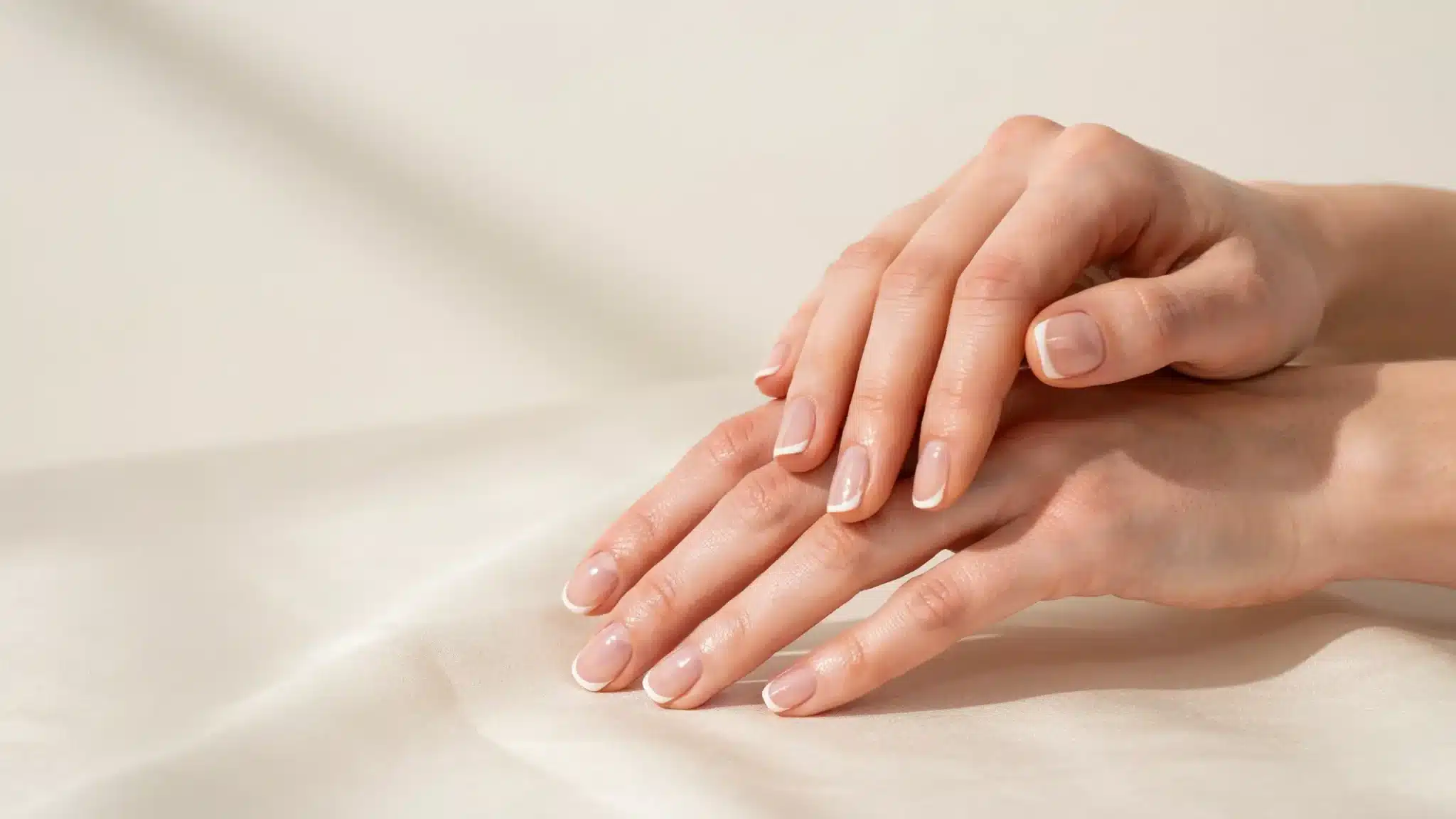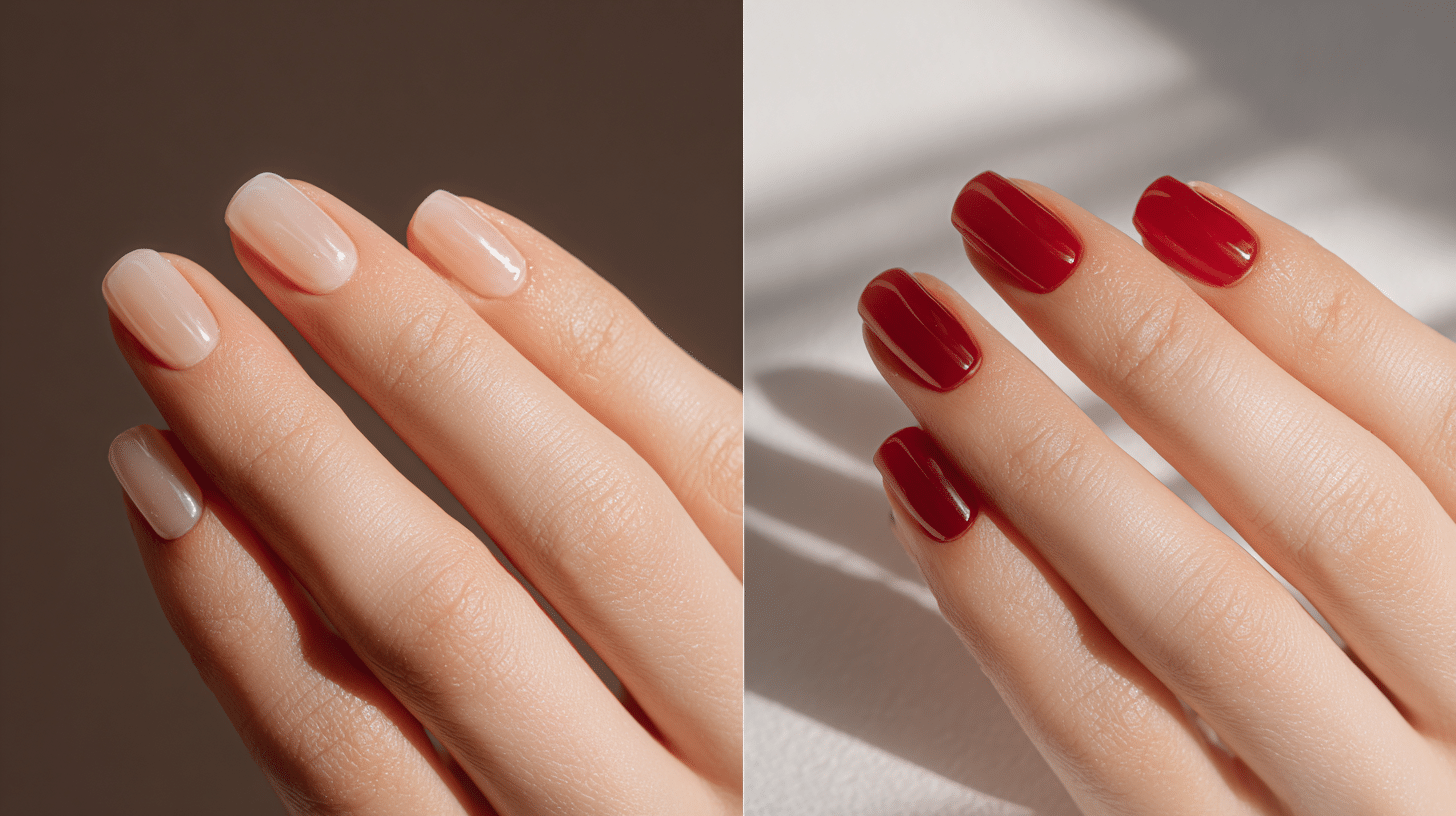
Shellac nails give you up to two weeks of glossy, chip-resistant color without the thickness of a full gel set. The formula sits thinner on the nail than gel, so it flexes with your natural nail instead of sitting on top of it like a shell.
That thinner build is also why shellac feels different the moment your manicurist starts applying it. It goes on in the same easy strokes as regular polish, but each layer sets hard under a lamp instead of air-drying, which is what gives it the extra wear time.
Below is what shellac actually is, how it stacks up against gel, what happens during the appointment, and how long you can expect it to last.
| Best For | Anyone who wants two weeks of color without the bulk of a full gel set |
| Wear Time | 10 to 14 days on average, with careful upkeep, sometimes longer |
| Finish | Thin, flexible, high-gloss topcoat over the natural nail |
| Removal | 10 to 15 minute acetone soak, gentle push-off, no filing |
| Skip If | You want added length, change color weekly, or have a known acrylate allergy |
| Typical Price | Around $25 to $45, though this varies by salon and location |
What Are Shellac Nails?
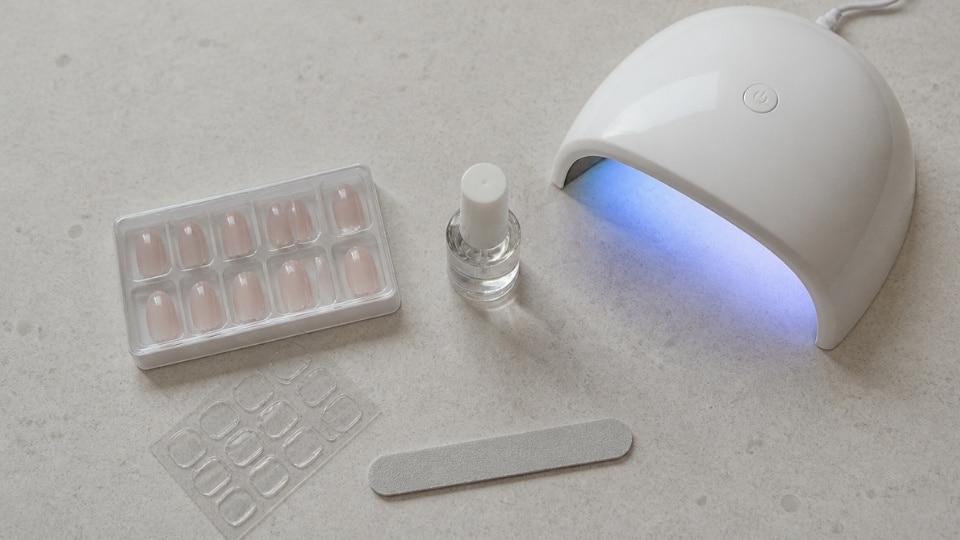
Shellac is a specific hybrid formula patented by CND (Creative Nail Design), combining features of regular polish with a gel that cures under UV or LED light. CND introduced the formula in May 2010 after several years of development, and it’s the reason “shellac” gets used as shorthand even when a salon is technically using a different brand’s hybrid gel.
Because the formula is thinner than a full gel system, it flexes with the nail instead of sitting rigidly on top of it. That’s the main thing people notice: it looks glossy and finished, but it doesn’t feel like you’re wearing a shell.
If you’re still deciding between manicure styles in general, it helps to compare manicure types and costs before you commit to shellac specifically.
Shellac vs Gel Nails: What’s the Difference?
People use “shellac” and “gel” interchangeably, but they’re not the same product. Gel nails are made from thicker acrylic-based monomers and oligomers built up in layers, while shellac is a specific hybrid designed to feel closer to regular polish.
Deciding which one to book often comes down to how long you want it to last versus how natural you want it to feel, so it also helps to think about your nail shape before you pick a formula.
| Feature | Shellac Nails | Gel Nails |
|---|---|---|
| Formula | Hybrid of gel and traditional polish | Pure gel (acrylic monomers/oligomers) |
| Feel | Thin, flexible, closer to natural nail | Thicker, more rigid structure |
| Typical Wear | 10 to 14 days | 2 to 3 weeks |
| Application | Brushed on like polish, cured between thin coats | Built up in thicker cured layers |
| Removal | 10 to 15 minute acetone soak, gentle push-off | Often needs filing before the acetone soak |
| Color Range | 100+ shades from CND | Hundreds of shades across many brands |
| Cost | Around $25 to $45 | $30 to $60 |
Neither option is “better” across the board. Shellac wins on natural feel and easy removal, while gel wins if you want maximum wear time and don’t mind a thicker finish. Both outlast regular polish by a wide margin.
The Shellac Manicure Application Process
Getting your first shellac manicure is straightforward. Here’s what happens during your appointment so you know what to expect.
Step 1: Nail Preparation
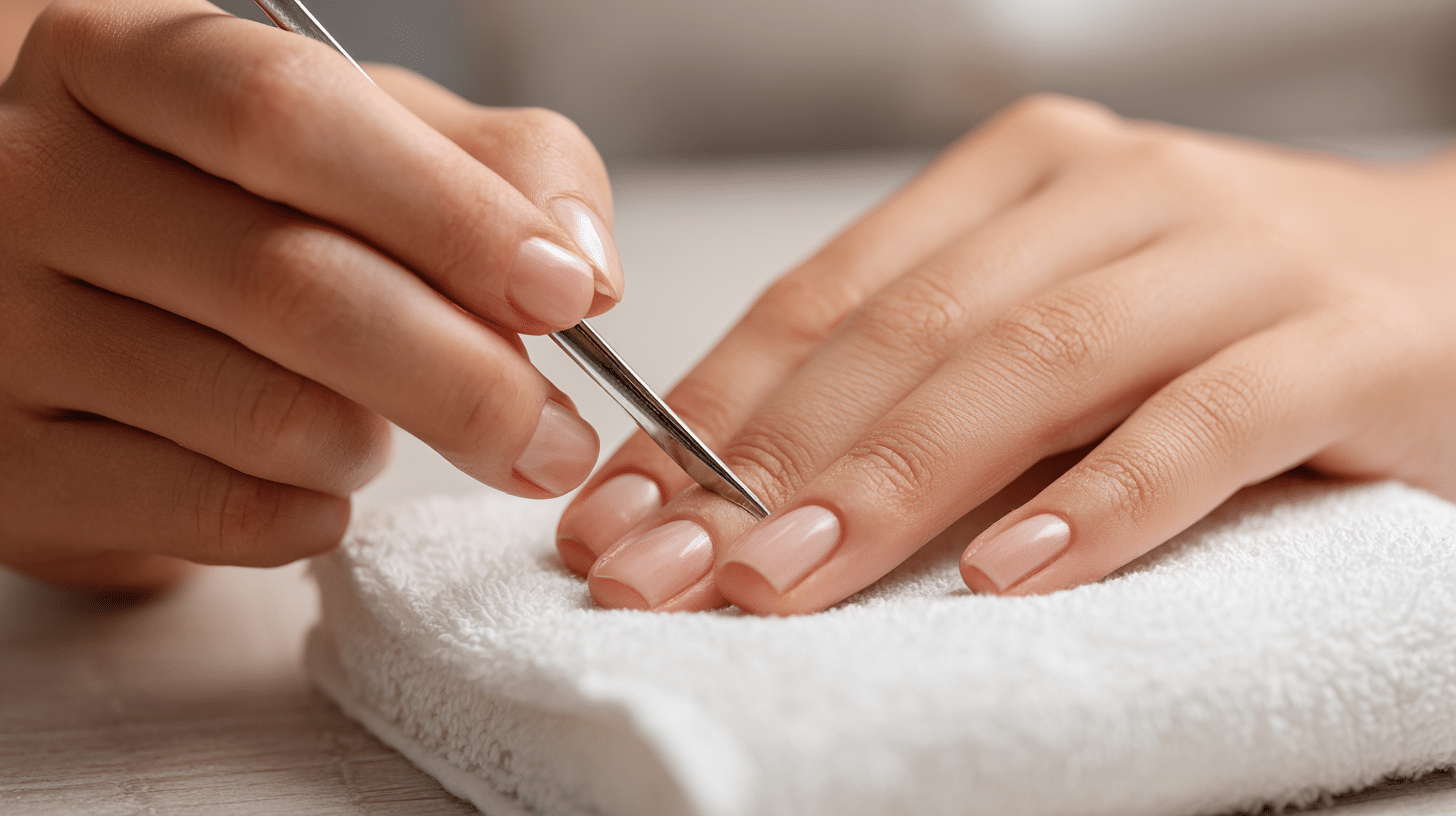
Your nail tech will start by cleaning and shaping your nails. They’ll gently push back your cuticles and lightly buff your nail surface. This prep work helps the polish stick better and last longer.
Clean nails are key to a good shellac application. Any oils or lotions on your nails can prevent proper bonding.
Step 2: Base Coat and Color
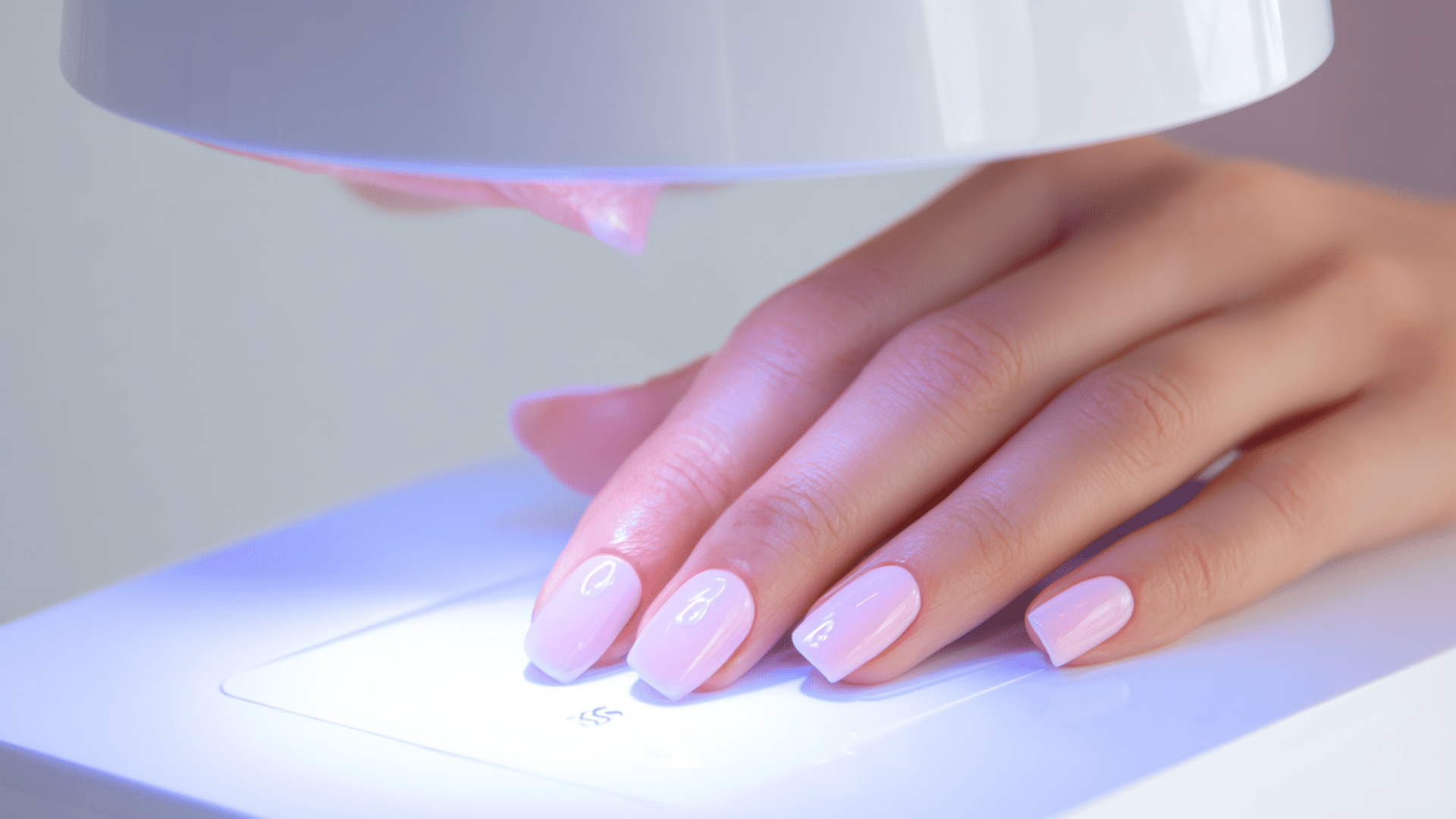
First comes a thin base coat that gets cured under the light. Then, your chosen color is applied in thin, even layers. Each layer gets cured before the next one is applied.
Most colors need two coats for full coverage. Some lighter shades may require three thin coats to achieve their best appearance.
Step 3: Top Coat and Final Cure

The last step is a clear top coat that gives shellac its signature shine. After this final cure under the light, your nails are completely dry and ready to go.
There’s no worry about smudging or denting your freshly manicured nails. You can use your hands normally right after leaving the salon.
Special Note: The entire process takes about 45-60 minutes from start to finish. Unlike regular polish, your nails are completely dry and ready to use immediately after the final UV cure.
How Long Shellac Lasts and How to Maintain It
| Aspect | What to Expect |
|---|---|
| Wear Time | 10 to 14 days without chipping for most people |
| Daily Care | Gloves for cleaning, cuticle oil, avoid nail-biting |
| Warning Signs | Lifting at the edges or dullness means it’s time to book removal |
| Removal Time | 10 to 15 minutes with acetone wraps |
| Between Appointments | Daily cuticle oil, avoid harsh chemicals, and prolonged hot water |
An active lifestyle or a job that’s hard on your hands will shorten that wear window, since shellac’s thinner build means it can’t absorb as much daily wear and tear as a thicker gel set.
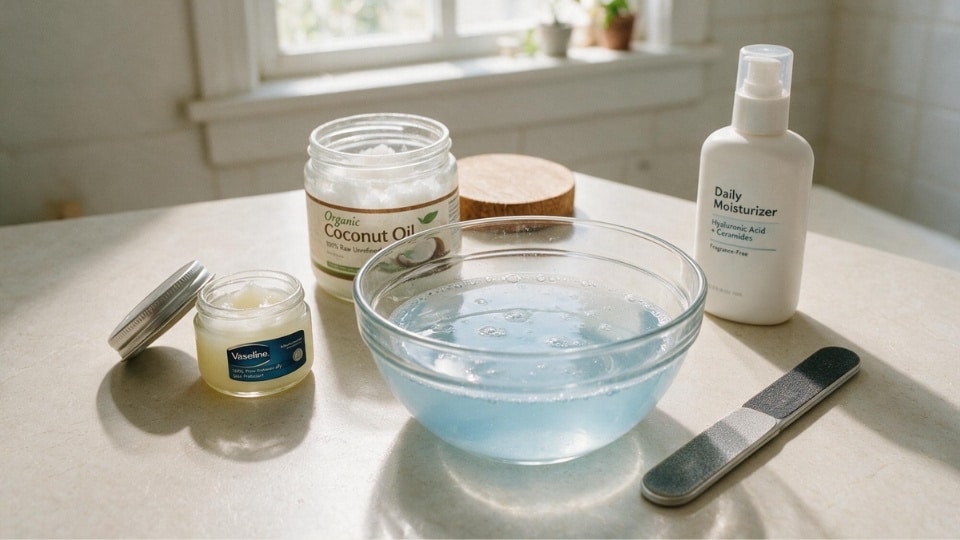
When it’s time to remove shellac at home rather than in the chair, resist the urge to peel it off. If you’d rather skip the acetone soak altogether, removing gel polish without acetone is the gentler alternative worth trying.
|
Health Note: Shellac and gel both cure under UV or LED lamps, which emit UVA radiation linked to skin aging and a small increase in skin cancer risk with repeated exposure. The American Academy of Dermatology recommends applying broad-spectrum, water-resistant sunscreen with SPF 30 or higher to your hands before your nails go under the lamp, or wearing fingerless gloves instead. This is general information, not a substitute for advice from a dermatologist about your own skin. |
Current research puts that risk in perspective: Harvard Health notes that the level of UVA exposure from a gel manicure roughly every two weeks probably isn’t high enough to meaningfully raise skin cancer risk, though both UV and LED lamps emit some ultraviolet light regardless of which name the salon uses.
Taking a few seconds to apply sunscreen or slip on fingerless gloves before curing costs you nothing and removes the guesswork.
Who Should Skip Shellac?
- You want added length: Shellac only coats natural nails. It won’t build length or camouflage a severely damaged nail bed the way an extension system can.
- You change color often: Since shellac is meant to last two weeks, you’re committing to one shade for a while. If you like switching colors weekly, regular polish is more practical.
- You have a known acrylate allergy: Gel and hybrid formulas are acrylate-based. If you’ve reacted to gel products before, tell your nail tech before your appointment, not after.
- You want to skip UV exposure entirely: Both shellac and gel require lamp curing. If that’s a dealbreaker, a dip powder or regular polish manicure avoids the lamp altogether.
Frequently Asked Questions
Is shellac better for your nails than gel?
Shellac is generally gentler on the natural nail plate because it stays thin and flexible. Gel is thicker and more durable, but it can cause more dryness or thinning if it isn’t removed correctly.
Can shellac be removed at home?
Yes, though professional removal reduces the risk of damage. If you do it yourself, soak your nails in acetone for 10 to 15 minutes and gently push the polish off rather than peeling or scraping it.
Does shellac work on weak or damaged nails?
Shellac can add some protection to weak or brittle nails, but it isn’t designed to add length or repair severely damaged nails. For that, you’d need an extension system instead.
How much does a shellac manicure cost?
Shellac typically runs around $25 to $45, though the price varies by salon, location, and the colors or add-ons you choose. This is often less than gel extensions while lasting nearly as long.
Do you need sunscreen for a shellac manicure?
Dermatologists recommend it. Applying broad-spectrum SPF 30 or higher to your hands before the appointment, or wearing fingerless gloves, protects your skin from the UV lamp’s rays without affecting how the polish cures.
Can you switch between shellac and gel on the same nails?
Yes, as long as the previous set is fully and properly removed first. Going straight from one hybrid or gel formula to another without a clean base can trap moisture and weaken the nail underneath.
Final Verdict
Shellac earns its place between regular polish and full gel: you get roughly two weeks of glossy, chip-resistant color in a formula that still feels like your own nail underneath.
If your priority is a natural feel and an easy, gentle removal, shellac is the better fit; if you need maximum durability and don’t mind a thicker finish, gel edges it out.
Either way, protect your hands with sunscreen before they go under the lamp, and talk to your nail tech about which formula matches your nails and your routine.