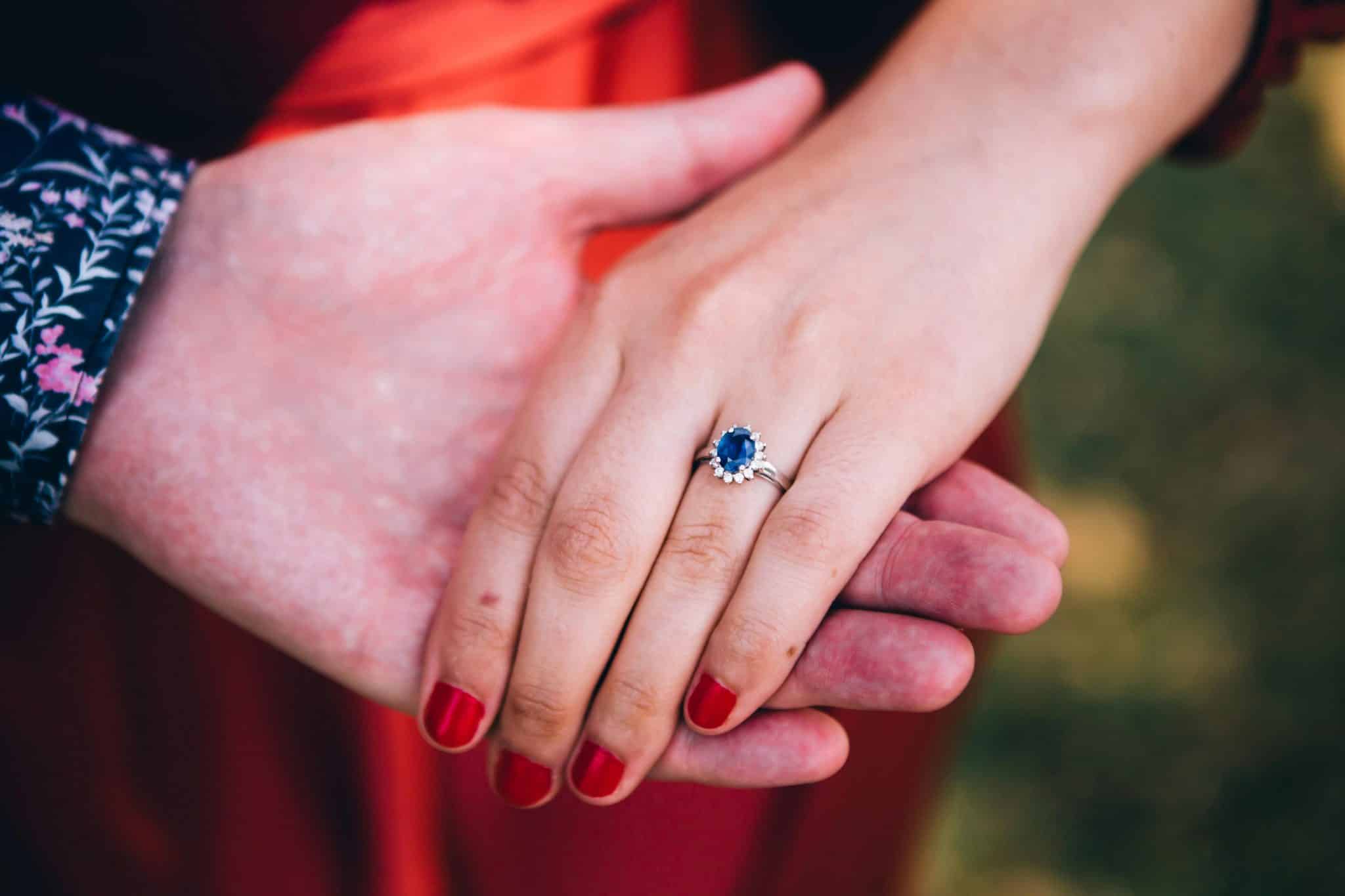
Selecting the pieces that represent your commitment is one of the most significant steps in your marriage preparations. While many couples focus on the venue or the dress, the bands you exchange are the only elements that remain with you every day after the celebration ends. To ensure you find the perfect fit and style without unnecessary pressure, starting your search early is vital.
Most experts suggest you should begin looking for your bands approximately six months before the big day. This window allows for professional sizing, metal selection, and any customisations you might desire.
According to recent industry data, the average engagement length in the UK has extended to approximately 26 months, giving couples ample time to organise these details. By following a structured timeline, you can enjoy the process of choosing your wedding rings as a meaningful shared experience rather than a last-minute task.
Six Months Before: Exploration and Style Matching
The six-month mark is the ideal time to move from inspiration to action. At this stage, you are not necessarily buying, but you are defining your preferences. Your daily lifestyle should influence your choice of metal and setting. For those with active routines or hands-on professions, durable metals like platinum or 18ct gold are often the most reliable choices.
Identify Your Shared Aesthetic
Decide whether you want matching bands or individual styles that reflect your personal tastes. Modern trends show a shift toward individuality, where couples choose rings that complement each other through a shared metal or engraving rather than being identical.
If you have an engagement ring, you must consider how the new band will sit against it. Some settings require a contoured or shaped band to fit flush, which can take longer to source or create.
Research and Budgeting
Setting a clear budget early prevents overspending as other wedding costs accumulate. Current UK market trends indicate that while engagement ring spending has plateaued, couples are increasingly investing in high-quality, long-lasting wedding bands.
A study found that the average spend on bridal jewellery varies significantly by region, with London and the South West seeing the highest investment in quality pieces. Knowing these benchmarks helps you allocate funds appropriately for your chosen metal and stone requirements.
Four Months Before: Making the Selection
By the four-month mark, you should be ready to place your order. This is particularly important if you are looking for specific sizes or stones that may not be held in immediate stock.
Professional Sizing
Temperature and time of day can affect your finger size. It is best to be measured by a professional jeweller who can account for these variables.
A ring that is too tight will be uncomfortable in the summer, while a loose ring risks being lost. Most reputable jewellers offer a resizing service, but getting the measurement right from the start ensures the metal’s structural integrity remains strong.
Ordering and Lead Times
If you are choosing a classic band, it might be available within a few weeks. However, if you require a specific width, weight, or a particular diamond setting, the lead time can extend to two months. Ordering now provides a safety net for any production delays or shipping requirements.
To view a wide range of styles and metal options, you can browse the wedding rings collection to see which designs align with your vision.
Two Months Before: Personalisation and Engraving
Once the base rings are selected or ordered, you can focus on the smaller details that make them unique. Personalisation turns a piece of jewellery into a personal heirloom.
The Art of Engraving
Many couples choose to engrave the inside of their bands with their wedding date, initials, or a short phrase. This process requires precision and can add 1 to 2 weeks to delivery time. Since the rings are already in the production phase or have arrived at the jeweller, this is the perfect window to finalise the text.
Quality Checks
When the rings arrive, inspect them carefully. Check that the hallmark is present, as this is your legal guarantee of the metal’s purity in the UK. Ensure that any stones are securely set and that the finish is exactly as requested, whether polished, brushed, or matt.
One Month Before: Final Fitting and Insurance
The final month should be about peace of mind. Your rings should be in your possession and ready for the ceremony.
The Final Fitting
Try the rings on one last time. If your weight has fluctuated due to the stress or excitement of planning, you still have time for a quick resize. It is also a good opportunity to clean your engagement ring so that both pieces look equally radiant during the ceremony and in photographs.
Protection and Storage
Insure your rings as soon as you take delivery. Many homeowners’ insurance policies allow you to add jewellery as a specified item, or you can opt for specialist jewellery insurance. Store the bands in a cool, dry place, ideally in separate pouches to prevent the harder metals or diamonds from scratching other surfaces.
Post-Wedding Care: Maintaining the Lustre
Your journey with your jewellery does not end at the altar. To keep your bands looking their best for decades, regular maintenance is required.
- Annual Inspections: Visit a jeweller once a year to check for loose stones or wear in the metal.
- Professional Cleaning: Gold and platinum can lose their brilliance over time due to lotions and daily wear. A professional ultrasonic clean can restore the original shine.
- Safe Handling: Remove your rings when performing heavy lifting, gardening, or using harsh chemicals to prevent dents or discolouration.
Planning your purchase according to this timeline ensures that the symbols of your union are handled with the care they deserve. By avoiding the rush, you can make an informed decision that balances style, comfort, and longevity.