
Walk down any wellness aisle or scroll through any health influencer’s feed and you’ll be hit with a dizzying array of supplements promising glowing skin, boundless energy, and a better version of you. Some of these ingredients are backed by genuine research; others ride a wave of hype with little to support the claims. For anyone trying to make sense of it all, the challenge isn’t finding supplements, it’s separating the ones worth considering from the marketing noise.
This guide walks through some of the most talked-about options for supporting skin and energy, what the evidence actually suggests, and how to think critically before adding anything to your routine. As with anything health-related, none of this is medical advice, and it’s always worth talking to a doctor before starting a new supplement.
The Cellular Energy Trend: NMN and NAD
Few supplement categories have generated as much buzz as those targeting cellular energy, particularly NMN and NAD. These compounds are involved in how your cells produce and use energy, and they’ve become a focal point of the longevity and energy-optimization conversation. The science is genuinely interesting, though it’s still developing, and the two are often discussed together and confused with one another.
Understanding the distinction matters before you spend money on either. This comparison from Tmates breaks down how NMN and NAD relate, how they differ, and what the current thinking is on each, useful context for anyone trying to decide whether this trend is worth their attention. The honest takeaway is that while early research is promising and the mechanisms are real, the field is young, claims often outrun the evidence, and results vary considerably from person to person. Approach this category with curiosity but also healthy skepticism, and treat it as one possible piece of an energy strategy rather than a guaranteed fix.
Energy and Metabolism Support: Read the Label Carefully
Beyond the cellular-energy frontier sits a huge and crowded category of products marketed around energy and metabolism, including thermogenic supplements. These typically rely on stimulants like caffeine along with other compounds intended to increase alertness and energy expenditure. They’re among the most aggressively marketed products on the wellness shelf, which is exactly why they warrant a careful, informed eye.
If you’re researching this category, products like thermogenic fat burner capsules are a common example, but they come with real considerations worth understanding first. Because they’re typically stimulant-heavy, they can affect heart rate, sleep, anxiety, and blood pressure, and they’re not appropriate for everyone, particularly anyone sensitive to caffeine or managing any heart or blood-pressure condition. This is firmly a category where talking to a healthcare provider before trying anything is the sensible move, and where more is never better.
A supplement is never a substitute for the fundamentals that actually drive energy: adequate sleep, regular movement, and proper nutrition. Treat anything in this space as a minor, optional addition at most, and be especially wary of any product promising dramatic results.
The Skin Supplements With Real Backing
On the skin side of the wellness shelf, a few ingredients have earned more credible support than the rest. Collagen peptides are among the most popular, and there’s a reasonable and growing body of research suggesting they may support skin elasticity and hydration for some people over time. The effects tend to be modest and gradual rather than transformative, but the evidence is more substantial than for many trendier alternatives.
Omega-3 fatty acids are another well-supported option, valued for their role in skin barrier function and their anti-inflammatory properties, which can matter for overall skin health. Vitamin C, both topically and through diet, plays a genuine role in collagen synthesis and antioxidant protection. The common thread among the skin supplements actually worth considering is that they support processes the body already uses to maintain healthy skin, rather than promising to override them. Realistic expectations are key, these support skin health over time; they don’t deliver overnight miracles.
Where the Hype Outruns the Evidence
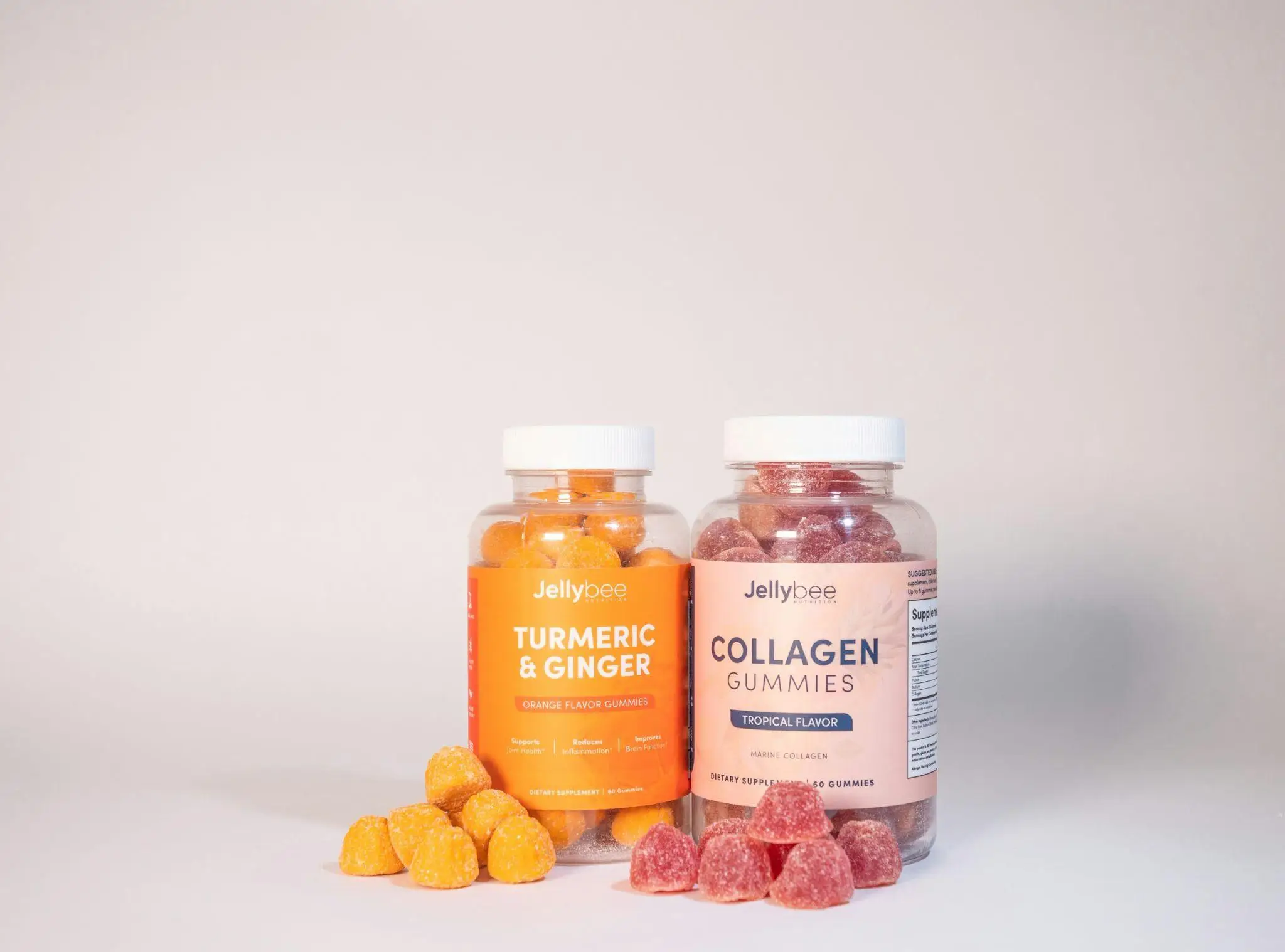
Plenty of trending supplements occupy a murkier zone where the marketing dramatically outpaces the science. Many beauty-from-within products, exotic botanical extracts, and proprietary blends make bold claims supported by little more than testimonials and a few small or industry-funded studies. This doesn’t necessarily mean they do nothing, but it does mean you’re often paying a premium for hope rather than proven benefit.
A useful habit is to be skeptical of any supplement promising dramatic, fast, or universal results, since real physiological change tends to be slow and individual. Proprietary blends that hide exact dosages are another red flag, as are products that lean heavily on a single compelling-sounding ingredient. The wellness industry is enormous and lightly regulated, which means the burden of critical thinking falls on the buyer. When the claims sound too good to be true, they usually are.
How to Evaluate a Supplement Before You Buy
Cutting through the noise comes down to a few practical habits. Look for third-party testing, which verifies that a product actually contains what its label claims and isn’t contaminated, a real concern in a loosely regulated market. Check whether the dosages in the product match those used in the studies the marketing cites, since underdosed products are common. And research the actual evidence for the key ingredient rather than trusting the brand’s own summary of it.
It also helps to be honest with yourself about what you’re trying to achieve and whether a supplement is even the right tool. Many energy and skin concerns trace back to sleep, stress, hydration, and diet, and no capsule compensates for shortfalls in those foundations. The most effective approach treats supplements as a potential supporting role to genuine lifestyle basics, not as the lead actor. A discerning buyer asks what problem they’re solving and whether the evidence supports the proposed solution before spending a cent.
Building a Sensible, Minimal Routine
The smartest approach to the wellness shelf is usually a minimal one. Rather than chasing every trend, most people are better served by a small number of well-supported choices aligned with their specific goals, introduced one at a time so they can actually tell what’s working. Piling on a dozen supplements at once makes it impossible to know what helps, what does nothing, and what might be causing side effects.
Start with the fundamentals, add only what has reasonable evidence behind it, and give each addition time before judging it. The wellness shelf will always offer more than you need and promise more than it can deliver, so the real skill isn’t knowing what to take, it’s knowing what to skip, and trusting that consistent basics will do more for your skin and energy than any trending bottle ever will.