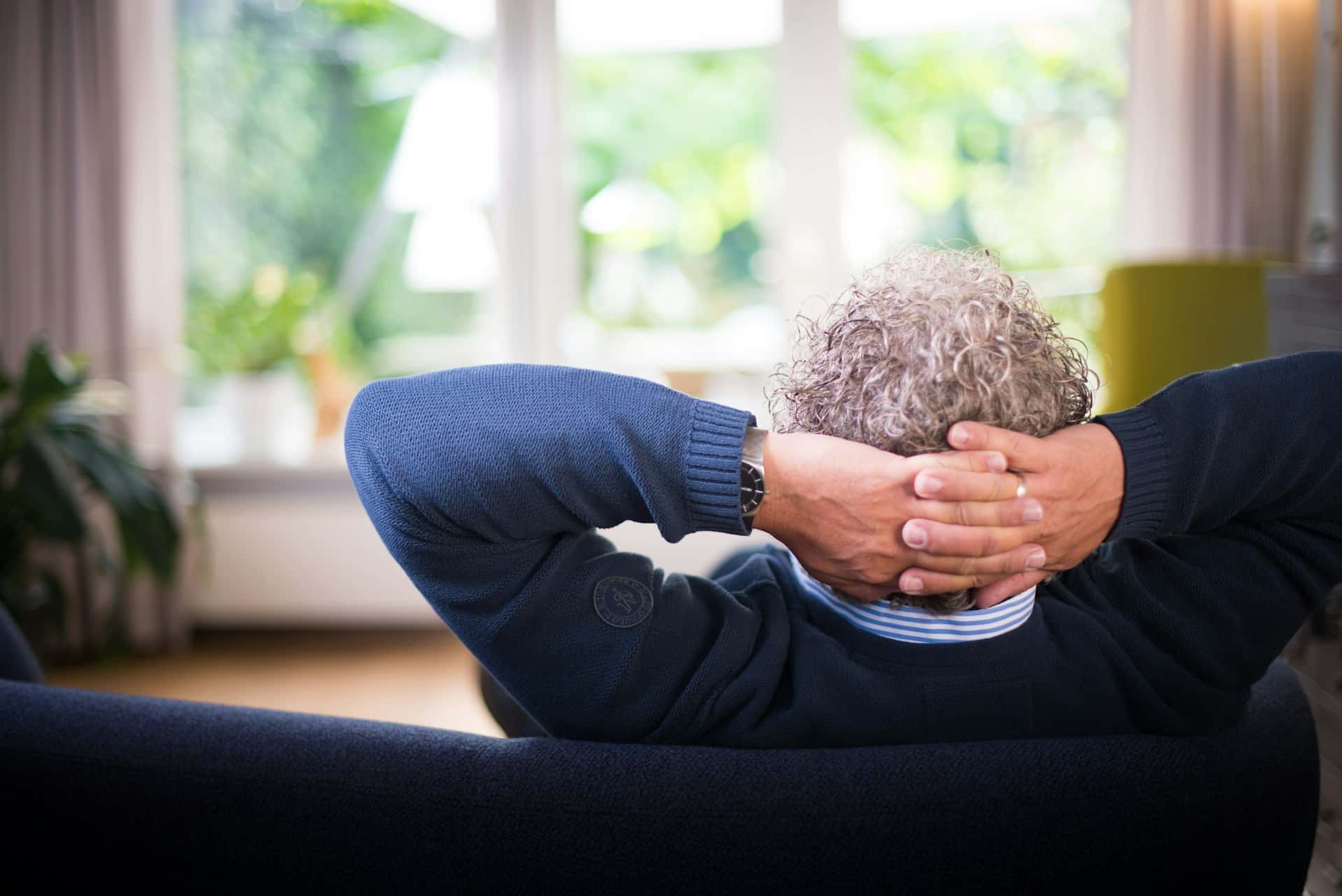
There was a time when spending money on personal comfort felt indulgent or unnecessary. Today, Australians are rethinking that assumption entirely, recognising that how you travel, how you recover, and how you care for yourself are not luxuries but essential investments in quality of life.
The Comfort Economy Is Booming
Across industries, from travel to wellness to personal care, Australians are choosing premium experiences over budget alternatives at a rate that would have seemed unlikely a decade ago.
This shift is not driven by vanity or status; it is driven by a growing awareness that comfort directly influences productivity, mental health, and overall satisfaction with daily life.
The numbers tell the story clearly. Consumer spending on wellness products, private travel, and at-home recovery tools has risen sharply in recent years, reflecting a cultural shift toward valuing personal well-being over material accumulation.
Time Has Become the Ultimate Currency
For busy professionals, executives, and entrepreneurs, the most precious resource is no longer money. It is time, and every hour spent waiting in airport queues, sitting in traffic, or managing avoidable stress is an hour that could be spent on work, family, or genuine rest.
This is why premium services that save time and reduce friction have moved from niche to mainstream.
People are willing to pay more for experiences that give them back the one thing they cannot manufacture: uninterrupted, high-quality hours in their day.
Private Aviation and the New Definition of Efficient Travel

Commercial air travel, for all its accessibility, comes with well-known frustrations. Long check-in procedures, unpredictable delays, cramped seating, and rigid schedules make it an exhausting experience, particularly for those who travel frequently for business.
Private aviation eliminates virtually all of these pain points. When you book private jet hire in Sydney, you depart on your own schedule from private terminals, skip the queues entirely, and arrive at your destination rested and ready rather than drained and behind schedule.
It Is Not Just About Luxury Anymore
The perception of private jet travel as something reserved for celebrities and billionaires is rapidly fading. Today, business travellers, corporate teams, and even families are discovering that charter flights can be surprisingly practical, especially when you factor in the value of time saved, the flexibility of scheduling, and the ability to fly direct routes that commercial airlines do not serve.
For executives managing meetings across multiple cities in a single week, or teams needing to reach remote project sites, private aviation is less about glamour and more about efficiency. The comfort is a welcome bonus, but the real draw is the control it gives you over your own time.
The Same Philosophy Is Reshaping How People Recover at Home

The investment in personal comfort does not end when you land. Australians are increasingly bringing the same premium mindset into their homes, particularly when it comes to physical recovery and stress management.
One of the clearest examples of this trend is the growing demand for high-quality massage chairs Australia residents are choosing for their homes.
These are not the basic vibrating recliners of the past; they are sophisticated wellness devices engineered with body-scanning technology, heated rollers, zero-gravity positioning, and multiple massage techniques, including shiatsu, kneading, and air compression.
Why Daily Recovery Matters More Than Occasional Indulgence
The science on this is clear: stress and physical tension accumulate over time, and occasional relief is not enough to counteract the damage.
A monthly spa visit or an annual holiday provides temporary respite, but the real benefits come from consistent, daily recovery practices that keep your body and mind operating at their best.
This is exactly what a quality massage chair delivers. Instead of scheduling appointments, commuting to a clinic, and paying per session, you simply sit down after a long day and let the chair do its work, every single day, for years.
The Rise of the Self-Care Mindset

This broader cultural shift toward investing in personal comfort is deeply connected to the self-care movement that has gained enormous traction over the past several years.
Australians are increasingly recognising that taking care of yourself is not selfish; it is the foundation that everything else in your life is built upon.
From building intentional daily rituals that promote relaxation and renewal to investing in tools and experiences that reduce stress, the message is consistent.
The people who perform best in their professional and personal lives are the ones who prioritise their own well-being without apology.
How the Two Worlds Connect
At first glance, private jet travel and at-home massage chairs might seem like they belong in completely different conversations.
But they represent the same fundamental decision: choosing to spend money on experiences and tools that protect your time, reduce your stress, and improve how you feel every single day.
Both are investments in what you might call personal infrastructure. Just as a business invests in better systems and technology to operate more efficiently, individuals are investing in the services and products that allow them to function at their highest level.
The Business Case for Personal Comfort
There is a compelling business argument for these investments as well. Professionals who travel efficiently arrive at meetings sharper and more prepared, which directly impacts the outcomes of those meetings.
Executives who recover each evening properly have better focus, make clearer decisions, and are less susceptible to the burnout that derails so many careers.
When you view personal comfort through this lens, the cost of a charter flight or a quality massage chair is not an expense. It is a strategic investment with measurable returns in productivity, health, and longevity.
What Today’s Premium Consumer Looks For
The modern Australian consumer who invests in comfort is not looking for flashy status symbols. They are looking for genuine quality, reliable service, and products that deliver real results over the long term.
In private aviation, that means operators with diverse fleets, personalised concierge services, and the flexibility to accommodate last-minute changes without penalty.
In the massage chair market, it means Japanese-engineered precision, advanced therapeutic features, long warranties, and expert guidance from specialists who understand which chair suits which individual.
The Perth and Sydney Connection
Australia’s two most dynamic cities illustrate this trend perfectly. Sydney, as the country’s business capital, has seen private jet charter demand grow steadily as executives and entrepreneurs seek faster, more flexible ways to move between meetings, events, and regional sites.
Meanwhile, Perth’s booming economy and its residents’ embrace of home wellness technology have made it one of the strongest markets for premium massage chairs in the country.
In both cases, the underlying motivation is identical: people want their daily experience to be better, smoother, and more restorative.
Comfort as a Long-Term Health Strategy
The most forward-thinking Australians understand that comfort is not about short-term pleasure. It is a long-term health strategy that pays dividends across decades of life.
Reducing travel stress means lower cortisol, better cardiovascular health, and fewer of the chronic conditions associated with constant low-grade anxiety.
Daily massage means better circulation, improved sleep quality, reduced muscle tension, and a nervous system that spends more time in its restorative parasympathetic state.
The Accessibility Question
One of the most encouraging aspects of this trend is that premium comfort is becoming more accessible than ever.
Private aviation, once the exclusive domain of the ultra-wealthy, now offers charter options and group booking models that bring it within reach of a much broader range of business travellers.
Similarly, while a quality massage chair represents a significant upfront investment, the per-session cost over its lifespan is a fraction of what regular professional massage sessions would total. Both categories have moved from unattainable to achievable for a much larger segment of the population.
What Comes Next
The trajectory is clear: Australians will continue to invest more in personal comfort, and the industries serving this demand will continue to innovate.
We can expect smarter, more personalised massage technology, more flexible and accessible private aviation models, and a cultural conversation that increasingly treats self-care not as indulgence but as intelligence.
The people who are already making these investments are not waiting for permission to prioritise themselves.
They understand something that the rest of the market is only beginning to grasp: comfort is not the opposite of productivity; it is the engine that drives it.
The Bottom Line
The era of grinding through discomfort as a badge of honour is ending. Australians are choosing a different path, one where smart investments in travel, recovery, and daily wellbeing create a compounding advantage in every area of life.
Whether it means flying privately to protect your most valuable hours or coming home to a massage chair that resets your body and mind each evening, the principle is the same. Invest in how you feel, and everything else improves.