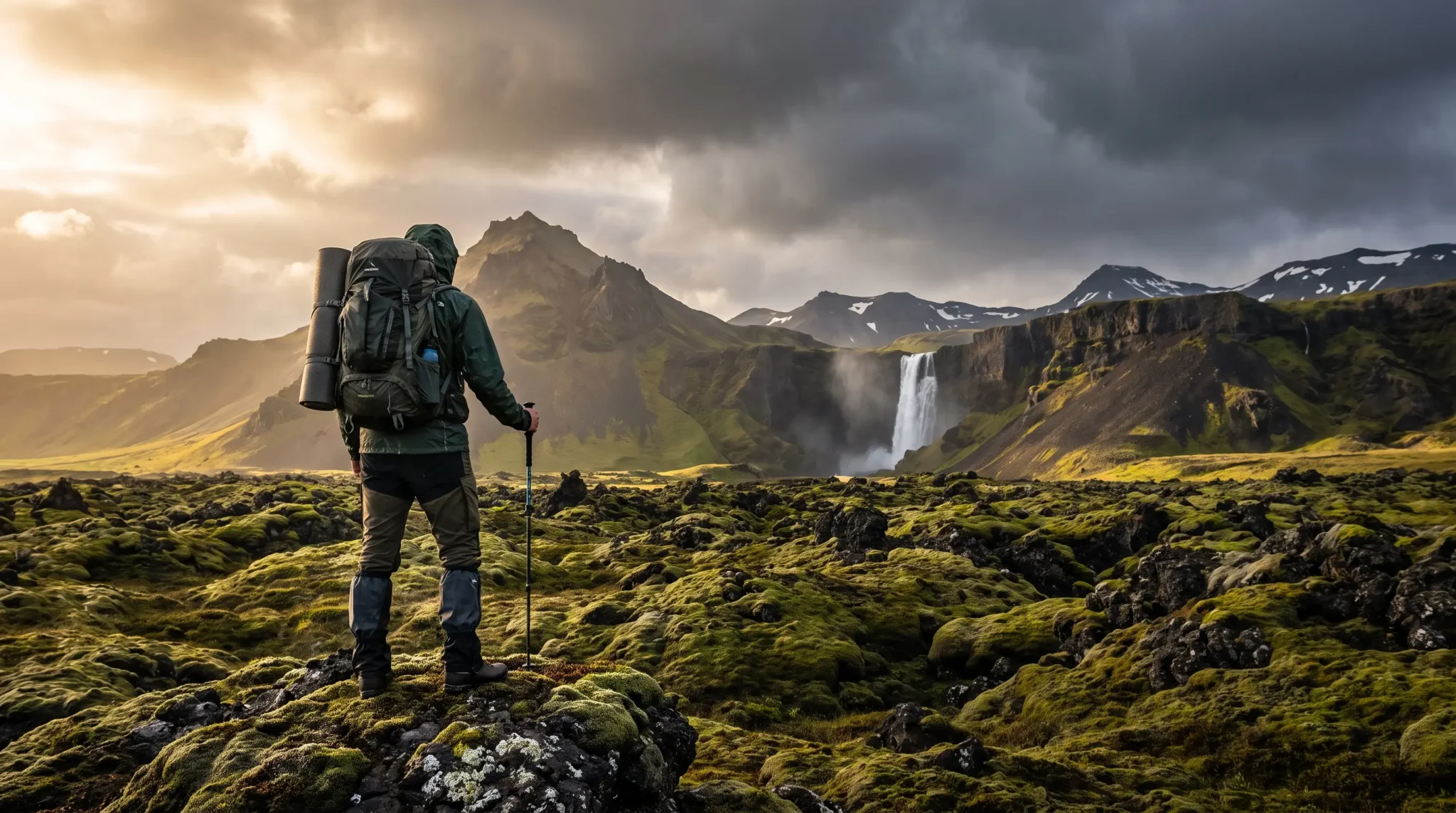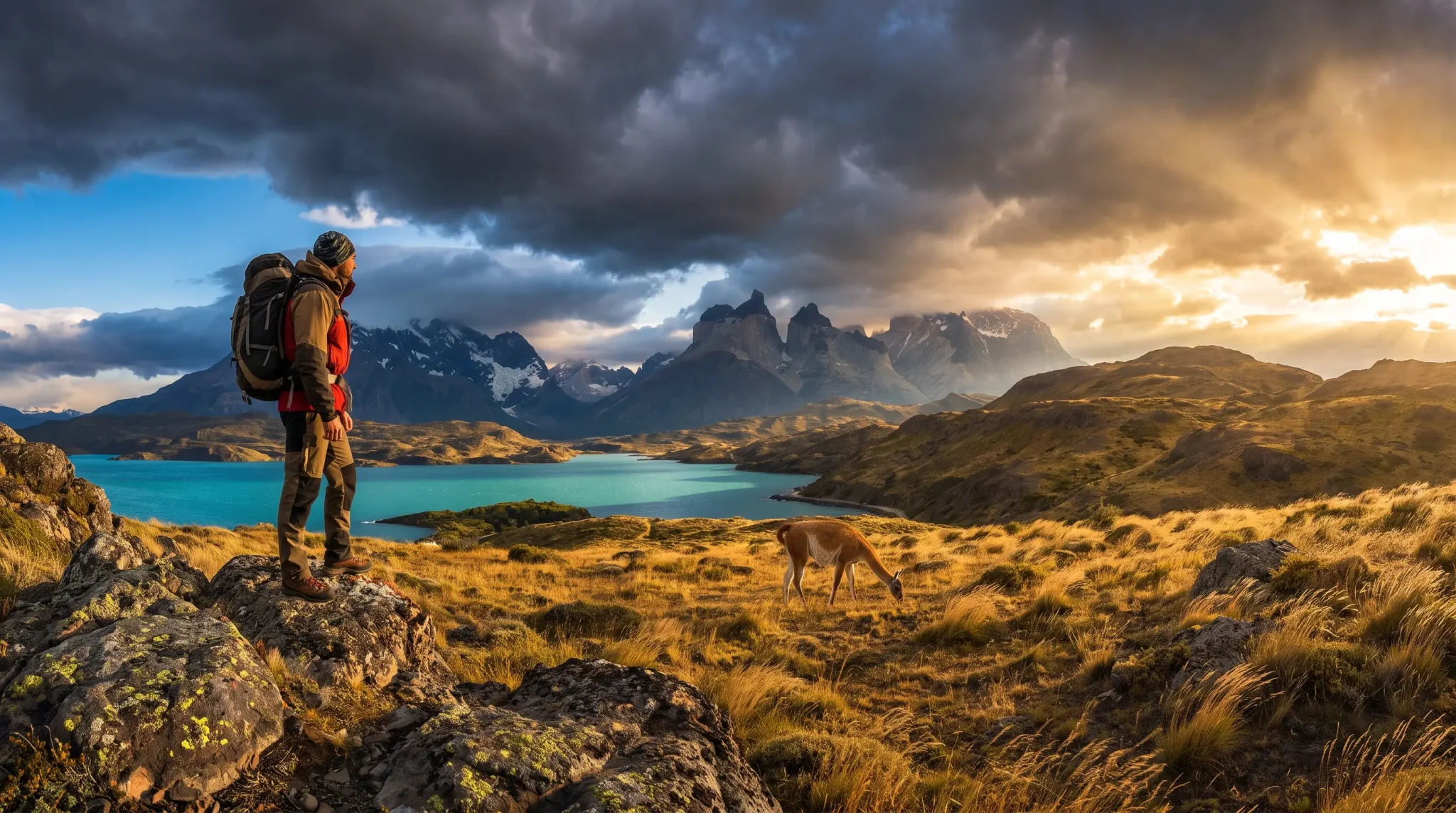
Patagonia spans over 400,000 square miles across Chile and Argentina, and the weather can shift from sunshine to sideways sleet in the time it takes to eat lunch.
Travelers who show up expecting a single, predictable landscape often end up frustrated by delays, closed trails, or itineraries that don’t match the region’s realities. The notes below come from what actually trips people up out there, and how to plan around it.
Pack for Four Seasons in One Day
Patagonia’s weather doesn’t follow a script, even in the height of summer (December through February). Torres del Paine and El Chaltén can swing from bright sun to hail within an hour, driven by winds that regularly hit 60 miles per hour.
Layering matters more than any single piece of gear. Bring a windproof shell, a warm mid-layer, and moisture-wicking base layers rather than one heavy coat. Waterproof pants are worth the extra weight in a pack, especially if hiking is part of the plan.
Book Key Activities Months in Advance
Refugios along the W Trek and O Circuit in Torres del Paine sell out six to eight months ahead during peak season. The same goes for boat crossings to see the Perito Moreno Glacier or ferries through the fjords near Puerto Natales.
This isn’t a region where spontaneous planning works well once November hits. Anyone set on a specific trail, lodge, or excursion window should lock in reservations as soon as dates are firm, since availability tightens fast and cancellation policies vary widely between operators.
Understand the Distances Involved
Patagonia looks compact on a map of South America, but distances between towns are enormous. El Calafate to El Chaltén is about 220 kilometers, roughly a three-hour drive one way. Ushuaia sits nearly 600 miles south of Bariloche, with limited direct flight options connecting them.
Trying to cram too many towns into a short trip usually backfires. A realistic itinerary picks two or three base locations and builds day trips around them, rather than constantly repacking and moving.
Choose the Right Season for the Right Goal
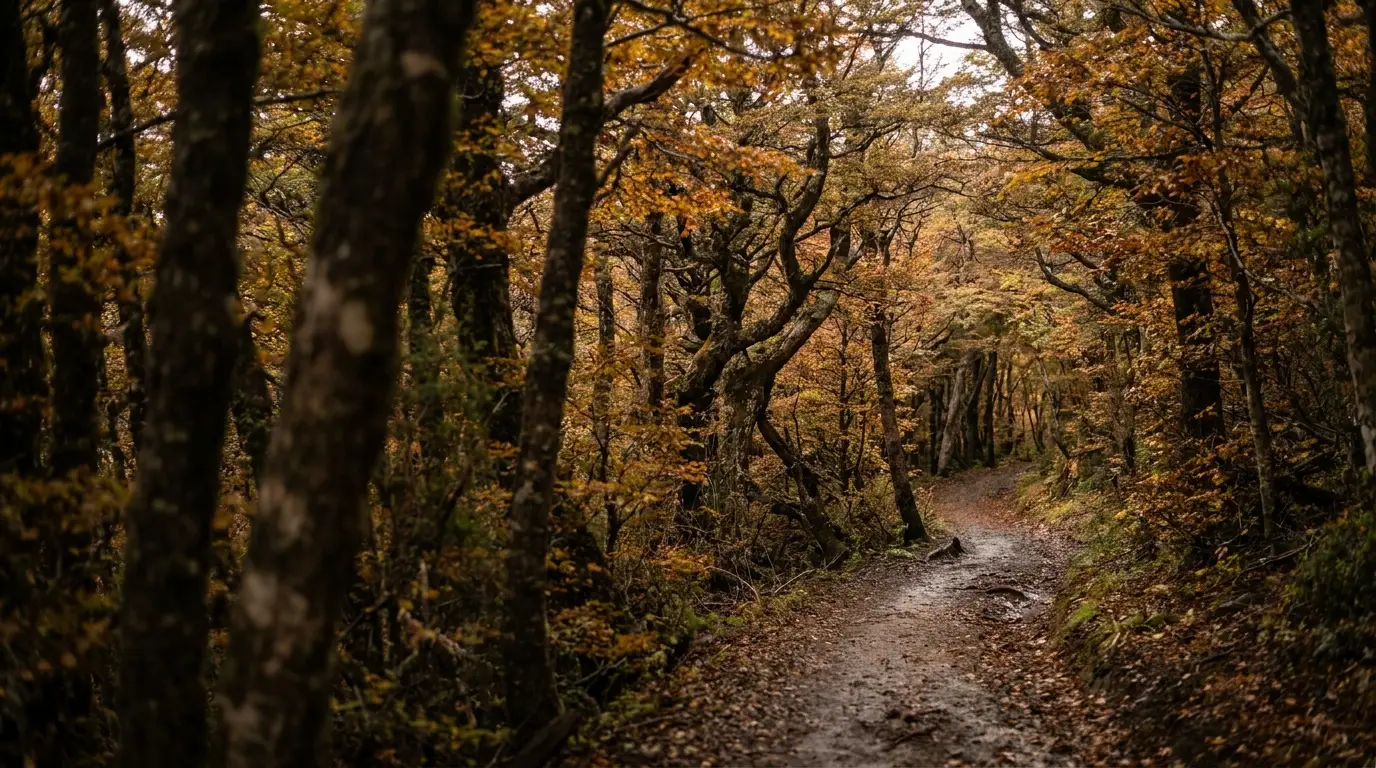
December through February brings the warmest weather and longest daylight, up to 17 hours in some areas, but also the biggest crowds and highest prices. March and April offer fall colors in the southern beech forests and noticeably thinner trail traffic.
Winter (June through August) closes many trekking routes but opens up skiing near Bariloche and quieter wildlife viewing in places like Peninsula Valdés. Matching the season to the actual goal, whether that’s solitude, hiking, or wildlife, prevents a lot of disappointment.
Factor in the Cost of Remote Travel
Patagonia isn’t a budget destination once transportation and lodging outside major towns get factored in. Domestic flights within Argentina and Chile can run $150 to $300 each way, and rental cars in remote areas often come with steep one-way drop fees.
For travelers who want the logistics handled and the experience refined rather than improvised, Patagonia luxury tours have become a practical way to cover a lot of ground without losing days to transit headaches or fully booked transport.
These packages typically bundle private drivers, curated lodges, and pre-arranged permits, which matters in a region where a missed connection can cost an entire day.
Respect Wildlife Viewing Distances
Guanacos, Andean condors, and Magellanic penguins are common sights, but approaching too closely disrupts feeding and nesting behavior. Torres del Paine National Park enforces a minimum distance of 30 meters from most wildlife, and rangers do issue fines for violations.
Puerto Madryn’s penguin colonies at Punta Tombo house over half a million breeding pairs between September and April, and boardwalks are built specifically to keep visitor paths separate from nesting areas. Staying on marked trails protects both the animals and the fines nobody wants to deal with.
Carry Cash for Small Towns
Many rural lodges, small restaurants, and local guides in Patagonia still operate on a cash-only basis, particularly in Chilean Patagonia and smaller Argentine towns like El Chaltén.
ATMs can be scarce outside major hubs like Puerto Natales or El Calafate, and the ones that exist sometimes run out of cash on weekends.
Argentine pesos and Chilean pesos are both useful to have on hand, since currency exchange counters aren’t always available in smaller towns. Carrying a mix of small bills makes tipping guides and paying for incidentals far simpler than hunting for a working ATM.
Plan Buffer Days Into the Itinerary
Flights into El Calafate and Ushuaia get canceled or delayed regularly due to wind, and ferry crossings can be postponed for the same reason. A tight itinerary with same-day connections is a recipe for missed flights home.
Building in at least one buffer day, particularly around any flight in or out of a remote airport, absorbs these delays without wrecking the rest of the trip. It’s a small planning choice that prevents a genuinely large problem.
Patagonia rewards travelers who plan with its scale and unpredictability in mind rather than against it. The people who have the smoothest trips aren’t the ones with the most ambitious itineraries, but the ones who left enough room for the region to behave like itself.