A weather forecast in Reykjavik can flip completely within six hours, and that single fact explains why so many visitors arrive with the wrong gear, the wrong itinerary, and the wrong expectations. Iceland rewards travelers who prepare for its extremes rather than its postcard images.
Getting a handful of fundamentals right before you land will save you money, time, and probably a cold, miserable afternoon standing at a waterfall in the wrong jacket.
Pack for Four Seasons in One Day
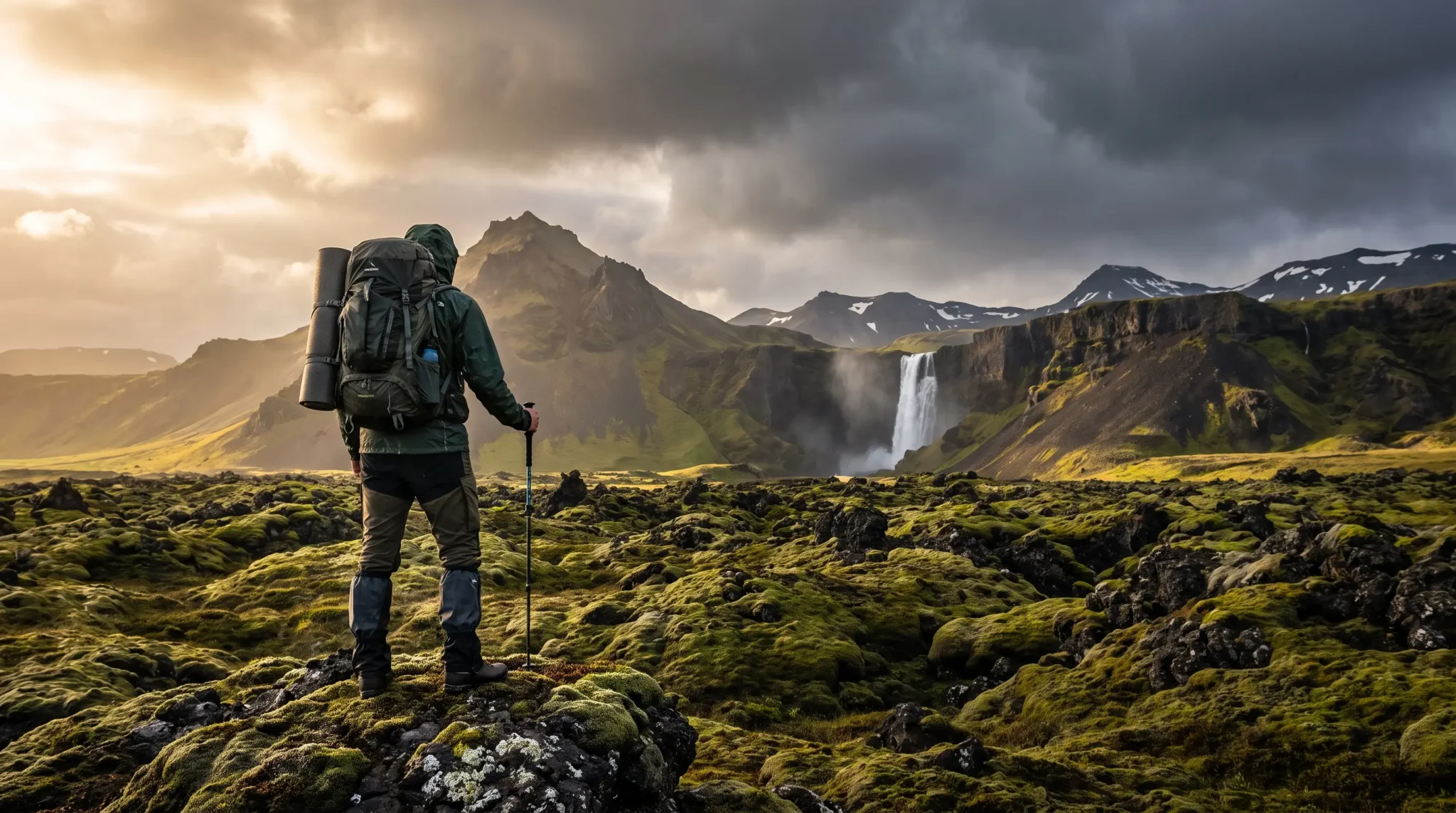
Icelandic weather doesn’t follow a script. Sun, wind, sleet, and fog can all show up before lunch, even in July. Layering is the only strategy that actually works: a moisture-wicking base layer, an insulating mid-layer like fleece or wool, and a waterproof, windproof outer shell.
Skip cotton entirely, since it holds moisture and offers no insulation once wet. Bring waterproof hiking boots with solid ankle support, because lava fields and glacier paths are uneven and often slick.
A pair of wool socks and a warm hat matter more than most people expect, even in summer months when temperatures still hover in the 50s Fahrenheit.
Rent a Car That Matches Your Route
Public transportation in Iceland is limited outside Reykjavik, so a rental car is the practical choice for most itineraries. The type of vehicle matters more here than in most countries. If your route stays on the Ring Road and paved sections of the Golden Circle, a standard two-wheel-drive car works fine.
But if you’re heading into the Highlands or crossing any road marked with an F on the map, you need a 4×4 with high clearance, and often a river crossing is part of the deal.
Those F-roads are closed for much of the year, typically opening between June and September depending on snowmelt. Check road.is before every drive, since conditions change fast and rangers do close routes without much warning.
Understand the Real Cost of Things
Iceland is expensive, and pretending otherwise leads to budget shock around day three. A basic sit-down meal often runs $25 to $35 per person, and a beer at a bar can cost $10 or more.
Groceries help stretch a budget considerably, and stores like Bonus and Kronan offer noticeably lower prices than convenience shops near tourist sites.
Gas prices also run higher than in much of North America and Western Europe, so factor fuel costs into any Ring Road plan. Many well-planned Iceland trips build in a mix of grocery-store lunches and the occasional restaurant splurge, which keeps costs manageable without sacrificing the experience.
Booking accommodations and major tours several months ahead also tends to lock in better rates before summer demand pushes prices up.
Respect the Land and Its Rules
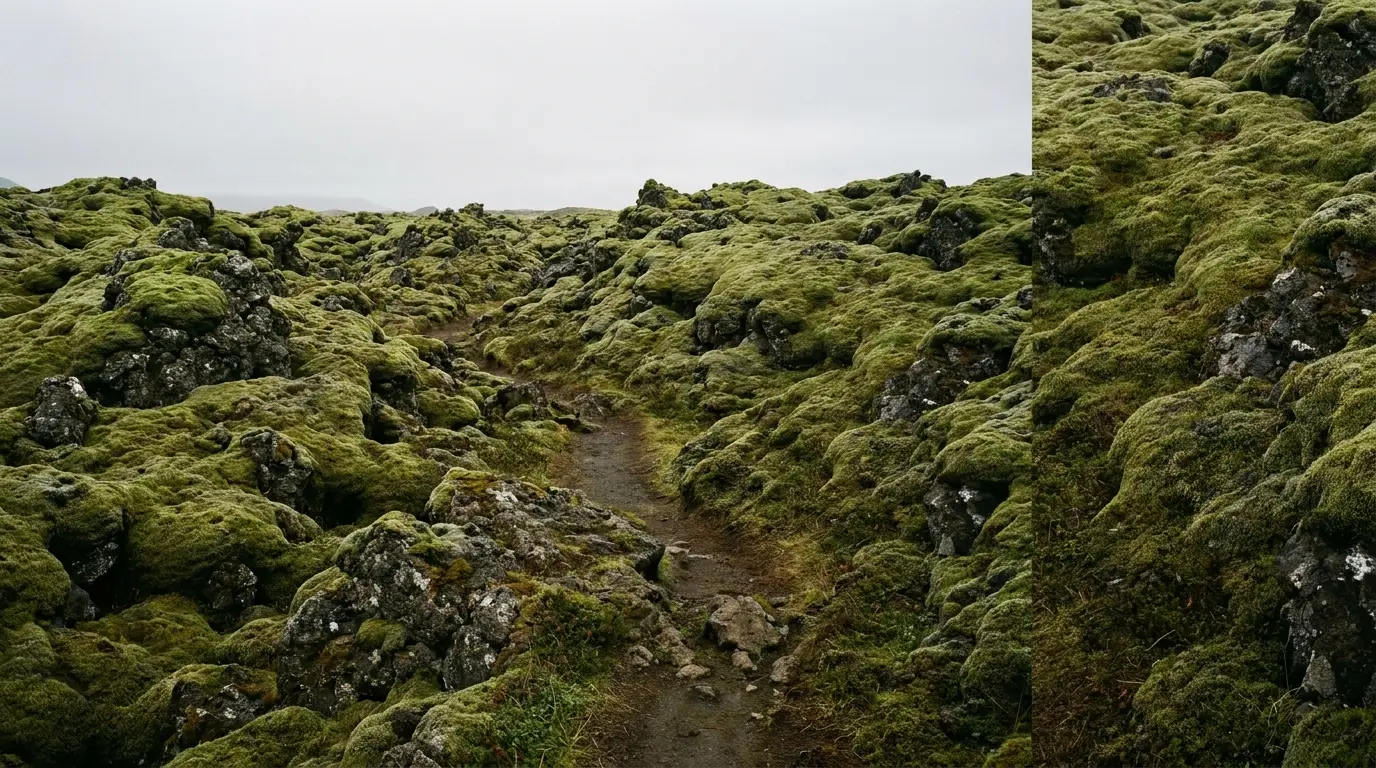
Iceland’s terrain looks rugged, but much of it is fragile. Moss covering the lava fields can take decades to regrow after being trampled, so staying on marked paths isn’t a suggestion, it’s a requirement enforced with real fines in popular areas like Fjaðrárgljúfur canyon.
Off-road driving is illegal everywhere in the country, including on what looks like an empty gravel patch. The penalties are steep, and rescue costs for stranded vehicles fall on the driver.
Wild camping also has restrictions that tightened in 2015, so pitching a tent requires either a campsite or landowner permission in most regions.
Plan Around Daylight, Not the Clock
Daylight swings to extremes depending on the season, and this affects trip planning more than most first-time visitors realize. In June, the sun barely sets, giving nearly 24 hours of usable light for driving and sightseeing. In December, daylight might last only four or five hours, concentrated around midday.
Winter visitors chasing the northern lights should plan flexible evenings, since clear skies and solar activity both need to align, and forecasts at vedur.is offer the most reliable aurora predictions.
Summer visitors, meanwhile, can pack more into each day but should still book popular sites like the Blue Lagoon or Diamond Beach parking in advance, since crowds cluster during peak light hours regardless of the actual time on the clock.
Book Key Experiences Before You Arrive
Certain activities sell out weeks in advance, particularly glacier hikes, ice cave tours, and snorkeling at Silfra fissure. These require certified guides for safety reasons, and last-minute availability during peak months of June through August is rare.
Reserving these ahead of time also lets you build the rest of the itinerary around fixed time slots rather than scrambling later.
The same logic applies to popular restaurants in Reykjavik and to South Coast tours during winter, when road closures can shift entire schedules overnight.
Getting these basics settled before departure changes the entire character of the trip. Instead of troubleshooting gear, budget surprises, or road closures once you’re already there, you get to spend that mental energy on the landscape itself, which is really the whole point of going in the first place.