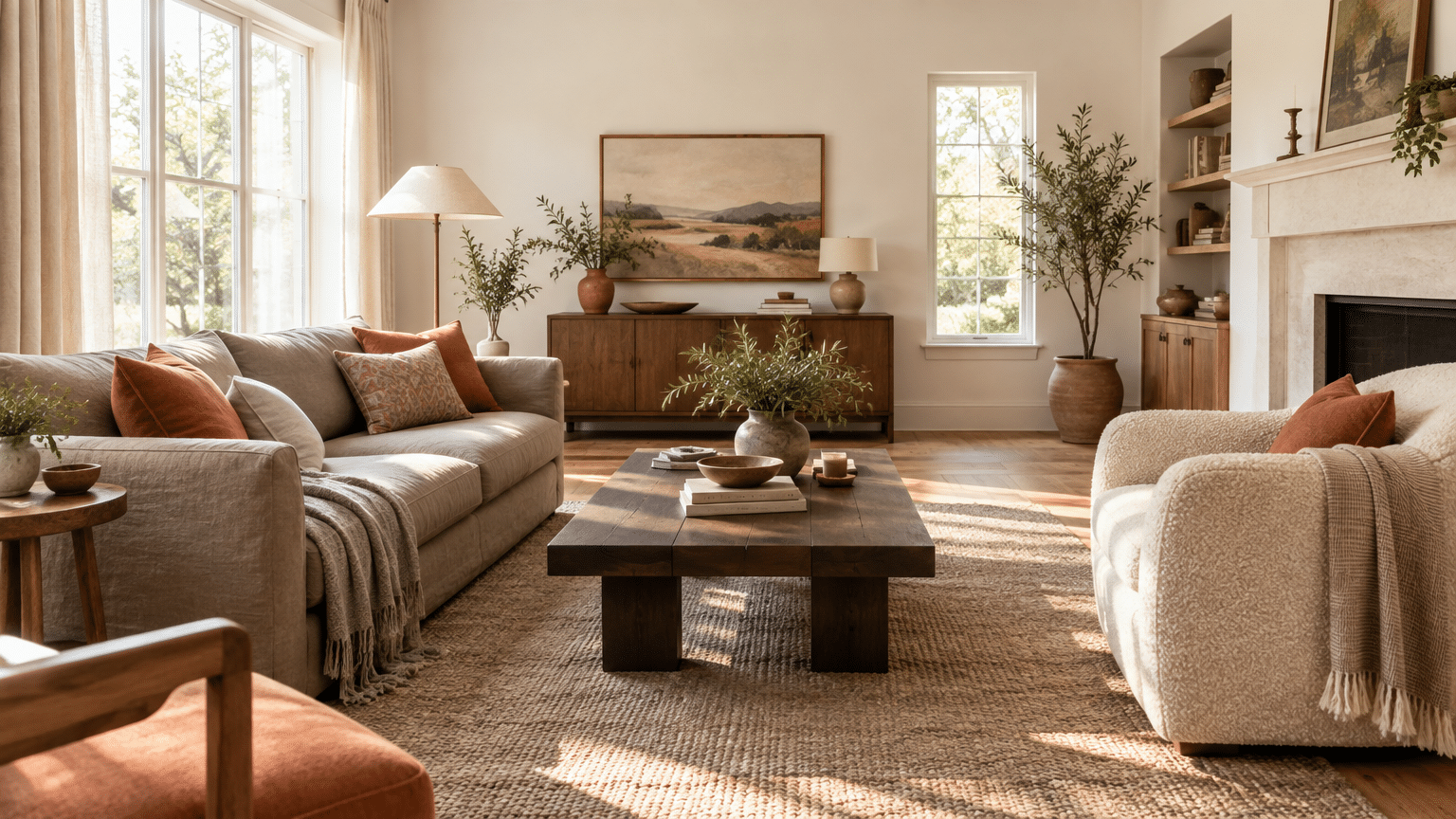
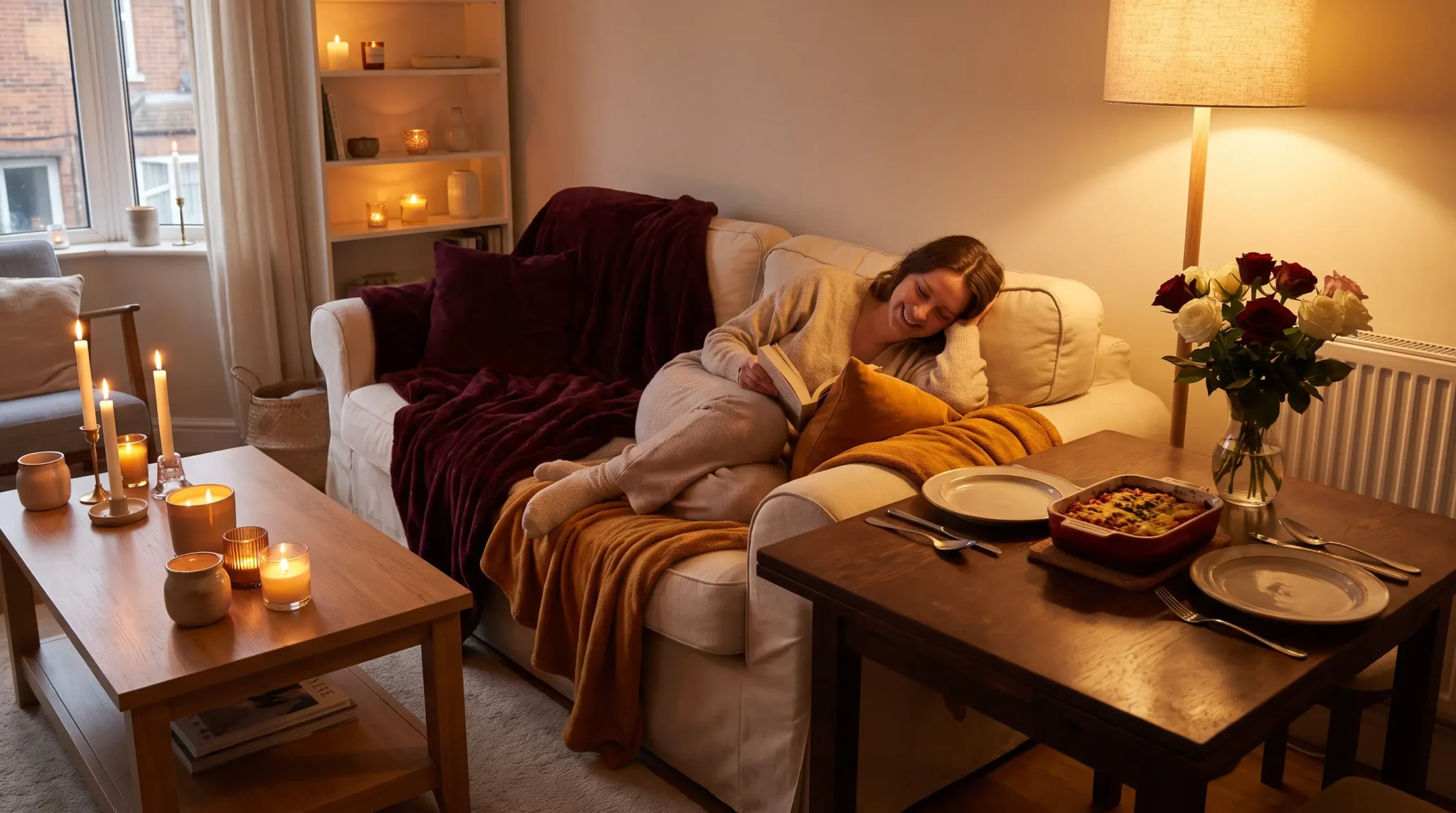
Choosing upholstery fabric might seem like a finishing touch, but in reality, it’s one of the most influential decisions in any interior scheme. The fabric you choose affects not only how furniture looks, but how it wears, feels, and fits into your everyday life.
Designers approach this process with a careful balance of practicality and creativity. And increasingly, they turn to trusted fabric specialists like Terrys Fabrics, known for offering a wide variety of upholstery options that blend durability with style.
As Billy Baldwin famously said, “Be faithful to your own taste, because nothing you really like is ever out of style.” With that in mind, here are nine expert-backed secrets designers use when selecting upholstery fabric.
1. They Start with How You Live
Before colour palettes or textures come into play, designers focus on lifestyle. A busy household with pets and children demands something very different from a formal sitting room.
This is where having access to a broad, practical range matters. Browsing collections like Terrys upholstery fabric gives homeowners a clearer sense of what’s available. Hardwearing weaves and softer, decorative finishes make it easier to match fabric choice to real-life use.
Nate Berkus has long championed this idea, noting that “Your home should tell the story of who you are.” That story starts with how you actually live in your space.
2. They Prioritise Durability Without Compromise
Durability is one of the first technical factors designers assess. Upholstery needs to withstand daily wear, and professionals often rely on rub tests (such as Martindale ratings) to determine longevity.
What sets experienced designers apart is their ability to balance durability with aesthetics. Established retailers like Terrys make this easier by offering options that don’t force a trade-off between strength and style. In other words, you don’t have to settle for something purely practical; you can have both.
3. Texture Does the Heavy Lifting
While colour often catches the eye first, texture is what creates depth and warmth in a space. Designers use tactile fabrics to add interest, even within neutral palettes.
Velvets, linens, chenilles, and woven blends all interact with light differently, subtly shaping the mood of a room. Terrys Fabrics’ diverse upholstery selection reflects this variety, giving homeowners the ability to experiment with finishes that feel layered rather than flat.
Coco Chanel’s words still resonate here: “Luxury must be comfortable, otherwise it is not luxury.” Texture is often what delivers that comfort.
4. They Build Layers Instead of Matching Everything
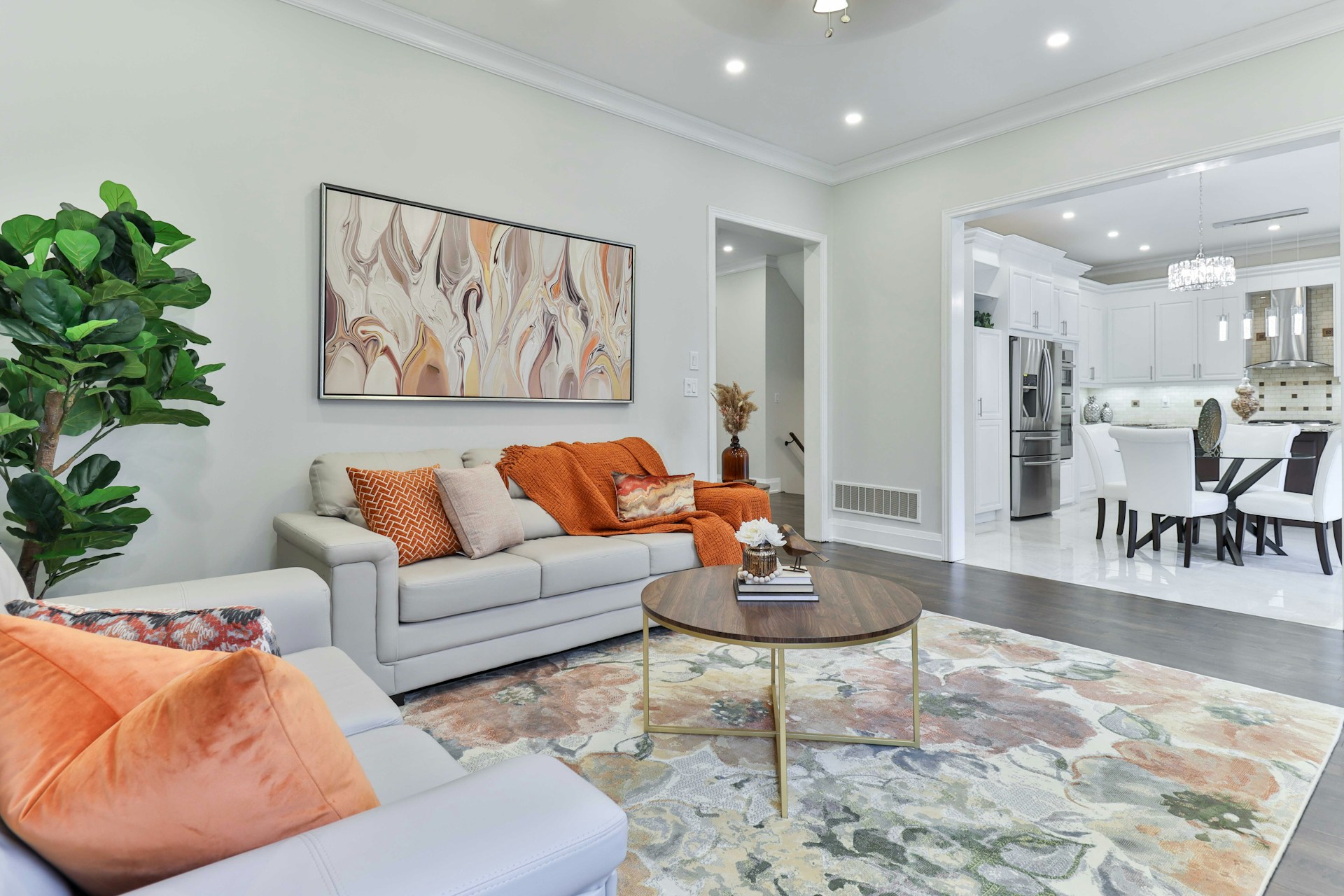
Perfectly matched furniture sets can feel flat and predictable. Designers avoid this by layering different fabrics, tones, and finishes.
For example:
- A structured sofa in a durable weave
- Accent cushions in softer or more textured fabrics
- Subtle contrasts between matte and sheen
This layered approach creates a more relaxed, lived-in feel. Having access to a wide range of upholstery options, such as those available through Terrys Fabrics, makes it easier to mix and match with confidence.
5. Pattern Is Used with Purpose
Patterns can completely transform a piece of furniture, but they need to be used thoughtfully. Designers consider scale, placement, and how the pattern interacts with the rest of the room.
Large prints tend to work best on bigger pieces, while smaller patterns are ideal for accents. The key is balance: allowing one element to stand out without overwhelming the space.
William Morris, a pioneer of textile design, once said, “Have nothing in your houses that you do not know to be useful, or believe to be beautiful.” Pattern selection sits right at the intersection of those two ideas.
6. They Always Test Fabrics in the Space
Lighting can dramatically change how a fabric looks. A colour that feels warm and inviting in a showroom might appear completely different at home.
Designers often take swatches into the space and view them at different times of day before making a decision.
7. They Balance Trends with Longevity
Trends can be tempting, but designers rarely commit to them fully when it comes to upholstery. Instead, they incorporate subtle nods to current styles while keeping the foundation timeless.
This might mean choosing a classic silhouette in a contemporary fabric, or introducing trend-led colours through smaller, interchangeable elements.
Terrys Fabrics’ broad range supports this approach, offering both timeless staples and more trend-conscious designs, making it easier to strike that balance.
Albert Hadley summed it up perfectly: “Decorating is not about making stage sets… it’s really about creating a quality of life.”
8. Maintenance Is Part of the Design Process
A beautiful fabric isn’t practical if it’s difficult to care for. Designers always factor in maintenance from the beginning, especially in high-use areas.
Stain-resistant fabrics, easy-clean finishes, and durable weaves are all part of the decision-making process. Choosing from reputable suppliers like Terrys Fabrics helps ensure that these practical considerations are built into the selection, not added as an afterthought.
It’s a small detail that makes a significant difference in how well a space functions over time.
9. They Consider Scale and Proportion Carefully
One detail that often separates professional-looking interiors from amateur ones is scale. Designers pay close attention to how upholstery fabric works in proportion to the furniture itself and the surrounding space.
For example, a bulky sofa upholstered in a heavy, dark fabric can feel overpowering in a small room. On the other hand, a lightweight fabric on a large piece may lack presence. The goal is balance, or ensuring the fabric complements both the size of the furniture and the room it sits in.
Large, bold designs can make a statement on bigger pieces, while smaller, more intricate patterns tend to suit compact furniture or subtle accents.
This is another area where having a wide selection is invaluable. Collections like those from Terrys Fabrics allow homeowners to compare different weights, finishes, and pattern scales, making it easier to find something that feels proportionate rather than overwhelming.
Conclusion
Selecting upholstery fabric is a layered process that goes far beyond choosing something that looks good. Designers think about how a fabric will perform, how it interacts with light and texture, and how it fits into the broader story of a home.
By drawing on trusted sources like Terrys Fabrics and applying these professional insights, it becomes much easier to make choices that feel both stylish and practical.
Ultimately, the goal isn’t perfection. It’s creating a space that works beautifully for the way you live.