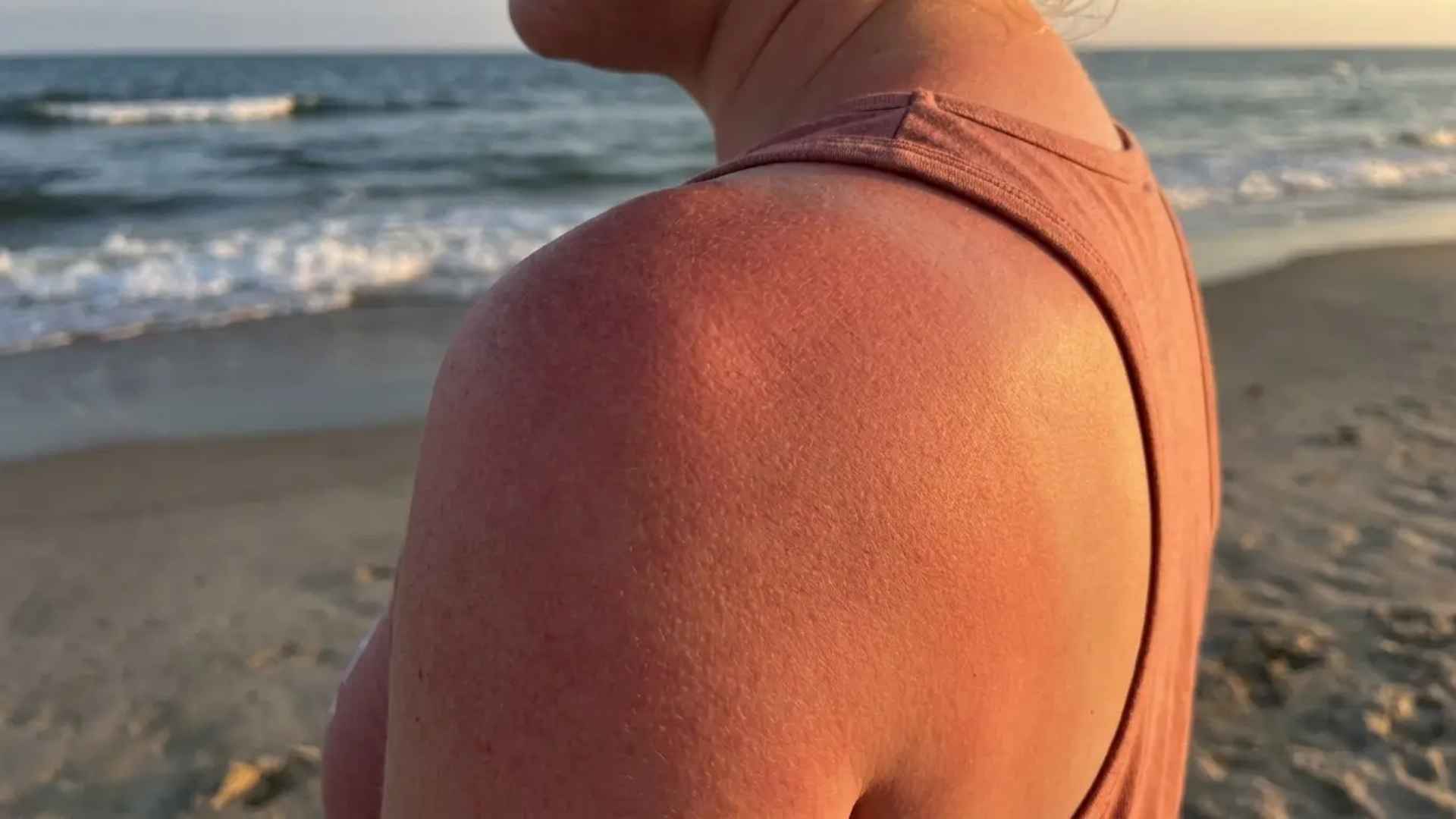
If you’re sitting there feeling like your skin is one size too small, I get it. I’ve been there too- the kind of red that makes your bra strap feel like a knife.
Cool it down, drink some water, moisturize with something gentle. That’s basically it. You don’t need a whole routine tonight, just those three things, done properly.
Trust me, I’ve had my own lobster moments too, even with a job in skincare. So let’s get you feeling human again.
Sunburn SOS for Overnight Relief
|
Why Does Sunburn Hurt So Much?
That tight, hot, almost sunburnt-from-the-inside feeling isn’t random; it’s your skin’s inflammation response kicking in.
When UV rays damage skin cells, your body rushes extra blood and fluid to the area to try and repair things, and that’s what causes the redness, swelling, and heat you’re feeling right now.
Your skin is also pulling water up toward the surface, which is why sunburned skin often feels tight and dehydrated even if you’ve been drinking enough water.
The skin isn’t broken; it’s just working overtime to protect itself. It’s doing its job, just a little too intensely, and once you understand that, the whole healing process makes a lot more sense.
Quick caution: skipping sunscreen, even “just for a bit,” is how sunburns sneak up on you. Don’t skip it, don’t forget it, your skin remembers every missed layer, even the day after.
7 Tips on How to Heal a Sunburn Fast
Sunburn recovery isn’t complicated; it’s just a few steps done in the right order. Follow these one by one, and you’ll feel the difference fast.
1. Cool the Skin Down Immediately
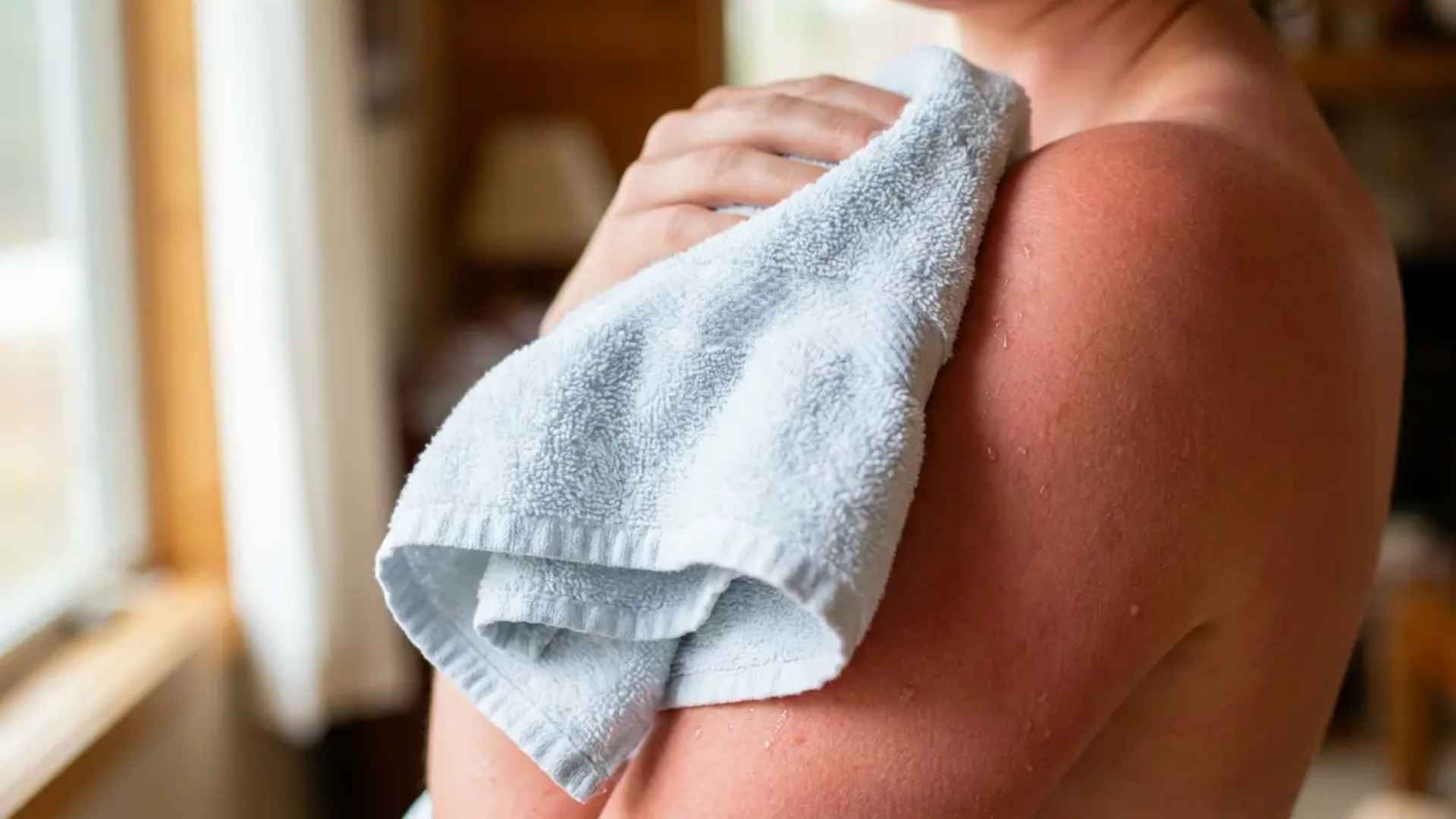
The first move is always the same: bring the temperature down. A cold shower, a cold compress, or a damp towel pressed gently against the burn all work well.
Keep it cool, not freezing, and never place ice directly on sunburned skin since the sudden temperature shock can damage it further.
2. Drink Water Like It’s Your Job
Sunburn pulls moisture straight out of your skin, which is exactly why you feel so tight and parched afterward. Replacing that water from the inside speeds up healing and eases the discomfort.
Plain water works, but electrolyte drinks help too if the burn is severe or you were out sweating for hours.
Pro tip: Keep a bottle next to your bed tonight; sunburned skin keeps pulling water even while you sleep.
3. Moisturize With Aloe Vera (Skip the Petroleum Stuff)
This is the step that actually calms things down. Pure aloe vera gel or a moisturizer with soy soothes inflammation and adds back the hydration your skin desperately needs.
Avoid anything with alcohol, added fragrance, petroleum jelly, or “-caine” numbing ingredients; they can irritate damaged skin further. Vinegar is a hard no here too; it’s acidic and only adds damage.
Product to use: A pure aloe vera gel, or a fragrance-free moisturizer formulated for sensitive, sun-exposed skin.
4. Take an Anti-Inflammatory if You Need To
If the pain feels like more than you can sit with, an over-the-counter option like ibuprofen can bring down swelling and ease discomfort, especially when taken soon after sun exposure.
If you’re unsure about dosage or have other health conditions, check with a doctor or pharmacist first rather than guessing.
5. Out of the Sun While It Heals
Sunburned skin is already compromised, so more sun exposure only sets healing back. Stay indoors when possible, and if you do step out, cover up with loose, breathable fabric instead of relying on sunscreen alone.
Avoid applying sunscreen directly over blistered or broken skin until it’s healed enough to handle it.
6. Skip the Hot Showers
Hot water might feel comforting, but on sunburned skin it strips moisture and makes the sting worse almost instantly. Stick to lukewarm water for showers and washing up until the burn has calmed down.
Gentle, fragrance-free cleansers are your friend here; anything harsh will only irritate skin that’s already working overtime.
7. Let Your Skin Breathe
Tight clothes and rough fabric rub against sunburned skin and slow down healing. Switch to loose, breathable fabric like cotton for a few days, especially over the areas that got hit hardest.
Bedsheets matter too; softer, looser sleepwear makes a real difference overnight. If certain fabric feels like sandpaper, that’s your sign to swap it out immediately; don’t push through the discomfort.
Common Mistakes to Avoid While Battling Sunburn
Just as important as what you do is what you skip. A few common habits actually slow healing and make things worse.
- Skip the popped blisters. Popping invites infection and slows healing; let them settle and heal naturally.
- No hot showers. Hot water strips moisture and worsens the sting; lukewarm is the only way to go.
- No harsh exfoliants or scrubs. Scrubbing damaged skin causes more irritation and can tear already fragile, healing skin.
- No “-caine” numbing sprays. These can irritate skin further or trigger allergic reactions on already sensitive, sunburned areas.
- Never use vinegar or toothpaste. Both are acidic or irritating; they add damage instead of soothing anything at all.
Skip the shortcuts, skip the kitchen remedies, and let your skin recover the gentle way instead.
How Long Does Sunburn Take to Heal?
Healing time depends on how deep the burn goes. First-degree sunburns clear up in a few days. Second-degree burns can take one to three weeks, sometimes with blisters. Third-degree burns are rare, serious, and need medical care right away.
When Your Sunburn Starts Peeling
Peeling looks alarming, but it’s just your body clearing out damaged skin cells to make room for new, healthy ones underneath. It usually kicks in three to eight days after the burn, once the initial redness has calmed down a bit.
The best thing you can do during this stage is moisturize often. Reach for something with aloe or soy, applied several times a day, to keep the new skin underneath hydrated and comfortable.
Dry, flaky skin peels more aggressively, so consistent moisture actually slows the process down and makes it far less annoying.
Whatever you do, don’t pick at the peeling skin. It might feel satisfying for two seconds, but picking can expose unhealed skin underneath, invite infection, and leave marks that take longer to fade than the peeling itself.
When to See a Doctor for a Sunburn
Most sunburns heal fine at home, but some don’t. See a doctor if you notice fever, chills, dizziness, large blisters, or signs of infection like pus and spreading redness. For more on signs of heat illness, the CDC’s page is a helpful, trustworthy resource.
How to Stop Sunburn From Happening Again
Prevention really comes down to a few basics, done consistently. Get these right and future sunburns become a lot less likely.
- SPF 30+, always: Broad-spectrum protection is non-negotiable, even on cloudy or overcast days outside.
- Reapply every two hours: More often if you’re swimming, sweating, or toweling off frequently.
- Seek shade, 10 am to 4 pm: This window has the strongest, most damaging UV rays outdoors.
- Cover up smartly: Loose, breathable clothing adds a real physical barrier against harsh sun exposure.
- Wear sunglasses: UV rays affect your eyes too, not just your skin.
For a quick daily check, the daily UV index forecast is worth a glance before you plan your day outside.
Final Words
Sunburns are annoying, but they’re also fixable, and now you’ve got the exact steps to speed things along. Cool it down, hydrate from both sides, moisturize with the right ingredients, and let your skin do its thing.
Sunburns happen, even to those of us who preach sunscreen daily. What matters is how you handle the next 24 to 48 hours, and now you know exactly what that looks like.
Save this page for the next time the sun gets the better of you “because let’s be honest, it probably will”.And if you’ve got a sunburn hack that’s saved you in the past, drop it in the comments; I’d genuinely love to hear it.
What People Usually Ask
Does Sunburn Turn Into a Tan?
Yes, eventually. As skin heals, melanin production increases, often leaving a tan behind once the redness fades completely.
Can You Get Sunburned Through a Window or On a Cloudy Day?
Yes, UVA rays pass through glass and clouds, so sunburn is possible even indoors or under overcast skies.
Can Dark Skin Get Sunburned?
Yes, definitely. Melanin offers some natural protection, but it doesn’t make darker skin immune to sun damage or burning.
Is It Okay to Put Ice on a Sunburn?
No, avoid direct ice contact. Use a cold compress instead; ice can shock and further damage already sensitive skin.
How Fast Does Sunburn Redness Actually Fade?
Mild redness often fades within three to five days, though deeper burns can take one to two weeks