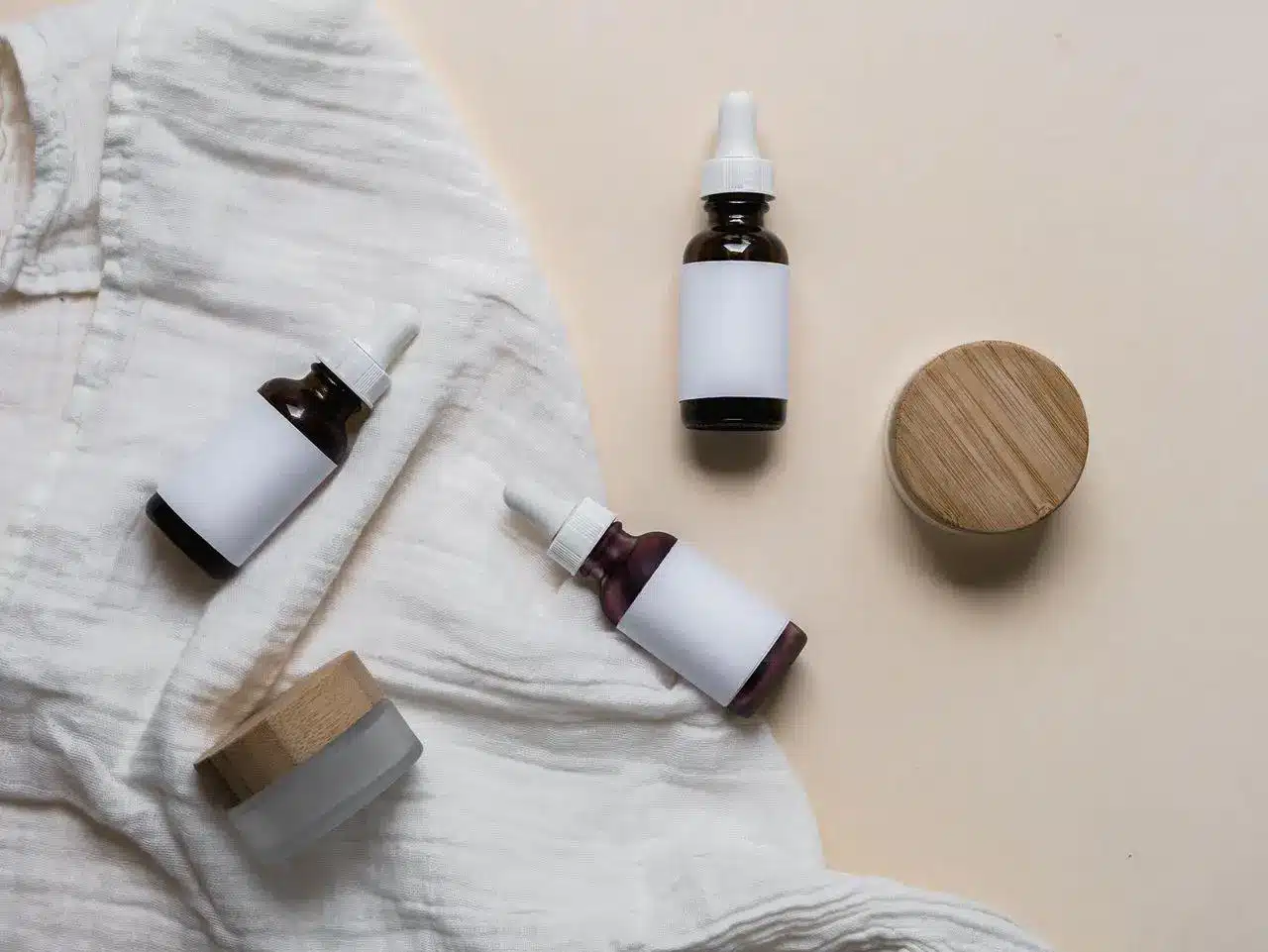
Looking to launch your own skincare brand? Thanks to white label skincare, you no longer need your own laboratory, so it’s easier than ever. Still, you do need to know what you are actually buying.
White label skincare can get a product line into customers’ hands much faster than developing every formula from scratch. Spas can add branded retail products, salons can create another revenue stream, and entrepreneurs can test a business idea without taking on the cost of full-scale product development.
But of course, there is a bit of a catch here. Your brand name goes on the bottle, and so, your reputation goes with it. If the formula is poor, the labeling is sloppy, or the manufacturer cannot provide useful quality documentation, the same shortcut can become an expensive detour.
So, here’s everything you need to know about white label skincare, including how it compares to private label, how to choose the right supplier, and how to evaluate whether it fits your business model.
White Label vs. Private Label: What’s the Difference?
These two terms get used rather loosely in skincare, but there is a useful distinction. Here’s what you need to know:
- White label: With this model, you usually select an existing formula from a manufacturer’s range and put your own branding on it. You get a product that is already formulated, rather than paying to develop one from scratch.
- Private label: This can involve more customization. Depending on the manufacturer, you might modify an existing formula, choose particular ingredients, or develop something specifically for your brand.
In short, what makes white label particularly attractive is simplicity and speed. If you want to launch quickly or test demand without ordering a mountain of inventory, it’s the logical choice. Private label makes more sense when the formula itself needs to help differentiate your business.
Why Many Businesses Use White Label Products
The economics are pretty simple. You can sell a branded product without maintaining your own formulation lab, hiring cosmetic chemists, or figuring out manufacturing from the ground up.
For a spa or salon, that can mean turning products you already recommend into retail items under your own name. For an online brand, it offers a relatively straightforward way to test a product category before investing heavily in custom development.
There is a trade-off, though. If another company can buy the same formula, your product is not unique because of the formula. In that case, your advantage has to come from the brand, customer experience, positioning, packaging, service, or some genuine customization.
Start With the Formula, Not the Label
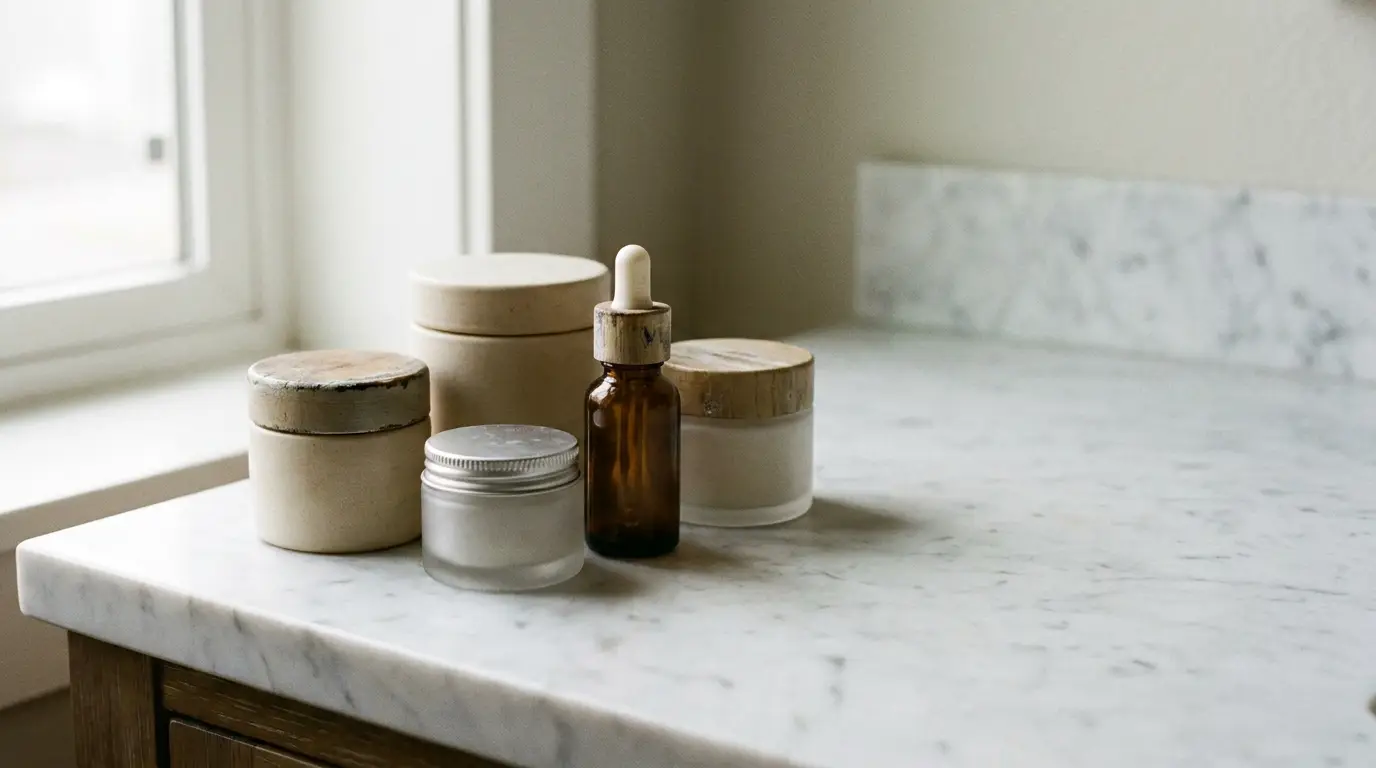
A nice bottle can hide a mediocre product. So don’t pay too much attention to design; instead, pay close attention to what is actually inside it.
Check the INCI ingredient list first, which uses standardized ingredient names, but make sure you look beyond the first few ingredients. Pay close attention to:
- Preservatives & Stabilizers: Ensure the preservation system is robust and suitable for your target audience (e.g., paraben-free, broad-spectrum).
- Fragrances & Allergens: Identify potential sensitizers that could trigger customer complaints or reactions.
- Actives & Claims: Verify that active ingredients are included at effective concentrations that support the marketing claims you intend to make.
Then ask the manufacturer what testing and safety documentation is available. FDA does not pre-approve most cosmetic products before they reach the market, but businesses selling cosmetics still have legal responsibilities around product safety and labeling. Under MoCRA, responsible persons must maintain adequate safety substantiation for their products.
Finding a Manufacturer You Can Actually Work With
When you’re searching for a private label skincare manufacturer, do not stop at its product catalog. You are choosing a production partner, not buying a moisturizer from a shelf.
So, ask about ingredient sourcing, batch consistency, quality controls, samples, documentation, packaging, and how the company handles problems. You should also know who is responsible for each part of compliance before your first order goes into production.
Samples, MOQs, and Lead Times
Never approve a product from a photo and a description alone. Get samples and evaluate the formula, packaging, labeling, consistency, and how it performs over time.
Then look at the commercial side. MOQ (minimum order quantity) can turn a promising product into a cash-flow headache, especially if you are launching several SKUs at once.
Lead time deserves the same attention. Bulk production typically takes around 8–12 weeks, while stocked products may ship much sooner. It’s a difference that can matter if you sell through a seasonal campaign or run out of a product that suddenly takes off.
Also calculate the real cost, not just the price per unit. Labels, containers, testing, freight, storage, and packaging can change the numbers quite a bit.
So, Is White Label Skincare Worth It?
Often, yes, particularly when you need to get a good product to market without taking on full formulation development. However, it’s less compelling if your entire business depends on having a formula nobody else sells. In that case, private label customization or a genuinely custom formulation may justify the additional time and cost.
The sensible approach is to match the manufacturing model to the stage of your business. Start with an existing formula if you need to test an idea, and spend more on customization when you have evidence that the product deserves it.