Designer perfumes still have a strong place in beauty retail, but they are no longer the only fragrances customers want to explore. Shoppers are paying more attention to Arabic scents, niche brands, smaller fragrance houses, and products that feel less familiar than the usual department-store line-up.
That shift matters for retailers.
A wider range gives customers more reasons to browse, compare, and discover something new. For retailers sourcing internationally, perfume wholesale in Europe can be a useful way to access established brands alongside newer fragrance categories.
Price plays a part too. Not every customer wants to spend designer-level money on every bottle, especially when other brands can offer strong performance, distinctive packaging, and interesting scent profiles at different price points.
The opportunity is not about replacing designer perfumes.
It is about building a selection that reflects how people shop now: more choice, more discovery, and fewer predictable shelves.
Why Are Designer Perfumes No Longer Enough for Every Retailer?
Designer perfumes remain easy to recognise and easy to explain. Customers know the names, the bottles, and often the scent before they walk into the store.
But familiarity can become a limit.
A shop that carries only the same brands as every large retailer has less room to stand out. Customers can compare the same bottle across several websites in seconds, which puts more pressure on price.
Alternative brands give retailers another angle.
They can introduce something the customer has not already seen ten times, offer different price points, and create a stronger sense of discovery.
Designer brands still belong in the mix. They just do not need to be the whole mix.
What Are Shoppers Looking for Beyond Designer Fragrances?
Customers are exploring products with stronger identities, different scent profiles, and more variety in price.
Three categories stand out.
Arabic Perfumes
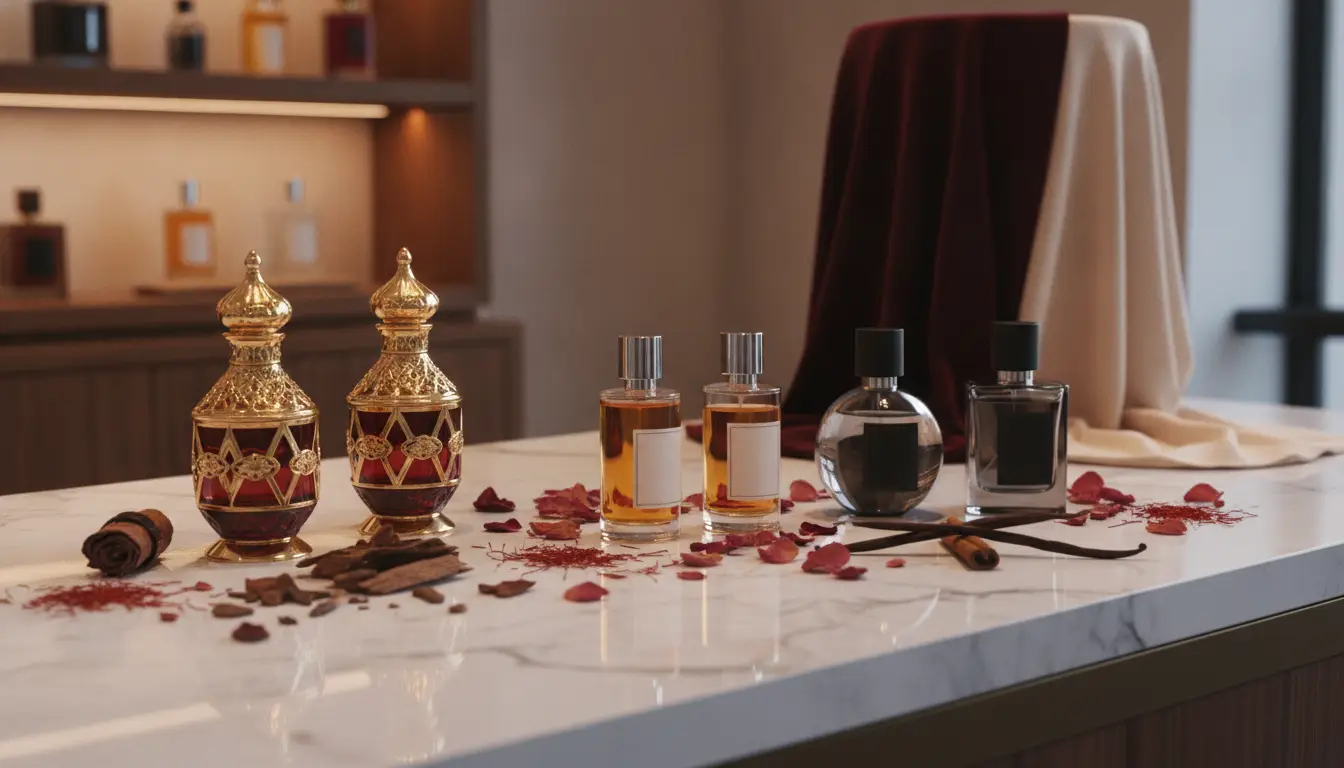
Arabic fragrances have gained attention for rich notes, strong presentation, and bold scent profiles.
Oud, amber, musk, vanilla, saffron, rose, woods, and spices appear often in these collections. Many bottles feel warm, intense, and more noticeable than light everyday scents.
The category works well for customers who want something distinctive without automatically moving into luxury designer pricing.
Packaging helps too.
Many Arabic brands use decorative bottles and gift-ready boxes, which gives the product more shelf presence and makes it easier to position as a present.
Niche Fragrances
Niche fragrances appeal to customers who care more about scent character than brand recognition.
These products often focus on unusual combinations, stronger creative direction, or a smaller brand identity. A shopper may choose them because they want something less common, not because they recognise the logo.
That creates a different type of sale.
The conversation moves away from “Which famous brand do you want?” and closer to “What kind of scent do you actually like?”
Smaller and Less Familiar Brands
Smaller brands give retailers more room to create their own selection.
They can fill gaps between mass-market products and high-end designer bottles. Some offer simpler pricing, more unusual packaging, or scent profiles that feel new to customers.
The main advantage is differentiation.
If every retailer carries the same 20 bottles, the product becomes easy to compare. A less familiar brand gives the shop more space to explain, recommend, and build interest around the product itself.
Why Do Alternative Fragrance Categories Work Well in Retail?
Alternative fragrance categories work well because they give retailers more control over price, assortment, and product discovery.
That can improve both the shopping experience and the commercial offer.
More Variety for Different Budgets
Not every customer shops at the same price point.
A balanced range can include premium designer bottles, mid-range brands, Arabic scents, minis, and more accessible alternatives.
That creates more entry points.
A customer who does not want to spend £100 on one bottle may still be happy to buy something distinctive at £30, £40, or £50.
Price variety helps retailers serve more people without turning the range into a discount shelf.
Stronger Product Differentiation
A broader range gives a store more personality.
Two retailers can stock the same designer brands and still look almost identical. Add less common products, and the offer starts to feel more curated.
That matters online too.
Product pages, social content, gift guides, scent comparisons, and recommendations become more interesting when every item is not already familiar.
More Room for Discovery and Repeat Purchases
Fragrance shopping is often driven by curiosity.
Someone may come in for one bottle and leave with a second scent for evenings, travel, gifting, or a different season.
Alternative brands support that behaviour because they give customers more to explore.
A retailer can create categories around mood, price, scent family, season, gender, or occasion rather than relying only on brand names.
That makes the range easier to revisit.
How Can Retailers Build a More Balanced Fragrance Range?
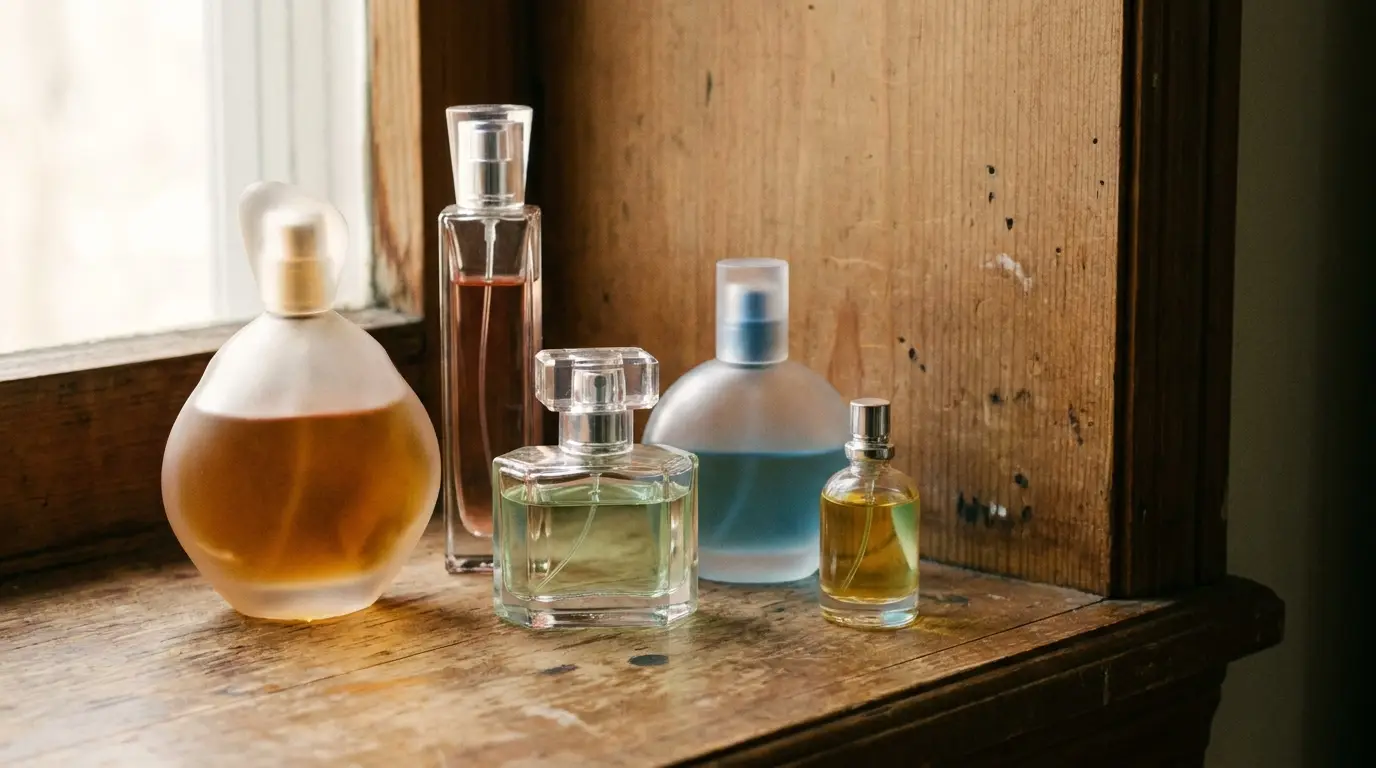
A balanced range should cover different budgets, scent styles, and customer types without becoming confusing.
I would start with four areas:
- recognised designer brands
- Arabic fragrances with strong visual and scent identity
- niche or smaller brands
- minis, gift sets, or lower-cost entry products
The goal is not to stock everything.
The goal is to give customers clear choices.
A fresh everyday scent should sit next to deeper evening options. Sweet fragrances should not dominate the whole range. Woody, musky, floral, spicy, and clean profiles should all have some space.
Price needs the same balance.
A range with only expensive bottles can feel restrictive. A range built only around cheap products can feel weak.
Mixing price points gives customers more freedom and gives retailers more ways to recommend a product that fits the budget.
What Should Retailers Check When Choosing a Perfume Supplier?
A good supplier should make the range easier to manage, not harder.
Before placing an order, retailers should check:
- product authenticity
- available brands and categories
- minimum order values
- stock availability
- restocking options
- delivery times
- invoices and commercial documentation
- communication and support
The cheapest offer is not always the best one.
A low price loses value quickly if the product is constantly out of stock, delivery is unreliable, or the retailer cannot reorder what already sells.
For repeat business, consistency matters.
A supplier that carries designer, Arabic, niche, and other beauty categories can give retailers more flexibility when planning future orders.
Final Thoughts: Why a Broader Fragrance Range Makes Sense for Retailers
Fragrance retail is moving beyond designer perfumes because customers want more than familiar names.
They want different price points, stronger scent identities, new brands, and products they have not already seen everywhere.
Designer fragrances still matter.
But a broader selection gives retailers more room to stand out, test new categories, and serve different types of customers.
The strongest range is not the one with the most bottles.
It is the one where every product has a reason to be there.