My friend bought the same foundation three times before she gave up on it. Perfect match in the store mirror, perfect match at 8am, and by the time she got to lunch her face had gone a shade she described as “budget spray tan.”
She assumed she kept picking the wrong number. She wasn’t. The bottle was changing color on her face, and no amount of restocking the same shade was going to fix that.
Why Does Foundation Turn Orange on Your Skin?
Because the pigments in it are reacting with your skin, not because you chose badly. The effect is called oxidation, and it happens after the foundation is already on your face.
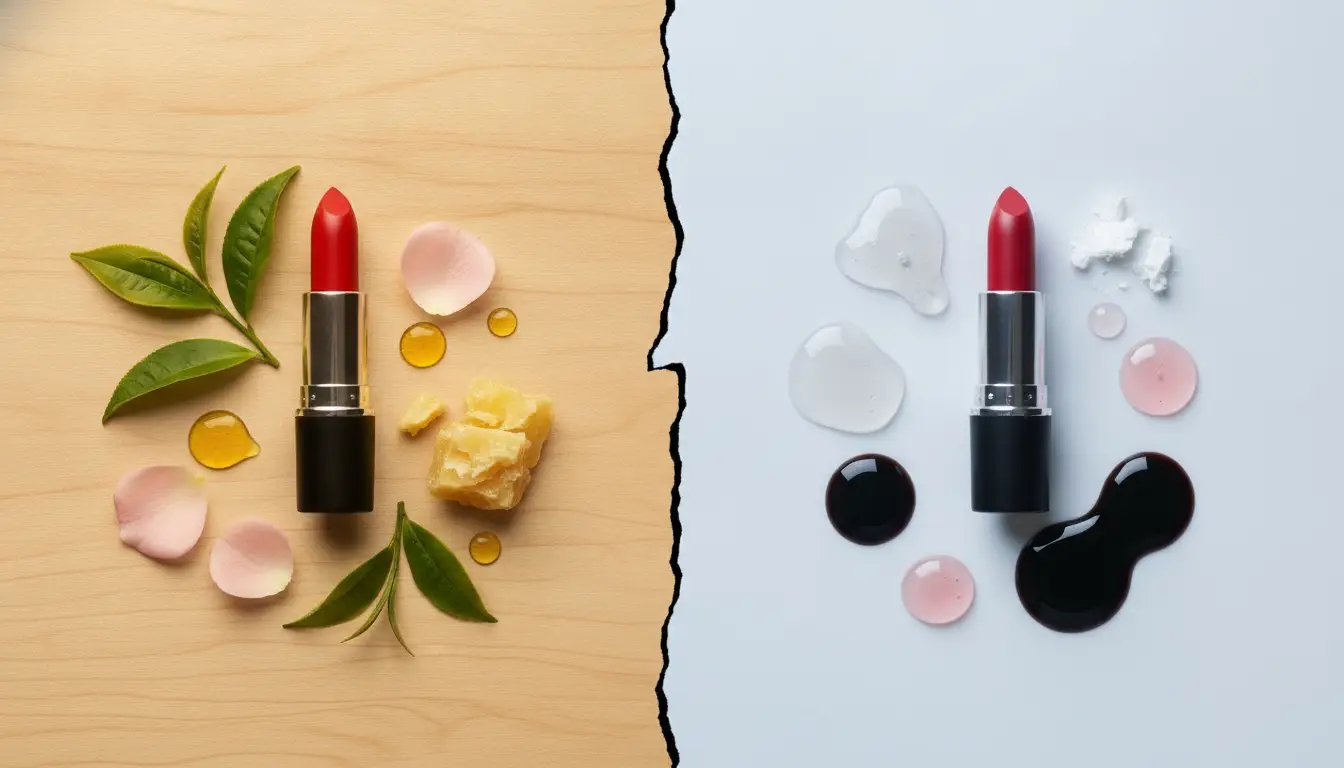
Most foundations get their color from iron oxides, the same mineral pigments that give the earth its red and yellow tones. Once those pigments sit in contact with air and with the oil your skin produces through the day, the color can shift warmer. Yellow and red read louder, and the overall tone drifts toward orange.
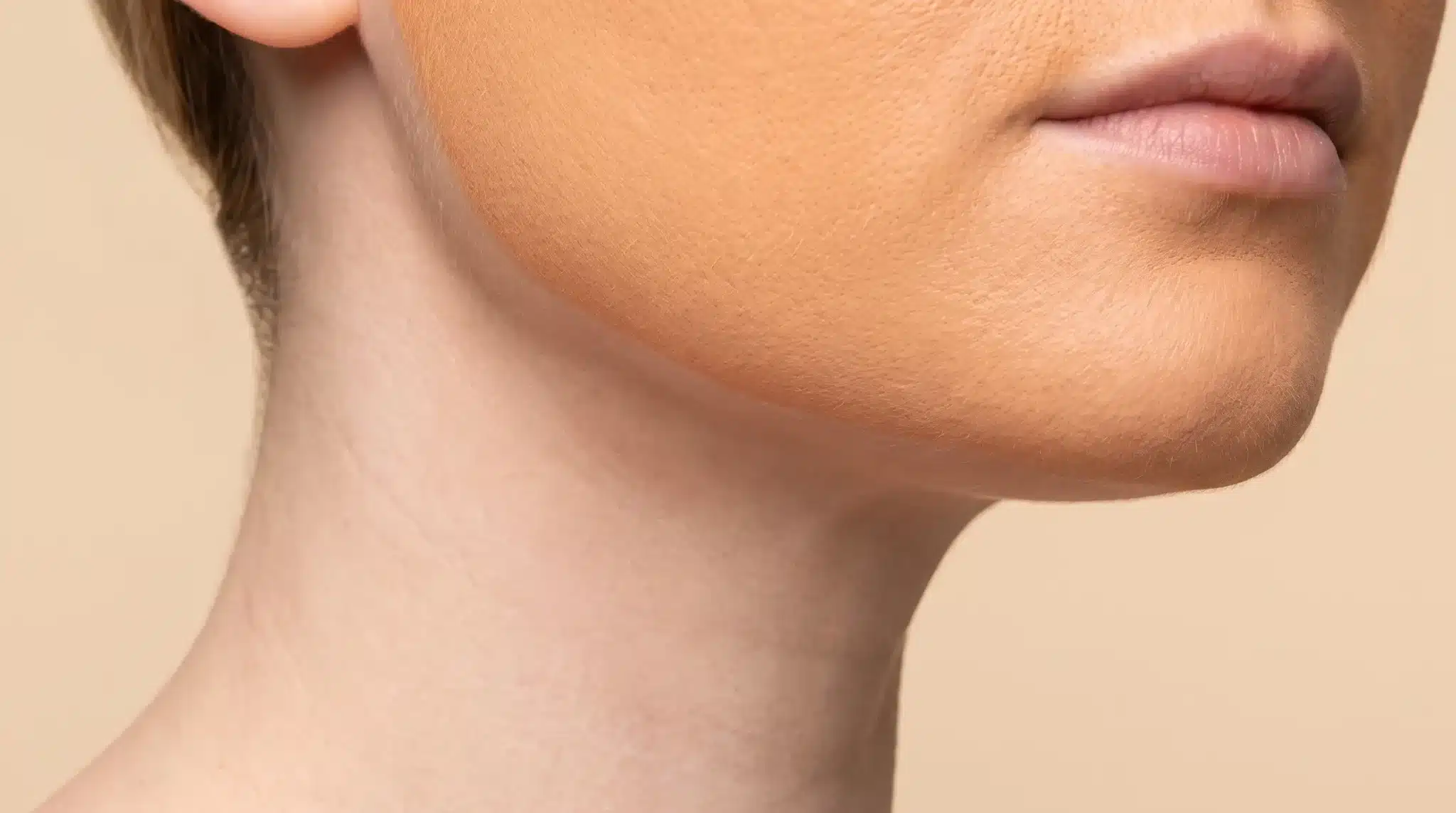
The people searching this usually fall into two groups: someone who has just noticed their face doesn’t match their neck in photos, and someone standing in a store trying not to repeat the mistake. Both need the same information, which is that the shade on the shelf is not always the shade you end up wearing.
Is It Oxidation or Did You Just Buy the Wrong Shade?
Worth separating, because the fixes are completely different.
If the foundation looks wrong the second you blend it in, that’s a shade or undertone mismatch. If it looks right for the first hour or two and then drifts, that’s oxidation. If it looks right all day but comes off on your collar, that’s a wear issue and a different problem again.
| What you’re seeing | Likely cause | What actually helps |
| Wrong from the moment you blend | Shade or undertone mismatch | Different shade, or a formula that adapts |
| Fine at first, orange by midday | Oxidation | Primer, powder, lighter application |
| Right color but patchy | Dry skin or product buildup | Exfoliate, hydrate, thinner layers |
| Right color but on your shirt | Poor wear or no setting step | Setting powder or spray |
Quick tip: Swatch on your jaw, not your hand, then leave it for 20 minutes before you decide. Most shade mistakes are actually oxidation you didn’t wait around to see.
What Causes Foundation to Oxidize?
A few things stack up, and it’s rarely just one of them.
Your skin’s oil. Sebum is the biggest factor. It breaks down the film the foundation forms and lets pigment move and concentrate. This is why oily skin sees the shift faster and more dramatically.
Air exposure. Iron oxides sitting on the surface of your face are in contact with air all day. That contact alone can push the tone warmer.
Your skin’s pH. Skin sits slightly acidic, and some formulas are more sensitive to that than others. A foundation that behaves perfectly on one person can turn on someone else with identical coloring.
Product layering. Certain skincare ingredients underneath, particularly some sunscreens and silicone-heavy primers, can interact with what goes on top.
None of this is a defect. It’s a normal chemical reaction happening on a surface that is warm, slightly acidic and producing oil.
Does Skin Type Change How Fast It Happens?
Yes, and it’s the single biggest variable.
Oily skin usually sees the shift within two to four hours, concentrated across the T-zone where oil production is heaviest. Dry skin can go most of the day without much change, though foundation there tends to fail differently by clinging to flaky patches instead.
Combination skin often gets the worst version, where the cheeks stay true and the center of the face goes orange, which reads as patchy rather than uniformly wrong.
How Do You Stop Foundation From Oxidizing?
You can’t stop the chemistry, but you can slow it down enough that it stops mattering.
- Use a primer as a barrier. It puts a layer between your sebum and the pigment, which is the interaction doing most of the damage.
- Apply less than you think you need. Thinner layers oxidize less noticeably because there’s simply less pigment to shift. Build up in the areas that need it instead of coating the whole face.
- Set with powder. A light dust of translucent powder across the T-zone absorbs oil before it reaches the foundation film.
- Blot instead of adding more. Adding product on top of oxidized foundation makes the color heavier. Blotting removes the oil that’s causing it.
- Close the bottle properly. Pigment can oxidize in the container too, particularly in pump-free bottles that sit open on a counter.
Quick tip: If your foundation only goes orange in summer, it’s not the formula, it’s the extra oil and sweat. The same bottle often behaves fine in winter.
What About Foundations That Adapt to Your Skin Tone?
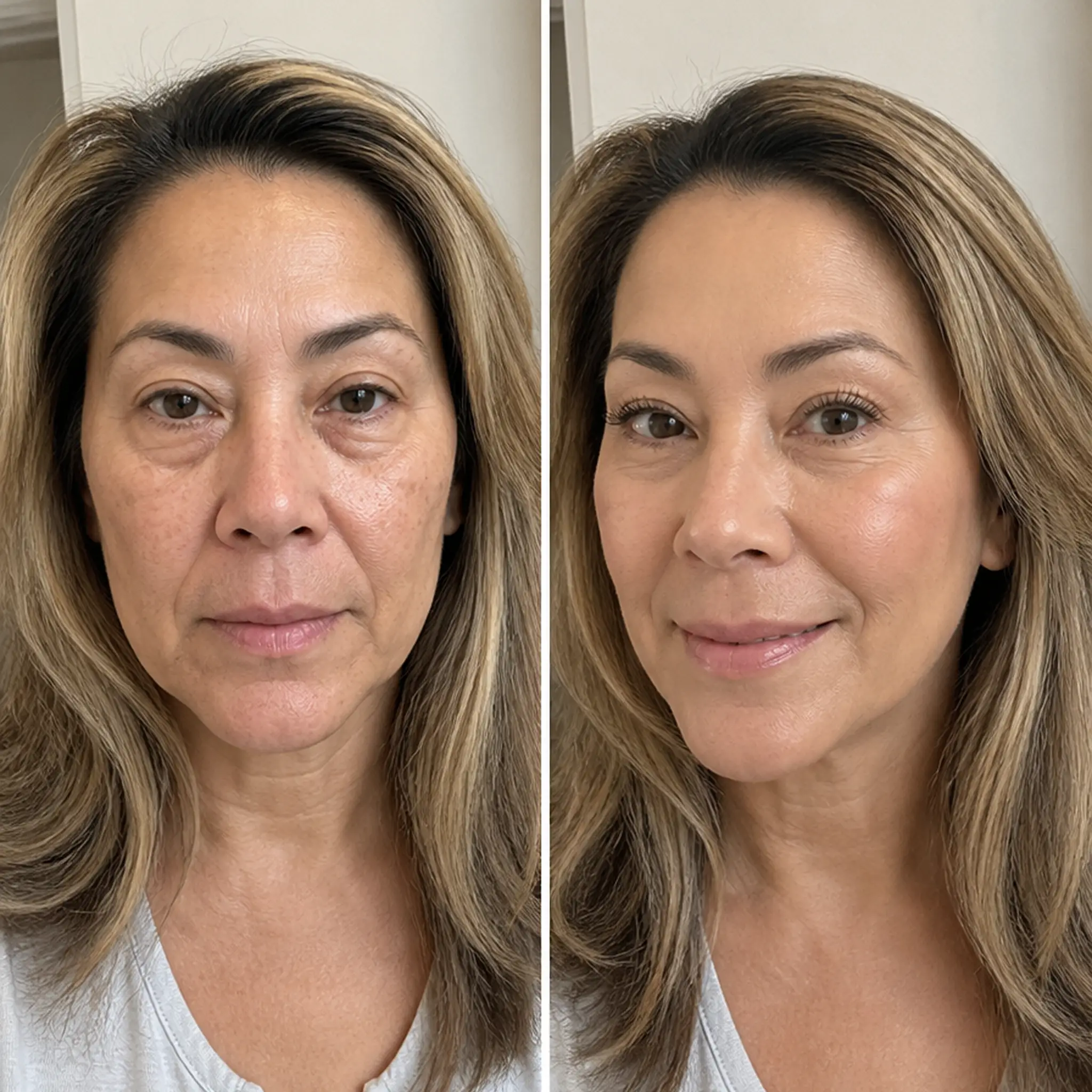
This is the newer answer to the problem, and it works from a different direction. Instead of asking you to guess a shade that will survive the day, shade-adapting formulas arrive as one neutral cream and develop their color on your face as you blend.
The mechanism is not complicated. The pigment is suspended in a pale base, usually built around titanium dioxide, and stays that way until the friction of blending and the warmth of your skin disperse it. How much color releases depends on how much product you apply and how far you work it in, which is why two people get two different results from the same bottle.
It doesn’t eliminate oxidation entirely, since iron oxides are still doing the coloring. What it removes is the guessing step, which is where most people actually go wrong.
One of the more widely sold versions is Smooche’s Color Changing Foundation. It’s a single pale cream that settles into a tone within seconds of blending, with medium buildable coverage, a velvety matte finish and SPF 15. Smooche says it holds for 16 or more hours without oxidizing or transferring.
Two things worth knowing before you buy. It’s formulated for fair to medium skin tones, which the brand states plainly on the product page rather than leaving you to find out, so deeper complexions are outside its range. And the ingredient list includes parfum, which matters if fragrance in a base product bothers you. On the reassuring side, the formula is vegan, cruelty-free, dermatologist-tested and non-comedogenic, with the full ingredient list published.
On results, Smooche ran an eight-week panel of its own customers, in which 97 percent said it matched their tone straight away and 95 percent said it didn’t feel heavy. Those are in-house numbers rather than independent testing, though the 51,000-plus reviews on the brand’s own site average 4.8 out of 5, which points the same direction. There’s also a 30-day money-back guarantee if the shade doesn’t land, which is the part that makes buying foundation online less of a gamble.
Where to find it: https://smooche.com
Final Thoughts
Orange foundation is a chemistry problem wearing the costume of a shopping mistake. Buying the same shade again and hoping for a better outcome doesn’t address what’s actually happening, which is pigment reacting with oil and air on a warm surface.
Primer, a lighter hand and a setting step handle most of it. If you’ve worked through all three and you’re still getting the midday drift, the formula itself may just be a poor match for your skin chemistry, and a shade-adapting option is worth trying before you buy a fourth bottle of something that has already failed you three times.
And give any new foundation twenty minutes on your jaw before you commit. Most of the bad purchases in this category happen in the first ninety seconds.
Frequently Asked Questions
How Long Does It Take for Foundation to Oxidize?
Usually two to four hours on oily skin and longer on dry skin, though some formulas start shifting within thirty minutes. If yours looks different by the time you’ve finished your commute, that’s oxidation rather than a shade error.
Does More Expensive Foundation Oxidize Less?
Not reliably. Price tracks marketing and packaging more than it tracks pigment stability. Plenty of drugstore formulas hold their color better than luxury ones, and the only way to know is to wear it for a few hours.
Can Primer Really Stop Foundation From Turning Orange?
It helps more than most single fixes, because it puts a barrier between your sebum and the pigment. It won’t stop the reaction completely, but it usually buys several more hours before the shift becomes visible.
Should I Buy a Shade Lighter to Account for Oxidation?
It’s a common workaround and it sometimes works, but it’s a guess layered on top of a guess. You end up looking pale for the first two hours instead of orange for the last six. Testing the shade properly, or using a formula that adapts, is the more reliable route.