Skin oils are one of my favorite ways to add a little extra moisture and softness to my routine, but the best oil for skin isn’t the same for everyone.
The best choice depends on your skin type and what you want to improve, whether that’s dryness, excess oil, sensitivity, or dullness. I also wouldn’t choose an oil based on its popularity alone.
A rich oil can feel comforting on dry, mature skin but too heavy on oily or blemish-prone skin, while a lightweight option may not be enough for rough, very dry areas. The key is finding an oil that fits your skin’s needs and how it feels after application.
Why Using Oil Is Important for Skin
Oils sit on top of the skin and slow water loss, helping lock in moisture that’s already there. This is consistent with dermatologist-reviewed guidance on dry skin care from the American Academy of Dermatology.
- Oils help seal moisture into the skin.
- They support the skin barrier and reduce dryness.
- They make skin feel smoother and softer.
- Regular use can add a healthy-looking glow.
Oils aren’t a replacement for water-based hydration such as a serum. Think of them as a finishing step that traps existing moisture in place.
How to Patch Test a New OilPatch testing can help you spot irritation before applying a new oil across your face. Apply a small amount to a discreet area, such as the inner forearm, and monitor it for redness, itching, burning, or swelling. If irritation develops, wash the area and stop using the oil. If your skin remains comfortable, introduce the oil gradually rather than applying a large amount immediately. |
Best Oils for Skin You Can Try
Finding the right skin oil depends on your skin type, concerns, and texture preference. These options cover everything from lightweight hydration to richer oils for dry or sensitive skin.
1. The Ordinary 100% Organic Cold-Pressed Rose Hip Seed Oil
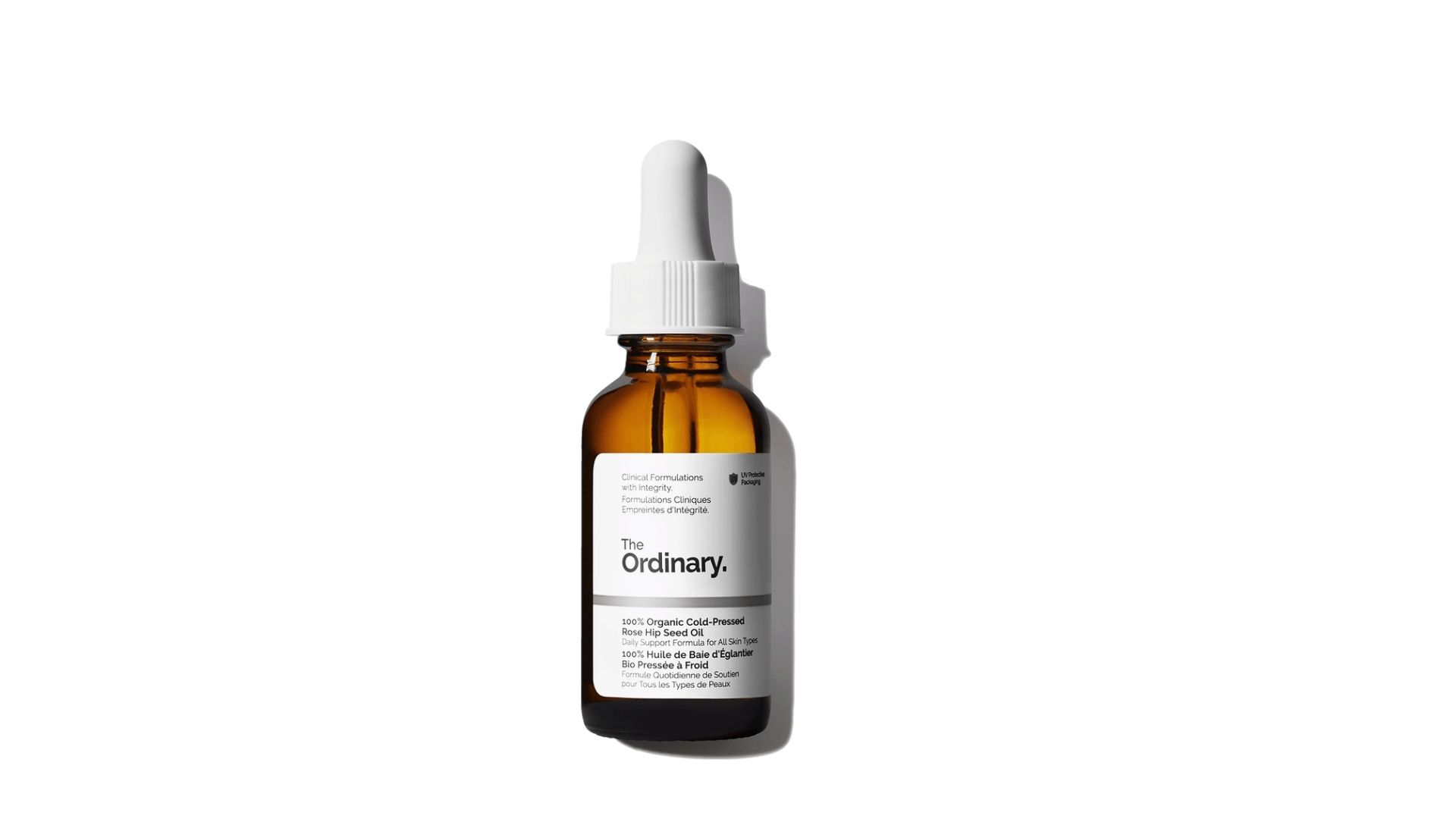
The Ordinary 100% Organic Cold-Pressed Rose Hip Seed Oil is rich in fatty acids and feels lighter than most people expect from rosehip oil. Its linoleic and linolenic fatty acids help condition the skin, while vitamin E provides antioxidant support. It works well at night to soften rough patches and even out texture over time.
| Pros | Cons |
|---|---|
| Rich in fatty acids for softness | Slight natural scent from cold-pressing |
| Lightweight compared to heavier oils | Can oxidize faster once opened |
Best for: Dry skin, dull skin, and uneven texture that needs a softening, nourishing boost
2. Biossance Squalane Oil
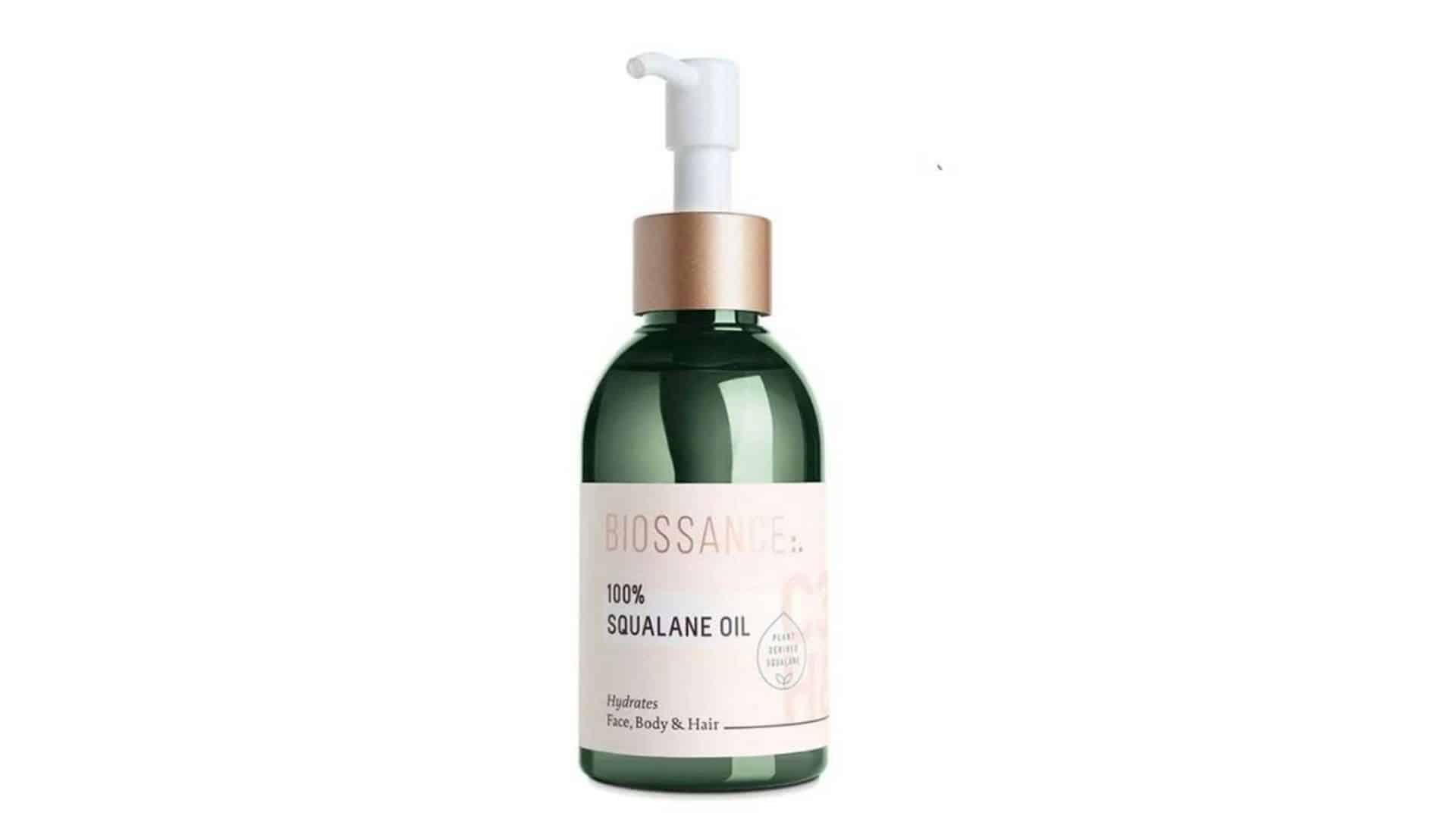
| Pros | Cons |
|---|---|
| Lightweight, fast-absorbing texture | Minimal scent or added actives |
| Good beginner-friendly option | May feel too simple for advanced routines |
Best for: Sensitive, oily, and dehydrated skin that needs a lightweight, non-irritating daily option
3. Jojoba Company Jojoba Oil
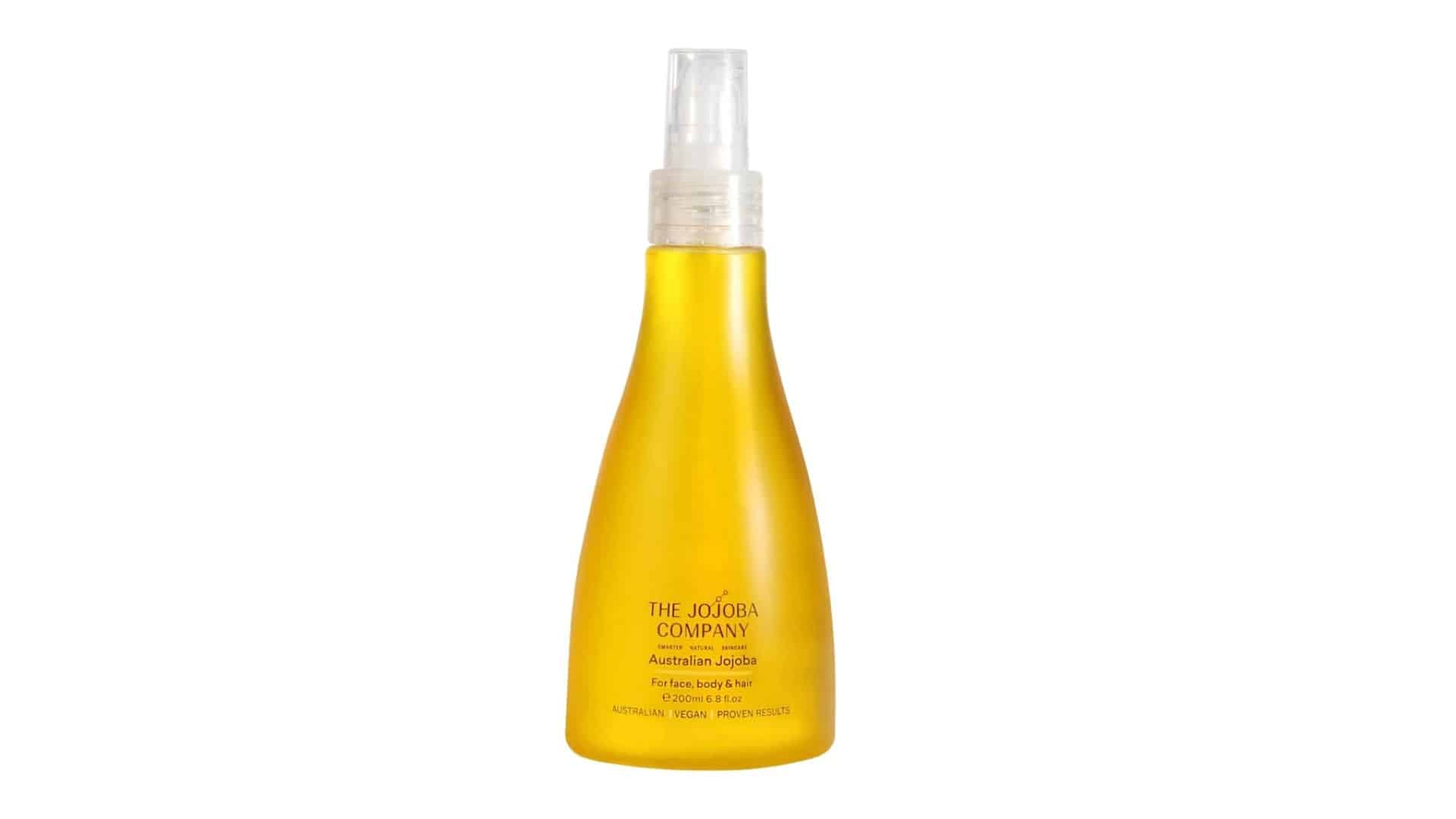
Jojoba Company jojoba oil closely resembles your skin’s natural sebum, so it absorbs easily without leaving a heavy layer behind. Jojoba is technically a liquid wax rather than a triglyceride oil, and its wax esters give it a lightweight, skin-conditioning feel. It suits daily use for most skin types, including combination skin.
| Pros | Cons |
|---|---|
| Absorbs easily into skin | Slower results for very dry areas |
| Works well for daily use | Limited added ingredients |
Best for: Combination and sensitive skin that needs a gentle oil suited for everyday use
4. Kiehl’s Midnight Recovery Concentrate
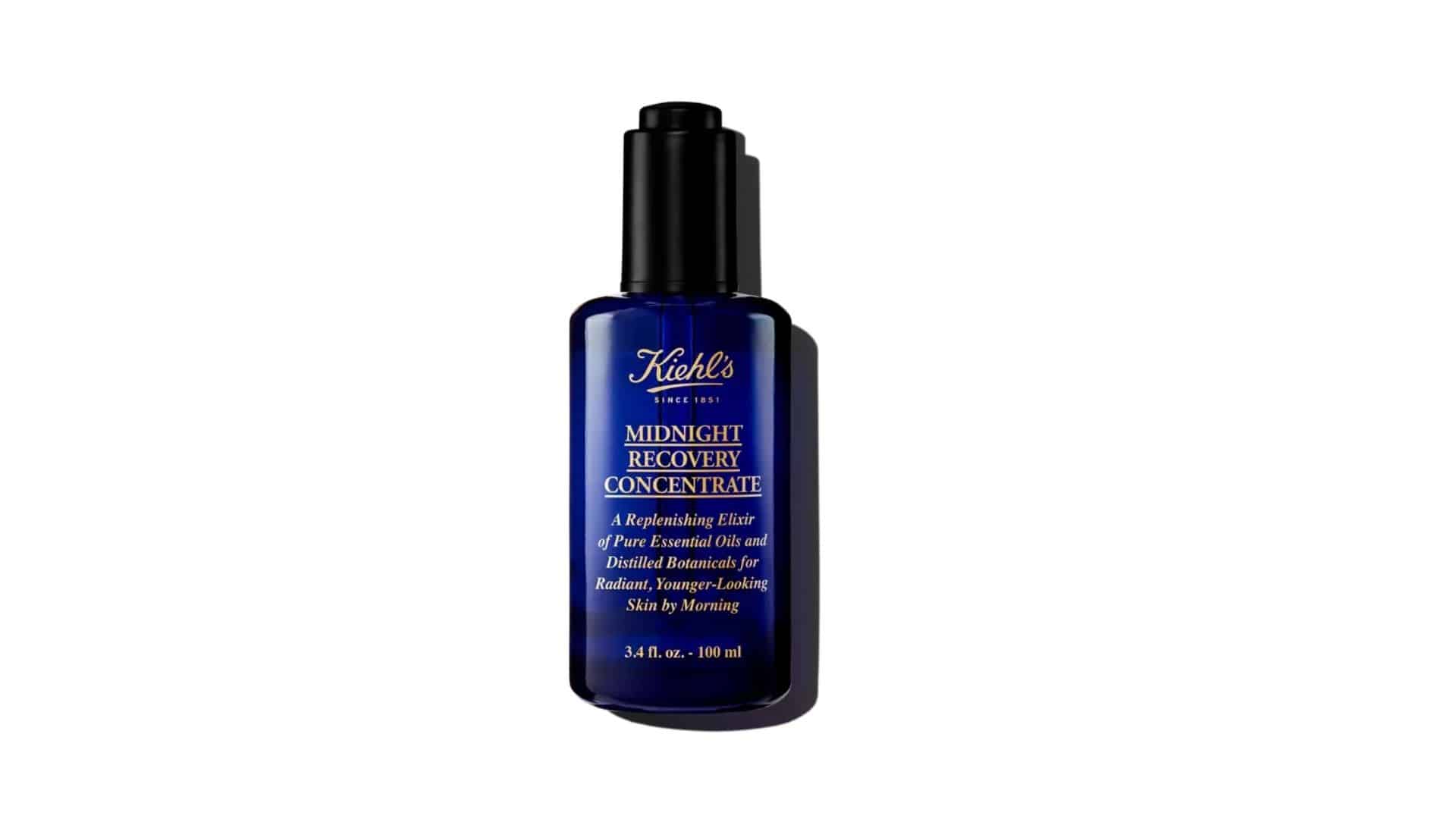
Kiehl’s Midnight Recovery Concentrate is a blend of botanical oils built for nighttime use. Its formula includes plant oils such as squalane and evening primrose oil, which provide emollient fatty acids that help soften the skin and support moisture retention. It’s been a longtime favorite of mine for nights when my skin needs a bit of extra care before bed.
| Pros | Cons |
|---|---|
| Botanical oil blend for softness | Higher price point than single oils |
| Popular nighttime option | Fragrance may not suit all users |
Best for: Dry and tired-looking skin that needs extra care as part of a nighttime routine
5. Herbivore Botanicals Lapis Facial Oil
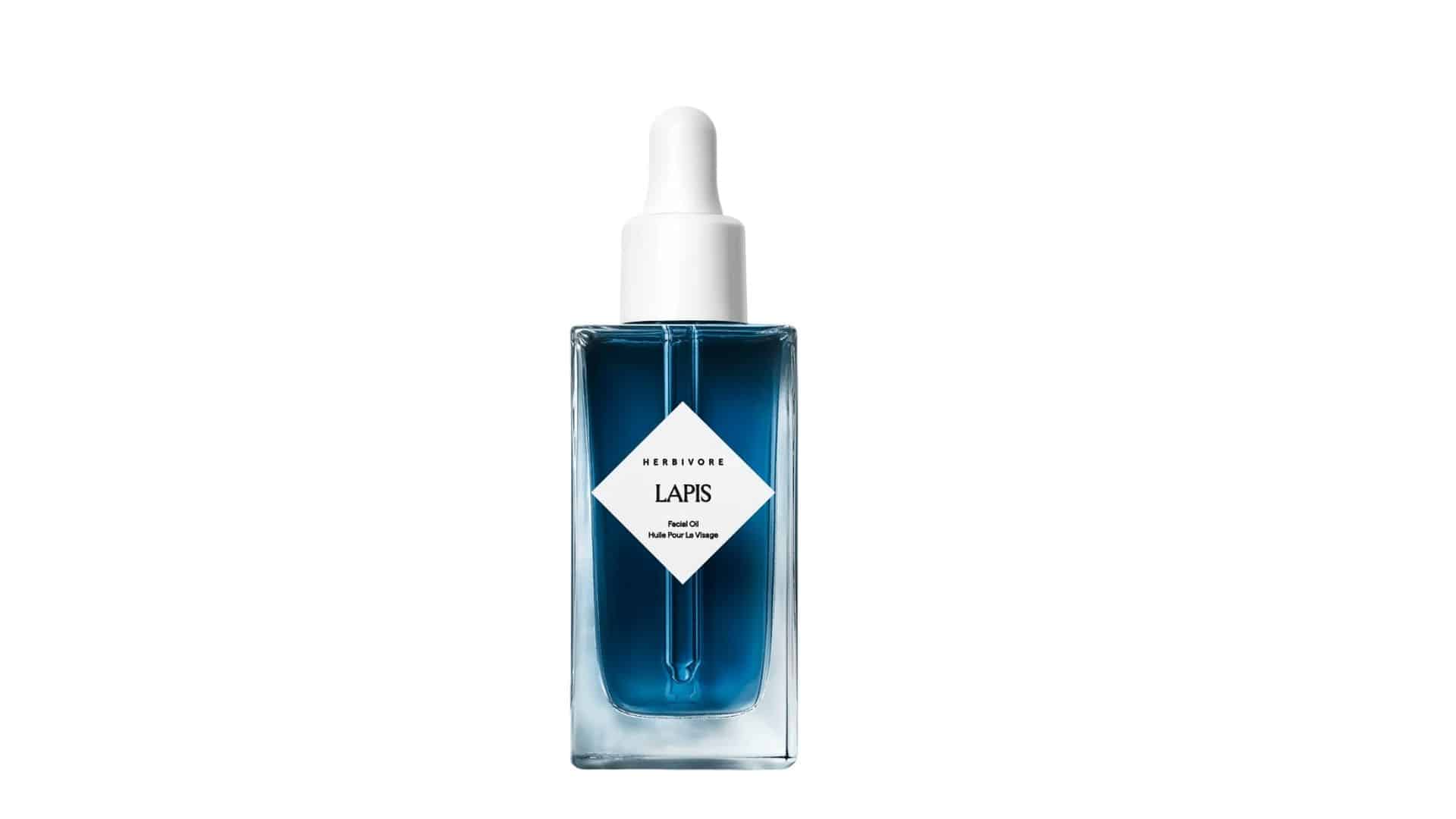
Herbivore Botanicals Lapis Facial Oil has a lighter feel and works well for people who steer away from facial oils because of past experience with heavier formulas. Its blend includes squalane, jojoba oil, and kukui nut oil, providing lightweight emollients and fatty acids without the dense feel of richer oils.
| Pros | Cons |
|---|---|
| Lightweight feel on the skin | Smaller bottle size for the price |
| Suits people who dislike heavy oils | Blue tint may stain light fabrics |
Best for: Oily and combination skin that needs a lighter oil without a heavy, greasy feel
6. Sunday Riley C.E.O. Glow Vitamin C Oil
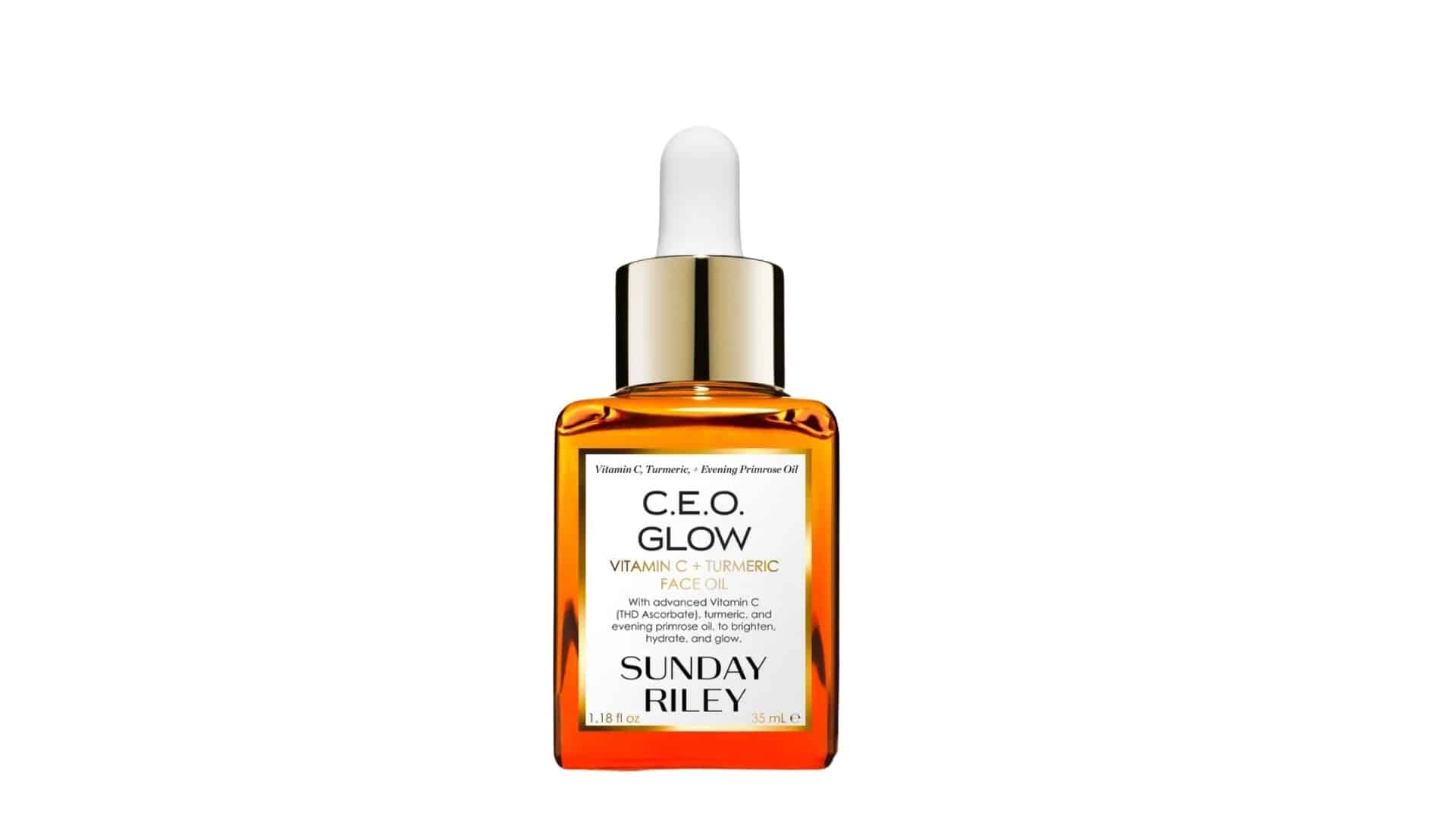
Sunday Riley C.E.O Glow Vitamin C Oil pairs vitamin C with a facial oil base, which works as a shortcut for people trying to improve dullness without adding a separate serum to their routine. Its oils provide emollient fatty acids for softness, while tetrahexyldecyl ascorbate, an oil-soluble vitamin C derivative, targets the look of dullness and uneven tone.
| Pros | Cons |
|---|---|
| Vitamin C combined with oil base | Vitamin C can be less stable over time |
| Good option for nighttime routines | Higher cost per ounce |
Best for: Dull skin that needs a brightening boost alongside vitamin C in the routine
7. Josie Maran 100% Pure Argan Oil
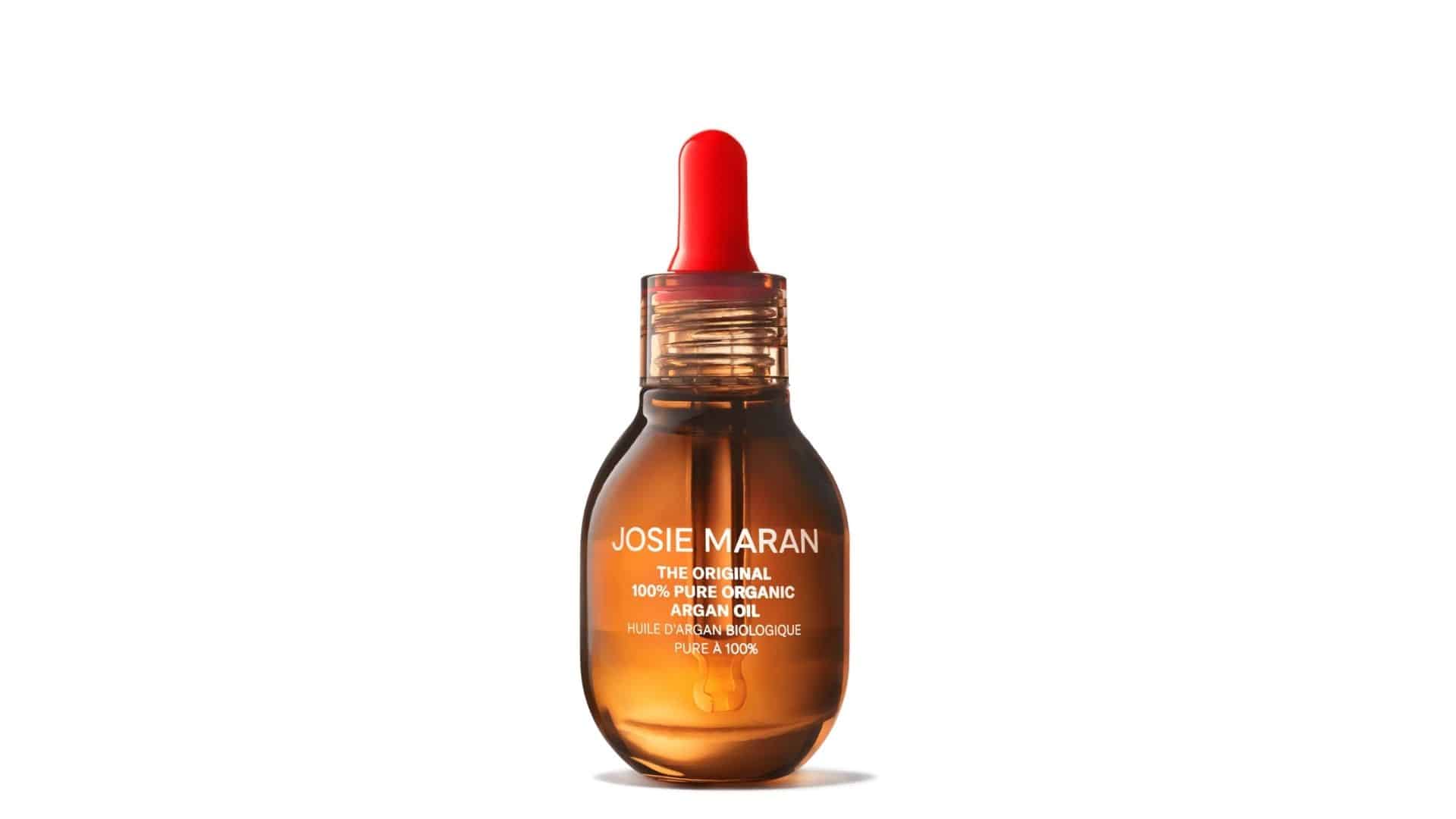
Josie Maran Argan oil has a deep moisturizing feel and works on the face as well as the body, making it a good pick when more than one area needs extra care. Argan oil contains a high proportion of oleic and linoleic acids, along with vitamin E, which help soften dry skin and support the skin barrier.
| Pros | Cons |
|---|---|
| Deep moisturizing feel | May feel heavy on oily skin |
| Usable on face and body | Larger bottles cost more upfront |
Best for: Dry and mature skin that needs deep, long-lasting moisture across the face and body
8. Pai Skincare Rosehip Bio-Regenerate Oil
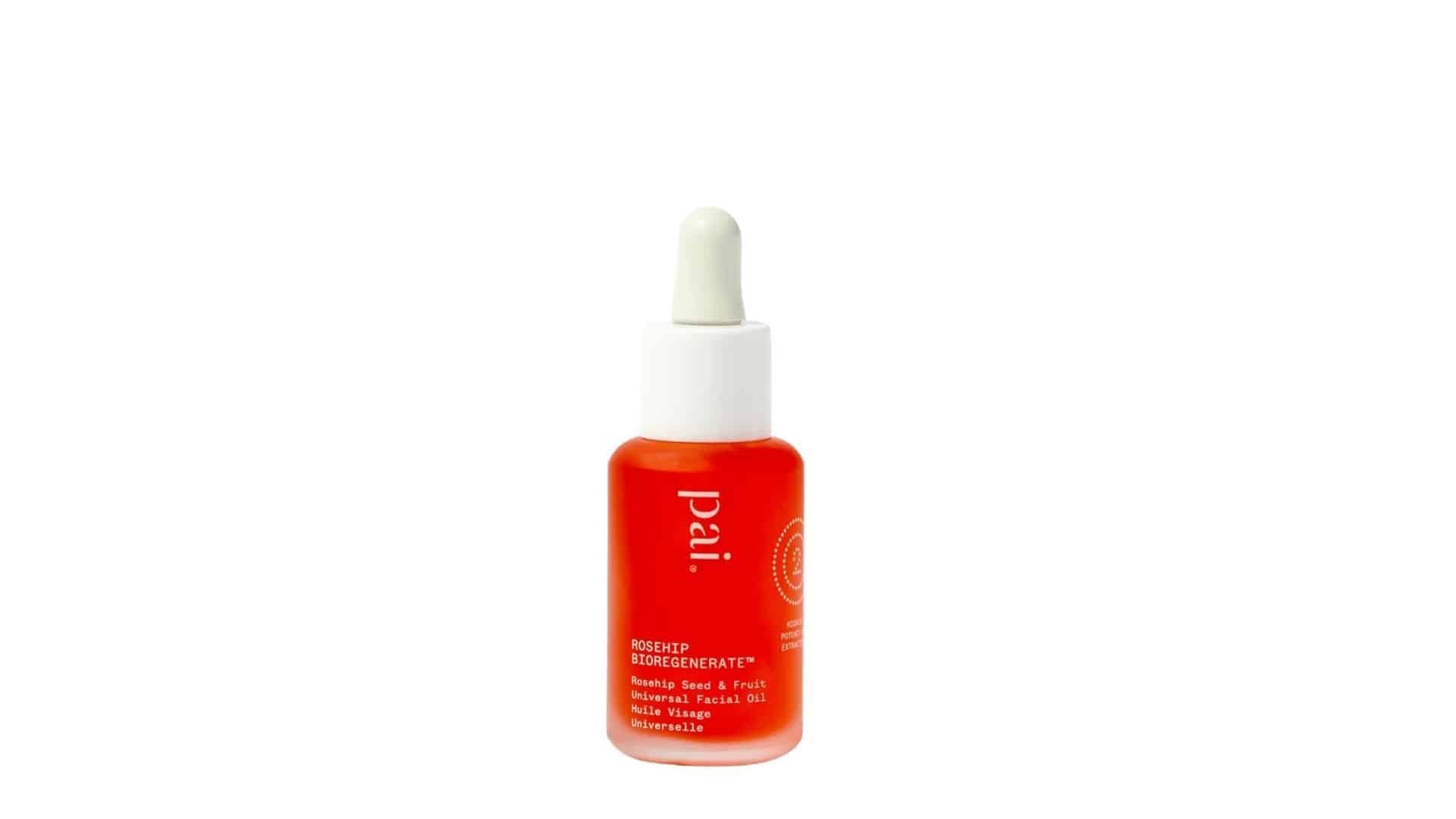
Pai Rosehip Bio-Regenerate Oil is a gentle, plant-based formula made with sensitive skin in mind, and it’s a good option for softening the look of fine lines. It suits people who react to fragrance-heavy skincare products. Rosehip seed and fruit oils supply linoleic and other fatty acids that condition dry skin, while the formula’s simple plant-oil base avoids added fragrance.
| Pros | Cons |
|---|---|
| Gentle, fragrance-conscious formula | Smaller bottle size |
| Plant-based ingredient list | Premium pricing |
Best for: Sensitive and dry skin that reacts easily to fragrance-heavy or ingredient-dense skincare formulas
9. Trilogy Certified Organic Rosehip Oil
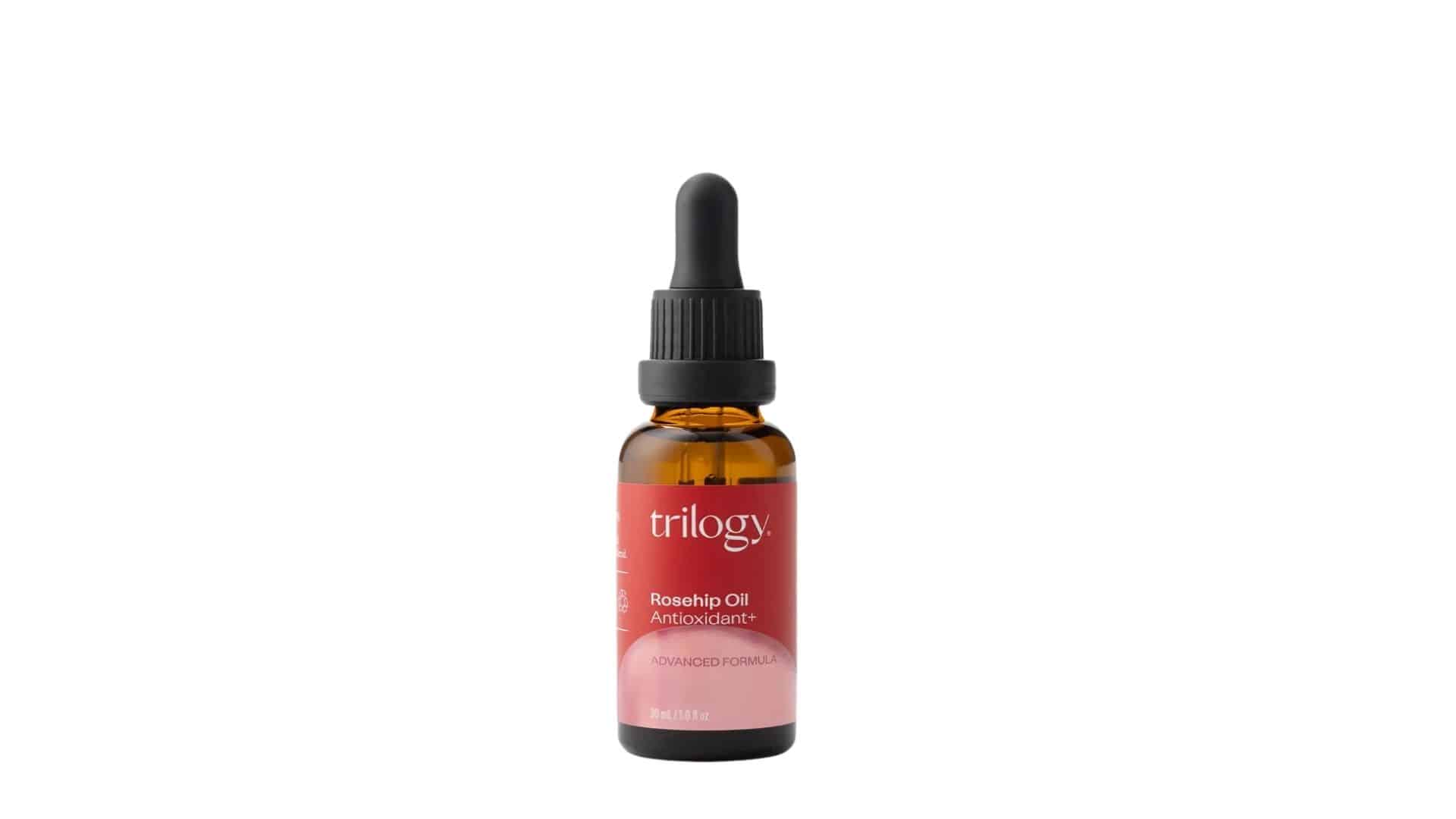
Trilogy Rosehip oil is pure, single-ingredient rosehip oil with a lightweight finish, suited to people who prefer minimal ingredient lists over blended formulas. Rosehip oil naturally contains essential fatty acids, particularly linoleic and alpha-linolenic acids, which help condition and soften the skin.
| Pros | Cons |
|---|---|
| Pure, single-ingredient formula | No added actives beyond the oil |
| Lightweight finish | Natural scent may be noticeable |
Best for: Uneven skin tone and dryness that responds well to a pure, single-ingredient oil
10. NOW Foods Sweet Almond Oil
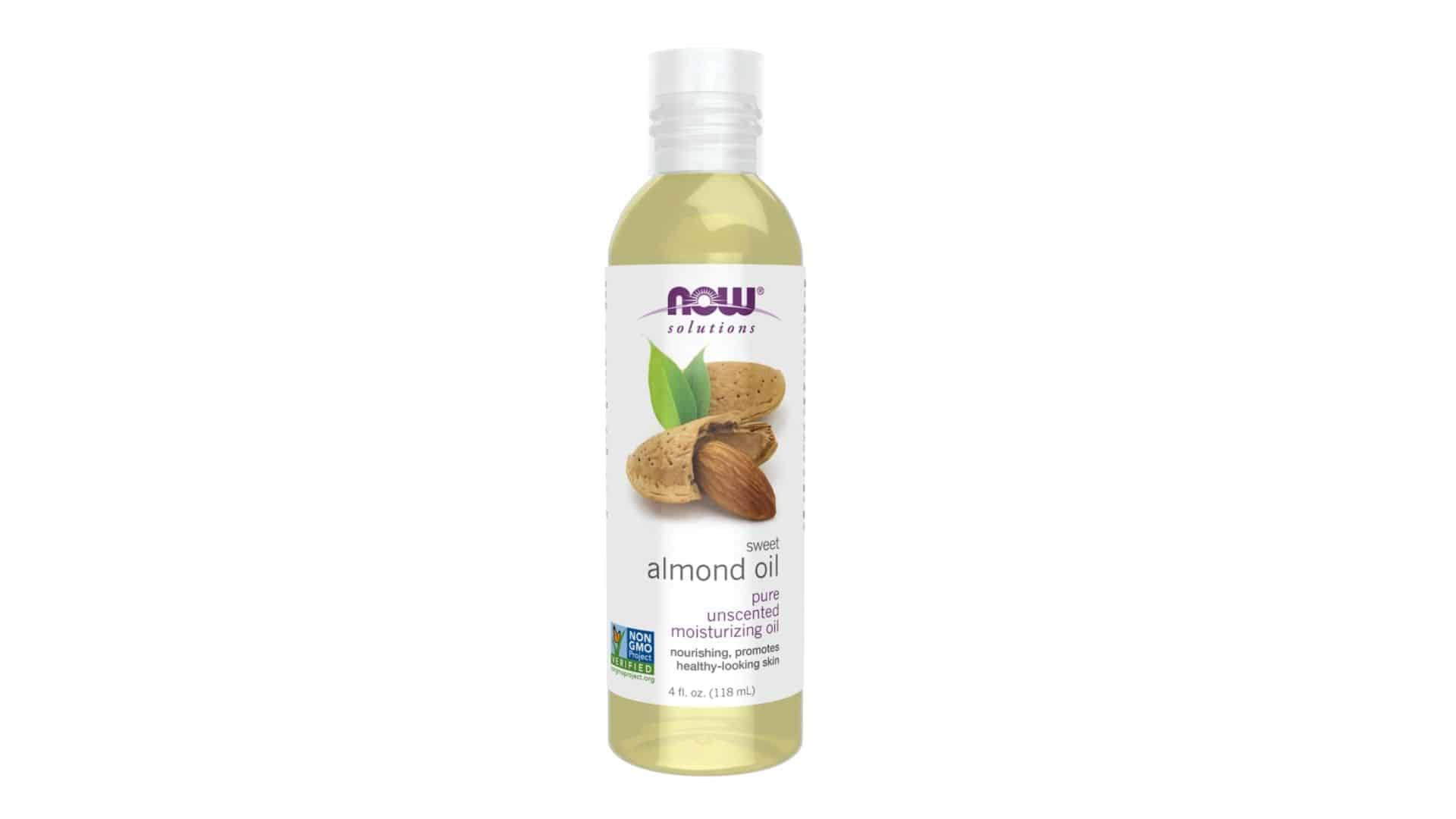
NOW Foods Sweet Almond Oil is an affordable, straightforward oil that works well after a shower on drier areas of the body and is better suited to body use than facial care. It is rich in oleic acid and also contains linoleic acid, giving it an emollient texture that helps soften and smooth dry skin.
| Pros | Cons |
|---|---|
| Affordable, large-format option | Heavier feel for facial use |
| Good for post-shower routines | Plain packaging and presentation |
Best for: Body dryness that needs an affordable, everyday oil for use after a shower
11. Kopari Organic Coconut Melt
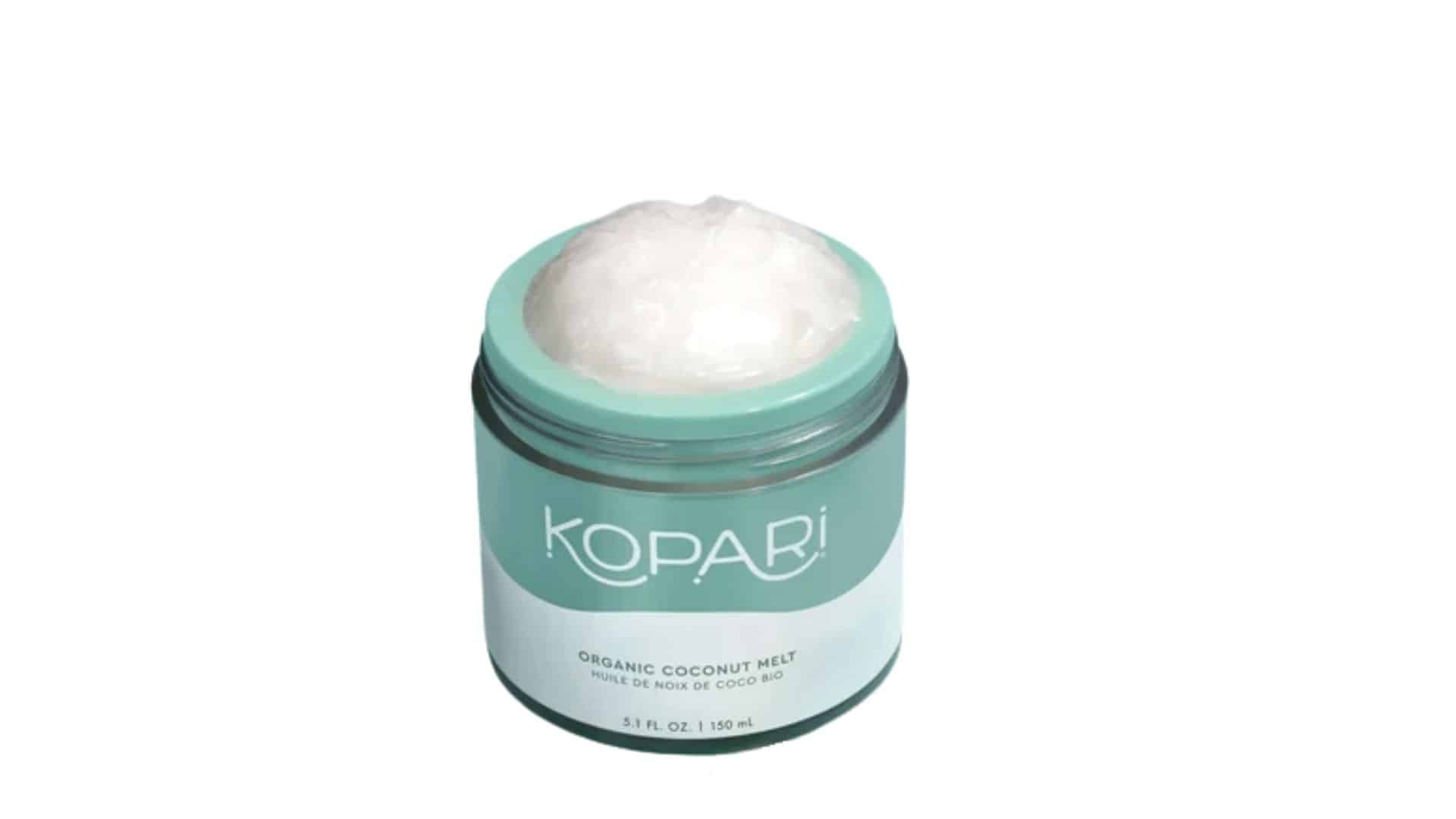
Kopari Organic Coconut Melt is a solid-to-liquid coconut oil balm that works well on rough areas like elbows and knees and is best kept for body use rather than the face. Coconut oil is high in saturated fatty acids, particularly lauric acid, which gives it its rich, occlusive feel and makes it useful for sealing moisture into very dry skin.
| Pros | Cons |
|---|---|
| Rich, moisturizing texture | May feel heavy for oily or acne-prone skin |
| Good for elbows, knees, rough patches | Solid texture needs warming before use |
Best for: Very dry body skin on rough areas like elbows, knees, and cracked heels
Each oil offers different benefits, so the best choice depends on your routine and skin needs. Start with one suitable option and adjust based on how your skin responds.
Comedogenic Ratings of Face Oils
Comedogenic ratings estimate how likely an oil is to clog pores, using a 0–5 scale. Lower ratings are generally preferable for oily or acne-prone skin.
| Oil | Rating |
|---|---|
| Squalane | 0 |
| Argan oil | 0–1 |
| Grapeseed oil | 1-2 |
| Rosehip oil | 1–2 |
| Jojoba oil | 2 |
| Sweet almond oil | 2 |
| Coconut oil | 4 |
These ratings are only general guidelines, and they vary slightly depending on the source you check. Your skin can react differently depending on the oil, formulation, and how frequently you use it.
Is Your Skin Dry or Dehydrated?
Before you pick an oil, it helps to know which problem you’re actually solving. Dry skin lacks oil. Dehydrated skin lacks water. They can feel similar, but they don’t respond to the same fix.
If your skin feels tight right after cleansing and gets shiny again by afternoon, that’s usually dehydration, and a hydrating serum or mist will do more for you than an oil.
If it stays tight and rough all day, no matter how much water you drink or how many products you layer on, that’s dryness, and oil is exactly what’s missing.
Some people deal with both at once. In that case, hydrate first with a water-based product, then seal it in with oil.
Skipping the water step and going straight to oil on dehydrated skin can leave you feeling coated without actually fixing the tightness.
Which Oils Are Least Likely to Clog Pores
Now that you’ve seen the full list, it helps to match each oil back to your specific skin type. Oils higher in oleic acid tend to feel richer and suit dry skin, while oils higher in linoleic acid absorb faster and suit oily or acne-prone skin. The table below breaks it down by category.
- Jojoba Oil: Lightweight and often well tolerated by oily and combination skin.
- Squalane: A lightweight option that adds moisture without a heavy, greasy feel.
- Rosehip Oil: Light and commonly used in routines for dry or uneven-looking skin.
- Grapeseed Oil: Thin in texture and suitable for people who prefer lighter facial oils.
No oil is guaranteed to work for every person, so introduce new products gradually and watch how your skin responds.
Which Oil Works Best for Which Skin Type?
Now that you’ve seen the full list, it helps to match each oil back to your specific skin type. The table below breaks it down by category.
| Skin Type | Best Oils | Why They Work |
|---|---|---|
| Dry skin | Argan oil, rosehip oil, almond oil | Richer texture that adds moisture and softness |
| Oily skin | Squalane oil, jojoba oil, grapeseed oil | Lightweight feel that doesn’t sit heavy on the skin |
| Sensitive skin | Jojoba oil, squalane oil | Simple formulas with few added ingredients |
| Combination skin | Jojoba oil, marula oil | Balances drier areas without over-oiling the T-zone |
| Dull skin | Rosehip oil, vitamin C oils | Helps skin look more even and refreshed |
| Mature skin | Argan oil, rosehip oil | Nourishing texture suited to drier, thinner skin |
Choosing the right oil becomes easier when you focus on your skin’s needs rather than choosing the most popular option. Whether your goal is hydration, reducing wrinkles, balance, or a healthy glow, the best oil is the one that fits your skin type and routine.
When Should You Use Skin Oil in Your Routine?
Using skin oil at the right time can help improve its benefits. The goal is to add nourishment without making your routine feel heavy or complicated.
- After cleansing: Apply oil to clean skin after your regular skincare steps to help lock in moisture.
- As the final skincare step: Use oil at the end of your routine to create a barrier that helps prevent moisture loss.
- During dry conditions: Add face oil when your skin feels tight, rough, or more dehydrated than usual.
- Before makeup: A small amount of lightweight oil can help create a smoother base for makeup.
- At night: Evening use is popular because it gives the oil more time to absorb while you rest.
Using a small amount at the right time can make skin oils a simple addition to your daily routine.
Face Oil vs. Moisturizer: Which One Should You Choose?
Face oils and moisturizers serve different purposes in a skincare routine. While moisturizers add hydration to the skin, face oils help lock that moisture in and improve softness. Your choice depends on your skin type and needs. In many routines, both products work better together rather than replacing one another.
| Face Oil | Moisturizer |
|---|---|
| Helps seal in moisture | Adds hydration to the skin |
| Oil-based formula | Usually water-based formula |
| Adds softness and a glow | Supports daily hydration needs |
These aren’t competing products. Oil works well as an added step on top of a regular moisturizer, rather than as a full replacement for it.
Common Mistakes When Using Skin Oils
Using skin oils correctly is important to get their benefits without causing unwanted issues. Avoiding common mistakes helps your skin absorb oils better and keeps your routine simple and effective.
- Applying too much oil at once: Using too much oil can leave your skin greasy, feel heavy, and make it harder for products to absorb properly.
- Picking an oil without factoring in skin type: Different skin types respond differently to oils, so choosing one without considering your needs may cause dryness, heaviness, or breakouts.
- Using heavier oils on already oily skin: Rich oils can feel uncomfortable on oily skin and may contribute to clogged pores, especially when applied too frequently.
- Skipping sunscreen during the day: Face oils do not replace sunscreen, so apply a broad-spectrum SPF during the day to protect your skin from UV damage.
- Applying a new oil to irritated skin without testing it first: Introducing new oils to irritated skin may worsen discomfort, so patch-test first and wait for your skin to settle.
Choosing the right skin oil is only part of the process. Start with a small amount, consider your skin type, and introduce new oils gradually to keep your routine comfortable and effective.
Final Thoughts
The best oil for skin isn’t the one with the fanciest label. It’s the one that matches what your skin actually needs, and the way you find that out is by giving a new oil time to prove itself.
If your skin leans oily or sensitive, lighter options like squalene or jojoba are usually the safer starting point.
I’d rather see someone stick with one well-matched oil for a few weeks than switch products every few days, since skin needs time to respond before you can judge whether something is working.
Skipping sunscreen or piling on too much oil at once tends to undo any progress, so keep the routine simple and consistent.
And if you’re prone to reactions, it’s worth checking with a dermatologist before adding anything new, since sensitivity varies widely from person to person.
Frequently Asked Questions
Which is the Best Oil for Skin Glow?
Rosehip oil and vitamin C oils are my go-to for a natural, healthy-looking glow.
Which Natural Oil is Best for Dry Skin?
Argan, rosehip, or almond oil work well to soften dry, flaky skin naturally.
Can Face Oil Cause Breakouts?
Yes, some face oils can clog pores or irritate acne-prone skin, especially when overused or poorly suited to your skin type.
Can Oily Skin Use Face Oil?
Yes, lightweight oils like squalane and jojoba absorb quickly without leaving skin greasy.
Which Oil is Best for Sensitive Skin?
Jojoba and squalane oils are gentle, simple choices that rarely irritate sensitive skin.