Skincare has become faster, louder, and more complicated than ever. Every week seems to bring a new ingredient, a new viral product, or another routine promising brighter, smoother, younger-looking skin in record time. I
t is easy to fall into the habit of constantly changing products in search of something better. But healthy skin rarely works on that timeline.
The slow beauty movement takes a different approach. Instead of chasing instant transformations, it focuses on consistency, thoughtful product choices, skin health, and realistic expectations. The idea is simple: a skincare routine should support the skin over time rather than constantly pushing it to change.
This does not mean skincare has to be boring or that results are impossible. It means understanding that good skin is usually built through small habits repeated over weeks, months, and years.
A simpler routine that someone can actually maintain may ultimately be more useful than a complicated routine filled with products that are difficult to use consistently.
What Is the Slow Beauty Movement?
Slow beauty is part of a wider shift toward more intentional self-care. Rather than treating beauty as a constant race toward perfection, it encourages people to pay attention to what their skin actually needs.
In practical terms, this can mean using fewer products, choosing formulas carefully, avoiding unnecessary irritation, and giving products enough time to become part of a routine before deciding whether they work.
It can also mean looking beyond the bathroom shelf and considering sleep, stress, nutrition, sun exposure, and everyday lifestyle habits.
The philosophy is particularly relevant in skincare because the skin is constantly responding to its environment. Weather, pollution, UV exposure, hormones, stress, and daily habits can all influence how it looks and feels.
A routine designed around long-term care needs to account for those factors rather than relying on a single miracle product.
Why Consistency Matters More Than Constantly Changing Products
One of the biggest mistakes in skincare is changing products too frequently. Someone may use a new cleanser for a few days, introduce a serum the following week, and then replace both after seeing a social media recommendation. This makes it difficult to understand what is actually helping or irritating the skin.
Consistency creates a clearer picture. When a routine stays relatively stable, it becomes easier to notice changes in hydration, texture, sensitivity, or overall appearance. It also gives the skin time to adjust to products.
Not every skincare ingredient produces visible results immediately. Hydration may make the skin feel more comfortable relatively quickly, while improvements related to texture, pigmentation, or other concerns can take longer.
Expectations should therefore be based on the type of product being used and the specific skin concern rather than the promise of an overnight transformation.
Slow beauty is not about waiting passively. It is about making informed choices and giving those choices enough time to work.
Start With the Basic Needs of Your Skin
A long-term routine does not need to contain ten or fifteen steps. For many people, the foundation can be surprisingly straightforward.
Cleansing helps remove accumulated oil, sweat, sunscreen, makeup, and environmental residue. A suitable moisturizer helps support hydration and the skin barrier, while daily sun protection is one of the most important habits for protecting skin from ongoing UV exposure.
Once those basics are established, additional products can be introduced according to individual needs. Someone concerned about dullness may consider a brightening or antioxidant-focused product, while someone dealing with dryness may place greater emphasis on hydration and barrier support.
The important part is not simply how many products are used. It is whether each product has a clear purpose.
Choose Products With Intention
Slow beauty encourages consumers to become more selective about what they put on their skin. Instead of buying something because it is trending, consider its ingredients, formulation, intended purpose, and whether it suits your skin.
This is where the growing interest in plant-based and organic skincare products fits naturally into the slow beauty conversation. Some consumers are increasingly interested in formulas built around botanical ingredients and more conscious approaches to product development.
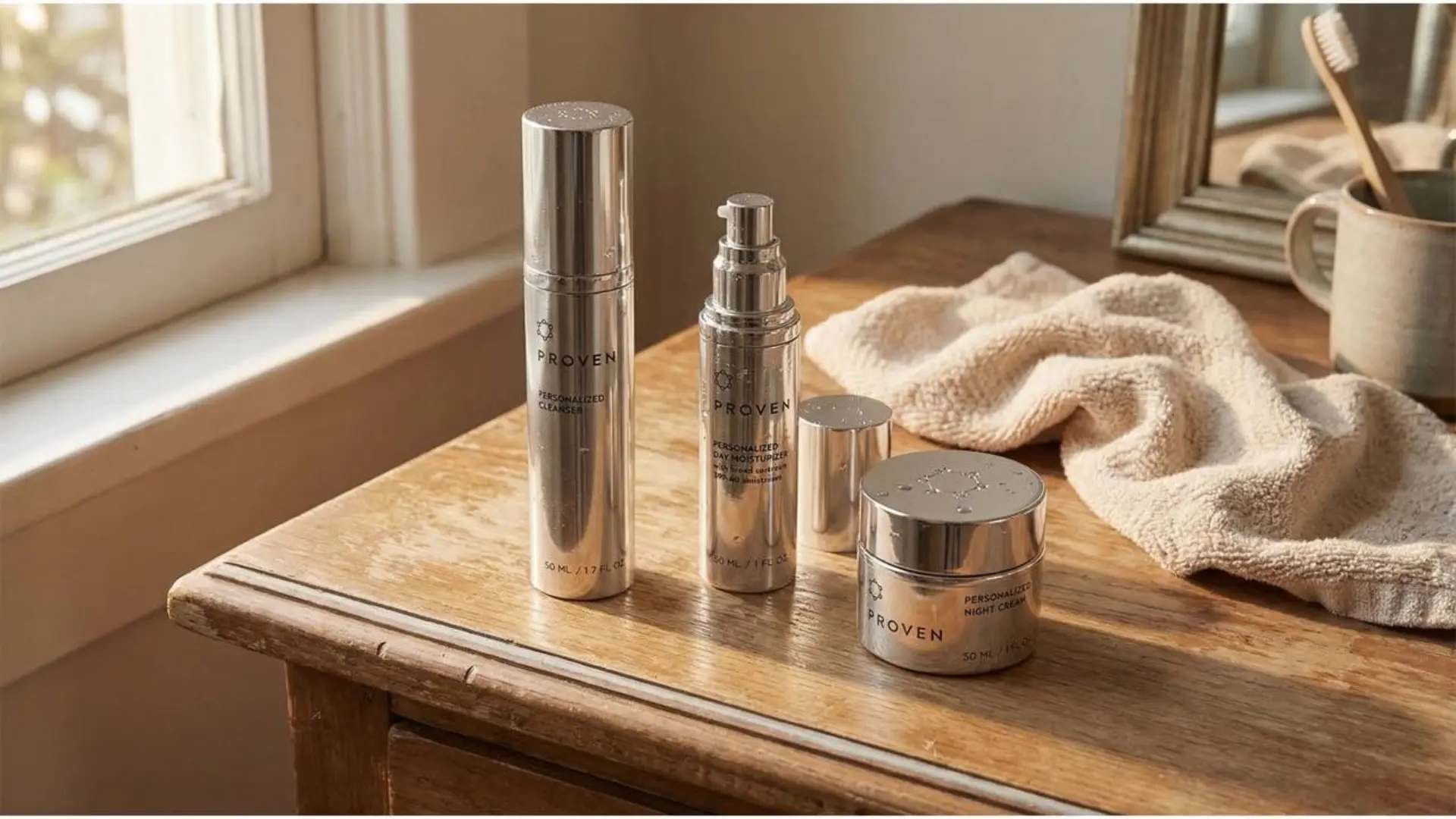
Mālie Organics is one example of a brand that connects skincare with plant-based formulation. Its BotanyBeauty collection describes its approach as combining plant science with organic, natural, and wild-crafted ingredients.
The current face collection includes products such as an illuminating serum, illuminating moisturizer, hydrosol facial tonic, cleansing polish, eye cream, and clay mask.
The key lesson is not that one ingredient category is automatically right for everyone. Natural or organic does not necessarily mean universally suitable, just as synthetic does not automatically mean harmful.
Skin compatibility still matters. A thoughtful skincare routine considers the complete formulation and how the skin responds to it.
Protecting the Skin Barrier Should Come First
The skin barrier is one of the most important parts of healthy-looking skin. It helps keep moisture in and provides protection against external stressors. When the barrier becomes compromised, the skin may feel dry, tight, rough, or unusually sensitive.
This is one reason aggressive routines can sometimes work against the person using them. Frequent exfoliation, harsh cleansing, or layering several strong active ingredients can create irritation rather than better skin.
Slow beauty takes a more patient approach. Instead of constantly trying to remove, peel, scrub, or correct, it places greater emphasis on maintaining balance.
A gentle cleanser, appropriate moisturizer, sensible exfoliation, and daily sun protection can create a foundation that allows the skin to remain comfortable while targeted products are added carefully.
Build Your Routine Around Your Real Life
The best skincare routine is not necessarily the most sophisticated one. It is the one that fits naturally into everyday life.
If a morning routine requires fifteen minutes and ten different products, there is a good chance it will eventually become difficult to maintain. A shorter routine that takes only a few minutes may be easier to follow every day.
The same applies at night. Removing makeup or sunscreen, cleansing appropriately, moisturizing, and applying a targeted treatment can become a simple ritual rather than another task on an already crowded schedule.
Slow beauty also leaves room for flexibility. Skin does not necessarily behave the same way throughout the year. Cold weather can increase dryness, while heat and humidity may change how products feel. Travel, stress, illness, and changes in routine can also affect the skin.
A good routine can adapt without being completely rebuilt every time conditions change.
Give Your Skin Time to Respond
Patience is one of the hardest parts of slow beauty because modern beauty culture often focuses on immediate before-and-after results.
The reality is that skincare results can be gradual. Hydration, texture, and overall appearance may change at different speeds depending on the product and the individual. Some concerns also require professional guidance rather than simply adding more products.
This is why taking photos under similar lighting or simply paying attention to how the skin feels can be more useful than checking the mirror several times a day.
It is also important to introduce new products thoughtfully. Adding several new products at once can make it difficult to identify the cause if irritation occurs. Introducing products gradually gives you a better opportunity to understand how your skin responds.
Sun Protection Is a Long-Term Investment
If slow beauty is about protecting the future condition of the skin, sun protection deserves a central place in the conversation.
UV exposure contributes to visible skin aging and can worsen some forms of pigmentation. Daily sunscreen, along with practical sun-protection habits such as seeking shade and using protective clothing when appropriate, helps reduce unnecessary exposure.
Unlike a trendy serum that may come and go, sun protection is a habit that can remain relevant throughout life. It is a good example of what slow beauty is really about: doing something consistently because its value extends far beyond a single day.
Look Beyond Products
Healthy-looking skin is not created entirely inside a skincare bottle. Lifestyle can influence how the skin looks and feels as well.
Adequate sleep, a balanced diet, hydration, regular movement, and stress management all contribute to general well-being, which can also affect the appearance of the skin.
None of these habits should be presented as a guaranteed solution for a specific skin condition, but they are meaningful parts of a broader approach to self-care.
This wider perspective makes slow beauty less about purchasing more and more about building better habits.
A calming nighttime skincare routine, for example, can become a small daily ritual that signals the end of the day. The value may come not only from the products themselves but also from creating a moment of consistency and care.
Know When Your Routine Needs Professional Help
Slow beauty does not mean trying to handle every skin concern at home. Persistent acne, unusual rashes, significant irritation, sudden changes in pigmentation, or other ongoing concerns may need evaluation by a dermatologist or another qualified healthcare professional.
Sometimes the most useful skincare decision is not buying another product. It is finding out what is actually causing the problem.
Professional advice can also be valuable when introducing stronger active ingredients or managing sensitive skin. A routine should support the skin rather than becoming a source of unnecessary irritation.
The Future of Beauty May Be Simpler
The beauty industry will continue to introduce new products, technologies, and ingredients. There is nothing wrong with experimenting or enjoying new developments. The problem comes when constant novelty replaces thoughtful skincare.
Slow beauty offers a different way to look at the process. Instead of asking what product will transform the skin this week, it asks what habits will help maintain healthy-looking skin over the next several years.
That shift can make skincare more sustainable, more affordable, and easier to understand. It encourages people to buy with purpose, use products consistently, and pay attention to how their skin actually responds.
Conclusion
The slow beauty movement is ultimately about changing the relationship people have with skincare. It moves away from urgency and toward consistency, away from endless product accumulation and toward intentional choices.
A long-term skincare routine does not need to be complicated. Start with the basics, understand your skin, protect it from the sun, introduce targeted products carefully, and give your routine enough time to show what it can do.
Most importantly, remember that healthy-looking skin is a long-term process rather than a race.
Beauty trends will continue to change, but the value of taking thoughtful care of your skin does not depend on what happens to be popular this month.
A routine built around patience, consistency, and sensible product choices can become something much more useful than a passing trend: a sustainable part of everyday self-care.