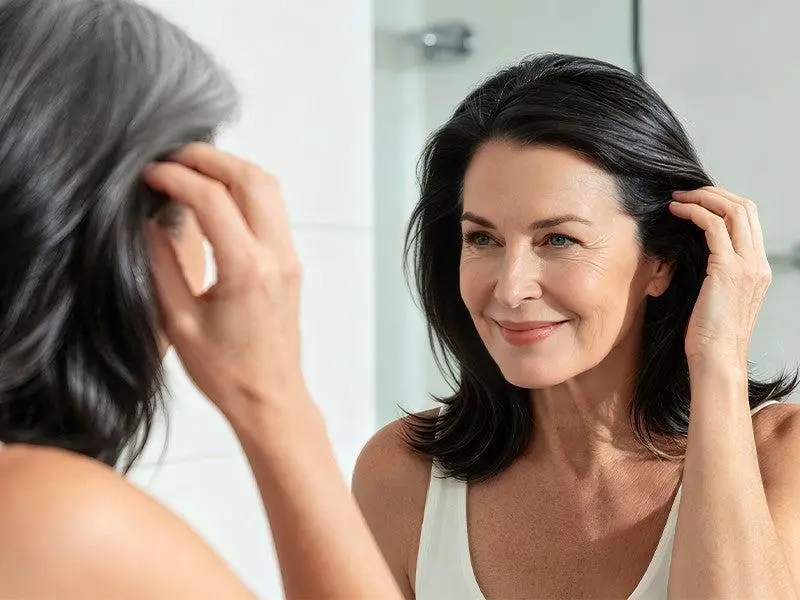
Partial balayage is a hair coloring technique that adds natural, sun-kissed dimension without covering your entire head.
Instead of lightening every section, your stylist paints color onto strategic pieces, usually around the face and through the top layer, so you get soft brightness without the heavier upkeep or higher cost of a full-head color service.
That lower commitment makes it easier to start picking your ideal shade before committing to a bigger change.
Below, you’ll find what partial balayage is, how it compares to full balayage and traditional highlights, and how to decide if it fits your hair, budget, and lifestyle.
What Is Partial Balayage?
Think of partial balayage as strategic color placement. Instead of coloring your entire head, your stylist focuses on specific sections, usually the pieces that frame your face and catch the light naturally.
The word “balayage” means “to sweep” in French, and your stylist sweeps color onto your hair to mimic natural sun-lightening.
The results are subtle yet striking, creating a dimensional, sun-kissed look that suits warm blondes and soft brunettes alike, including looks like this soft brunette color inspiration.
Partial balayage is perfect for first-timers, people wanting change without commitment, or anyone seeking a low-maintenance color option.
Full Balayage vs. Partial Balayage
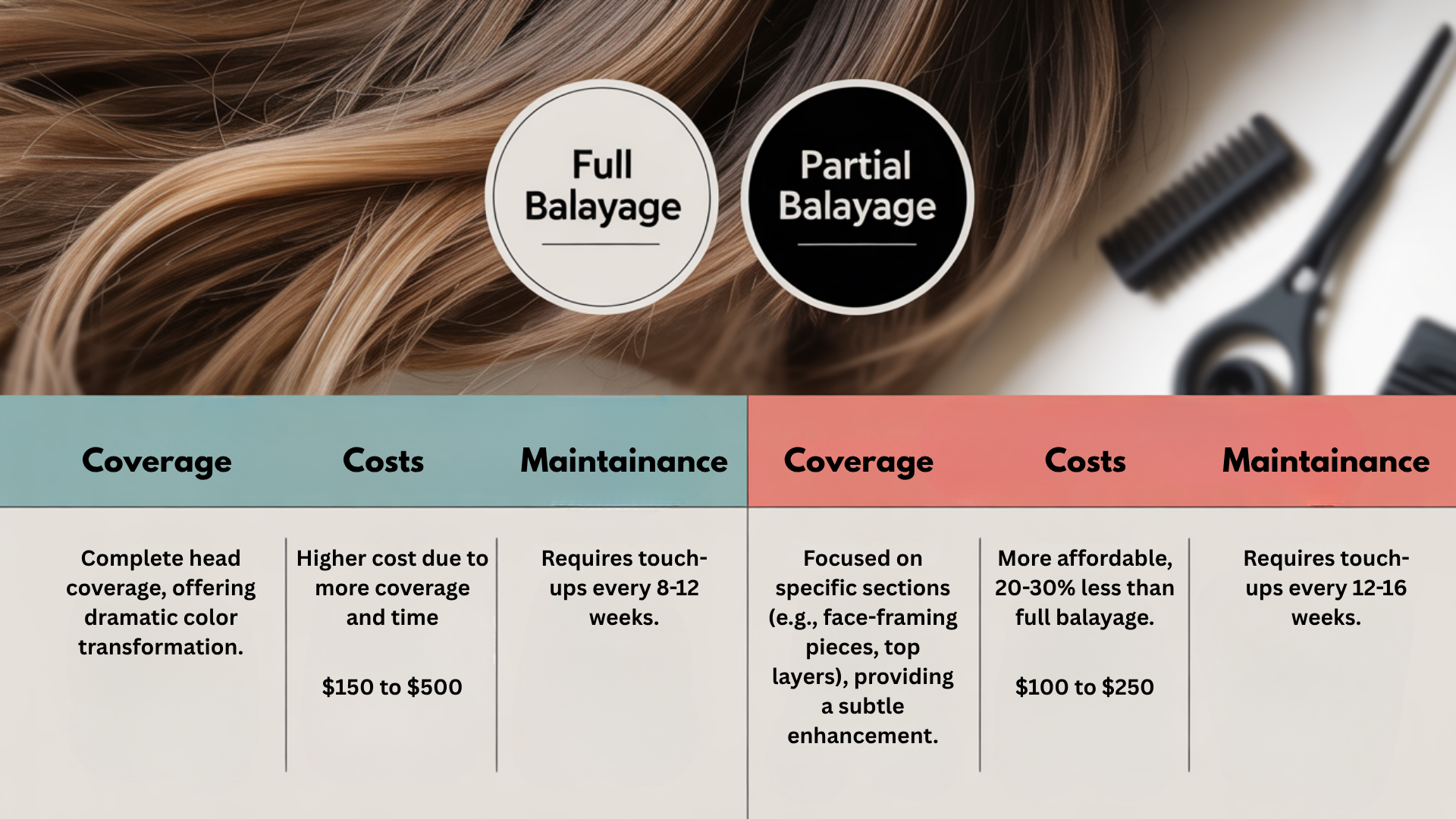
Full balayage is a complete hair transformation that covers your entire head with highlights, creating maximum color dimension and a dramatic look.
Partial balayage focuses on strategic sections like face-framing pieces and top layers, offering a subtle improvement of your natural color, similar to how some people weigh partial versus full coverage before booking.
Both techniques use the same hand-painted application method, but they differ significantly in coverage, maintenance, and overall impact.
1. Full Balayage Gives More Coverage
Full balayage works through every section of your hair, from the crown to the nape of your neck.
Your stylist will paint highlights throughout all layers, creating an all-over lightened effect that changes your entire look.
This comprehensive approach means you’ll see color dimension from every angle, whether your hair is up or down.
2. Partial Balayage Requires Less Maintenance
With partial balayage, you’ll typically need touch-ups every 16 to 20 weeks, compared to a full balayage’s 12 to 14 week schedule.
Since there’s less colored hair to maintain, your color will grow out more gracefully and require fewer salon visits.
This makes partial balayage perfect for people with busy schedules or those who prefer a lower-maintenance hair routine.
3. Partial Balayage Costs Less
Partial balayage typically costs 15 to 25 percent less than full balayage because it requires less time, product, and expertise.
The focused application means your stylist spends less time on your hair, which translates to savings for you.
This makes partial balayage an excellent entry point for people wanting to try balayage without a major financial commitment.
4. Full Balayage Creates More Dramatic Results
If you’re looking for a complete color transformation, full balayage delivers the most striking change.
The all-over highlighting creates maximum dimension and can significantly lighten your overall hair color.
This technique is perfect for people who want to make a bold statement or completely refresh their look.
5. Partial Balayage Offers Natural Improvement
The strategic placement of highlights creates a sun-kissed effect that looks like you spent the summer at the beach.
This technique is ideal for first-timers or anyone who wants beautiful results without a dramatic departure from their natural color.
Choose full balayage if you want a complete color transformation and don’t mind more frequent maintenance. Choose partial balayage if you want to improve your natural color with minimal commitment and upkeep.
Highlights vs. Partial Balayage
Many people confuse traditional highlights with partial balayage, but they’re quite different techniques with different results.
1. Traditional Highlights Use Foils
Traditional highlights use foils or a cap to create precise, uniform streaks throughout your hair.
This technique gives you predictable, symmetrical results with clear definition between highlighted and natural sections.
2. Partial Balayage Is Hand-Painted
Partial balayage is painted on freehand, creating a more natural, graduated effect. The color is typically concentrated on the mid-lengths and ends, with a softer transition from your natural color, and many stylists lean toward warm golden-tone options for this technique.
3. Balayage Grows Out More Gracefully
Balayage grows out more gracefully because it doesn’t have a harsh line at the roots. Traditional highlights can show regrowth more obviously.
With balayage, the grow-out looks intentional and natural rather than grown-out.
4. Maintenance Requirements Differ
Balayage requires less frequent touch-ups because the grow-out looks intentional and natural.
You can typically go 16 to 20 weeks between appointments with balayage, while traditional foil highlights often need touch-ups every 4 to 6 weeks.
This makes balayage more convenient for busy lifestyles and budget-conscious clients.
How to Decide What Works Best for You
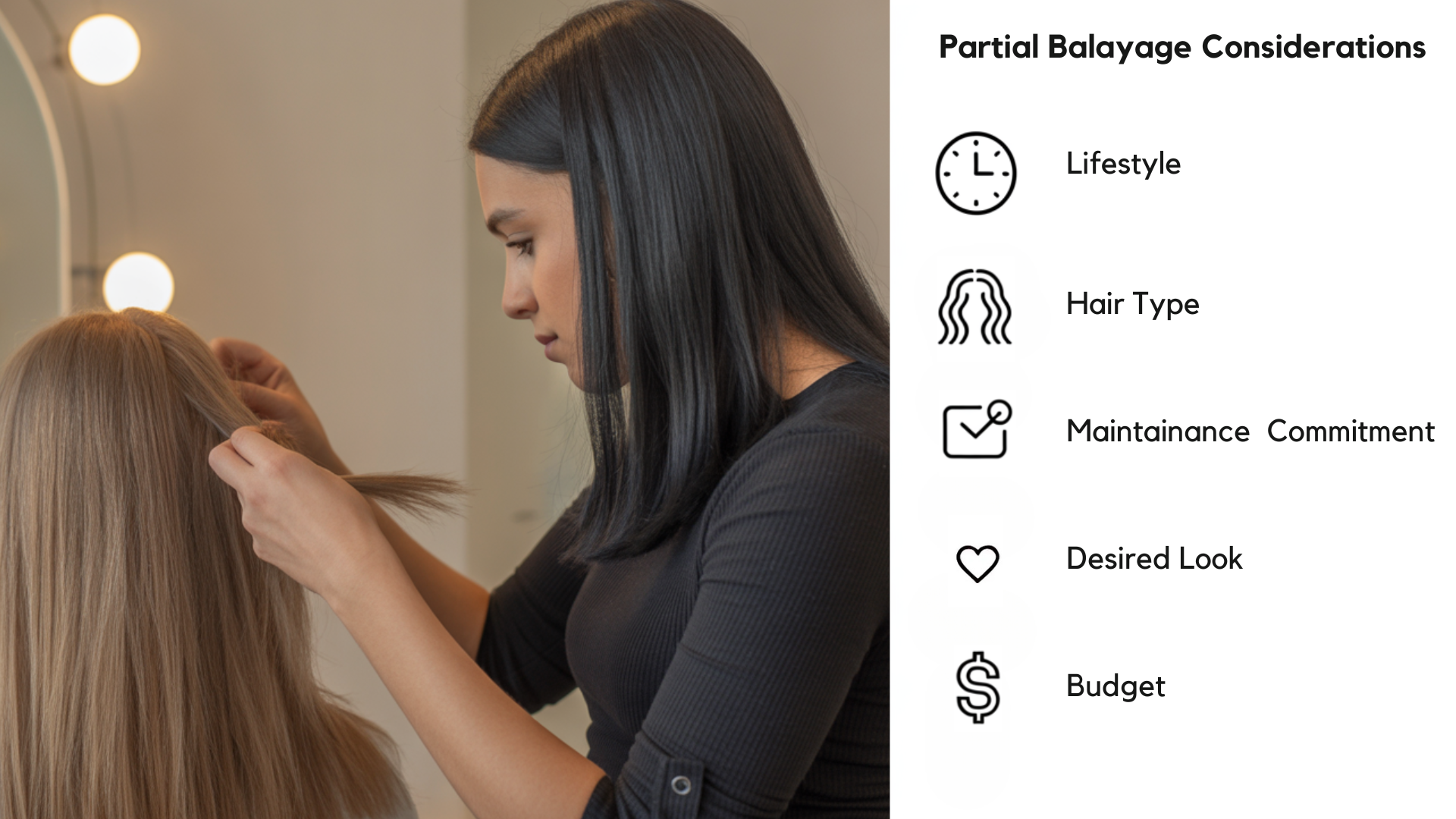
The best hair color choice depends on several personal factors. Let’s walk through the key considerations:
- Your Lifestyle: Partial balayage is perfect for busy lifestyles because it looks great even on bad hair days.
- Maintenance Commitment: Partial balayage can go 3-4 months between touch-ups, making it ideal for people who don’t want frequent salon visits.
- Hair Type: Works on all hair types, but it’s especially flattering on wavy and curly hair because the natural texture improves the dimensional effect.
- Desired Look: Partial balayage is perfect for subtle improvement, while full balayage or highlights might be better for dramatic change.
- Budget: Partial balayage is typically the most budget-friendly option long-term.
When consulting with your stylist: Bring photos of looks you love and be honest about your daily hair routine and maintenance preferences. Ask about what will work best with your natural color and skin tone to ensure the best results.
How to Get a Partial Balayage
Knowing what to expect during your salon visit will help you feel more confident and get better results.
Before Your Appointment
- Wash your hair 24-48 hours before (slightly dirty hair holds color better)
- Come with examples of what you want
- Avoid using heavy conditioning treatments the day before
During Your Appointment
- Consultation: Your stylist will assess your hair and discuss your goals
- Sectioning: They’ll separate your hair into sections to work systematically
- Application: Using a brush, they’ll paint the lighter onto selected pieces
- Processing: You’ll wait while the color develops (usually 20-45 minutes)
- Toning: A toner is applied to achieve your desired shade, which is also when many colorists fine-tune warmth using hair toner color corrections.
- Styling: Your stylist will wash, condition, and style your hair
The entire process typically takes 1 to 2 hours, depending on your hair’s length and thickness.
Communicating with Your Stylist
| What to Discuss | How to Say It |
|---|---|
| Desired Look | Use descriptive words like “subtle,” “natural,” or “sun-kissed.” |
| Tone Preferences | Mention if you want to avoid certain tones (like brassy or ashy) |
| Lightness Level | Discuss your comfort level with how light you want to go |
| Questions | Ask questions throughout the process about what they’re doing |
How to Care for Partial Balayage
Proper care will keep your balayage looking fresh and healthy for months.
At-Home Care Routine
Taking care of your partial balayage at home is simple but important for maintaining color vibrancy and hair health.
Use a color-safe shampoo and wash only 2-3 times per week. When washing, use cool water to help preserve the color.
Use a deep-conditioning treatment once a week to keep your hair healthy and prevent the lightened strands from drying out.
Use heat protectant products before blow-drying or using hot tools. Lightened hair is more fragile and requires extra protection.
Recommended Products
- Purple shampoo (use once a week to prevent brassiness)
- Color-safe shampoo and conditioner
- Leave-in conditioner for extra moisture
- Hair masks for weekly deep conditioning
Maintenance Schedule
- Touch-ups every 16-20 weeks
- Gloss treatments every 6-8 weeks (optional, for extra shine)
- Regular trims every 6-8 weeks to keep hair healthy
Tips to Prolong Your Color
- Limit sun exposure: Use UV-protection products when spending time outdoors or wear hats to prevent color fading.
- Use dry shampoo: Extend time between washes by using dry shampoo to absorb oil and refresh your style.
- Avoid hot water: Wash your hair with cool or lukewarm water to help seal the hair cuticle and lock in color.
- Deep condition weekly: Use a moisturizing hair mask once a week to keep lightened hair healthy and prevent dryness.
- Minimize heat styling: Reduce blow-drying and hot tool use, and always apply heat protectant when you do style.
Visual Inspiration to Help You Decide
Seeing different partial balayage styles can help you determine what appeals to you and what might work best with your hair type and lifestyle.
1. Face-Framing Highlights
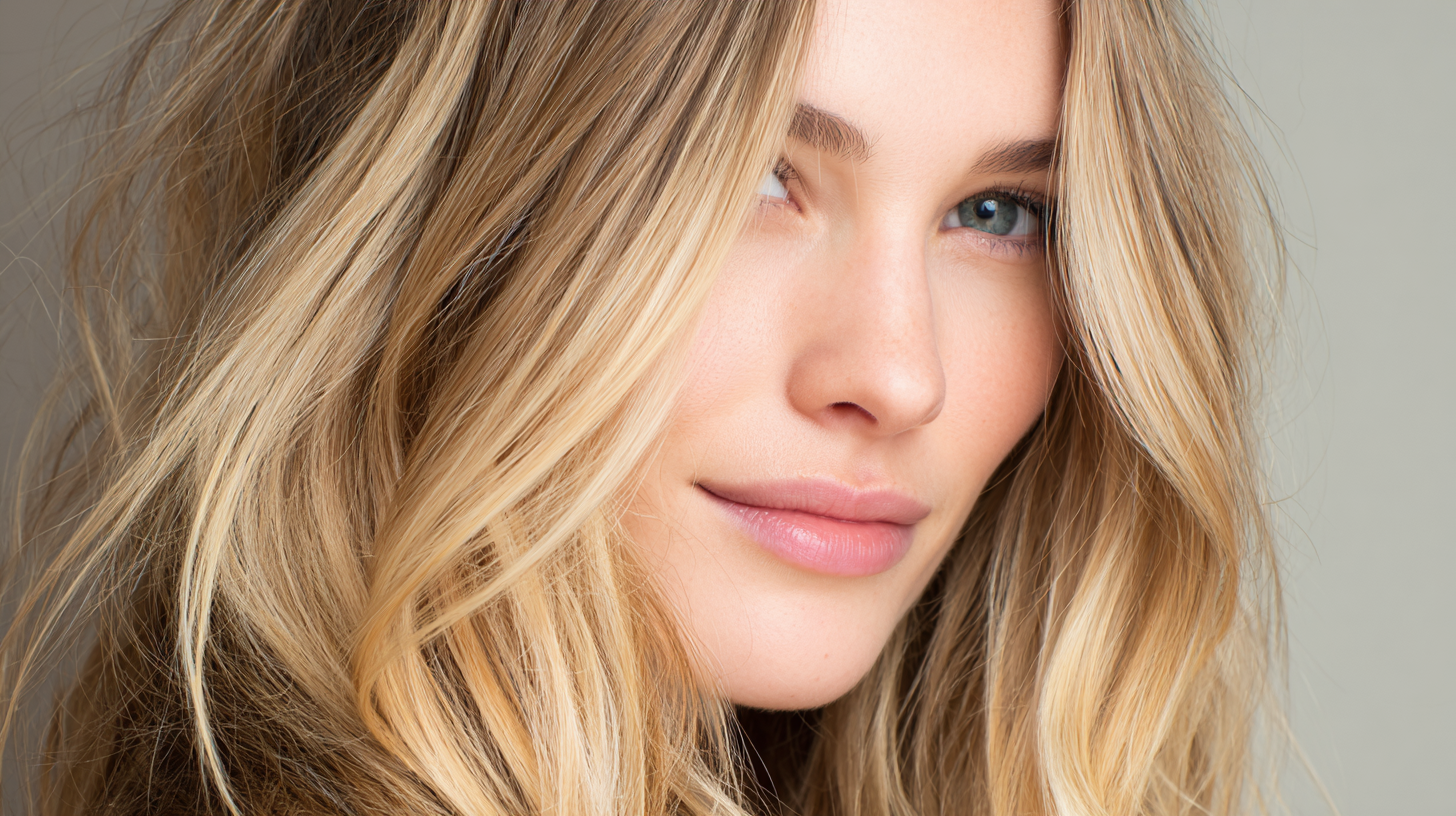
Color concentrated around your face to brighten your complexion and add dimension where it matters most. This creates a natural glow that improves your features.
2. Caramel Tones on Brunettes
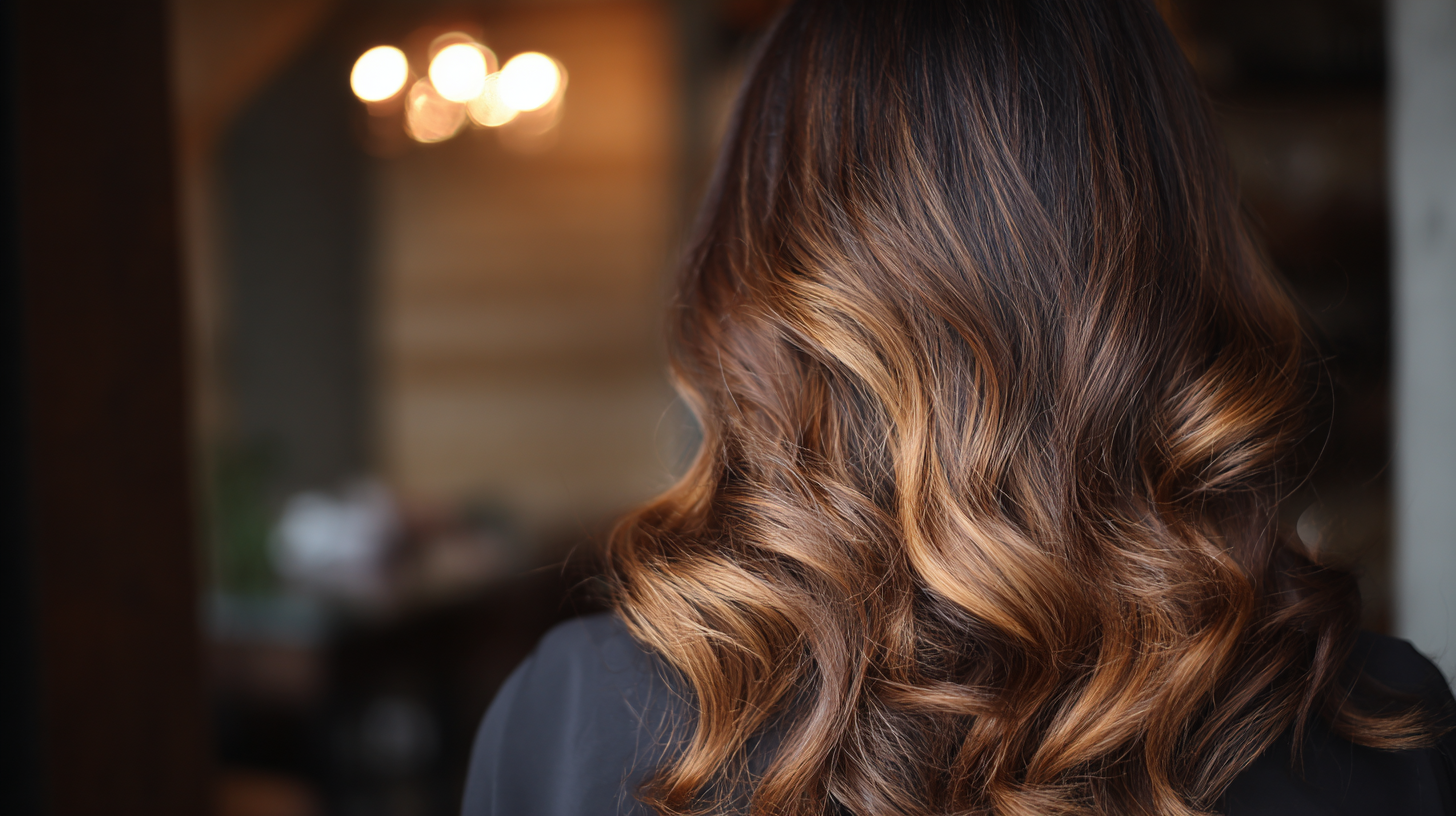
Warm, honey-colored highlights that add richness and depth to brown hair. This creates a natural, sun-warmed effect with golden undertones.
3. Blonde Balayage on Dark Hair
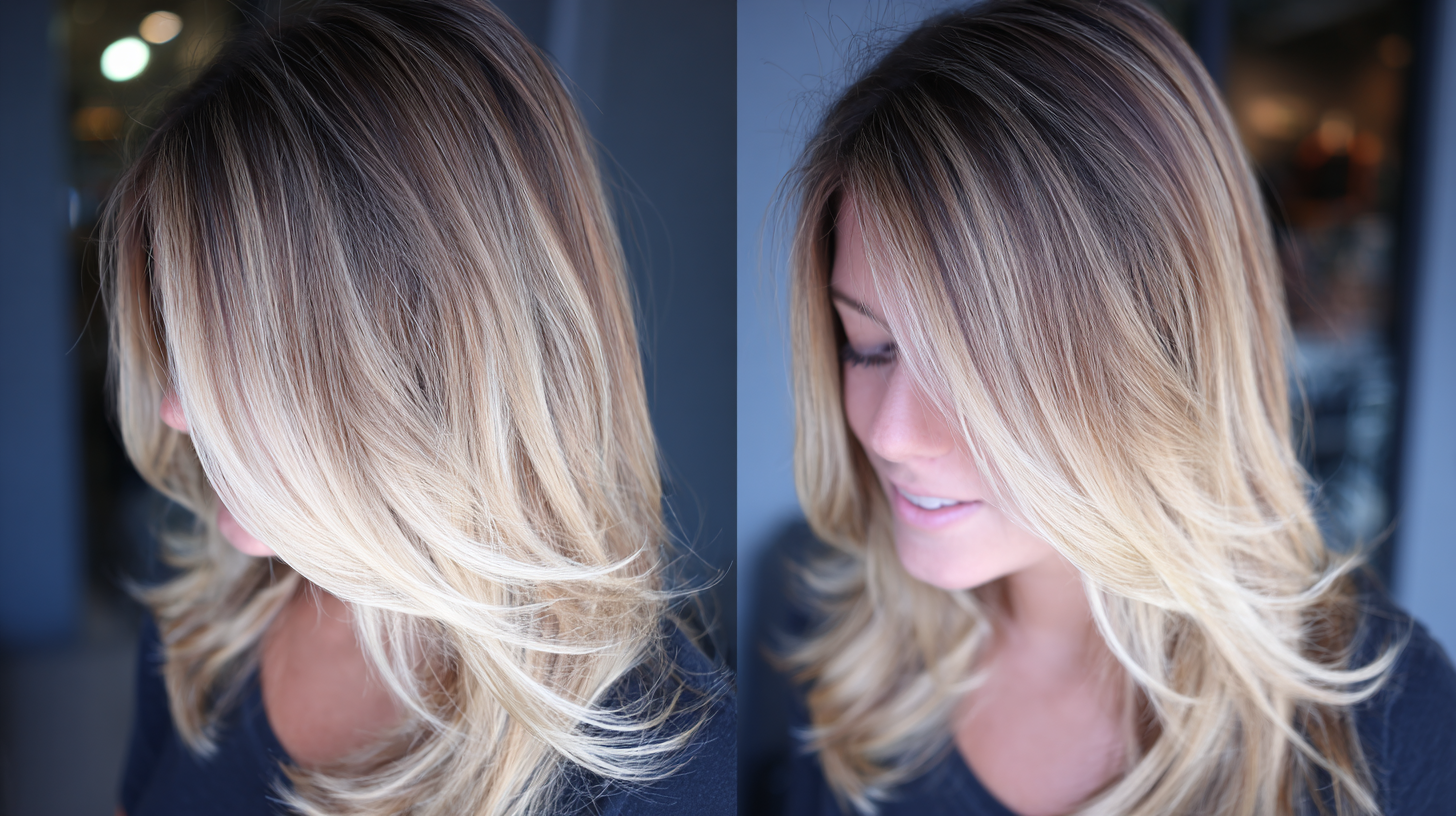
Beautiful contrast between dark roots and lighter blonde pieces throughout the mid-lengths and ends, with plenty of blonde hair shade options to choose from depending on how much contrast you want.
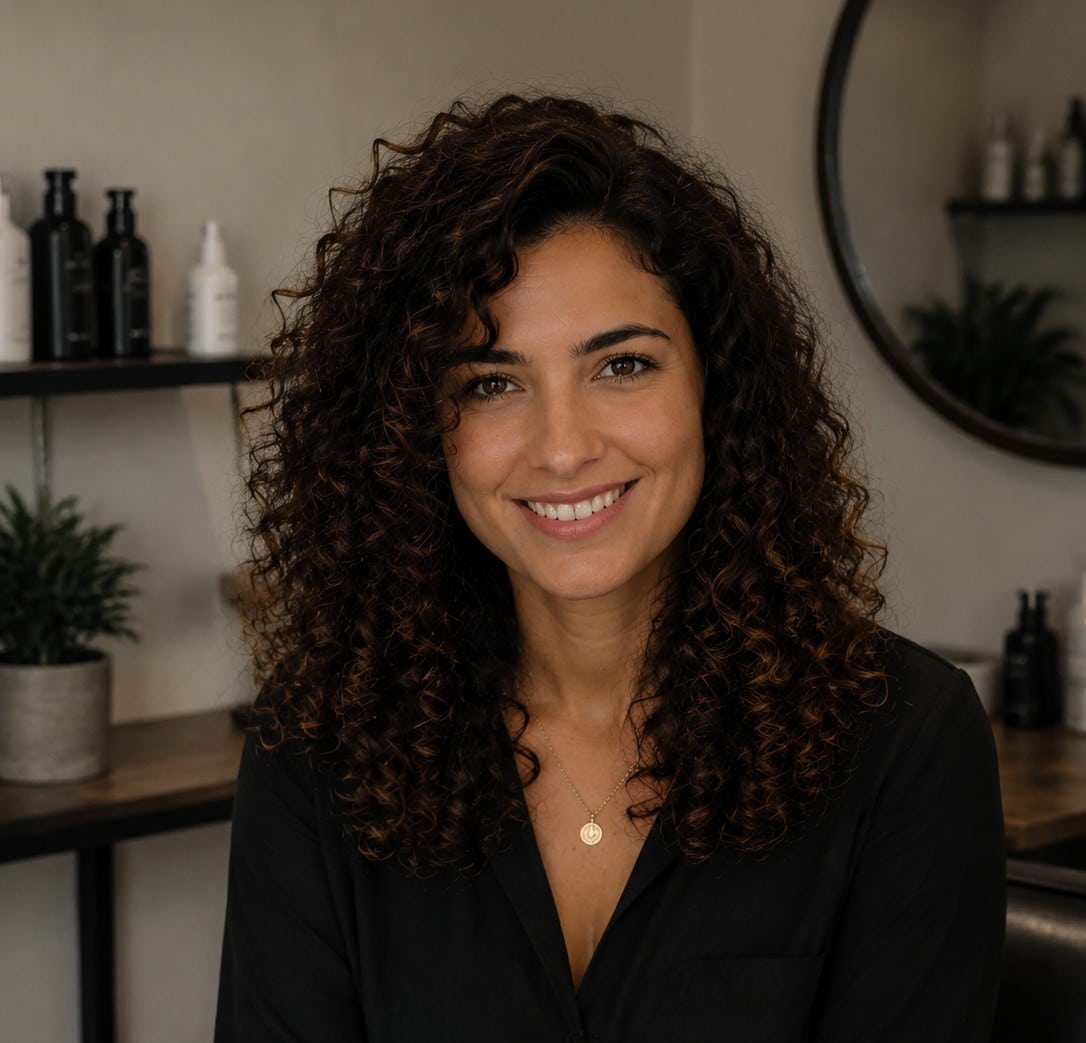
4. Curly Hair Balayage
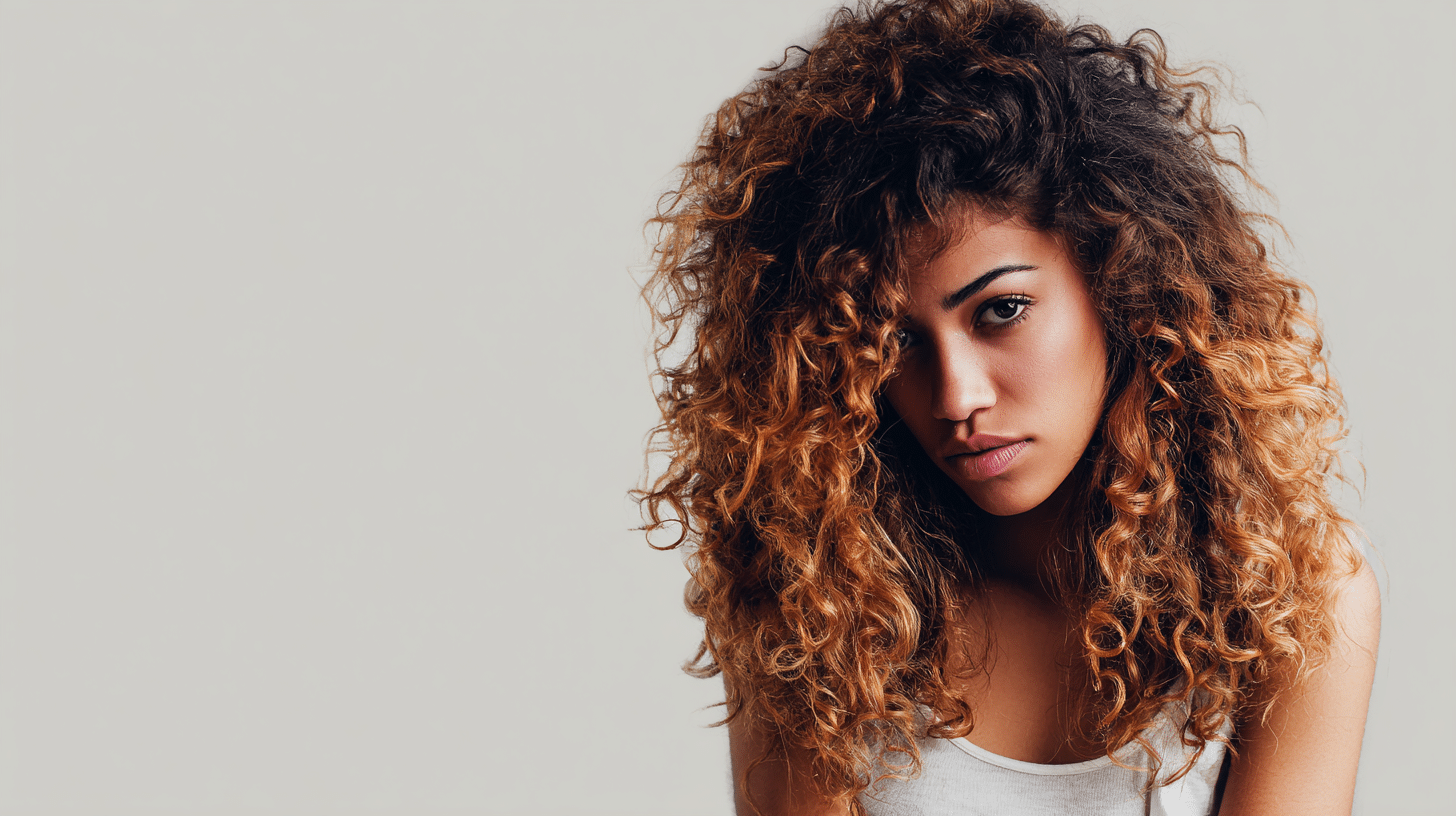
Highlights that work with natural curl patterns to create movement and dimension. Each curl catches light differently for a multidimensional effect.
5. Subtle Brunette Improvement
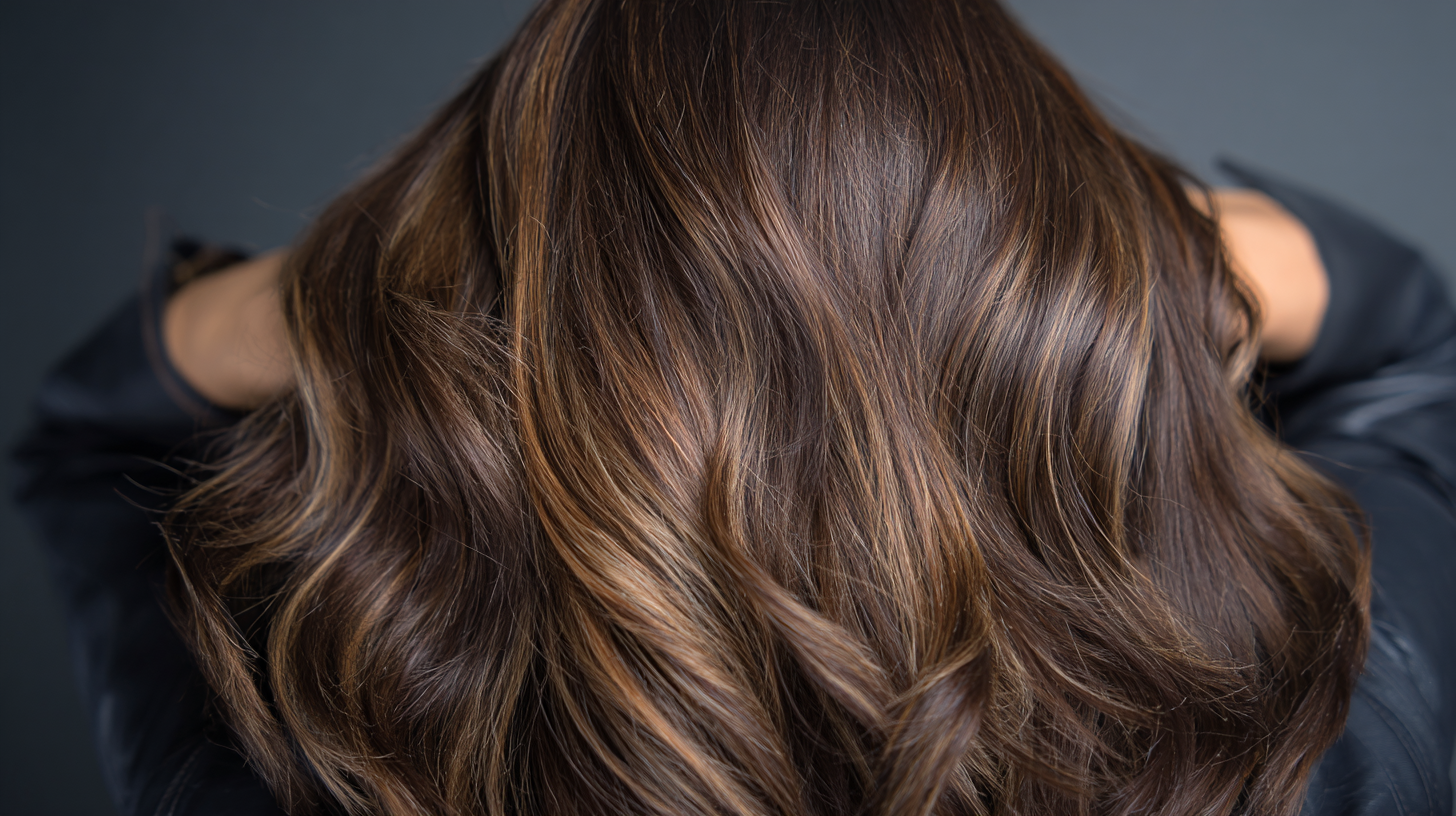
Lighter brown tones added to dark hair for depth and richness. This creates a natural-looking lift without a dramatic color change.
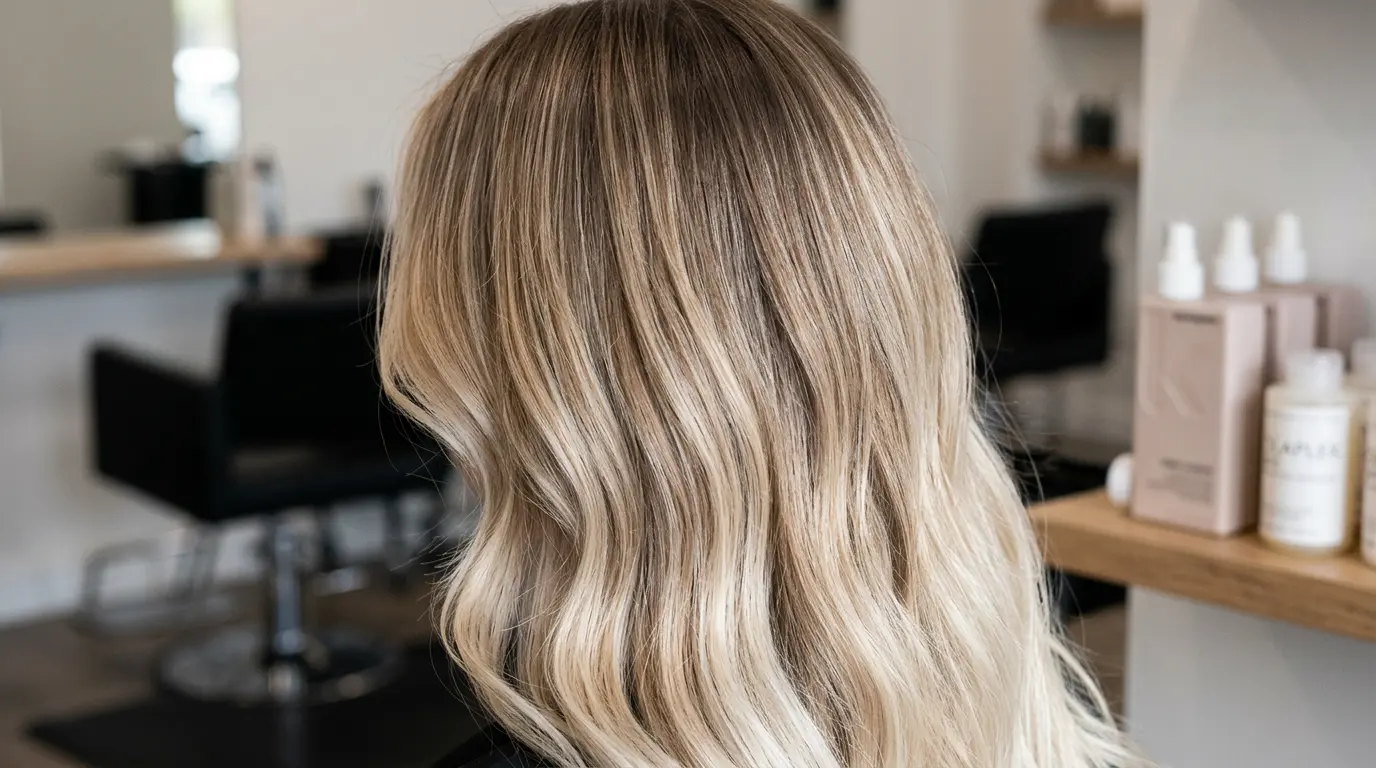
6. Beachy Blonde Waves
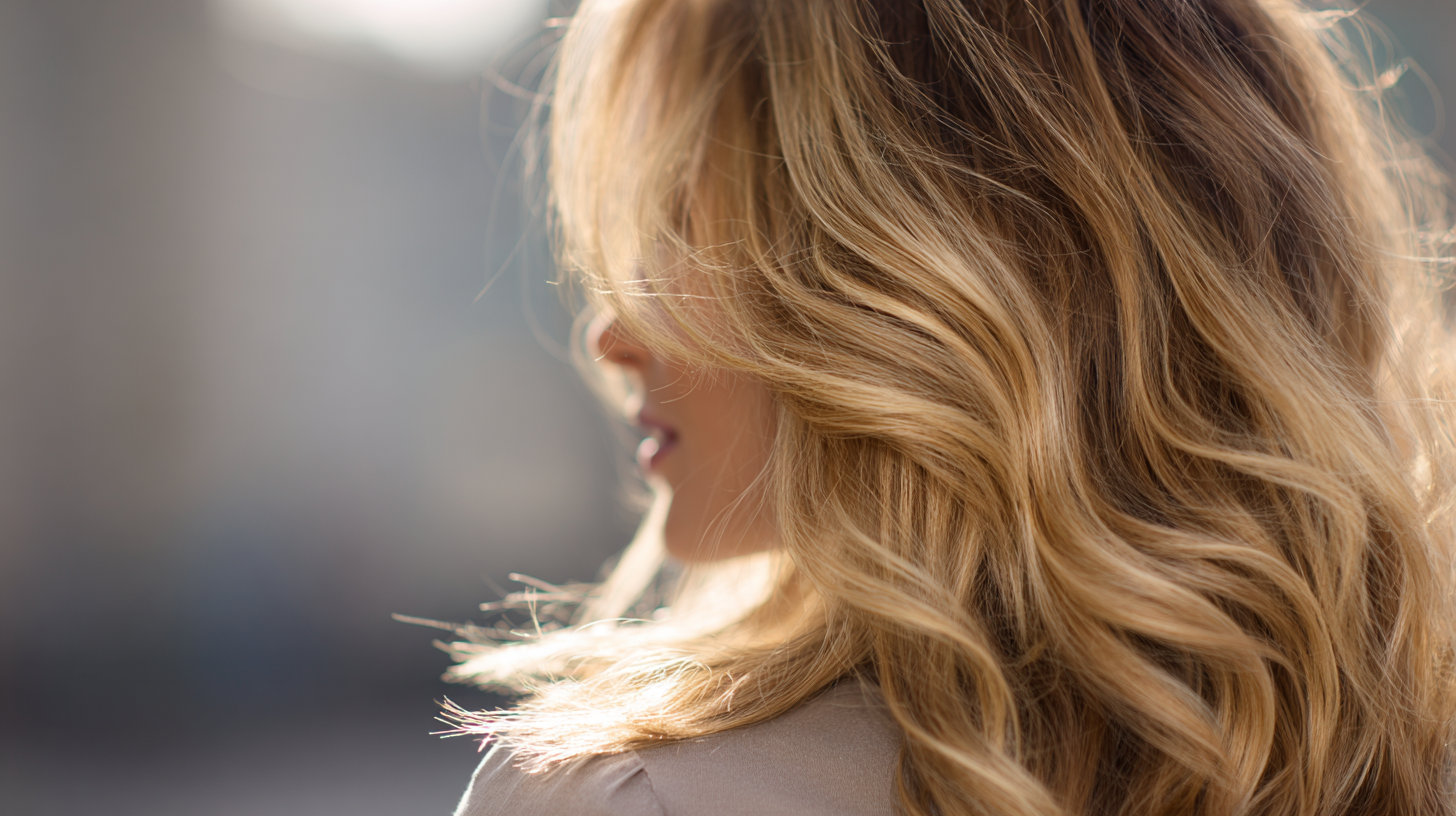
Soft blonde highlights that mimic natural beach lightening. The color appears lighter at the ends and gradually blends into darker roots.
7. Copper and Auburn Accents
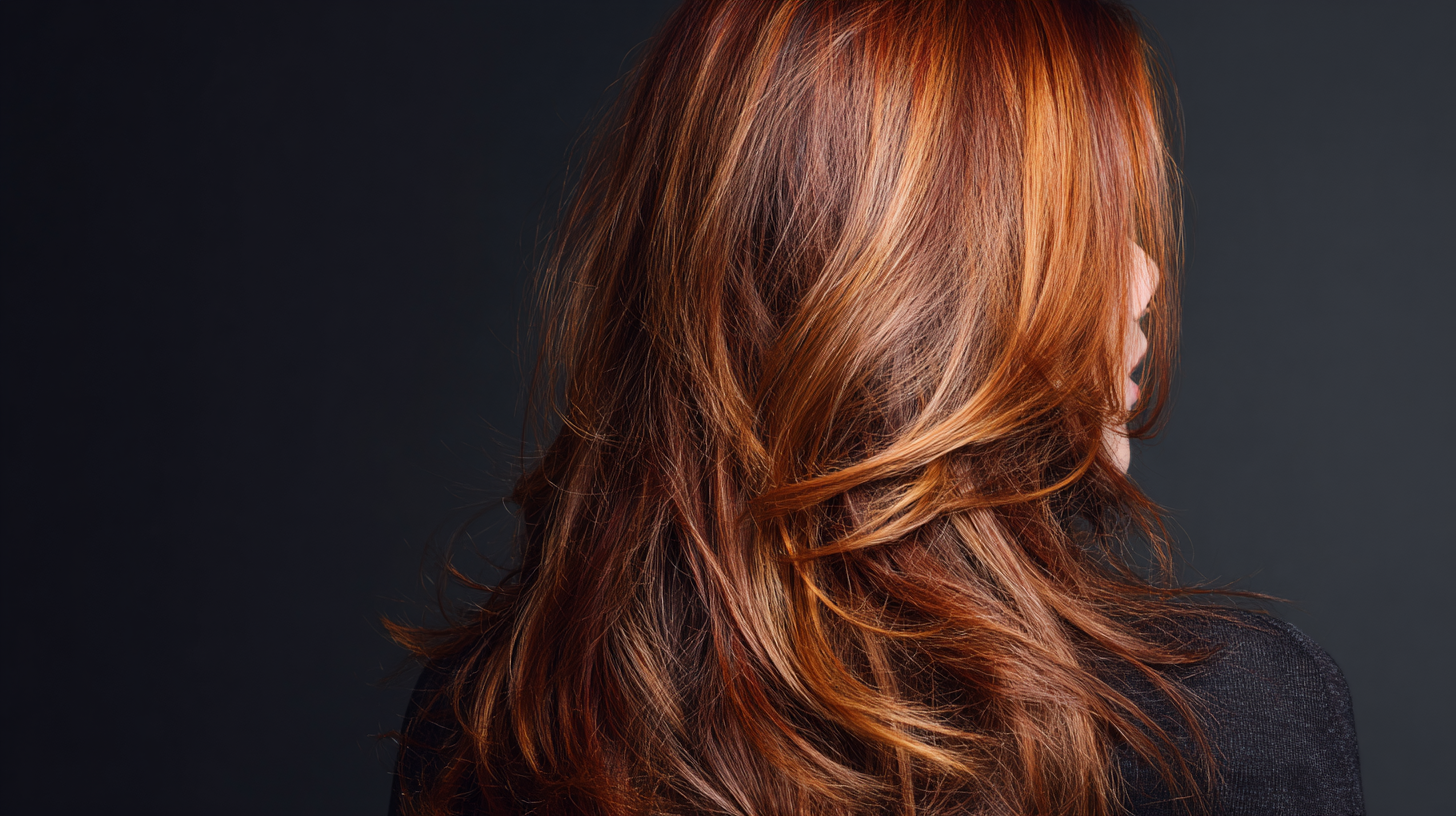
Warm red-toned highlights that add richness to brown hair. This creates a vibrant, autumn-inspired look with natural warmth.
8. Platinum Blonde Pieces
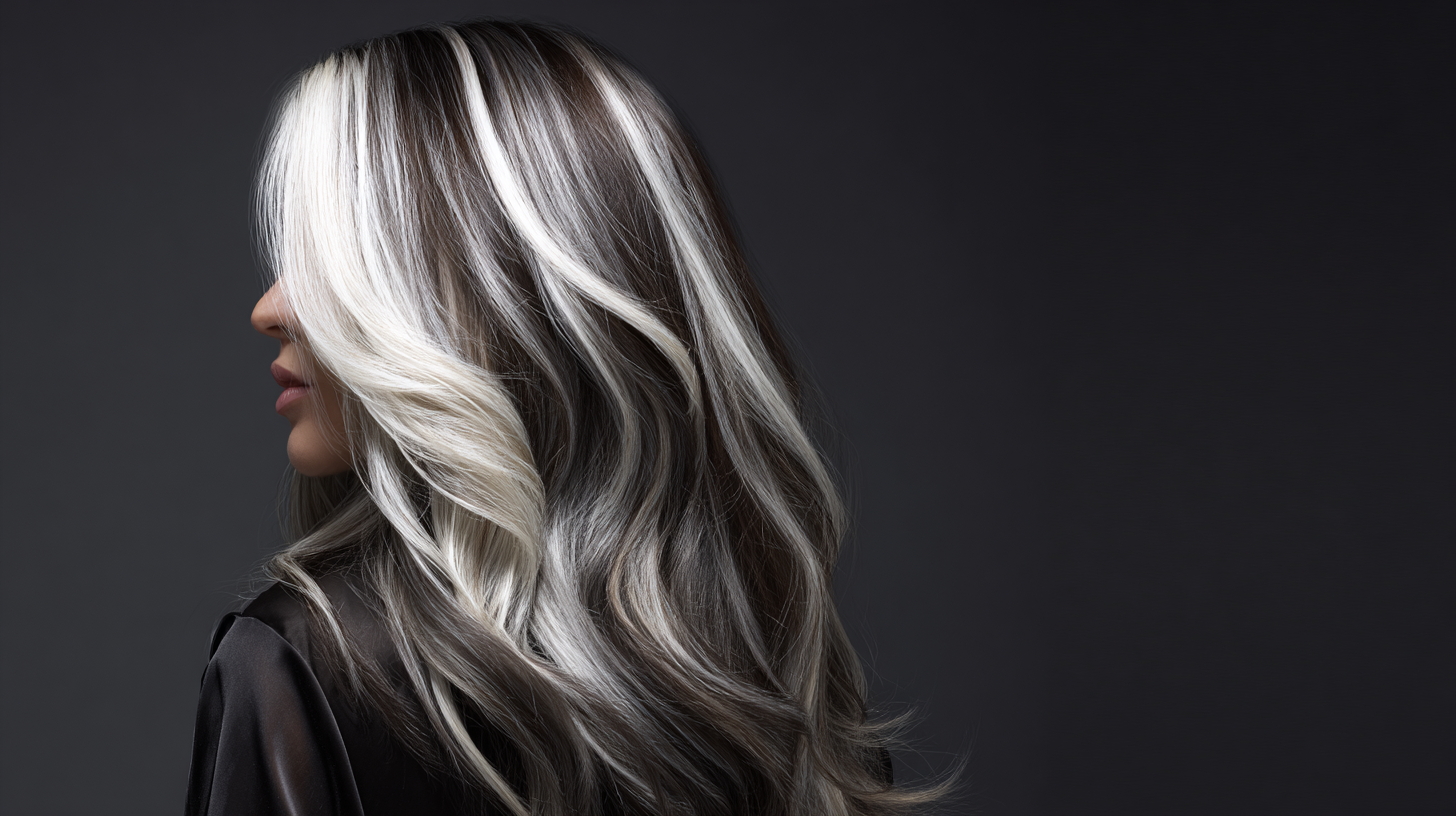
Bright blonde highlights strategically placed for maximum impact. This creates a bold contrast while maintaining natural-looking placement.
When looking at inspiration photos: Consider your natural hair color, skin tone, and how much maintenance you’re willing to do.
Your Next Step Toward Beautiful Hair
The right hair color technique comes down to your lifestyle, hair type, and personal style, not whatever happens to be trending this season.
Partial balayage gives you noticeable dimension with a maintenance schedule most people can actually keep up with, which is why it works for such a wide range of hair types and budgets.
What matters most is finding a colorist who listens to what you want and knows how to place highlights for your specific hair, from face-framing pieces on straight hair to placement built around natural curl patterns.
When you’re ready, book a consultation with a colorist in your area. They can look at your hair in person, talk through what you want, and tell you if partial balayage is the better fit compared to full balayage or highlights.
Tried partial balayage already, or thinking about booking your first appointment? Share your experience in the comments below.
Frequently Asked Questions
How long does partial balayage last before it needs a touch-up?
Most partial balayage holds its shape for 12 to 16 weeks before roots and regrowth start to show. Because the color is placed in strategic sections rather than throughout the whole head, the grow-out stays soft and blended, so many people stretch appointments even longer without the look feeling outdated.
Can partial balayage work on short hair?
Yes, partial balayage adapts well to shorter cuts. Your stylist will simply adjust the placement, focusing on the crown, part line, and pieces around the face so the dimension still reads clearly even with less length to work with.
Is partial balayage damaging to hair?
Partial balayage is generally gentler than full-head color because fewer strands are lightened at once. That said, any lightening process can leave hair drier, so a good conditioning routine and heat protection are still important for keeping strands healthy.
How much does partial balayage usually cost?
Pricing varies by salon and location, but partial balayage typically runs 20 to 30 percent less than a full-head service since it uses less product and takes less chair time. Ask your stylist for an exact quote based on your hair length and thickness.
Can I go from partial balayage to full balayage later?
Absolutely. Partial balayage is often used as a starting point, and stylists can build on the existing pieces during a future appointment to expand the coverage without wasting the work already done.
Does partial balayage show up well on dark hair?
Yes, dark hair actually shows the dimensional effect of partial balayage beautifully, since the contrast between the natural base and lightened pieces creates depth. Stylists can adjust the tone, from subtle caramel to bolder blonde, based on how much contrast you want.