You’re standing in the drugstore aisle, holding a box of hair color and asking yourself the same thing many people do: Am I about to make a mistake?
I’ve seen that hesitation plenty of times because box dye has earned a complicated reputation over the years.
Short answer: yes, box dye can be bad for your hair, since it relies on the same strong chemicals as salon color but with no one adjusting the strength to fit your hair.
Whether that turns into real damage depends on three things I always pay attention to: the ingredients in the dye, the condition of the hair before coloring, and how carefully you follow the instructions.
|
QUICK ANSWER Box dye works well for small touch-ups, gray coverage, or going a shade darker, since it’s cheap, fast, and private. Skip it for lightening or bleaching. Patch test first, follow timing exactly, and match developer strength to your hair’s condition. |
What is Box Dye, Exactly?
Box dye is a ready-made hair color kit sold in drugstores and supermarkets. It usually includes the color, developer, and gloves, so you can mix and apply everything at home.
The main drawback is that the same formula is designed for many hair types, including thin, thick, virgin, and previously colored hair. Salon color works differently because a colorist mixes the formula based on your hair’s condition, texture, and history.
This one-size-fits-all approach means the same box can lift color evenly on one person’s hair and leave another person’s hair patchy or overprocessed, simply because the strength wasn’t adjusted for what was already there. Box dye generally comes in three types.
Permanent color lasts until the hair grows out, semi-permanent color fades gradually over several washes, and temporary color washes out quickly, sometimes after just one or two shampoos.
If you’re not sure which type fits your plans, it helps to know how each color type wears off before you pick one off the shelf.
What’s Actually Inside the Box
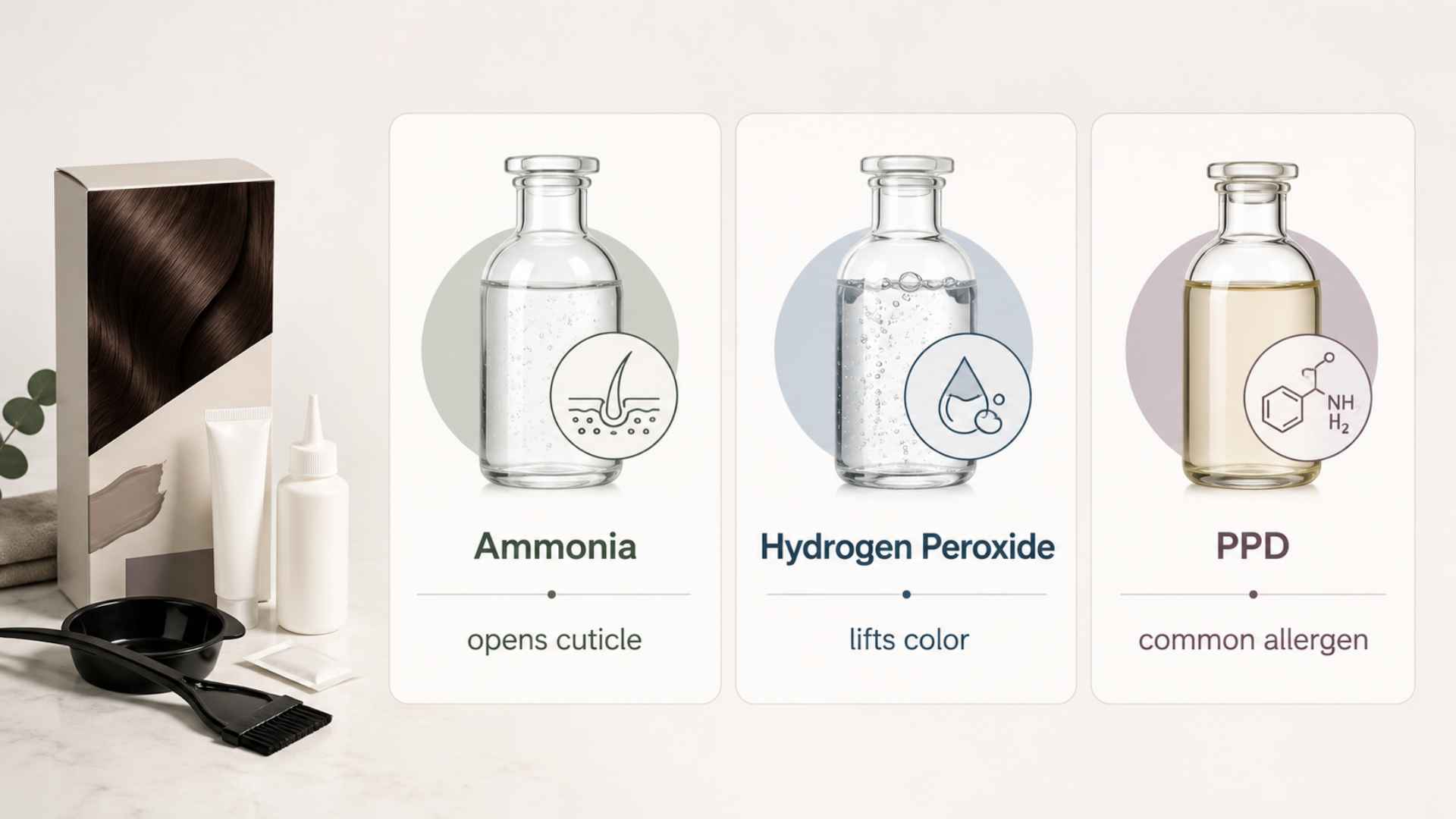
Most box dyes rely on a small group of chemicals to make the color stick. Ammonia opens up the hair cuticle so color can get inside. Hydrogen peroxide helps lift your natural color and set the new one in place.
Some formulas also use resorcinol, another common irritant, alongside a compound called PPD, which is a common cause of allergic reactions in hair dye.
Board-certified dermatologist Dr. Melissa Piliang at Cleveland Clinic notes that PPD is common in both cheap and expensive hair dyes and is present in nearly all permanent type dyes, which is why reading the ingredient label matters no matter which product you pick.
Following official patch test guidance from the U.S. Food and Drug Administration (FDA) helps catch a reaction early, and it’s worth doing every time you dye, even with a product you’ve used safely before, since sensitivities can develop over time.
None of these ingredients are exclusive to box dye. Salons use similar chemistry too. The real difference is concentration and control, not the chemicals themselves.
Reasons Why You Should Never Use Box Dye
Small touch-ups aside, there are specific situations where box dye stops being a reasonable shortcut and starts being a real gamble. These are the ones I’d tell a friend to skip entirely.
- It doesn’t know your hair’s history. A box can’t tell if your hair is virgin, bleached, keratin-treated, or already colored. Same strength for everyone means predictable jobs can turn into corrective ones.
- Repeated use builds color unevenly. Metallic salts or henna in many formulas grip more with each use, often landing darker at the ends than the roots, a reverse ombre nobody chose.
- No one’s watching the color lift. A colorist can stop early or add a bond treatment mid-process. A box formula runs the full time on the label, whether it’s right for your hair or not.
- Lightening and bleaching are unpredictable on their own. Box bleach is usually the strongest formula on the shelf, with no way to adjust it to your hair. Uneven tone, brassiness, and breakage follow.
The best box dye choice is realistic, not extreme. Stay within your hair’s limits, follow instructions, and you’ll have a smoother coloring experience.
Does Box Dye Cause Long-Term Damage?
A single box dye session on healthy hair rarely does lasting harm. The bigger concern is what happens with repeated use over months or years, especially with bleach involved.
Cleveland Clinic points out that the long term health effects of hair dye chemicals are not fully understood, and research on this has been mixed. What is clearer is the cumulative effect on hair itself.
Each round of lightening strips away more of the protective outer layer, so hair that’s been box bleached repeatedly tends to feel thinner, weaker, and more prone to snapping than hair colored once or twice.
An ammonia-free label doesn’t automatically mean a gentler formula either. Some box dyes marketed that way still contain other irritants like resorcinol, so it’s worth reading the full ingredient list rather than trusting the front of the box.
Health Issues Linked to Box Dye
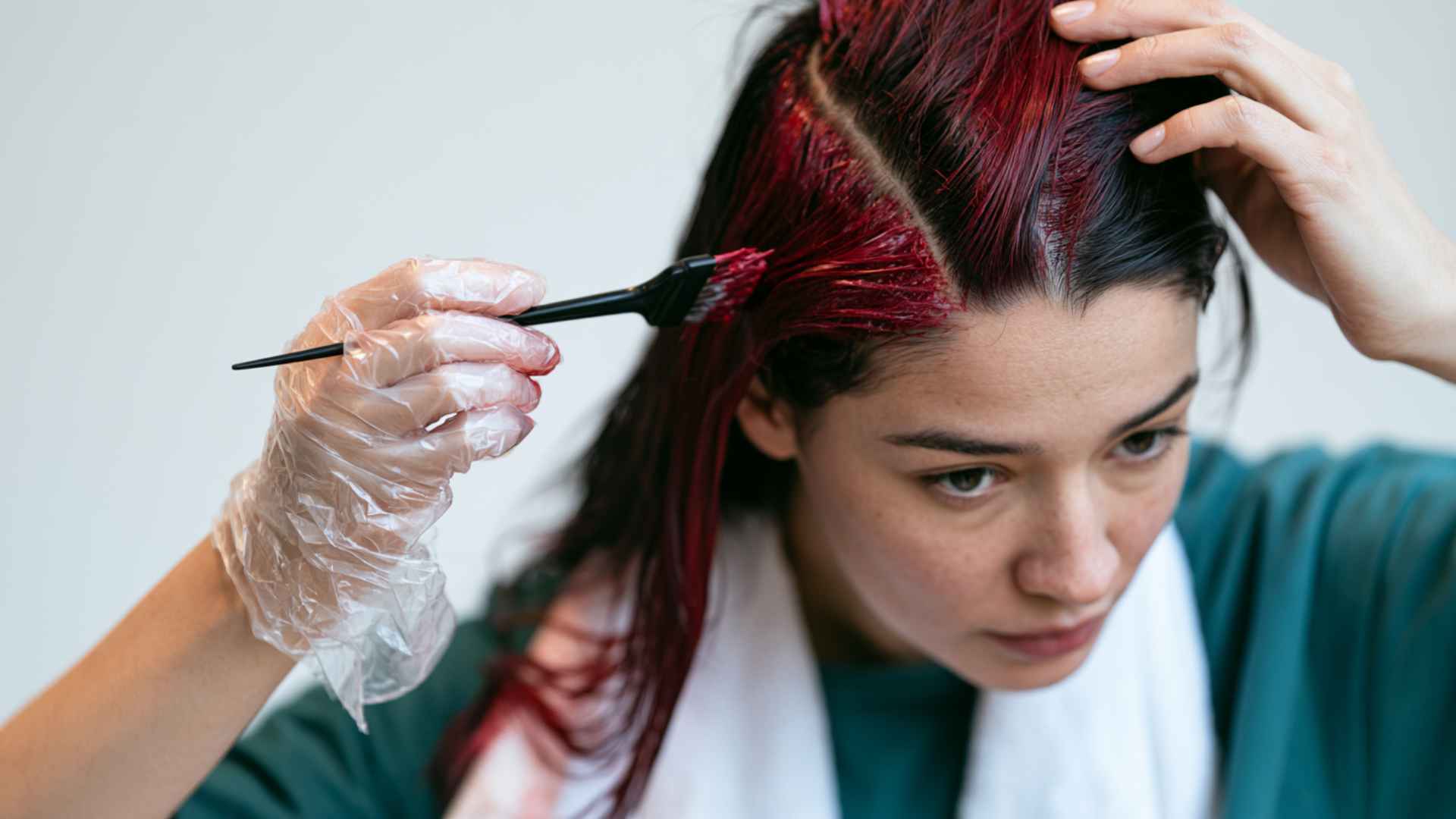
Most box dye reactions are mild, but some require more attention. Common issues include scalp tingling, dryness, or temporary redness that usually fades quickly.
A bigger concern is allergic contact dermatitis, often linked to PPD, a chemical used in many hair dyes. Symptoms may include swelling, blistering, or a spreading rash that appears hours after coloring.
Repeated bleaching also carries a less talked-about risk. Dr. Piliang has noted that hair weakened by frequent lightening can start to look limp and thin, and in some people this can progress to noticeable hair thinning or loss, not just breakage that mimics it.
This is why a 48-hour patch test matters. In rare cases, severe reactions can affect breathing or cause major facial swelling and need urgent medical care. Even if you’ve used dye before without problems, allergies can develop over time.
Benefits of Box Hair Dye
Box dye gets a lot of side-eye, but it earns its spot on the shelf for a reason. Box dye offers an easy way to refresh your hair at home. It saves money, time, and gives you control over simple color changes.
- Cheap. A box runs a fraction of a salon visit, and you can grab it on a regular grocery run.
- Fast. No appointment, no waiting room, no small talk. You color on your own schedule, even at 9 pm on a Tuesday.
- Private. Some people just don’t want to sit in a chair while someone else decides their color. Box dye keeps that choice entirely yours.
- Good enough for small jobs. Root touch-ups, a shade darker, a handful of grays. For low-stakes changes, it does the job without the price tag.
- Practice run. It’s a low-commitment way to test a color idea before spending salon money on the same shade.
For small updates and budget-friendly changes, box dye can work well. Choose carefully, follow instructions, and know when a salon is better.
Box Dye vs. Salon Color
The biggest gap between the two isn’t the ingredients list. It’s customization. Choosing between box dye and salon color comes down to cost, control, hair condition, and how much change you want.
| Factor | Box Dye | Salon Color |
|---|---|---|
| Formula | One mix for everyone | Mixed for your exact hair |
| Cost | Cheap, one-time purchase | Higher, ongoing cost |
| Damage risk | Higher, especially on fine or pre colored hair | Lower, adjusted by a pro |
| Result control | Can be uneven or off shade | Even tone, blended roots |
| Best for | Small touch-ups, subtle shade shifts | Big changes, lightening, gray coverage |
A colorist checks your hair before, during, and after the process. They can stop early if your hair is processing too fast, or add a bond treatment mid-application.
Box dye can’t do any of that. Once it’s on, it’s on for the full time listed on the box, whether that’s right for your hair or not.
Signs Your Hair is Reacting Badly
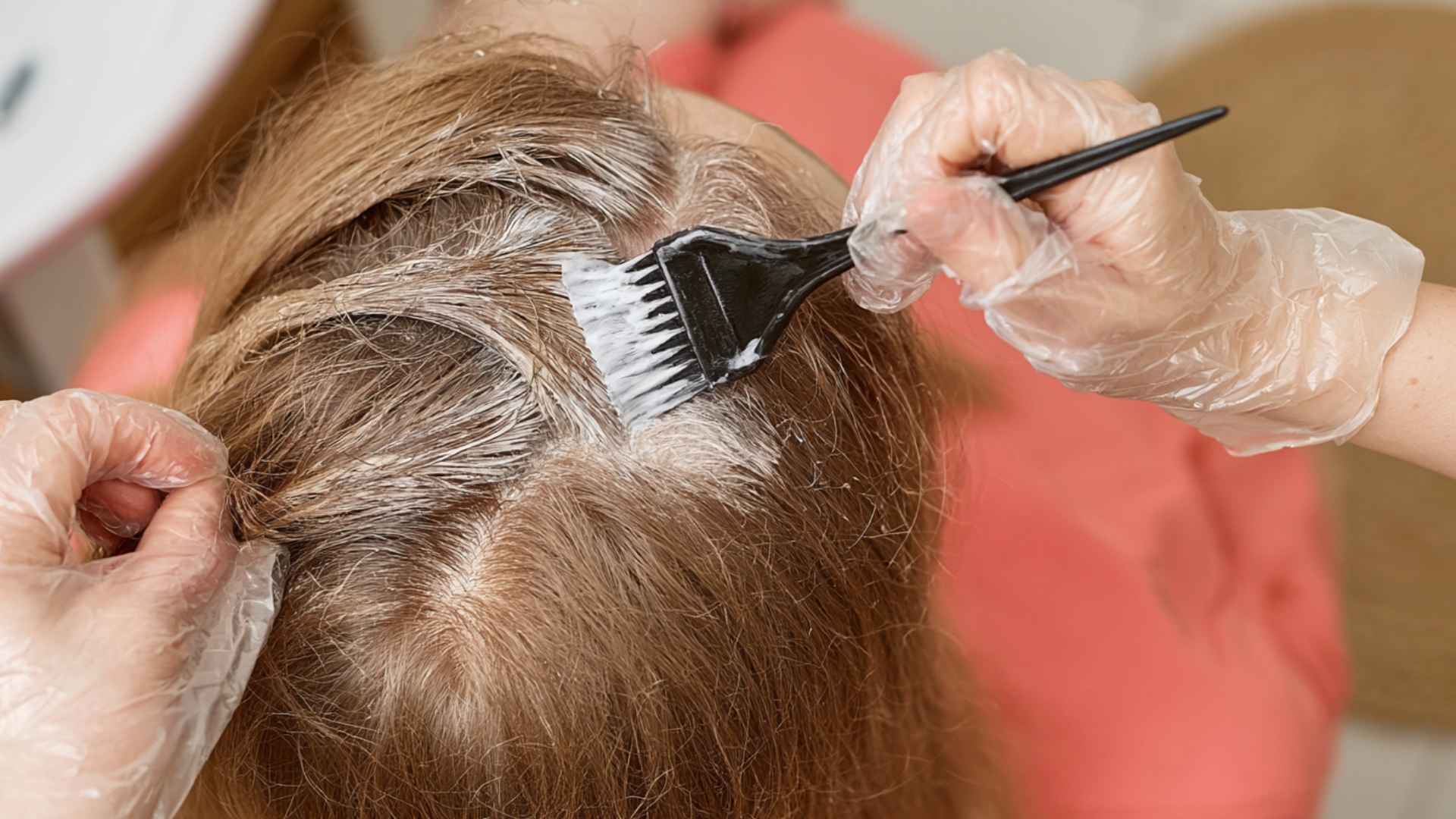
Hair and scalp changes after coloring can signal irritation or damage. Paying attention early helps you respond quickly before minor problems become harder to manage.
- Redness and itching: Persistent redness, itching, burning, or tenderness after coloring may indicate scalp irritation, especially when symptoms continue beyond the first day.
- Flaking and blisters: New flakes, peeling skin, or small blisters can point to a reaction and should be watched closely after using dye.
- Rough hair texture: Hair that suddenly feels dry, rough, brittle, or straw-like may have lost moisture and strength during the coloring process.
- Extra shedding: Noticeably more hair in your brush, shower drain, or hands can suggest breakage or shedding related to chemical stress afterward.
- Patchy color: Uneven or patchy color may mean the hair processed differently across sections, especially where strands were already dry or damaged.
Checking your scalp and hair after coloring makes problems easier to catch. Seek medical advice when irritation is severe, worsening, or lasts beyond two days.
When Box Dye is Reasonably Safe to Use
Not every box dye job ends in damage. Small changes carry less risk than big ones.
Going one or two shades darker, touching up roots on hair that’s never been colored before, or covering a few gray strands are all lower-risk box dye jobs.
Your hair isn’t fighting against a huge chemical shift, so the odds of dryness or breakage drop. Skip box dye entirely if you’re trying to go lighter or blonde.
That process needs bleach in the formula, and bleach is unpredictable without someone watching the color lift in real time.
What Are Hot Roots and How to Avoid Them
Hot roots happen when your roots end up a noticeably different, often warmer or brassier, shade than the rest of your hair after coloring.
It’s one of the more common box dye complaints, and it’s rarely about the product being bad. It’s about heat and timing.
Roots sit closer to the scalp, and body heat speeds up how fast color processes there compared to the mid-lengths and ends. Left untouched, that section can grab more pigment, faster, and land a shade or two warmer than intended.
A few things make it worse: applying dye to roots first and letting it sit longest, coloring right after a hot shower, or processing under a warm cap or blow dryer. All of that adds heat exactly where you don’t need extra processing speed.
To keep roots in line with the rest of your hair, apply color to the mid-lengths and ends first, save the roots for last, and keep the room at a normal temperature instead of adding heat.
If hot roots still show up, a gentle toner or color-depositing conditioner can usually pull the shade back in line without another full coloring session.
How to Minimize Damage if You Use Box Dye
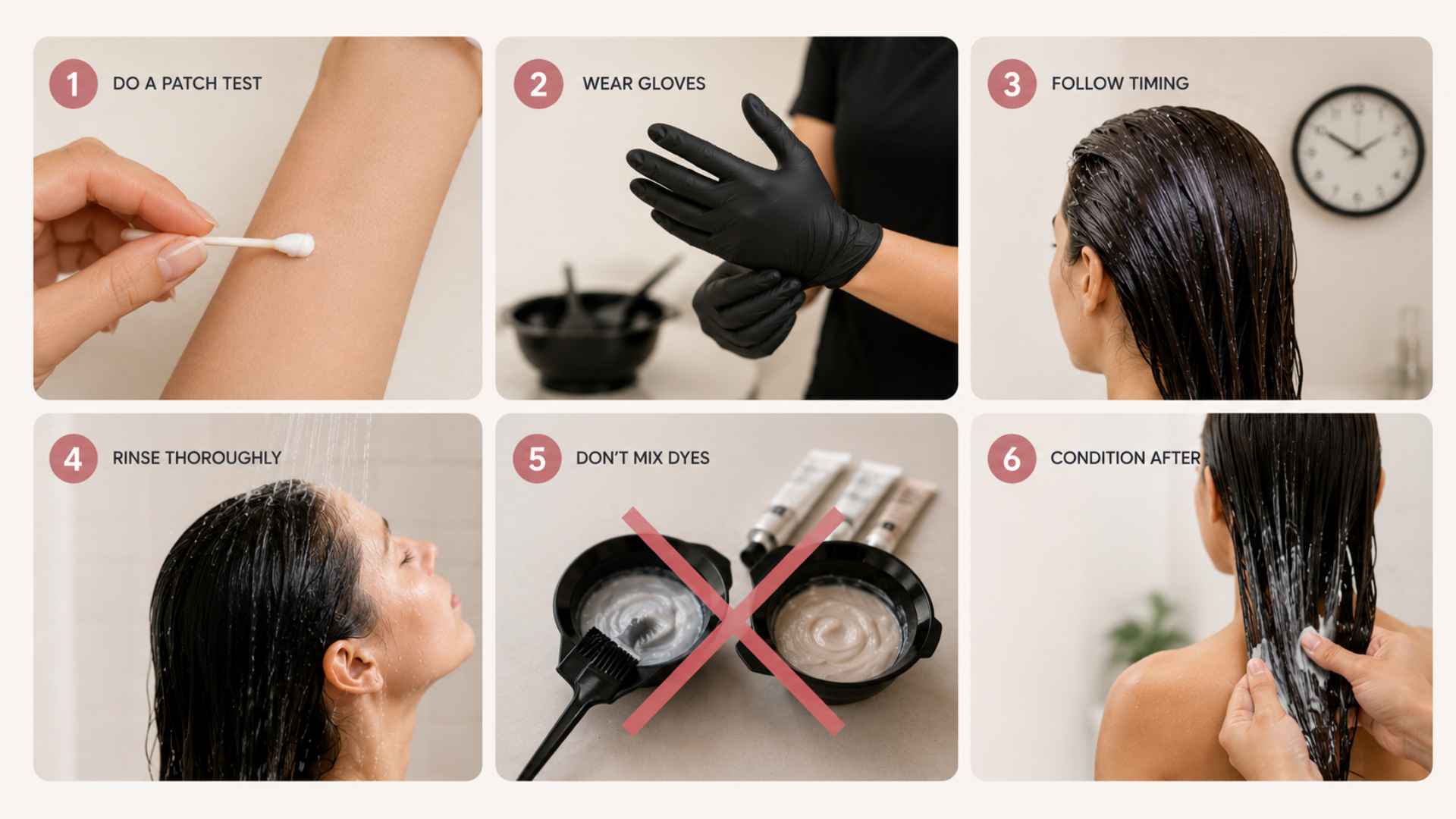
If you’re set on doing it yourself, a few habits make a real difference in how your hair holds up afterward.
- Do a 48-hour patch test on your skin before coloring
- Wear gloves the entire time, no exceptions
- Never leave the dye on longer than the box says, even if the color looks light
- Rinse thoroughly with cool water once time is up
- Never mix two different dye formulas together
- Follow up with a deep conditioning or bond repair treatment a day or two later
Pro tip: Keep a color journal. Jot down the brand, shade, and how your hair felt afterward. It makes your next box dye pick a lot less of a guessing game.
One more thing worth repeating: never use hair dye anywhere near your eyebrows or eyelashes. It’s not made for that skin and can cause serious, lasting eye damage.
Conclusion
After going through what’s inside these formulas and how differently hair reacts to them, one thing stands out most: box dye isn’t the villain it’s made out to be, but it’s not risk-free either.
The chemicals do the same job whether they come from a salon bottle or a drugstore box.
What changes is control, and that’s where most of the risk of damage comes from. Small touch-ups tend to go fine.
Bigger changes ask more of your hair than a fixed formula can safely give.
Know what your hair has already been through, follow the timing on the label, and treat a patch test as a real step, not an extra one.
If you’re only covering a few grays or going slightly darker, box dye is a reasonable choice.
If you’re chasing a big change, the cost of a salon color correction almost always ends up higher than what you’d have paid for a professional job from the start.
Frequently Asked Questions
Can Box Dye Cause Hair Loss?
It’s uncommon from a single use. Harsh formulas can weaken strands and cause breakage that looks like loss, and scalp irritation from an allergic reaction can lead to temporary shedding in some people.
With repeated bleaching, dermatologists have also linked frequent lightening to genuine hair thinning in some cases, not just breakage, since each round strips away more of the hair’s protective layer.
Is It Safe to Use Box Dye to Cover Gray Hair?
Yes, for small touch-ups. Gray coverage on a few strands is one of the lower-risk uses of box dye since it usually needs less lift than a full color change.
How Often Can You Safely Use Box Dye?
Every 4 to 8 weeks for root touch-ups is typical, depending on the brand and your hair’s growth rate. Coloring more often than that, especially with bleach, raises the chance of dryness, breakage, and buildup on your ends.
Can You Fix Box Dye Damage?
Often, yes. A deep conditioning or bond repair treatment can restore some strength and shine to mildly damaged hair, and trimming split ends stops further breakage from traveling up the strand.
For more serious damage, like uneven tone or hair that feels straw-like throughout, a colorist can do a corrective treatment, though it usually takes more than one salon visit to fully undo.
Is box dye cheaper than salon color long term?
Upfront, yes. But if a box dye job goes wrong, the cost of a professional color correction is typically higher than what a salon visit would have cost in the first place.
Factoring in touch-ups, repair treatments, and the occasional correction, the long-term savings of box dye are smaller than the sticker price suggests.