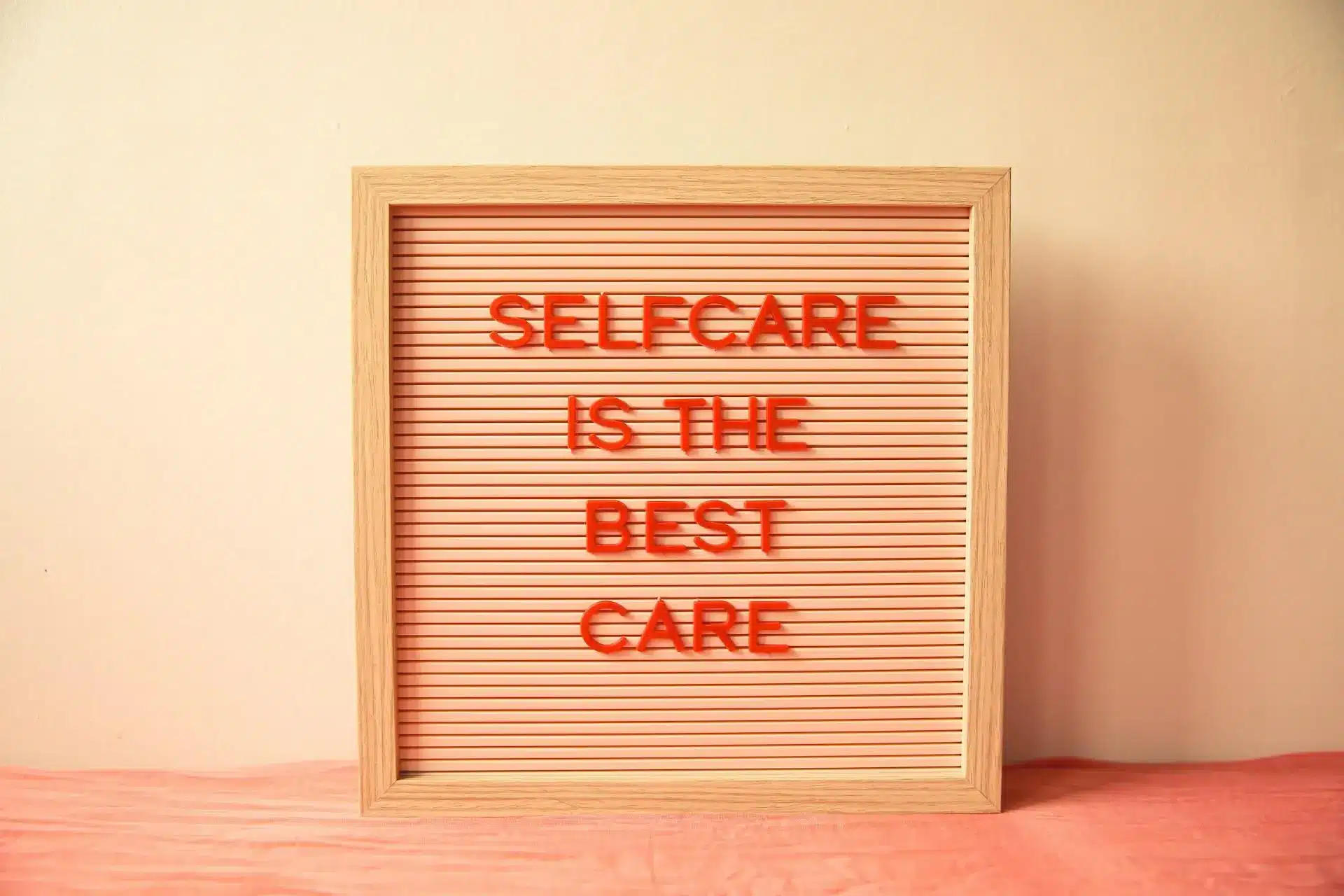
Self-care does not require a complicated routine or a shelf full of products. At its best, it consists of practical habits that support the skin, body, and mind. A gentle skincare routine, regular movement, sufficient rest, and a few thoughtfully selected products can be more useful than constantly following new wellness trends.
The challenge is deciding what deserves a place in the routine. Begin with a real need, understand what each product is designed to do, and choose options that can be used consistently.
Whether you are exploring skincare essentials, body care products, or wellness-focused solutions, a thoughtful approach can help you avoid unnecessary purchases and build habits that fit your daily life.
Build a Balanced Routine
Different parts of self-care should complement one another. Skincare can support the skin’s surface and protective barrier, but it cannot replace sleep or sun protection.
Exercise can support physical well-being, but recovery remains important. Supplements may suit some people, but they should not replace balanced nutrition or professional advice.
Instead of expecting one product to improve every aspect of well-being, focus on a few clear priorities. This makes it easier to recognize which habits are useful and which products add unnecessary complexity.
A balanced routine can include basic skincare, regular physical activity, adequate hydration, and sufficient rest. The products you choose should support these habits rather than become a source of pressure. It is also helpful to review your routine from time to time and remove products that no longer serve a clear purpose.
Start With Skincare Essentials
A basic skincare routine usually includes a gentle cleanser, moisturizer, and broad-spectrum sunscreen during the day. Additional products can be selected for concerns such as dryness, uneven tone, blemishes, or visible signs of aging.
Introduce new formulas gradually, especially exfoliating acids, retinoids, and other strong active ingredients. Sensitive skin may respond better to hydration and barrier support than to several treatments layered together. Patch testing can also help identify possible irritation, although it cannot guarantee that a product will not cause a reaction.
Product selection should reflect your skin type, current concerns, and daily environment. For example, someone who spends considerable time outdoors may prioritize sun protection, while someone dealing with dry skin may focus on gentle cleansing and consistent moisturization.
Ingredients and product claims also deserve attention. Look for clear usage instructions and relevant information about the formula. A longer ingredient list does not automatically make a product more effective, and a popular trend is not necessarily appropriate for every skin type.
Remember Body Care

Hands, elbows, knees, and feet can become dry because of weather, washing, or friction. Applying moisturizer after bathing can help reduce water loss, while sunscreen remains important for exposed areas such as the neck, chest, and hands.
Practical body products address a recurring concern and fit easily into daily life. A rich cream may suit very dry areas, while a lightweight lotion may be more convenient for wider use. The best choice depends on personal preferences, skin needs, and how consistently the product can be applied.
Body care can also include simple habits such as using gentle cleansing products, avoiding excessive friction, and paying attention to areas that are frequently exposed to environmental conditions.
There is no need to create a complicated routine for every part of the body. A few suitable products used regularly may be more practical than frequently changing formulas.
When exploring body care brands, consider whether their products clearly explain their intended use, ingredients, and precautions. This information can make it easier to decide whether a product fits your existing routine.
Include Movement and Recovery
Walking, stretching, yoga, strength training, and other suitable activities can support everyday well-being. Mats, resistance bands, or recovery tools may make these habits more comfortable when they match the activity and the user’s experience level.
Rest days, adequate sleep, and time to relax matter as much as exercise. Before buying equipment, consider whether it supports an activity that is already realistic and enjoyable. A product is more likely to provide lasting value when it helps you maintain a habit rather than encouraging a short-lived trend.
Recovery can look different for different people. Some may benefit from gentle stretching after a long day, while others may prefer a quiet evening, a consistent sleep schedule, or time away from screens. The goal is to develop habits that support physical comfort and overall well-being without creating unnecessary demands.
Evaluate Wellness Products Carefully
Supplements, herbal blends, sleep accessories, and similar products should have a clear purpose and transparent information. Check ingredients, instructions, and precautions rather than relying on broad promises. Anyone who is pregnant, breastfeeding, taking medication, or managing a health condition should seek appropriate professional advice before using a supplement.
For consumers, this means considering whether a product is suitable for their needs and understanding how it fits into their existing habits. For brands and manufacturers developing wellness products, careful ingredient selection and transparent sourcing information are also important parts of product development.
The ingredients used in a finished wellness product can influence its formulation requirements, such as dosage form, stability, processing considerations, and quality specifications. This is one reason the supply side of the wellness industry deserves attention alongside the finished products available to consumers.
Reliable information can help both consumers and businesses make more informed decisions. However, ingredient presence alone does not establish that a finished product will deliver a particular health or beauty outcome. Product quality, formulation, intended use, and appropriate evidence all matter.
Featured Self-Care Brands and Wellness Resources to Explore
The following selection includes brands offering practical products for skin, body, or general well-being, along with a supplier representing the ingredient side of the wellness industry. Each serves a different role, so readers should consider whether they are looking for finished products for personal use or information about ingredients and product development.
Nutri Avenue
Nutri Avenue is a bulk raw ingredient supplier supporting brands, formulators, and manufacturers developing dietary supplements and other wellness-focused products. Unlike consumer-facing self-care brands that sell finished products, Nutri Avenue focuses on the ingredient sourcing side of the wellness industry.
Its portfolio includes categories such as amino acids, botanical extracts, vitamins, minerals, proteins, and specialty compounds. These ingredients can be considered for different formulation needs across areas including sports nutrition, cognitive performance, sleep support, healthy aging, and general wellness.
The role of an ingredient supplier is different from that of a finished-product brand. While consumers typically evaluate a product based on its intended use, convenience, and suitability for their routine, businesses developing supplements also need to consider ingredient specifications, quality documentation, sourcing requirements, and formulation objectives.
For companies exploring new wellness products, reviewing available raw materials can be an early part of the development process. Ingredient selection may involve assessing the desired application, format, specifications, and supply requirements before a finished formula is created.
Nutri Avenue provides a starting point for businesses looking to explore bulk ingredient options and discuss sourcing needs. Brands, formulators, and manufacturers can explore the supplier’s ingredient portfolio and contact its team for additional information.
Its inclusion in this list reflects the broader wellness industry behind finished products rather than a direct consumer self-care offering. Readers interested in developing supplements or exploring ingredient sourcing can use the website as a resource for further research.
Rejûvaskin
Rejûvaskin is a US-based skin-health brand offering products for everyday skincare, healthy aging, sensitive or compromised skin, and scar management. Its selection includes facial cleansers, moisturizers, mineral sunscreen, retinoid products, recovery creams, silicone scar gels, sheets, and care bundles.
The brand separates its products by concern and routine, helping shoppers distinguish between daily skincare and more specific needs such as dryness, post-procedure care, or the appearance of scars. This can make it easier to identify products that complement an existing routine without adding unnecessary steps.
When selecting from the range, consider the intended purpose and directions for each product. Active formulas should be introduced gradually, while scar-care products should only be used as directed and at the appropriate stage of healing. Anyone managing a medical skin condition or recovering from a procedure should follow professional guidance.
How to Choose the Right Brand
Look beyond attractive packaging and broad claims. Consider whether a product addresses a specific need, whether its ingredients or materials are clearly disclosed, and whether its directions are practical. For devices, check maintenance and safety guidance. For skincare, consider compatibility with the existing routine and avoid introducing several new active products at once.
For supplements and wellness products, review the ingredient list, serving instructions, relevant warnings, and information provided by the manufacturer. If a product makes specific health or beauty claims, consider whether those claims are supported by appropriate evidence and whether they apply to the finished product.
The brand’s approach to transparency can also be worth considering. Clear product descriptions, accessible usage information, and responsive customer support may make it easier to evaluate an option before purchasing.
Budget and convenience are equally important. A product that requires frequent replacement, complicated steps, or a routine that is difficult to maintain may not be the most practical choice. The best product is not necessarily the one with the most features. It is the one that fits the person’s needs, budget, preferences, and daily life.
Final Thoughts
A strong self-care routine is selective rather than excessive. Cover the basics first, then add products for clear reasons. Brands can offer useful solutions, but lasting value depends on how naturally those products fit into a balanced and sustainable routine.
Skincare and body care products can support everyday personal-care habits, while movement, rest, and balanced nutrition remain important parts of overall well-being. For businesses developing wellness products, the ingredients and sourcing decisions behind finished formulas are another part of this wider industry.
Whether you are choosing a moisturizer, exploring a new personal-care brand, or researching ingredients for a wellness product, focus on clear information and practical suitability. A thoughtful approach can help make self-care more manageable, consistent, and relevant to your individual needs.