Morning skincare routines change completely on clean, bright floors versus cold, stained ones. The space around you shapes how you feel each day. A messy bathroom counter turns simple beauty tasks into stressful chores.
Self-care goes beyond face masks and hair treatments. Home environment affects how well you stick to healthy habits. Fresh, organized spaces make you want to spend time caring for yourself.
Build Your Space on the Right Foundation
The floors under your feet change your whole mood. Dark or worn flooring makes rooms look dirty even after you clean. Pale surfaces bounce brightness around and open up any room.
White or light-toned flooring transforms spaces into calm places where self-care feels natural. These surfaces make small bathrooms look bigger. They improve visibility when you apply makeup or style your hair. Clean floors also cut down on allergens that bother your skin. Durable options like https://www.ambientbp.com/bamboo-flooring/white-bamboo resist moisture damage in bathrooms and kitchens.
Pick floors that wipe clean without harsh chemicals. You spend less time scrubbing and more time on real self-care. Flooring should make life easier, not harder.
Boost Your Space With Illumination and Fresh Air
Every environment needs good brightness and clean air to support wellness routines. These two elements work together to keep you healthy and energized.
Get More Natural Brightness
Sunlight affects your skin and sleep schedule in ways artificial sources cannot match. Poor illumination makes it hard to apply skincare evenly. Well-lit spaces help you start mornings with energy.
Put mirrors across from windows to spread rays around rooms. This simple change helps with detailed grooming tasks. The National Institute of General Medical Sciences found that regular sun exposure keeps sleep patterns steady and improves mood.
Remove heavy curtains that block morning glow. Swap them for sheer filters that give you privacy but let brightness through. Clean your windows often to maximize what comes in. Dirty glass blocks up to 40 percent of available sunlight.
Clean Your Air
Air quality affects your skin, hair, and breathing more than you might think. Dust and wrong humidity levels create problems that fancy skincare cannot fix. Good air helps your body work better overall.
Open windows every day when weather allows. Even 10 minutes exchanges stale indoor air. This removes residue buildup and particles that settle on your face. NASA research identified plants that filter indoor toxins naturally. Spider plants, snake plants, and pothos need little care but clean air well.
Keep humidity balanced to stop mold growth and prevent dry skin. Too much moisture grows bacteria. Too little dries out complexion and hair. A simple hygrometer monitors these conditions.
Set Up Zones for Your Daily Routine
Specific areas for different tasks make each step feel purposeful. Set zones for skincare, hair styling, and relaxing help you focus better. This setup also stops you from hunting for items.
The main skincare station needs good illumination and easy access to everything. Here are the key elements to organize:
- Store cleansers, serums, and moisturizers in clear containers
- Keep cotton pads and tools within arm’s reach
- Put daily items at eye level and occasional ones higher or lower
- Use drawer dividers to group similar items together
- Label everything so you know what you have
This visibility stops you from buying duplicates. It also helps you use items before they expire. A well-set station turns routines into time you look forward to.
Give yourself a comfortable spot for treatments that take time. A small chair near an outlet lets you use hair tools safely. Add a table or cart to hold what you need. This setup changes grooming from a chore into real self-care time.
Pick Materials That Last
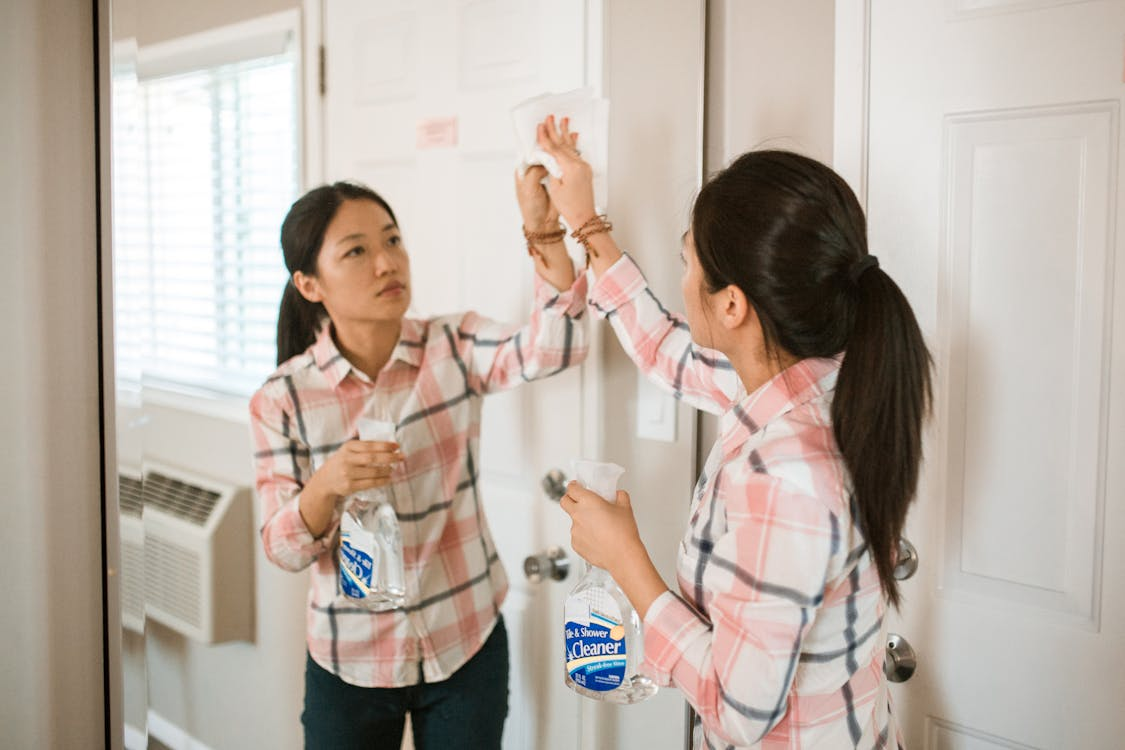
Bathroom and vanity areas face water, cosmetics, and heat every day. Some materials show every mark and need constant attention. Smart picks keep things looking clean without endless work.
Natural materials often beat synthetic ones in wet areas. They resist stains and can be refinished if needed. Solid options also release fewer chemicals into your air. This becomes important when you spend time in small rooms applying various cosmetics.
Test how materials look wet before you buy large amounts. Some finishes get slippery or spotty with moisture. Others stay good regardless of conditions. Safety and budget both count here.
Think about how things will look in five years. Trendy patterns might feel dated fast. Neutral tones and natural textures stay fresh longer. This thinking saves money and keeps rooms feeling current.
Create Spaces That Work for You
Physical environment connects to self-care habits more than you realize. Small changes make wellness routines feel easy instead of like extra work.
Clean, bright rooms with smart storage give you mental bandwidth for activities that benefit health.
Take stock of how different rooms affect your energy. Some spaces might make you want to linger while others feel draining. These observations guide where to focus improvements first. Home should support wellness goals rather than create obstacles that derail good intentions.