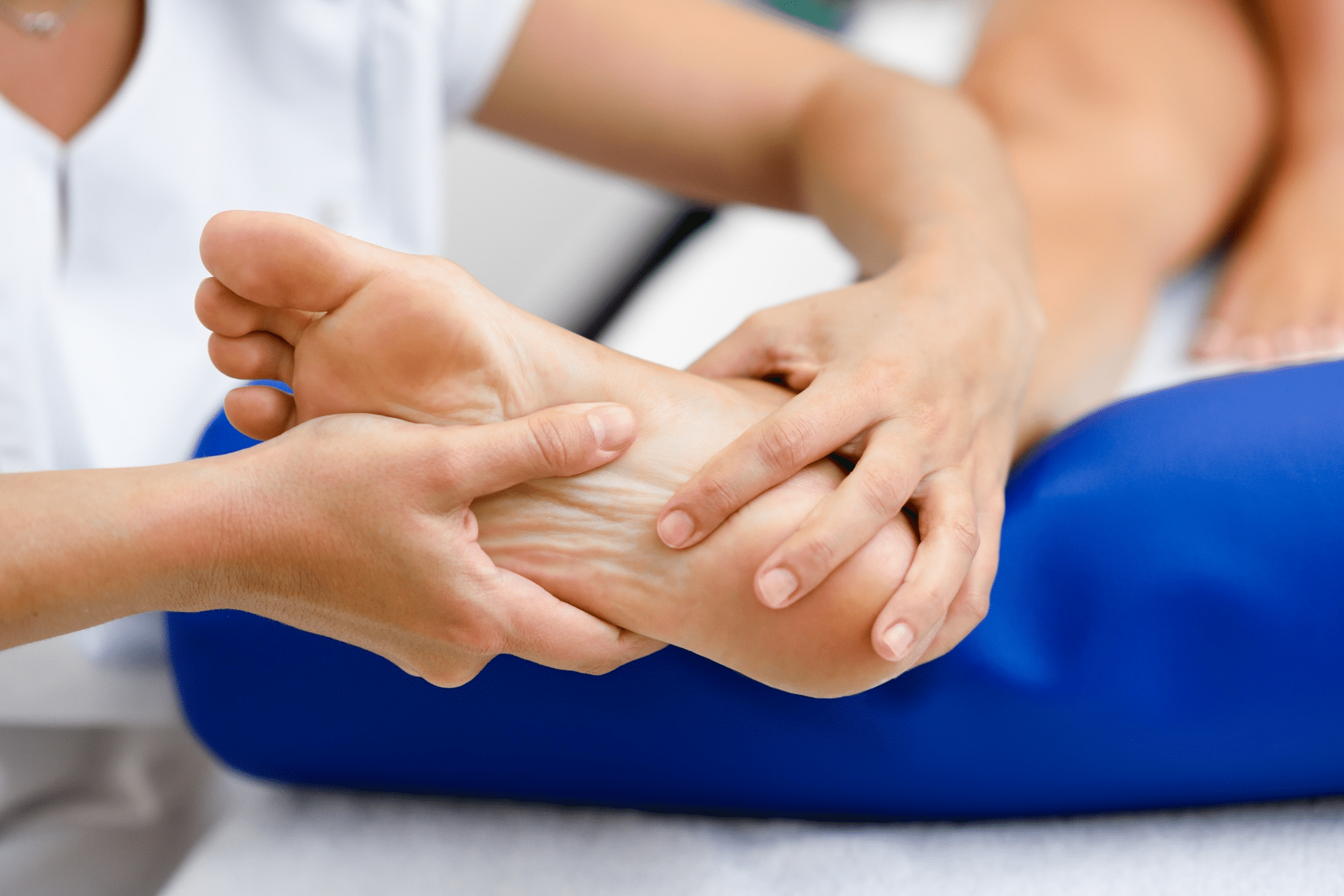
Have you ever noticed that people with great posture just seem to wear their outfits better? Good posture is not just about looking poised in photos, it says a lot about your health and self-assurance.
But here’s something few consider: your feet might be quietly shaping all of it. The way your arches align has the power to influence how you move, stand, and even how confidently you pull off your favorite looks.
What Is Arch Alignment?
Arch alignment describes how the arches of your feet support your body’s weight and absorb shock. Each foot has three arches: the medial, lateral, and transverse.
When these arches are aligned correctly, they act like natural shock absorbers. But if they flatten (overpronation) or rise too far (underpronation), your posture and balance take a hit.
Most commonly, people experience issues with overpronation, where the arch collapses inwards. This can happen from genetics, aging, or years of wearing unsupportive shoes.
Foot health can also be affected by past injuries and ankle problems, which change your gait and may affect overall alignment. You may not feel pain right away, but misaligned arches quietly stress your knees, hips, and spine over time.
How Arch Alignment Affects Your Overall Health
Arch misalignment is more than a foot problem. Its effect radiates to other parts of the body, affecting your gait, function, and posture. Research has also found that foot problems also affect overall quality of life, influencing confidence in everyday activities and self-perception.
What looks small beneath your shoe can ripple through joints, posture, and even your sense of well-being.
How It Affects Your Knees
When your foot rolls in due to flat arches, your knees follow. This pulls them out of alignment. Over time, it increases pressure and can lead to discomfort, joint problems, or early arthritis.
How It Impacts Your Hips
Misaligned arches cause uneven leg rotation. Hips compensate by tilting or twisting, sometimes resulting in soreness, tightness, or even lower back pain. Good arch support is essential to help keep your hips aligned and maintain functional, pain-free movement.
How It Influences Your Spine
Your feet significantly influence the kinetic chain, a term to describe how your feet, ankles, knees, hips, and spine are all linked, working together as you move and stand.
If your arches are unstable, this chain becomes disrupted, causing extra strain all the way up to your spine. Over time, your back muscles tire out and your natural spinal curve can change, making good posture much harder to maintain.
How It Changes Your Style
Here’s a secret: posture changes everything about how your wardrobe fits and flows. With bad alignment, clothes may cling or drape awkwardly.
Plus, slumping or leaning forward can hide your best features and lower overall confidence. When your arches support you well, you walk taller, feel better, and your style really shines.
Home Checks and Everyday Solutions for Arch Alignment
How do you know if your arches might be causing problems? The first port of call if you are dealing with foot pain or affected posture is to consult a specialist.
However, there are some at-home adjustments and strategies that can help you improve how you move and feel.
Here are ways to quickly check your feet at home, along with practical fixes you can start today.
First Things First: Consider Orthotics for Long-Term Relief
Orthotics are specialized shoe inserts designed to support your foot’s natural shape and alignment.
If you struggle with flat feet, chronic soreness, or postural issues, using orthotics can help you find relief for flat feet discomfort while also taking pressure off your joints. These inserts work by redistributing weight and correcting imbalances as you walk or stand.
You can get orthotics over the counter or have them custom-made by a foot specialist, who will assess your unique needs. Working with an expert ensures proper fit and the best results. Orthotics offer a practical, affordable, and efficient way to address foot pain so you can move with more comfort and confidence.
Try the Wet Footprint Test
Wet the bottom of one foot and step onto a piece of cardboard or a tile floor. A full, thick print (with almost no curve on the inside) suggests flat feet. A narrow curve typically means a healthy arch.
A very thin print or only the heel and ball may signal high arches.
Check Your Shoe Wear Patterns
Look at the soles of your favorite shoes. Excess wear on the inside edge means overpronation, while wear on the outside indicates underpronation. Balanced wear suggests your arches are doing their job.
Focus on Strengthening Moves
Strong foot and ankle muscles support the arch. Try simple daily exercises like:
- Towel scrunches: Place a towel under your foot and use your toes to pull it inward.
- Calf raises: Lift your heels off the ground and hold for a few seconds to work arch-supporting muscles.
- Arch lifts: Press the tips of your toes down into the floor as you lift the arch without curling your toes.
Make Smarter Shoe Choices
Look for shoes with built-in arch support and a stable heel counter. Flat, unsupportive shoes or worn-out insoles can make things worse. Rotating between different styles also helps your feet stay strong and flexible.
Arch Alignment and Everyday Confidence
Arch alignment goes beyond comfort. It shapes your health, your look, and even how you carry yourself. Simple home tests and accessible fixes make a big difference.
When your feet work in harmony with your body, your posture improves, your style stands out, and you walk with new confidence.
Looking for more strategies for feeling and looking your best every day? Check out additional health and style guides right here on rumbie.co.