There are food holidays for nearly everything at this point, but some of them actually deserve the attention. Cherry Cobbler Day, celebrated on May 17th, falls into that category. It honors a dessert with genuine roots in American culinary history, emerging from necessity and ingenuity and eventually becoming one of the most beloved baked goods in the country.
Understanding where cherry cobbler came from adds a layer of appreciation to something most people already enjoy without needing much persuasion. And when you’re ready to make your own at home, grab your ceramic cookware and get baking.
Where Cobbler Actually Comes From
The cobbler has a distinctly American origin story, which is unusual for a dessert tradition. Most of the foundational sweets in American cuisine trace their lineage back to European baking traditions brought over by settlers. Cobbler is different, having been developed on American soil in response to specific circumstances that made traditional pie-making impractical.
Early American settlers, particularly those moving westward during the 19th century, didn’t always have access to the equipment or ingredients required for a proper pie. Pie requires a bottom crust, which demands a specific technique, the right fat, and an oven that behaves predictably. Out on the frontier, those conditions were not guaranteed. What settlers did have was cast iron, fruit, and the ability to improvise.
The Improvised Origins of a Classic
The earliest cobblers were essentially biscuit dough dropped over stewed fruit in a cast-iron pot or Dutch oven and cooked over an open fire or in a rudimentary oven. The result was rustic, the topping uneven and lumpy in the way that gave the dessert its name, cobbled together rather than carefully constructed. That imperfection was never ironed out because the lumpy, irregular topping was actually part of the appeal.
The texture contrast between the soft, jammy fruit filling and the slightly crisp, bready topping is what makes cobbler different from a pie or a crisp. It was born from limitation but produced something genuinely distinct and worth celebrating on its own terms.
Why Cherries Became the Star
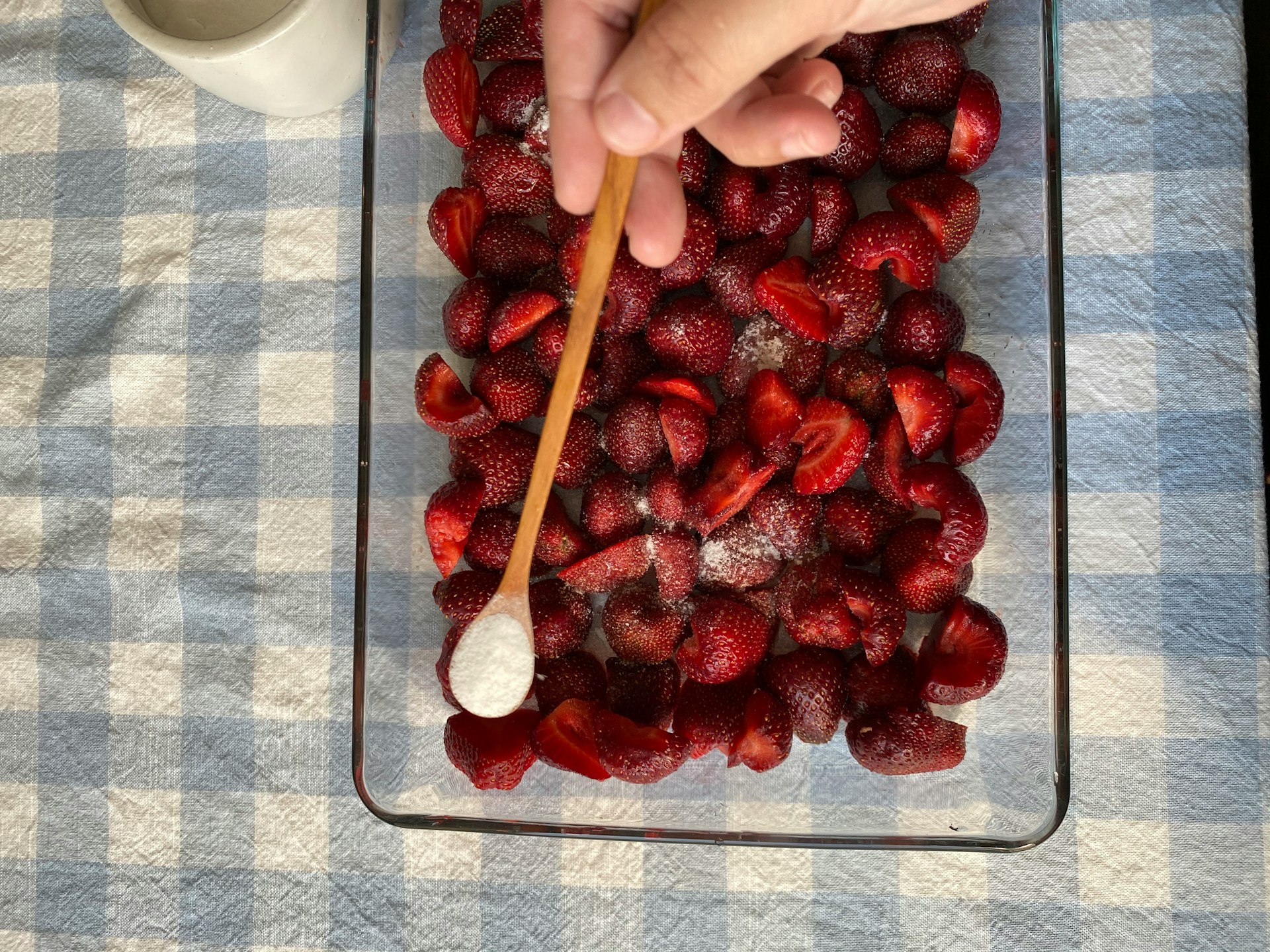
Fruit cobblers have been made with peaches, berries, apples, and virtually anything else that grows in abundance and softens beautifully when cooked. Cherry cobbler holds a particular place in the tradition for several reasons.
Cherries have a natural tartness that plays exceptionally well against a sweet, buttery biscuit topping. The contrast is more pronounced than with peaches or berries, which tend to mellow further during cooking.
Tart cherries, especially the Montmorency variety that grows abundantly in Michigan and the Great Lakes region, produce a filling with a brightness and depth that sweet cherries cannot fully replicate.
The Regional Cherry Connection
Cherry cobbler’s prominence as a specifically celebrated dish is tied in part to the geography of cherry production in the United States. Michigan produces the majority of the country’s tart cherries, and the cherry harvest has been a cultural touchstone in that region for generations. Cherry-based desserts became a point of regional pride that eventually spread into the broader American food consciousness.
The timing of Cherry Cobbler Day in May also aligns with the anticipation of cherry season, which peaks in late spring and early summer, depending on the region. Celebrating the dish in May carries a certain seasonally appropriate logic.
The Equipment That Makes It Right
Part of what makes cobbler such an enduring recipe is its genuine accessibility. It doesn’t require advanced technique or specialty ingredients. What it does reward is good equipment, specifically cookware that distributes heat evenly and retains it consistently.
The original cobbler was made in cast iron for a reason. Even heat distribution prevents the bottom of the filling from scorching while the topping cooks through. A heavy-bottomed pan or a quality ceramic baking dish accomplishes the same thing in a modern kitchen. The difference between a cobbler made in a thin, cheap pan and one made in cookware that actually performs is noticeable in the final texture of both the filling and the topping.
Cookware sets built for consistent, everyday home cooking are the kind of kitchen foundation that makes recipes like cobbler come out right consistently rather than variably. The dish is forgiving in many ways, but it rewards the right tools.
A Dessert Worth Making on Purpose
Cherry Cobbler Day is a great reason to actually make the thing rather than simply acknowledge its existence. The recipe is approachable, the ingredients are straightforward, and the result is the kind of warm, fruit-forward dessert that earns its place at a table without requiring much justification.
The cobbler was born from improvisation and survived on merit. That is a history worth honoring with an actual cobbler rather than just a passing nod on the calendar.