Upon entering a casino real or virtual, you realize that not all players are alike. There are others who play the slots with their hands frantically trying to find a moment of surprise from the colorful slots. Others, more at ease, are at a live blackjack table, as though entering a conversation. It’s no coincidence.
But there are cultural habits, attitudes towards chance and even different ways of experiencing pleasure behind these choices.
Taste for Speed: When Gaming Becomes Instinctive
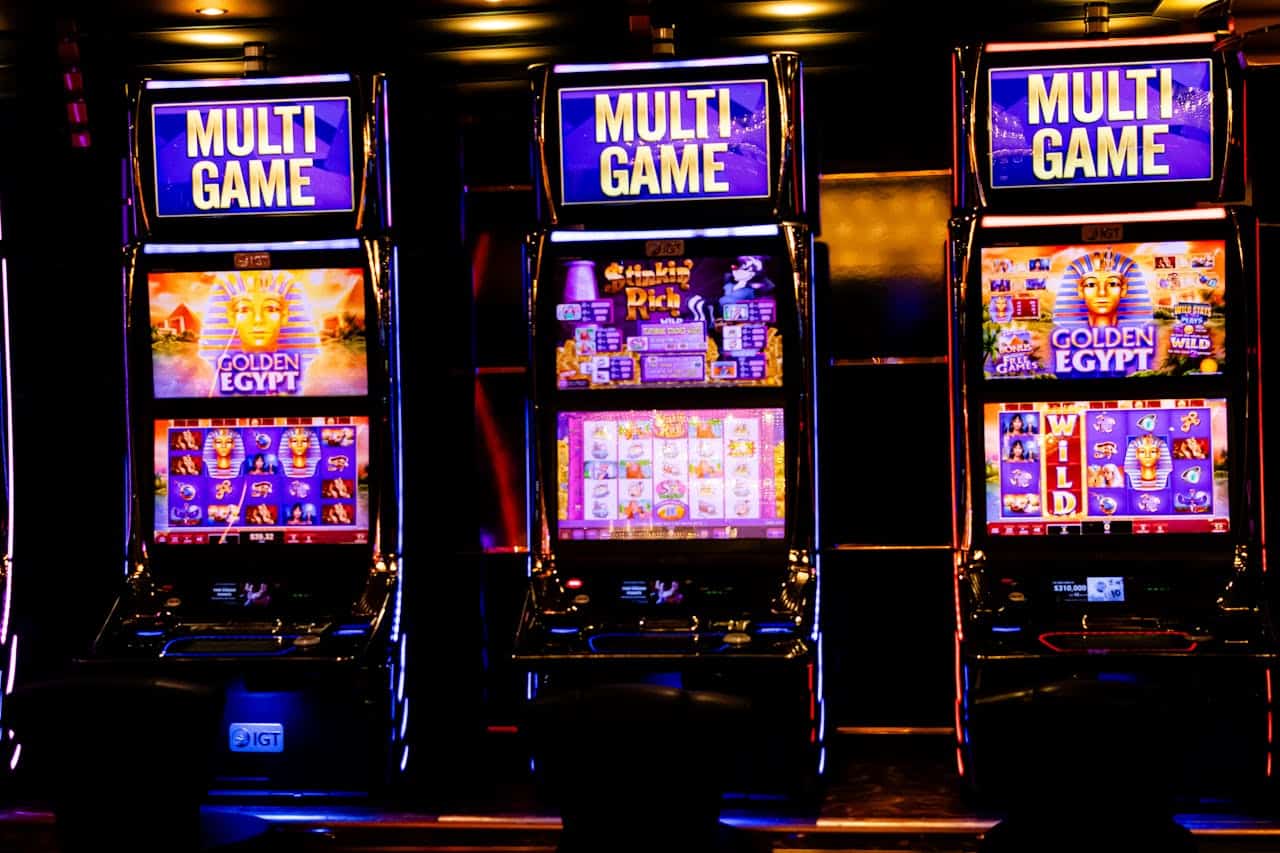
Slot machines are the stars of many cultures, particularly North America and parts of Asia. Why? They know how to jump right into the mix.
Don’t have to ponder long. No complex strategy. Press the button, it spins, it flashes… and the result is in view in seconds. It’s a game that seems like an impulse.
When everything moves at a quick pace, like ordering coffee via an app and reading content by scrolling, slots slot into the rhythm in societies. They are rewarding immediately. A flash of blood, a bunch of blood.
However, the speed isn’t the only thing. The emotional aspect is there, too. Animations, sounds, random bonuses… it’s all about the senses. It’s sort of like a little fireworks display, repeated, repeated.
The Elegance of Live Games: The Pleasure of Face-to-Face
In Europe, however, a live dealer game has a certain aura, especially in the countries like France, Italy, and even Armenia.
In this case, the game is not about the results. It’s about interaction.
You pay attention to the dealer. You wait. You anticipate. Occasionally, you trade with other players. There’s a sense of theatricality. Almost a ritual.
For some, the preference for “slow” games may stem from a culture that places great emphasis on talking, the presence of another person and shared time. These habits are made a part of the game. It’s not only winning, it’s about a moment.
It’s also a matter of control. Table games make the appearance—at times genuine—of creating a feeling of the player having a say in the end result. And in some cultures, it’s a must-have concept.
The Social Factor: Playing Alone or Together
The social aspect, however, which is often overlooked, is another important factor.
Slot machines are by their very nature solitary games. It’s still very personal, even in an online environment and with thousands of other people playing. Almost intimate.
Live games, in contrast, attempt to make a collective experience. Can see other players. There’s a sense of sharing tension. A victory almost turns into a collective moment.
This is a complete transformation in cultures where the collective is important. Gaming is no longer a single person activity, it’s a social one. Tradition meets modernity – a balance to be struck.
What is intriguing is that these preferences are not set in stone. They evolve.
With globalization and the rise of online casinos, cultural boundaries are becoming more blurred. A Frenchman can find slots and fall for them. It’s time for the American player to experience live baccarat and enjoy the tradition. And this is where modern platforms play a key role.
During this transition, some platforms are able to find the balance. For instance, at WooCasino, slot aficionados can choose from a vast range of titles, enjoying the experience with the same spontaneity and immersion that you would at any other casino, but with a smooth, hassle-free experience.
If you are interested, you can check it out here: https://www.woocasino.com/en-CA. It’s the kind of place where culture and taste mix and mingle.
How do you relate to chance – do you believe, control, or accept it?
The debate between slots and live dealers is really about the nature of chance – the relationship between chance and us.
The slot game is a symbol of giving up. You know that nothing happens for a particular reason. You play for the thrill, for the moment.
Live games, on the other hand, give the appearance of a chat with the luck. You notice, you compute, you select. It’s not guaranteed to be a sure thing, but the journey to achieving it is more manageable.
And depending on the culture, this relationship with randomness varies greatly. Some embrace it fully. Others try to understand it, to tame it—even symbolically.
In the End, a Matter of Personality… as Much as Culture
Reducing these preferences purely to culture would be too simple. Because within the same country, differences are huge.
There are those who love speed. Those who prefer to take their time. Those who play to forget. Those who play to feel.
But culture acts as a framework. It shapes our instincts, our expectations, and the way we approach gaming.
And perhaps that’s the most interesting part: the casino, whether physical or virtual, becomes a subtle mirror of our societies. A place where habits, values, and rhythms of life translate into very concrete choices.
So, slot machines or live dealers?
The answer may depend less on the game… and more on the way we see the world.