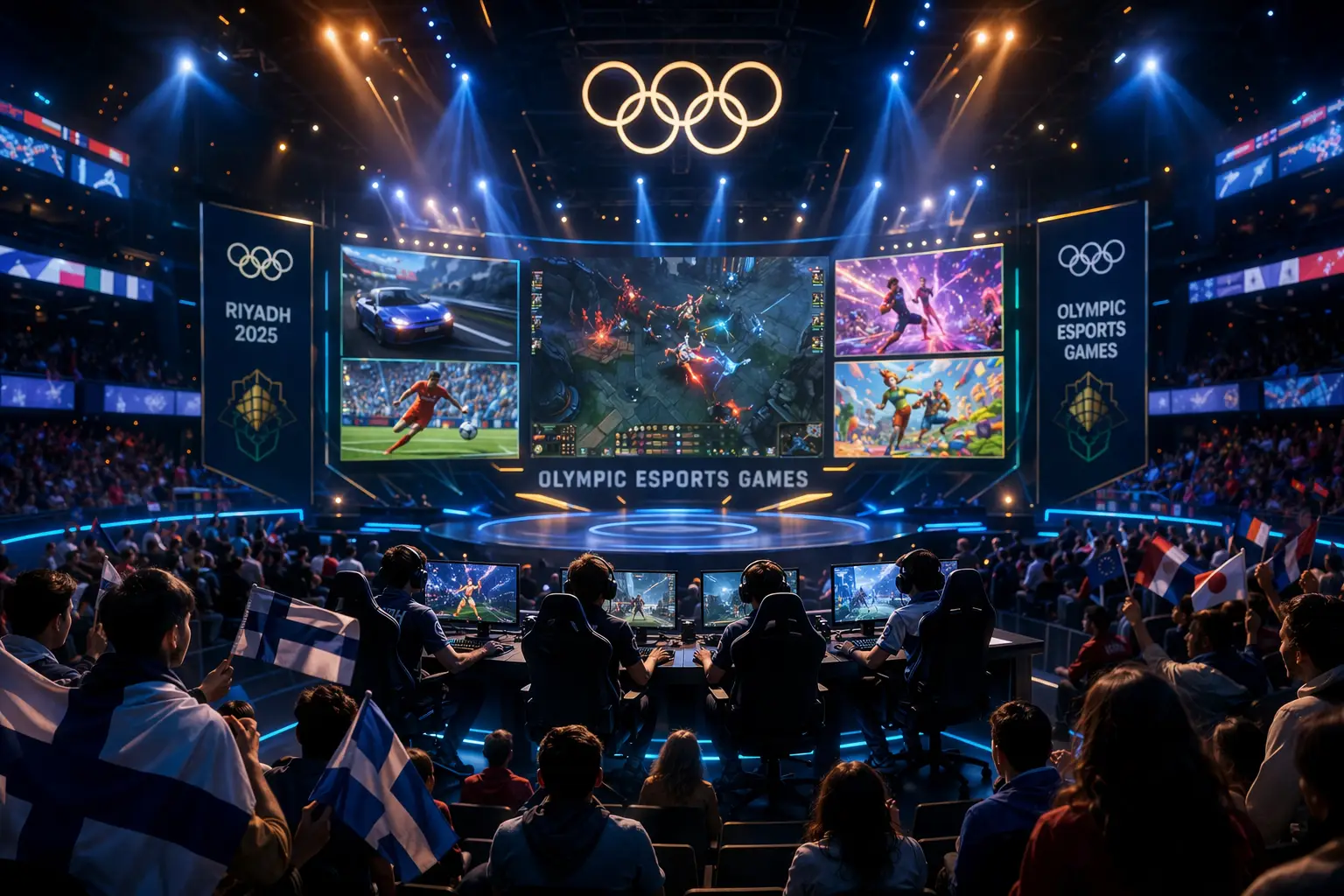
The International Olympic Committee held its first dedicated Olympic Esports Games in Saudi Arabia in 2025. Not a side event, not a demonstration, but a standalone competition with twelve titles, national representation, and full IOC backing. That’s a significant step, whatever you think of the broader argument.
Finland paid attention. The country has a quiet but serious esports infrastructure. Organizations like SEUL have been pushing for structured recognition for years, and Finnish players compete at the top level in titles ranging from Rainbow Six to League of Legends. The Olympic conversation lands differently here than it does in markets where esports is still considered a novelty.
Platforms are tracking competitive gaming and live sports data. One of them is kult-casino.com/ that covers both in real time. As a result there has been a measurable growth in esports viewership among Finnish audiences over the past two years, particularly in the 18-30 bracket.
What the IOC Actually Approved
The 2025 event featured titles across five categories: racing, sports simulation, mental sports, fighting, and mobile. Notable inclusions were Fortnite, Gran Turismo, and chess. Notable exclusions, basically every major shooter with realistic violence. The IOC drew that line early and hasn’t moved from it.
That decision shapes everything. Games chosen for Olympic esports need to align with Olympic values, which in practice means no Counter-Strike, no Call of Duty, no Valorant. The most-watched competitive titles globally are almost entirely off the table. What remains is a curated selection that satisfies the IOC but leaves hardcore esports audiences largely unmoved.
The Legitimacy Question
Here’s where it gets complicated. Traditional esports fans aren’t particularly invested in Olympic validation. The existing ecosystem (Worlds, Majors, international leagues) already delivers prestige, prize money, and global audiences without needing five rings attached. The IOC needs esports more than esports needs the IOC, and that asymmetry is visible in how negotiations have played out.
For younger audiences in Finland and across Scandinavia, Olympic branding carries less weight than it did a generation ago. Recognition from Riot Games or Valve means more in those circles than a spot on an IOC broadcast.
Why It Still Matters
None of that means the Olympic push is irrelevant. Institutional recognition unlocks funding streams, particularly for national federations and youth development programs. In Finland, that could translate into structured pathways for young players: coaching frameworks, competition ladders, potential access to sports grants that currently go exclusively to traditional disciplines.
The commercial angle is real too. Sponsors sitting on the fence about esports investment tend to move when the Olympics signal legitimacy. That money flows downstream eventually.
The 2025 edition drew decent numbers but nothing close to traditional Olympic broadcasts. Growth will take time and probably a title selection that resonates more broadly with actual esports audiences. The rings are within reach. Whether anyone in the esports world particularly wants them is still being debated.