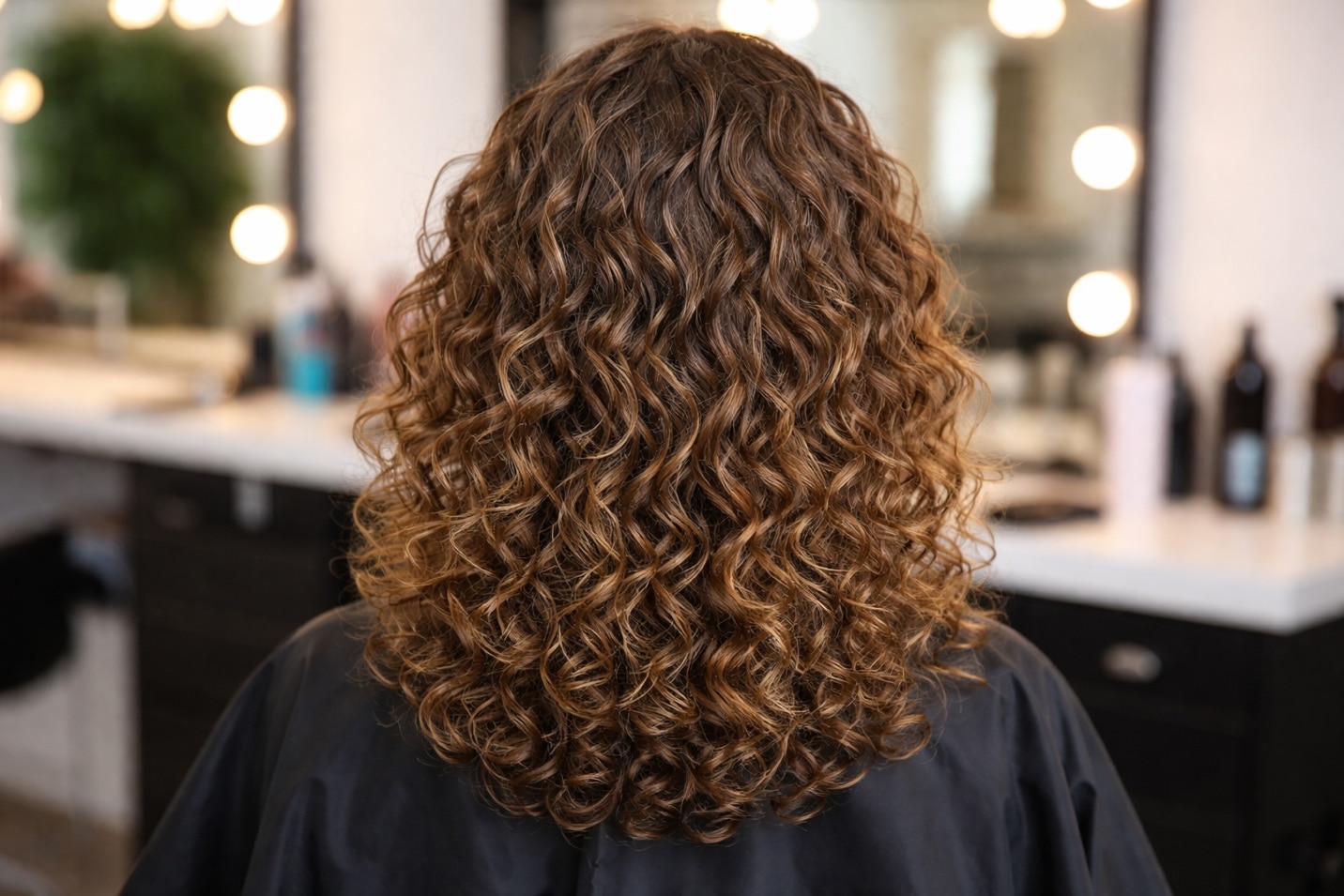
The Curly Girl’s Guide to Wigs: How to Protect Your Natural Texture Underneath
For those blessed with gorgeous curls, waves, or afro-textured hair, the journey to maintaining hair health is filled with unique challenges. From deep conditioning routines to finding the perfect low-lather shampoo, curl care requires patience and precision. It is no wonder that many curly-haired individuals turn to protective styling to give their natural strands a well-deserved break. Among the most popular and versatile protective styles available today are wigs. Wigs allow you to experiment with different lengths, colors, and cuts without risking heat damage or chemical processing on your natural pattern.
However, a protective style is only truly protective if it actually safeguards the hair underneath. For curly and coily hair, which is naturally more prone to dryness, friction, and breakage, wearing a wig incorrectly can lead to thinning edges, scalp irritation, or flattened curl patterns. To ensure your natural crowning glory thrives while you enjoy the versatility of alternative hair, follow this essential guide to wig wear for curly girls.
1. Prioritize Scalp Health and Hydration First
The golden rule of wearing any hair alternative is that your foundation matters most. Before you even think about putting on a wig, your scalp and natural hair must be clean, thoroughly detangled, and deeply hydrated. Because curly hair has a spiral structure, it is harder for natural scalp oils to travel down the hair shaft, making the strands inherently drier.
When your hair is tucked away under a cap, it can quickly lose moisture. Before installation, use a rich, silicone-free leave-in cream or a nourishing oil blend (like jojoba, argan, or shea butter) to lock in hydration. Furthermore, never install a wig over damp or wet hair. Doing so creates a warm, dark, and humid environment that is a breeding ground for bacteria, mildew, and scalp conditions like dermatitis. Ensure your braids or twists underneath are 100% dry.
2. Choose Friction-Free Security Over Glues and Clips
Traditionally, securing a wig meant relying on heavy-duty lace glues, tapes, or metal clips. For curly textures, these methods can be disastrous. Hairlines are incredibly fragile, and the constant tension from clips combined with the chemical irritation of alcohol-based adhesives can cause traction alopecia.
To keep your edges intact, look for modern, tension-free securing methods. Investing in high-quality non slip wigs or utilizing velvet wig grip bands can completely eliminate the need for glue and clips. These innovative, secure-fit options distribute pressure evenly across the head, ensuring your wig stays firmly in place all day without pulling at your delicate baby hairs or suffocating your hairline.
3. Master the Art of the Under-Wig Braid Pattern

How you prep your natural hair determines how flat the wig sits and how well your curls are protected. For thick, voluminous curly or afro hair, standard cornrows are usually the best option. Aim for medium to small cornrows braided straight back. This minimizes bulk and allows the scalp to breathe.
If you are not skilled at cornrowing, flat twists or simple low buns can work for shorter or finer textures. The key is to avoid braiding too tightly, especially around the temples and the nape of the neck. When finishing your braids, tuck the ends away safely with a hairpin to avoid creating a localized friction point against the back of your wig.
4. Optimize Your Wig Cap Material
The material that sits directly against your natural curls can make or break your hair health. Many standard nylon wig caps absorb moisture like a sponge, stripping your curls of their essential oils and causing friction breakage.
To counteract this, consider switching to a breathable, high-quality satin or silk wig cap, or wear a satin liner underneath your regular cap. Satin allows your curls to glide smoothly without friction, preserving your natural curl pattern and keeping moisture where it belongs—in your hair.
5. Give Your Curls a Breathing Routine
As tempting as it is to leave your wig on for weeks at a time, your natural hair needs a regular recess. Remove your wig every night if possible, or at least every few days if you are using a semi-permanent install. Use this time to let your scalp breathe, massage your roots to stimulate blood flow, and reapply a lightweight refreshing spray to your curls.
Consistency is key. Every one to two weeks, take a complete break to give your natural hair a thorough wash with a sulfate-free cleanser, followed by an intensive deep conditioning treatment to restore elasticity and bounce to your curls.
Conclusion
Wigs are a phenomenal tool for self-expression and style versatility, but they should never come at the expense of your natural hair health. By focusing on deep hydration, avoiding harsh glues, choosing smart securement like non slip wigs, and giving your scalp regular breaks, you can enjoy the best of both worlds. Treat your curls with love underneath, and they will reward you with volume, shine, and health whenever you decide to let them shine.