
Most people think the cost of a long-distance move is mainly about mileage.
That is only part of it.
Distance matters, of course. Moving to another city or state takes fuel, time, labor, and planning. But the final price is usually shaped by more than the number of miles between your old home and your new one.
- The size of your move matters.
- Packing matters.
- Access matters.
- Timing matters.
- The details you forget to mention matter.
That is why two people moving the same distance can receive very different estimates.
If you want to avoid surprise charges, the first step is understanding what movers are actually pricing.
The Size of Your Move Is Usually the Biggest Factor
A studio apartment and a four-bedroom house are not the same move, even if they are going to the same city.
Long-distance movers need to know how much space your belongings will take, how much labor is needed, and how difficult the loading and unloading will be.
Furniture, mattresses, appliances, boxes, fragile items, garage storage, outdoor furniture, and bulky pieces all affect the size of the move.
This is why inventory matters so much.
If your estimate is based on a small list but moving day reveals twice as many items, the cost can change. Not because someone is trying to trick you, but because the job is no longer the same job.
A detailed inventory helps both sides avoid problems.
Packing Can Change the Price
Some customers pack everything themselves. Others need full packing. Some only need help with fragile items.
These choices affect the price.
Professional packing takes time, materials, and skill. Movers may need boxes, tape, paper, padding, wardrobe boxes, mattress covers, mirror cartons, and other supplies.
If you have artwork, glass tables, electronics, antiques, delicate decor, or expensive furniture, better packing is not just a convenience. It can protect you from damage during a longer trip.
At the same time, not everything needs professional packing. Many people choose a hybrid option: pack clothes, books, and basic household items themselves, then let movers handle fragile or complicated pieces.
The important thing is to decide this before moving day.
Last-minute packing requests can slow everything down and increase the final cost.
Stairs, Elevators, and Parking Matter More Than People Think
Access can make a move easier or harder.
A ground-floor home with a driveway is different from a high-rise apartment with a small elevator and limited truck parking.
Movers may need more time if there are stairs, long hallways, narrow entrances, steep driveways, parking restrictions, loading dock rules, elevator reservations, or long walking distances between the truck and the home.
These details are not minor.
They affect labor time, crew planning, and sometimes the equipment needed for the job.
If your building requires a certificate of insurance, elevator reservation, or specific move-in window, handle it early. If the truck cannot park nearby, tell the moving company before the move.
The more accurate the access information, the more realistic the estimate.
Moving Date Can Affect Availability and Price
Timing can influence your moving cost.
End-of-month dates are often busier. Summer is usually a peak moving season. Weekends may be more in demand than weekdays. Last-minute moves can be harder to schedule and may leave fewer options.
If you have flexibility, ask whether changing the move date could help.
Sometimes moving a few days earlier or later makes the process easier to schedule. For long-distance moves, flexibility can also help with delivery planning.
The worst time to discover limited availability is after you have already committed to a move-out date.
Storage Adds Another Layer
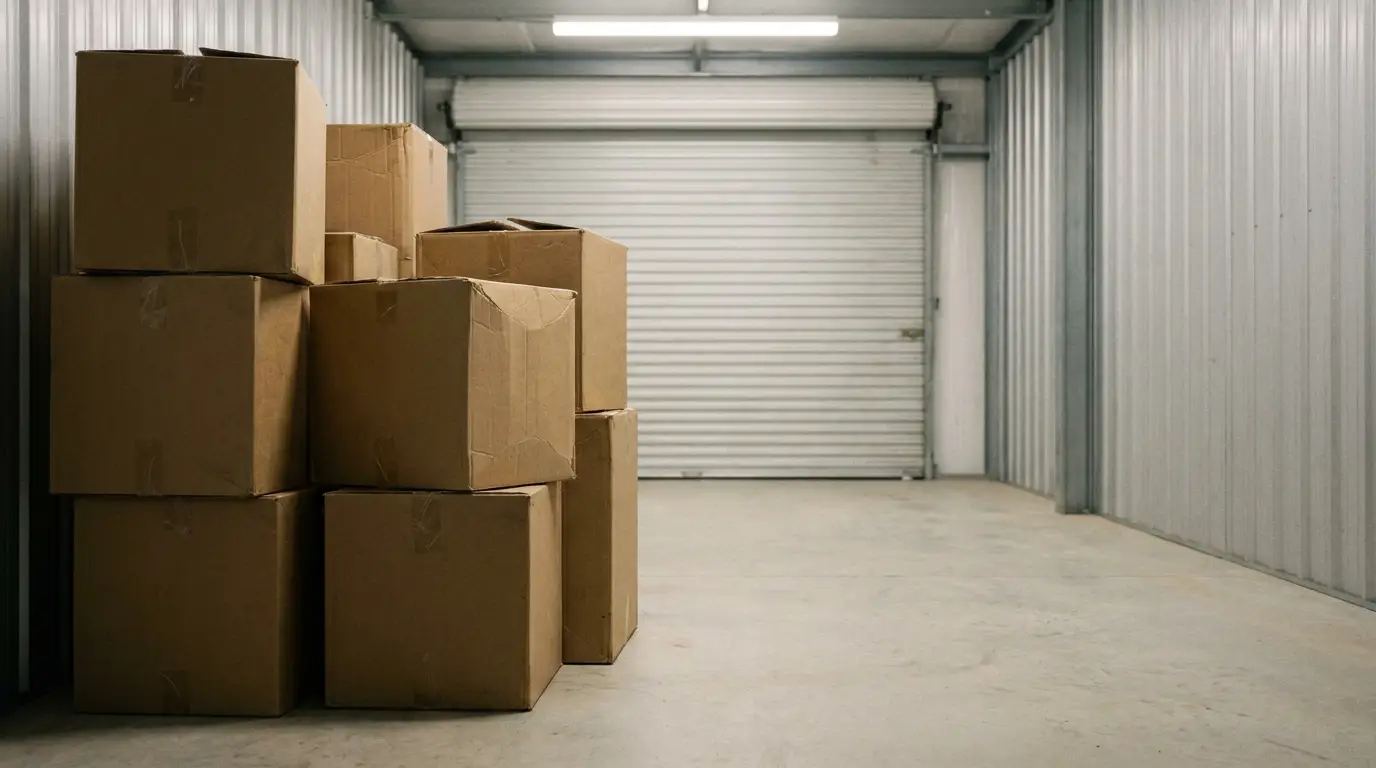
Not every long-distance move goes directly from one home to another.
Sometimes the new place is not ready yet. Sometimes closing dates change. Sometimes a customer needs temporary storage before delivery.
Storage can be very useful, but it can also affect the total cost.
If there is any chance you may need storage, bring it up during the estimate process. It is better to plan for that possibility than to panic when your belongings need somewhere to go.
Long-distance moves already involve timing. Storage adds another timing decision.
The Cheapest Quote Can Become Expensive Later
A low estimate feels good at first.
But if it is missing important details, it may not be the best quote.
A quote that does not include packing, stairs, bulky items, access issues, or the real inventory can look cheaper because it is incomplete.
Before choosing a mover, compare what is included, not just the final number.
Ask whether the estimate includes loading, transportation, unloading, basic protection, packing materials, stairs, long carry, fuel, and any other possible fees.
If something is unclear, ask before booking.
Understanding the cost of a long-distance move helps you compare estimates with a more realistic eye.
The goal is not to find the lowest number on paper.
The goal is to avoid a bad surprise later.
Good Movers Ask Better Questions
Reliable long-distance movers will usually ask detailed questions before giving you a final estimate.
They may ask about your inventory, pickup address, destination, building access, packing needs, fragile items, moving date, storage needs, and delivery timing.
That is a good sign.
A mover who gives a quick number without understanding the details may be easier to talk to in the moment, but that estimate may not mean much.
Long-distance moving has too many variables for vague pricing.
A serious moving company should help you understand the job clearly before moving day.
How to Make Your Estimate More Accurate
You can make the pricing process easier by preparing the right information.
Before requesting an estimate, write down:
- pickup and delivery addresses
- preferred moving dates
- number of rooms
- large furniture items
- estimated number of boxes
- fragile or valuable items
- stairs, elevators, or parking issues
- packing help needed
- storage needs
- any building requirements
Photos or videos can also help if the mover offers a virtual estimate.
The more complete your information is, the less room there is for confusion.
Why Online Averages Are Not Enough
Online moving cost ranges can be useful for rough planning, but they cannot price your exact move.
Your home, inventory, date, access, packing needs, and destination all change the number.
A general online average may tell you what some people pay, but it cannot tell you what your specific move should cost.
That is why a real quote matters.
If you are planning a move and want pricing based on your actual details, you can request a moving quoteand provide information about your inventory, route, and timing.
A proper estimate gives you something more useful than a guess.
Price Is Only One Part of the Decision
Long-distance moving is not the place to choose blindly based on price alone.
You are trusting a company with your belongings over a longer distance and a longer timeline. Communication, reliability, transparency, and experience matter.
A cheaper mover who is unclear about the process may create more stress than a slightly higher quote from a company that explains everything properly.
Before booking, ask yourself:
- Do I understand what is included?
- Do I know what could cost extra?
- Did I give a full inventory?
- Did the mover ask enough questions?
- Do I feel comfortable with the communication?
A long-distance move already has enough moving parts.
Your estimate should reduce uncertainty, not add to it.
Better Pricing Starts With Better Details
Most moving price surprises come from missing information.
- The mover did not know about the stairs.
- The customer forgot the storage unit.
- The quote did not include packing.
- The inventory was too small.
- The building had restrictions no one mentioned.
These are avoidable problems.
When you give complete information and work with a company that explains the estimate clearly, the move becomes easier to plan and easier to trust.
Long-distance moving will never be priced like a simple delivery order. There are too many real-world details involved.
But once you understand those details, the price starts to make sense.