Summer has a way of making home improvement feel both urgent and achievable. The longer days, drier air, and predictable weather create a window that doesn’t exist the rest of the year. Whether the goal is lower utility bills, a fresher interior, or better outdoor living, the season offers ideal conditions for getting things done without the chaos of a full-scale renovation.
Choosing targeted upgrades, the kind that improve comfort, efficiency, and everyday function, delivers real returns without turning a home into a construction zone for months.
Improve Energy Efficiency Before the Hottest Days
The best time to address energy loss is before peak heat arrives, not during it. Sealing gaps around doors and windows is one of the fastest ways to reduce the workload on an air conditioning system. A tube of weatherstripping or a can of spray foam costs almost nothing and pays for itself within the first billing cycle.
Of the nearly 50% of homeowners who plan to renovate in 2025, more than 80% say they will do so in the spring and summer, which makes sense. Attic insulation benefits from warm, dry conditions during installation, and the payoff is immediate once temperatures climb.
Ceiling fans in main living areas are another low-cost move. They don’t lower room temperature, but they make the air feel cooler, which means the thermostat can be set a few degrees higher without sacrificing comfort. Programmable or smart thermostats take that logic further by adjusting automatically based on occupancy and time of day.
Sealing and Weatherproofing
Focus on the obvious gaps first: the perimeter of exterior doors, attic hatches, and any penetrations where pipes or wires enter the home. These are the spots where conditioned air quietly escapes all summer.
Attic Insulation
If the attic floor is visible through thin or patchy insulation, adding more is one of the highest-return improvements available. The difference in cooling costs across a full season is noticeable.
Ceiling Fans and Thermostats
Ceiling fans in bedrooms and living areas, paired with a programmable thermostat, let a household fine-tune comfort room by room rather than cooling the whole house uniformly.
Refresh High-Traffic Areas With New Paint and Flooring
Cosmetic improvements don’t get enough credit. A fresh coat of paint in a light, neutral tone can make a room feel larger and cleaner without touching a single structural element. Warm-weather conditions are good for painting because lower humidity means faster drying and fewer problems with adhesion.
Entryways, hallways, and living spaces take the most daily abuse. Replacing worn flooring in these areas, whether with luxury vinyl plank, tile, or new carpet, transforms the feel of an entire home. And if hardwood floors are structurally sound but just dull and scratched, refinishing them is far less disruptive than replacement and restores a look that paint and furniture alone can’t replicate.
Flooring, cosmetic upgrades, and new paint rank among the most common projects homeowners plan in 2026. Refinishing hardwood floors and installing new wood flooring are also the remodeling projects with the highest return on investment, according to the National Association of Realtors.
Give Your Kitchen a Fresh Look Without a Full Remodel
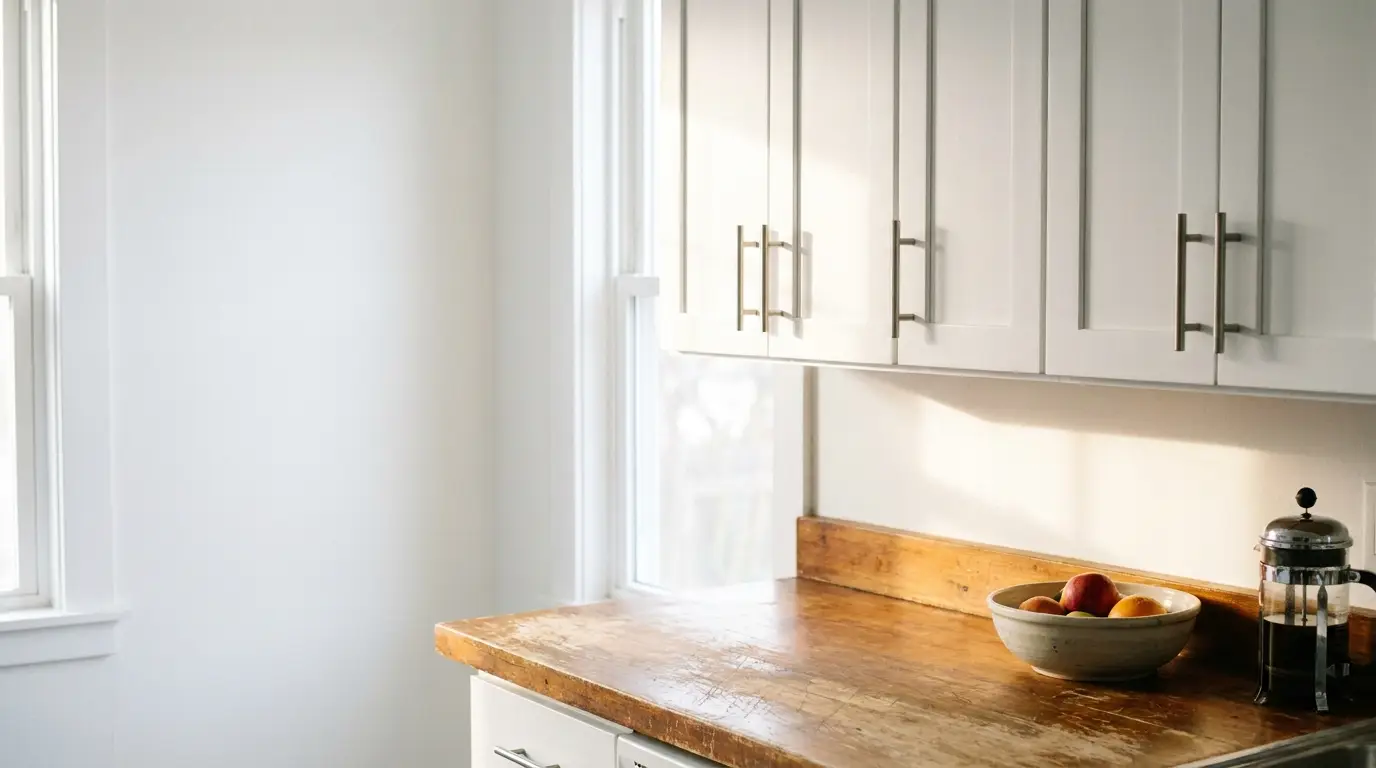
The kitchen is the most-used room in most homes, and it shows. Surfaces wear, finishes fade, and what once looked modern starts to feel dated. The instinct is often to gut the whole space, but that approach comes with weeks of disruption, real cost, and a lot of waste.
Cabinet Refinishing
Most kitchens don’t need new cabinets. They need new surfaces. The box itself, the frame, the structure, is usually perfectly sound. Cabinet refinishing keeps the layout intact and the project timeline measured in days rather than weeks. The kitchen stays functional throughout, and the result looks like a full renovation.
Pairing Updates for a Bigger Impact
New hardware, updated lighting, and a fresh backsplash each do a lot on their own. Combined with resurfaced cabinets, they create a coherent, modern look that reads as a complete kitchen transformation rather than a series of small fixes.
Why This Approach Makes Sense
Avoiding demolition means avoiding the hidden costs that come with it: patching walls, re-running plumbing, and dealing with the unexpected. Refinishing keeps the scope manageable and the budget predictable. That’s the whole point.
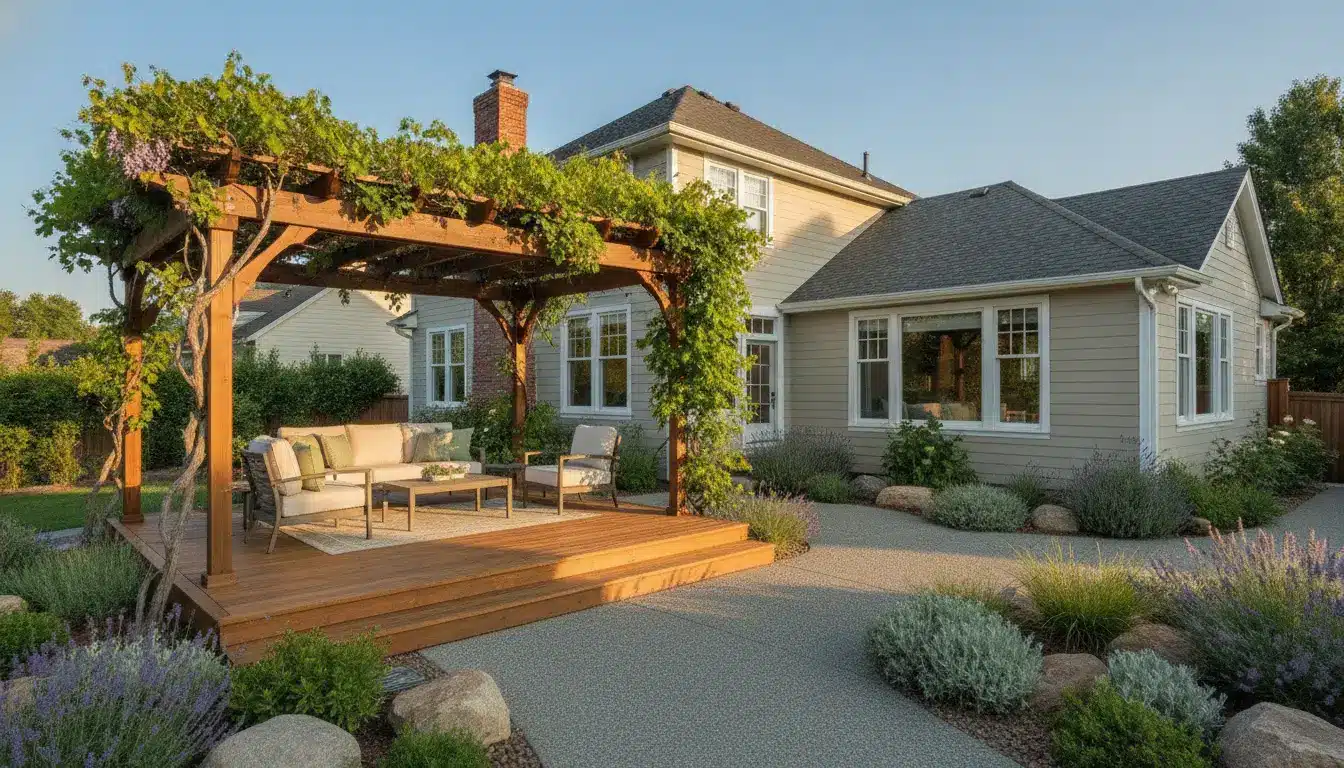
Upgrade Outdoor Living Spaces for Summer Enjoyment
Outdoor improvements deliver a combination of personal enjoyment and property value that’s hard to beat. A deck that gets used every evening in July isn’t just an asset on paper. It’s part of daily life.
Here are the upgrades that tend to have the most impact:
- Deck and patio maintenance: Cleaning, repairing, and staining a wood deck extends its life and restores the appearance without the cost of rebuilding.
- Seating and shade structures: A pergola, retractable awning, or even a well-placed shade sail turns an exposed patio into a usable outdoor room.
- Outdoor seating areas: Built-in benches or a defined furniture arrangement give a backyard a sense of purpose and make it feel finished.
- Drought-tolerant landscaping: Replacing thirsty grass with native plants or gravel reduces water use and maintenance while keeping curb appeal strong.
According to 56% of experts surveyed, homeowners are prioritizing outdoor living and backyard upgrades more than they have in the past. That tracks with how people are actually using their properties. With more time spent at home, the backyard has become an extension of the interior rather than an afterthought.
Don’t Overlook Small Repairs That Prevent Bigger Problems
The most practical summer upgrades are sometimes the least glamorous. Maintenance tasks rarely generate excitement, but ignoring them turns small issues into expensive ones by the time fall arrives.
A roof inspection after winter and spring weather is a reasonable annual habit. Damaged or missing shingles left unaddressed allow water to work its way into the structure over months. Gutters and downspouts deserve the same attention: clogged or sagging sections direct water toward the foundation rather than away from it.
Exterior caulking around windows and doors degrades over time and is easy to miss until it fails. Cracked walkways and driveways are worth patching before freeze-thaw cycles make them worse. None of these are dramatic projects. But each one prevents a repair bill that is many times larger.
Where to Start
Summer doesn’t last long enough to do everything, but it is long enough to do the things that matter most. Prioritizing upgrades that improve efficiency, appearance, and daily function gives a home real staying power, not just seasonal polish.
Even a single well-chosen project can shift how a home feels to live in every day. Start with what bothers you most, work within a realistic budget, and let the season do the rest.