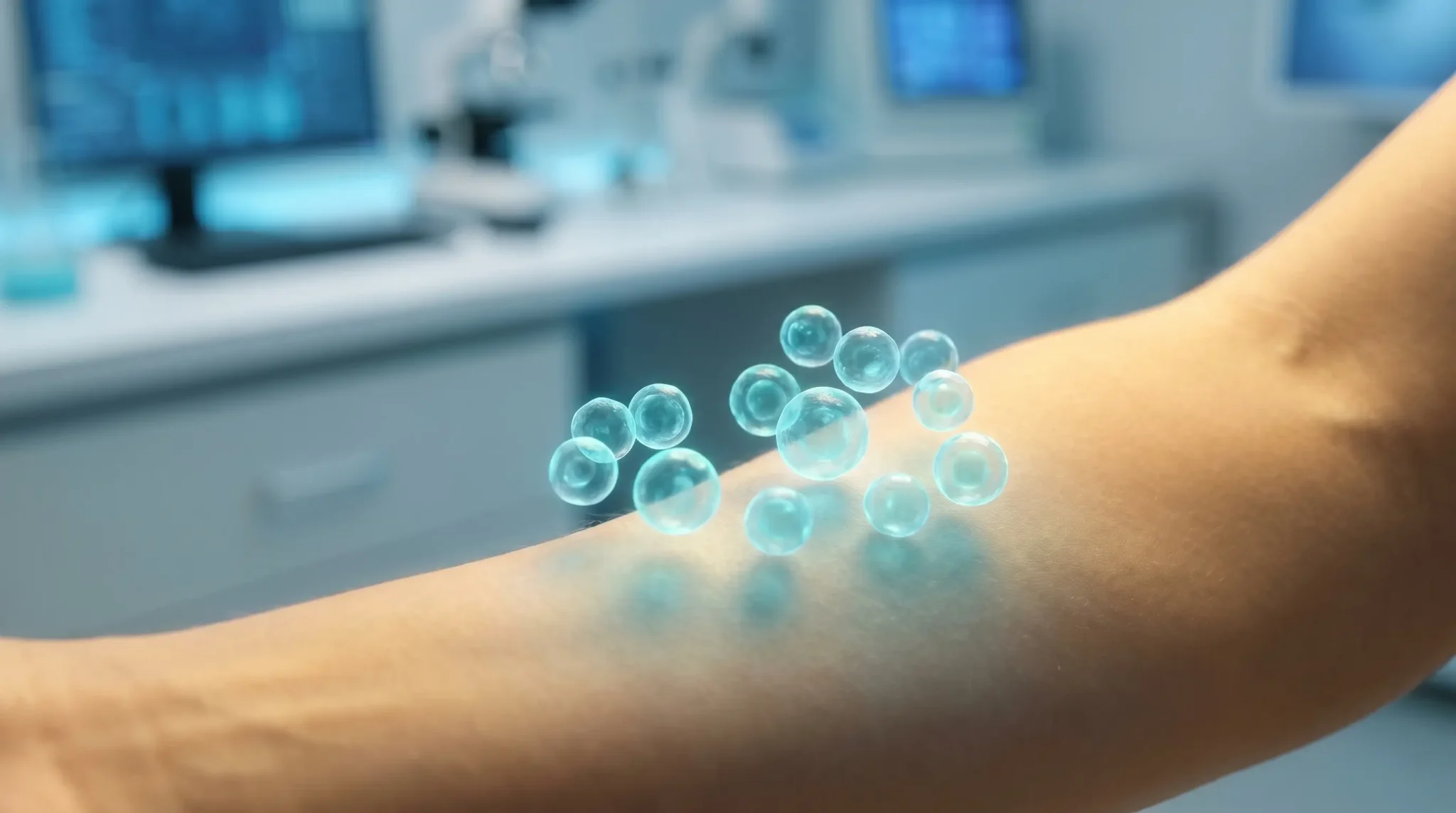
Tiny messengers with big promises, exosomes are making their way into high-end skincare. But behind the science, safety depends on how they are sourced, processed, and formulated, something highlighted by brands like Calecim Professional. While regulators warn that not every exosome treatment meets strict standards, emerging research suggests they can be safe when developed with careful control and precision.
Table of Contents
- Are Exosomes Safe?
- How Calecim Professional Approaches Skin Regeneration
- The Science Behind Protein-Based Skin Repair Technology
- A Safer Alternative to Traditional Exosome-Based Treatments
- Key Benefits of Calecim’s Regenerative Skincare Approach
- When to Use Calecim for Optimal Skin Recovery and Renewal
- Frequently Asked Questions About Calecim and Skin Safety
- Final Thoughts on Safe, Science-Backed Skin Rejuvenation
Are Exosomes Safe?
Exosomes can be safe, but only under specific conditions. Research consistently shows that safety depends on standardised production, proper purification, and clinical oversight.
The U.S. Food and Drug Administration (FDA) has issued warnings about unapproved exosome products, particularly injectable therapies, noting potential risks such as contamination and lack of regulatory approval.
Scientific literature echoes this caution. A review published in PubMed highlights that while exosomes show therapeutic promise, “standardisation and safety evaluation remain critical challenges” before widespread clinical use.
The issue is less about exosomes and more about how they are made and used.
How Calecim Professional Approaches Skin Regeneration
Exosomes are microscopic vesicles released by cells that carry proteins, lipids, and signalling molecules. In skincare, they are valued for their ability to support communication between skin cells.
However, because many exosomes are derived from stem cell environments, safety concerns arise around sourcing, processing, and consistency. This typical case is where formulation strategy becomes critical.
Calecim Professional Serum takes a different approach. Instead of relying on raw or undefined exosome extracts, it uses a controlled, protein-based system derived from stem cell research. This allows for greater consistency and reduces variability often associated with biologically sourced materials.
By focusing on reproducible bioactive compounds, the approach aligns more closely with current dermatological safety expectations.
The Science Behind Protein-Based Skin Repair Technology
Exosomes function as biological messengers. They carry growth factors and signalling molecules that instruct skin cells to repair damage, produce collagen, and regulate inflammation.
In skincare applications, these signalling pathways are linked to:
- Enhanced skin regeneration
- Increased collagen synthesis
- Improved recovery after damage
Research published in Stem Cell Research & Therapy shows that exosomes play a key role in wound healing by promoting cell migration and tissue repair.
An important distinction is that exosomes are not cells themselves. They cannot divide or replicate, which reduces risks associated with stem cell-based therapies.
This scientific foundation has led to the development of protein-rich formulations that mimic these regenerative signals.
A Safer Alternative to Traditional Exosome-Based Treatments

One of the main safety concerns in exosome skincare is inconsistency. Products can vary widely depending on their biological source and manufacturing process.
Calecim Professional addresses these issues through its patented PTT-6 technology, a highly controlled protein complex containing a rich mixture of bioactive molecules, including growth factors, cytokines, and extracellular matrix proteins.
This approach prioritises the following:
- Standardisation of ingredients
- Reproducibility across batches
- Elimination of unstable biological components
It is consistently emphasised that consistency in biologically derived formulations is key to minimising risk and ensuring predictable outcomes.
By focusing on defined protein signalling rather than variable exosome extracts, this method aligns with current safety expectations in regenerative aesthetics.
Key Benefits of Calecim’s Regenerative Skincare Approach
When formulated correctly, exosome-inspired or regenerative skincare can support multiple aspects of skin health.
1. Faster skin recovery
Bioactive signalling proteins help accelerate repair processes, particularly after procedures like microneedling or laser treatments.
2. Increased collagen production
Fibroblast activity is stimulated, supporting firmer and more resilient skin. Collagen production naturally declines by about 1.0%-1.5% a year in early adulthood, according to dermatology research.
3. Reduced inflammation
Signalling molecules can help regulate inflammatory responses, which is beneficial for sensitive or post-procedure skin.
4. Support for visible ageing concerns
Improved cellular communication may reduce the appearance of fine lines and loss of elasticity over time.
When to Use Calecim for Optimal Skin Recovery and Renewal
Regenerative skincare is most commonly used in situations where the skin needs support for repair and recovery.
Typical use cases include:
- After professional treatments such as microneedling or laser resurfacing
- Post-procedure recovery following hair restoration or dermatological treatments
- Early signs of ageing, including fine lines and reduced firmness
- Skin recovery after acne or inflammation
Modern dermatology increasingly focuses on treatments that enhance the skin’s natural repair mechanisms rather than simply resurfacing or exfoliating.
Frequently Asked Questions About Calecim and Skin Safety
Are exosomes FDA-approved for skincare?
Topical cosmetic products may be available, but many medical exosome therapies, especially injections, are not FDA-approved and may pose risks.
Are exosomes safer than stem cells?
They are generally considered lower risk because they cannot replicate.
Can exosomes cause side effects?
Poorly processed or contaminated products may cause irritation or inflammation. Properly formulated topical products are typically low-risk.
How do exosomes compare to traditional skincare ingredients?
Exosomes work by signalling cells, while ingredients like retinol act directly on skin turnover. They can complement each other in a routine.
Is exosome skincare suitable for sensitive skin?
It depends on formulation quality. Controlled, purified protein-based products are more likely to be well-tolerated.
What should I look for in a safe product?
Look for clinical backing, transparent sourcing, and standardised formulations supported by research.
Final Thoughts on Safe, Science-Backed Skin Rejuvenation
Exosomes represent a promising area in regenerative skincare, but safety is closely tied to how they are developed and applied. Research supports their potential, yet also highlights the need for strict quality control and regulatory oversight.
Approaches like Calecim Professional, which focus on standardised protein-based technology rather than variable biological extracts, reflect a more controlled direction in this evolving field.
For anyone considering exosome skincare, the safest path is to choose well-researched formulations and seek guidance from qualified professionals.