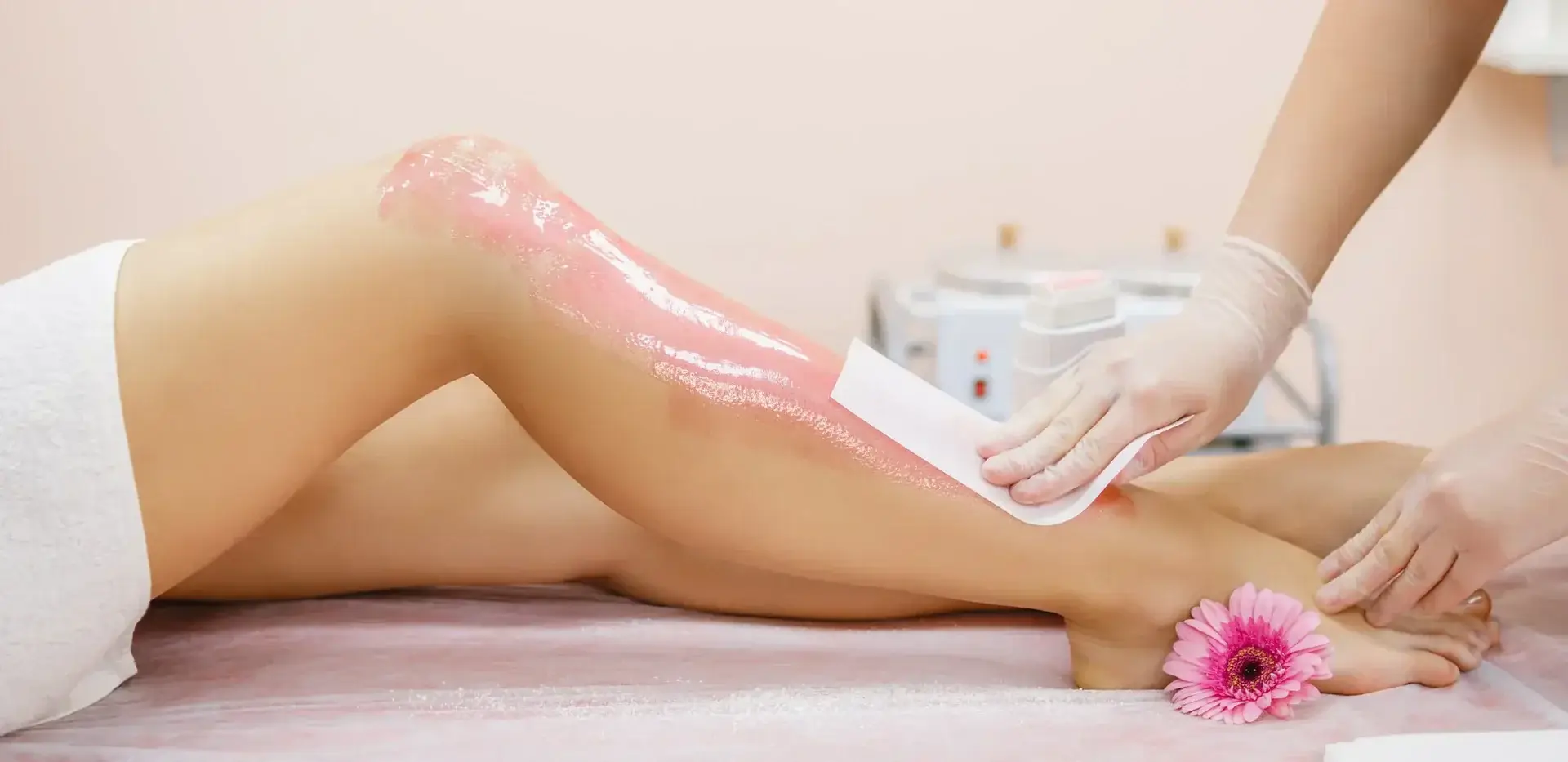
A salon wax range should cover different treatment areas, hair structures, and working techniques without creating unnecessary stock. When selecting a depilatory wax supplier, focus on product consistency, professional specialization, clear technical information, and enough variety to match the services offered in the salon.
A useful assortment is not simply a large collection of waxes. Each product needs a defined role, from efficient treatment of legs and arms to controlled work on facial, underarm, and bikini areas.
Match the Wax Range to the Treatment Menu
The salon’s service list gives the clearest basis for deciding which wax categories are needed. Specialists who perform many large-area treatments may use soft wax frequently, while salons focused on smaller or sensitive zones often require several hard or film wax options.
Hair thickness also affects product choice. Fine hair usually needs different adhesion and texture than short, coarse growth. A professional line such as ItalWax can be compared by treatment zone, density, working temperature, and removal method rather than by product name alone.
Build a Core Assortment Instead of Stocking Similar Products
Several waxes with almost identical properties rarely improve a salon’s work. A more practical range covers distinct treatment needs and gives specialists a suitable option for common client profiles.
A balanced professional assortment can include the following product types:
- soft waxes with good spreadability for legs, arms, back, and other larger areas;
- hard waxes with firm adhesion for coarse hair and smaller treatment zones;
- elastic film waxes for curved areas and treatments that require precise application;
- lower-temperature formulas for zones where client comfort is especially important;
- different package sizes based on service frequency and average product consumption.
This structure keeps the range manageable and gives each wax a clear purpose. It can also simplify staff training because specialists know which product is intended for a specific technique, area, and hair type.
Check How Consistently the Wax Behaves
Professional wax should deliver predictable texture, melting characteristics, adhesion, and setting time from one batch to another. Even small differences can alter application thickness, removal timing, or the amount of product used during a treatment.
Consistency is especially relevant in salons with several specialists. When every technician works with the same known texture and temperature range, procedures are easier to standardize.
A supplier should also provide precise technical details. Recommended heating temperature, application thickness, suitable treatment areas, and removal technique are more useful than broad descriptions such as “universal” or “professional quality.”
Compare Working Temperature and Texture

Temperature influences both application and client comfort. Some waxes become fluid at relatively low temperatures, while others require more heat to reach the correct consistency.
Texture determines how the wax spreads and how much control the specialist has. A fluid soft wax can be efficient on broad, flat areas. A denser hard wax may suit smaller zones where accurate placement is more important.
Film wax adds another option because its elasticity can support work on areas with curves or changing hair direction. The best range usually includes several textures rather than multiple versions of the same consistency.
Look for Clear Differences Between Product Lines
A long product list is useful only when each formula has a recognizable purpose. Suppliers should make it possible to compare waxes by hair type, body area, texture, temperature, application technique, and removal method.
The professional ItalWax assortment, for example, can be considered according to these practical characteristics. This helps salons select products that correspond to actual procedures rather than collecting several formulas with overlapping properties.
Clear differentiation is particularly useful when expanding the treatment menu. A salon can add a new wax because it fills a specific technical need, not simply because it has a different fragrance, color, or package design.
Consider Product Availability and Range Stability
A salon may become dependent on several waxes that specialists use every day. Frequent changes in availability can force staff to switch formulas, adjust temperatures, and modify application techniques.
Reliable access to core products is therefore an important supplier criterion. A stable range also makes stock planning easier because the salon can maintain familiar products for regular procedures and replenish them as needed.
Availability matters especially for high-consumption soft waxes and popular film formulas. A broad assortment has less practical value if key products are difficult to source consistently.
Choose a Supplier That Fits Professional Workflow
A reliable supplier should combine stable product quality, clear specifications, sufficient range depth, and dependable availability. The wax selection should support different treatment areas without making inventory unnecessarily complicated.
Salon managers can compare suppliers according to product specialization, technical documentation, texture options, package sizes, and consistency between batches. These criteria create a stronger basis for selection than price alone.
The right assortment gives specialists suitable waxes for specific procedures and keeps stock easier to manage. A professional supplier with clearly differentiated products can support consistent salon treatments while giving the business enough flexibility to serve clients with different hair types and treatment needs.