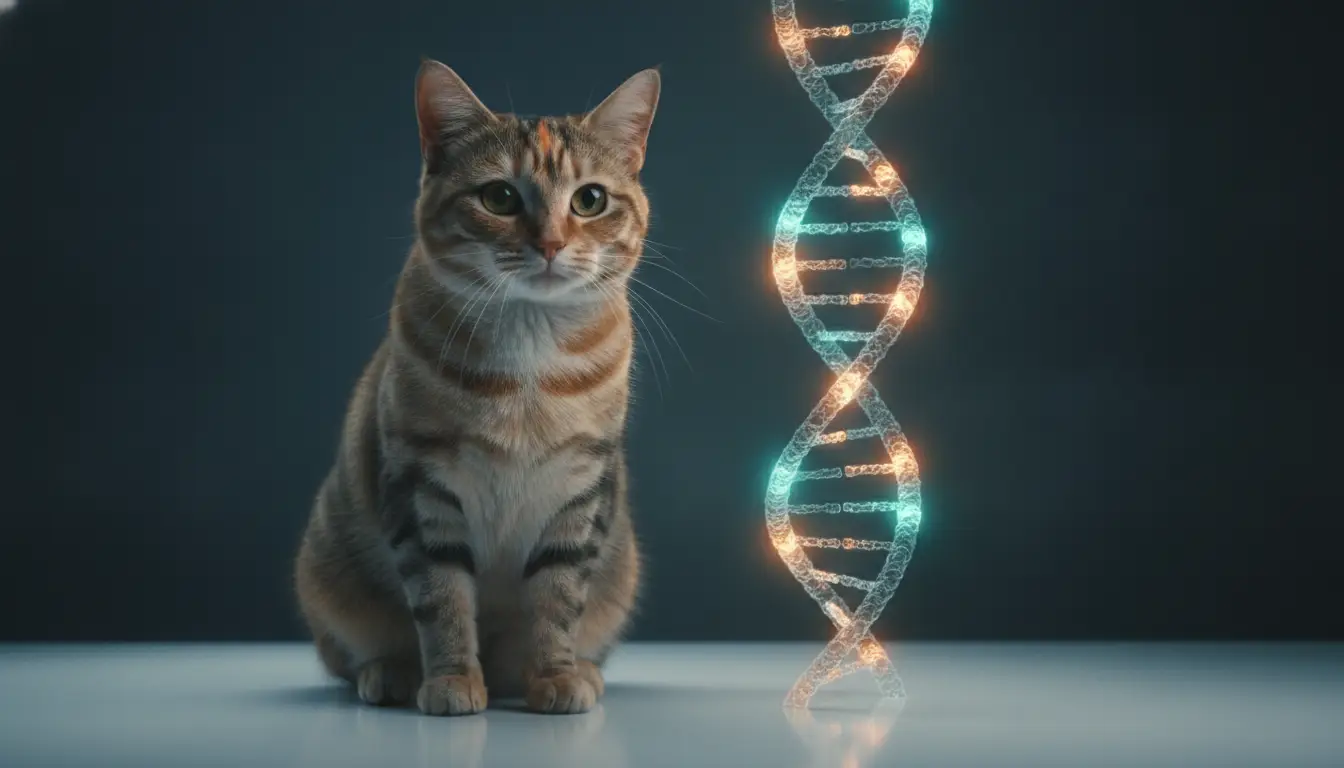
Cat Breed Testing Explained: A Guide for Pet Owners Who Want Deeper Insights
Cats have been cherished companions for thousands of years, yet many owners know surprisingly little about their pet’s genetic background. While some cats come with documented pedigrees, millions of household cats have mixed ancestry that cannot be identified simply by looking at their appearance. Coat color, eye shape, or body size may resemble a particular breed, but visual similarities alone rarely provide an accurate answer.
Understanding a cat’s heritage is about more than satisfying curiosity. Breed ancestry can help explain certain personality traits, activity levels, grooming needs, and physical characteristics. Although every cat develops its own unique temperament, genetics often contribute to the behaviors owners observe every day.
As advances in genetic science become more accessible, DNA analysis offers pet owners a practical way to learn more about their feline companions and gain valuable information that supports lifelong care.
How DNA Technology Identifies Cat Breeds
Modern genetic testing uses a simple cheek swab to collect DNA samples. The sample is then analyzed in a laboratory where thousands of genetic markers are compared with reference databases representing numerous recognized cat breeds.
A professional cat breed test examines these markers to estimate breed ancestry and identify inherited genetic characteristics. Depending on the laboratory and available reference data, results may indicate whether a cat shares ancestry with one or more recognized breeds, along with approximate percentages for each breed.
Unlike visual identification, DNA testing relies on measurable genetic evidence. Two cats with nearly identical appearances may have completely different ancestral backgrounds, while cats that look unrelated may actually share significant genetic similarities.
As research continues to expand worldwide, testing methods become increasingly refined, allowing for more detailed and reliable reports than were available just a few years ago.
What Breed Information Can Tell You
Learning about breed ancestry often helps owners better understand why their cat behaves in certain ways. Some breeds tend to be highly social and vocal, while others are naturally independent or reserved. Certain breeds are known for exceptional intelligence and curiosity, requiring additional enrichment and interactive play to remain mentally stimulated.
Breed information may also explain physical characteristics such as:
- Coat length and texture
- Body size and build
- Ear shape
- Eye color tendencies
- Energy level
- Grooming requirements
Many reports also include information about inherited physical traits that influence appearance but are not necessarily related to health.
It is important to remember that genetics influences tendencies rather than determines exact outcomes. Environment, nutrition, training, early socialization, and veterinary care all play equally important roles in shaping a cat’s personality and overall well-being.
Looking Beyond Appearance
Many people attempt to identify their cat’s breed by comparing photographs online. While this can be entertaining, appearances can easily be misleading.
For example, a long-haired cat may resemble a Maine Coon but actually have no recent Maine Coon ancestry. Likewise, color-point markings may suggest Siamese heritage even when the underlying genetics tell a different story.
Mixed-breed cats often inherit physical features from multiple ancestors, creating combinations that do not perfectly match any single breed standard. DNA analysis removes much of this uncertainty by examining inherited genetic material rather than external characteristics. This scientific approach provides a more objective understanding of ancestry than visual observation alone.
Additional Insights That DNA Reports May Provide
Many modern DNA reports extend beyond breed identification. Depending on the testing service, owners may receive information about inherited traits, genetic diversity, and certain health-related genetic markers. While these reports are not intended to replace professional veterinary examinations or diagnose disease, they can support conversations with a veterinarian about preventive care and long-term wellness planning.
Knowing about inherited tendencies may encourage owners to pay closer attention to nutrition, weight management, dental care, exercise, or routine screenings that promote healthy aging. Genetic information should always be considered alongside regular veterinary advice rather than used as a standalone assessment of a cat’s health.
Using Breed Knowledge to Improve Daily Care
Once owners understand more about their cat’s ancestry, they can make more informed decisions regarding enrichment, exercise, grooming, and nutrition.
Highly energetic cats often benefit from climbing structures, puzzle feeders, and interactive toys that satisfy natural hunting instincts. Cats with thicker coats may require more frequent brushing to reduce matting and hairballs. More social breeds may enjoy greater interaction with family members, while independent cats often appreciate having quiet spaces where they can relax undisturbed.
Even small adjustments based on a better understanding of inherited traits can improve a cat’s comfort and quality of life. Every cat deserves individualized care. DNA results simply provide another valuable source of information that helps owners appreciate the unique genetic combination that makes their companion one of a kind. When combined with regular veterinary care, a balanced diet, and a loving home, breed insights contribute to responsible pet ownership and a stronger bond between cats and the people who care for them.