Standing in front of a skincare shelf, moisturizer in one hand and face oil in the other, it’s easy to wonder if you really need both.
That question comes up more than almost any other in skincare, and for good reason. These two products look similar, sit next to each other in most routines, and get talked about like they do the same job. They don’t.
One adds water to skin. The other locks that water in and softens what’s left behind. Once you see how face oil vs moisturizer actually works, picking between them or using them together gets a lot simpler.
Face Oil vs Moisturizer
Moisturizers are made with water-based ingredients that help add hydration and keep skin soft throughout the day.
Face oils work differently by creating a protective layer that helps reduce moisture loss and support the skin barrier.
Some skin types do fine with just a lightweight moisturizer. Others may benefit from adding a few drops of face oil for extra nourishment.
The easiest way to see the difference is side by side. Moisturizer and face oil support your skin in different ways.
| Feature | Moisturizer | Face Oil |
|---|---|---|
| Main job | Adds water (hydration) | Locks in moisture, refills oils |
| Contains water | Yes | No |
| Best for | Most skin types | Dry, mature, or dehydrated skin |
| When to apply | After cleansing | Last step in your routine |
| Texture | Cream, lotion, or gel | Liquid, slightly heavier feel |
Moisturizer handles hydration. Face oil handles moisture retention. Your skin usually needs both to stay balanced. This comparison shows how they work, when to use each, and why.
What is a Moisturizer?
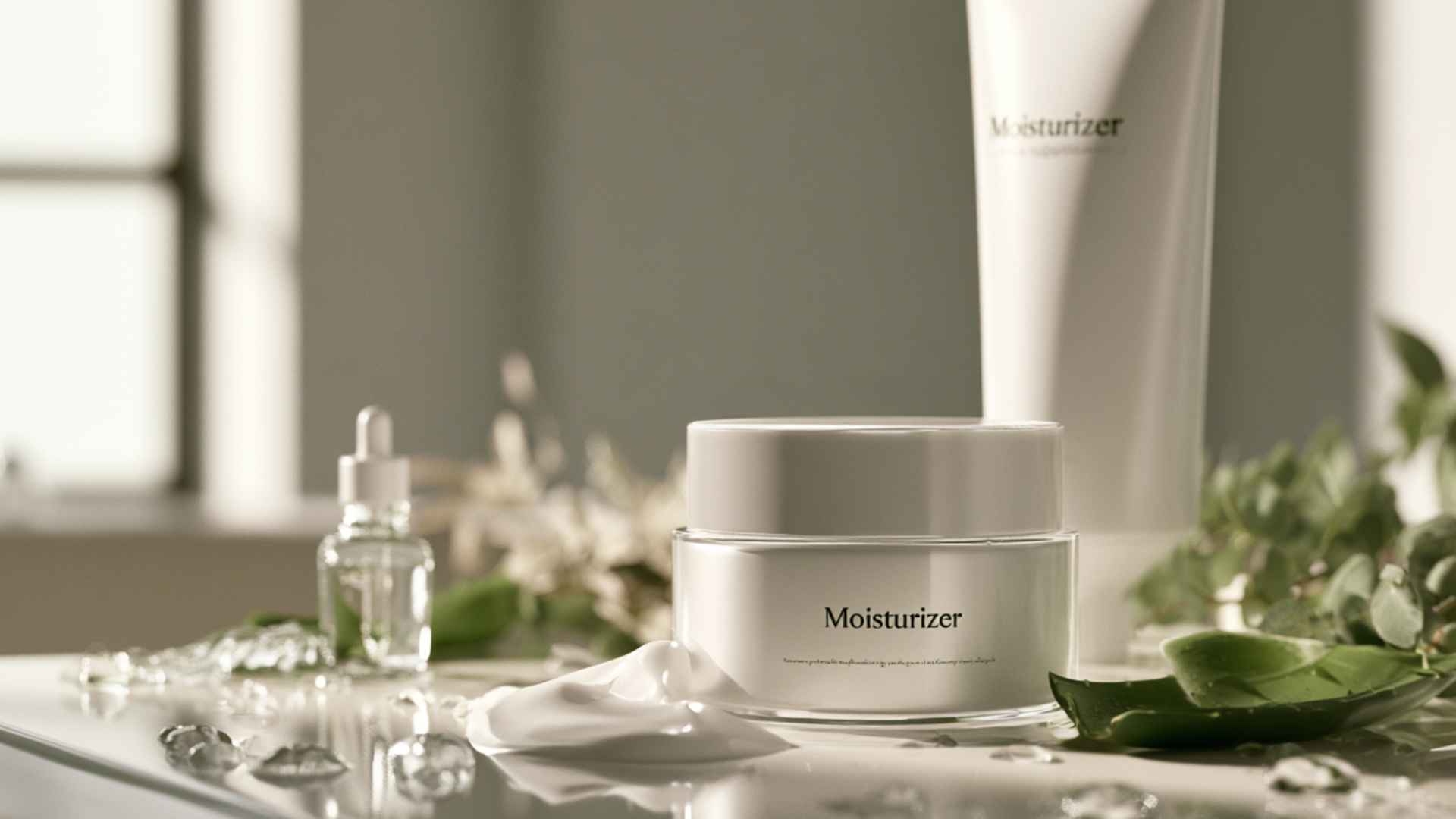
A moisturizer is your skin’s daily drink of water, plus a little help to hold it in. Most moisturizers mix water-based and oil-based ingredients together in one cream or lotion.
- Contains humectants like hyaluronic acid and glycerin, which pull water into your skin
- Often includes emollients that smooth rough patches
- Works for almost every skin type, including oily and acne-prone skin
- Usually applied right after cleansing, morning and night
| Pros | Cons |
|---|---|
| Hydrates most skin types | Water can evaporate quickly alone |
| Absorbs quickly, feels lightweight | May not suit very dry skin alone |
| Works well under makeup | Some formulas may feel sticky |
Pro tip: Apply moisturizer to slightly damp skin. It helps the product lock in more water instead of sitting on top of dry skin.
What is a Face Oil?
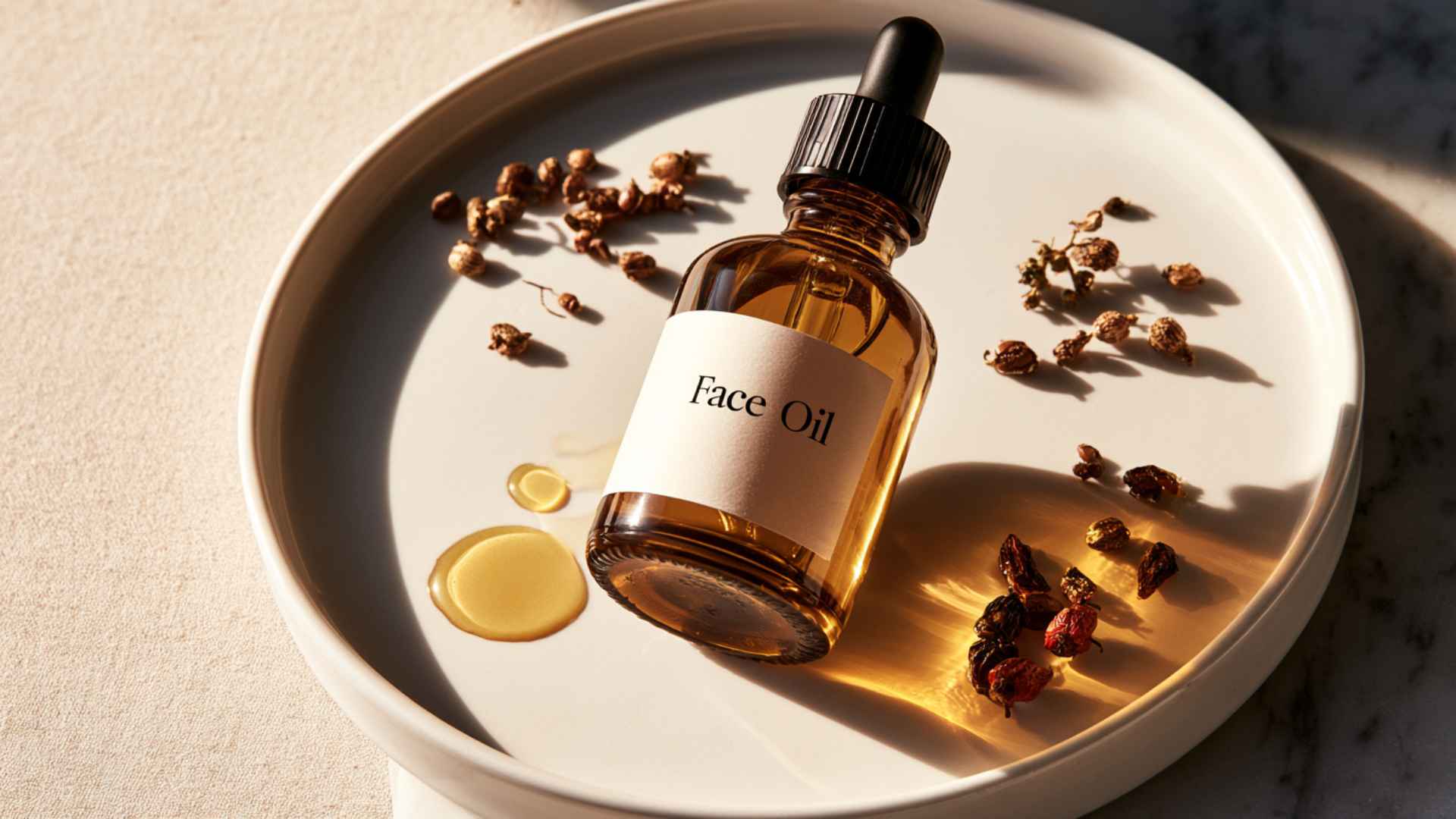
Face oil is your skin’s natural oil boost, helping to seal in moisture and support a healthy skin barrier. Most face oils come from plants, seeds, or nuts and contain only oil-based ingredients.
- Contains oils like jojoba, squalane, and rosehip that help replenish the skin’s natural oils
- Creates a protective layer on the skin to slow down water loss
- Works best as the final skincare step after moisturizer
- Suitable for dry, normal, and combination skin types depending on the oil used
| Pros | Cons |
|---|---|
| Seals in moisture, strengthens barrier | Has no water, can’t hydrate alone |
| Great for dry or mature skin | Wrong oil can clog pores |
| Adds a soft, smooth finish | Can feel heavy if overused |
Pro tip: Apply face oil after moisturizer. It helps lock in hydration instead of replacing the water your skin needs.
A quick note on “dehydrated” skin, since it’s easy to mix up with “dry” skin: dehydration means a temporary lack of water, and any skin type, including oily skin, can experience it.
Dry skin is a type that naturally produces less oil. Face oil helps with the second problem, not the first, which is why moisturizer stays the non-negotiable step for dehydration.
Can Face Oil Replace Moisturizer?
For most people, no. Face oil alone can’t add water to your skin because it doesn’t have any water in it. Using oil by itself is a bit like sealing a bottle that’s already empty. It protects what’s there, but it doesn’t fill it back up.
There are a few exceptions. People with very dry or mature skin sometimes find that a rich face oil, used consistently, gives them enough comfort on its own.
But for oily, combination, or normal skin, skipping moisturizer usually leads to a tight or dull-looking face by the end of the day.
Which One Does Your Skin Need?
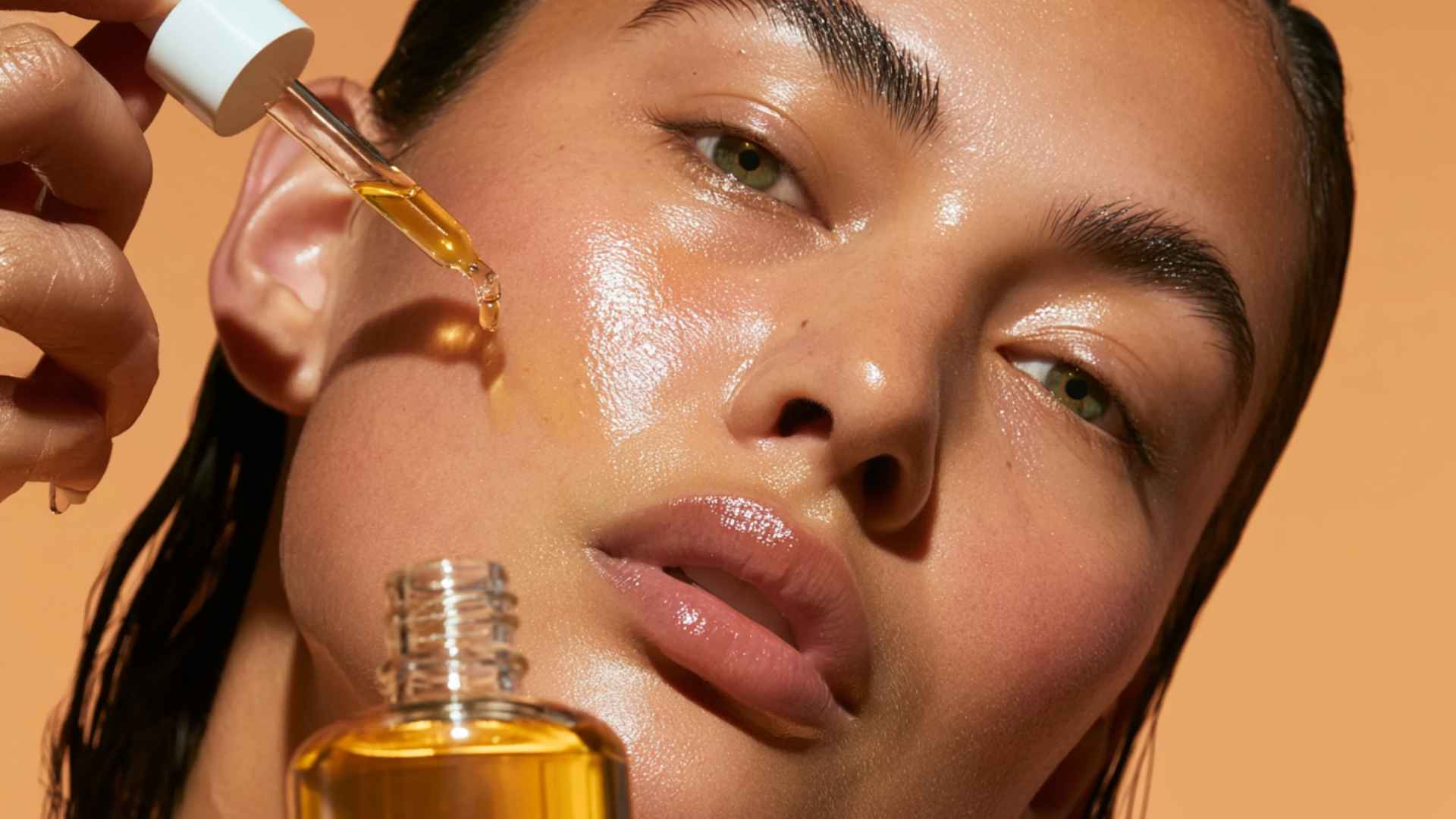
Your skin type plays a big role in this decision. Your skin type can guide how you use moisturizer and face oil. These simple tips help you choose the right balance for your routine.
- Oily or acne-prone skin: Stick with a lightweight, oil-free moisturizer. A face oil can still help, but choose one labeled non-comedogenic so it won’t clog pores.
- Dry skin: Use both. A hydrating moisturizer first, then a face oil to seal it in.
- Combination skin: Try a lighter moisturizer all over, with face oil only on drier areas like cheeks.
- Sensitive skin: Look for fragrance-free options in both products and patch test before applying to your whole face.
- Mature skin: A richer moisturizer paired with a nourishing face oil at night can support a softer, more supple feel. Some oils also target fine lines specifically, so it’s worth looking into oils for fine lines if that’s a concern for you.
The right combination depends on your skin’s needs. Start with simple products, watch how your skin responds, and adjust as needed.
Do Dermatologists Recommend Face Oil?
Yes, many dermatologists suggest face oil, but usually as an add-on and not a stand-in for moisturizer.
NYC dermatologist Elyse Love has explained that face oils don’t really add hydration to skin on their own, but they help support the skin barrier and lock in whatever hydration a serum or moisturizer already delivered. That distinction is why most derms frame oil as a finishing step rather than a first step.
Fatty-acid-based moisturizers have shown measurable barrier benefits in lab-based (ex vivo) skin testing presented to the American Academy of Dermatology, which is one reason moisturizer, not oil alone, stays the foundational step for barrier repair.
They most often recommend it for people with dry skin, a damaged skin barrier, or fine lines that need extra softening.
|
The advice from most skin experts comes down to two things: Pick an oil that fits your skin type. Lightweight oils like squalane suit oily or combination skin, while richer oils like argan work better for dry skin. Use it after moisturizer, not instead of it. Oil holds moisture in, but it can’t add water on its own. |
Dermatologists also point out that face oil used the wrong way can backfire. Too much oil, or the wrong type for your skin, can lead to a greasy feel or clogged pores.
How to Layer Face Oil and Moisturizer
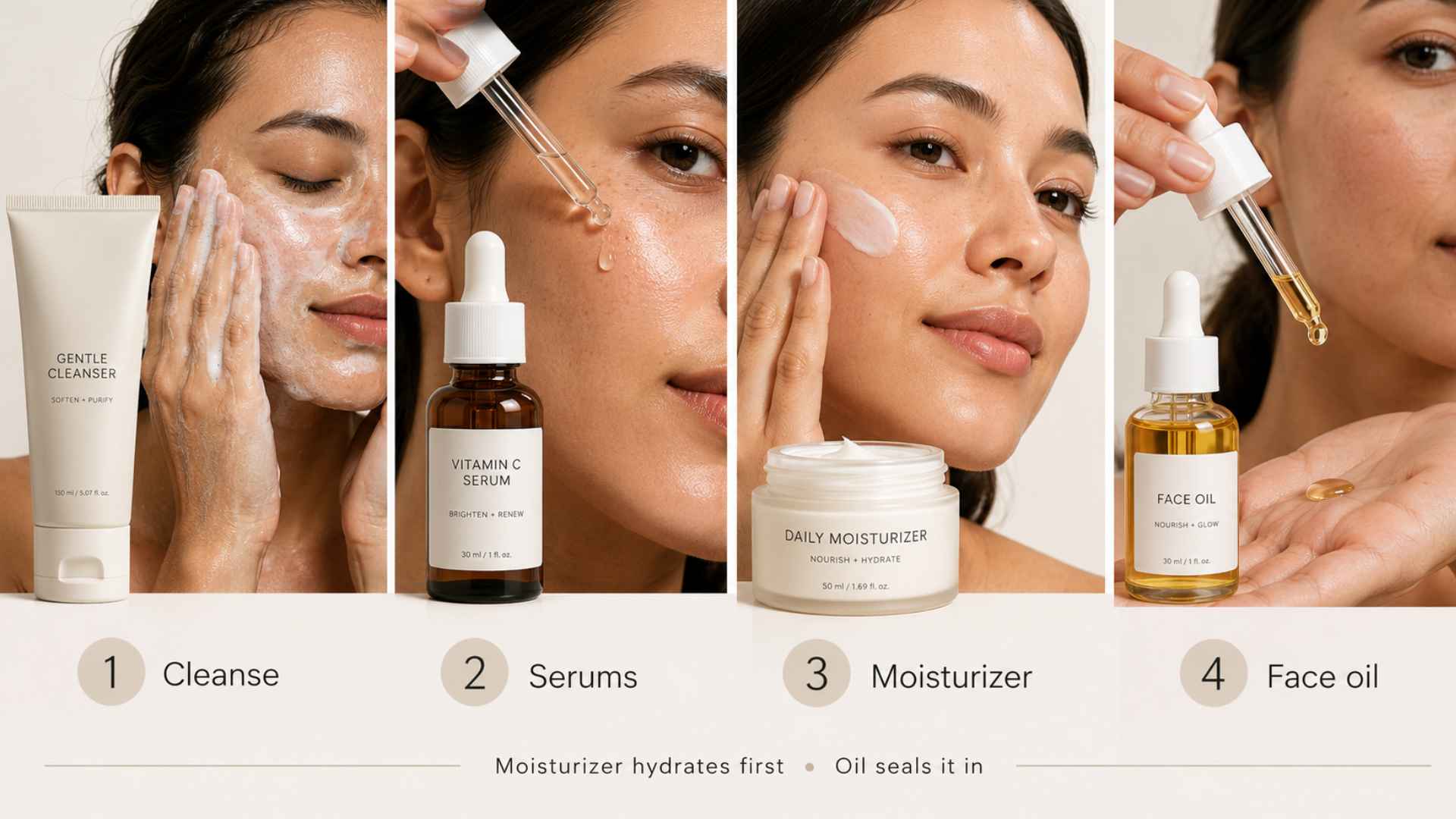
Order matters more than people think. The general rule in skincare is thinnest to thickest, and since moisturizer contains water, it’s lighter and gets applied first so skin can absorb it.
Face oil goes last because its job is to seal everything underneath it, not add anything new.
- Cleanse your face
- Apply any serums first
- Follow with moisturizer
- Finish with a few drops of face oil
Pro tip: Warm the oil between your palms before applying. It spreads more easily and feels less heavy on your skin.
At night, this same order works well. In the morning, some people skip the oil step if they’re wearing sunscreen or makeup, since oil can make those products slide around.
If you’re still unsure which formula fits best, comparing a few skin-friendly oils side by side can help narrow it down.
Ingredients to Look For in Each
Knowing what’s actually inside a bottle makes it much easier to pick the right product. Here’s what to check on the label.
Moisturizer Ingredients:
Hyaluronic acid and glycerin help draw water into the skin, keeping it hydrated and reducing dryness. Ceramides support the skin barrier by helping restore and strengthen its protective layer.
One 2026 study on a ceramide-based formulation found measurable improvements in water loss and hydration over time, in line with what’s generally understood about how ceramides support the skin barrier.
Shea butter and dimethicone seal in moisture to prevent water loss and keep skin feeling soft. Niacinamide helps calm redness and supports a more even-looking skin tone.
Face Oil Ingredients:
Jojoba oil helps support the skin’s natural balance because it closely resembles the oils the skin produces. If you’re new to it, applying jojoba oil correctly makes a real difference. Squalane provides lightweight moisture and is less likely to clog pores, making it suitable for many skin types.
Rosehip oil is often used for dry or mature skin due to its nourishing properties. Argan oil is rich in vitamin E and helps provide deep hydration, while marula oil absorbs quickly and leaves the skin feeling moisturized without a heavy or greasy finish.
Signs You’re Using the Wrong Product
Your skin usually tells you when something’s off. Your skin can reveal when it needs more hydration, less oil, or a better product balance.
- Tight, flaky skin: If your skin feels dry after washing, it may need more hydration. A moisturizer adds water, while oil helps seal it in.
- Greasy skin by midday: Excess shine can mean your moisturizer or oil feels too heavy. Try lighter formulas that match your skin’s needs.
- Breakouts after using oil: New pimples may suggest the oil does not suit your skin. Choose non-comedogenic options to reduce clogged pores.
- Dull, rough texture: If your skin still feels uneven, you may need an extra sealing step. Face oil can help lock in moisture and improve softness.
If any of these sound familiar, it might be time to adjust which product you’re leaning on, or add the one you’re missing.
Conclusion
The choice between face oil vs moisturizer comes down to what your skin is asking for, not which product sounds more effective. Most people benefit from both, used in the right order and in the right amount.
Moisturizer handles hydration, oil handles the seal, and together they keep skin balanced through the day.
Skin changes with weather, age, and stress, so checking in on how it feels every few weeks helps too.
Start simple, pay attention to how your face responds, and adjust from there. Once you understand the role each product plays, building a routine that works stops feeling complicated and starts feeling straightforward.
Frequently Asked Questions
Can I Use Face Oil Instead of Moisturizer?
Not usually. Face oil has no water, so it can’t hydrate skin on its own. Most people still need a water-based moisturizer for proper hydration, especially if they have normal to oily skin.
Should I Apply Face Oil Before or After Moisturizer?
Apply face oil after moisturizer. Moisturizer needs to soak into skin first. Oil then seals it in and adds an extra layer of protection.
Is Face Oil Good for Oily Skin?
Yes, if you choose a light, non-comedogenic oil. Many oily skin types benefit from a small amount used sparingly, especially on dry patches.