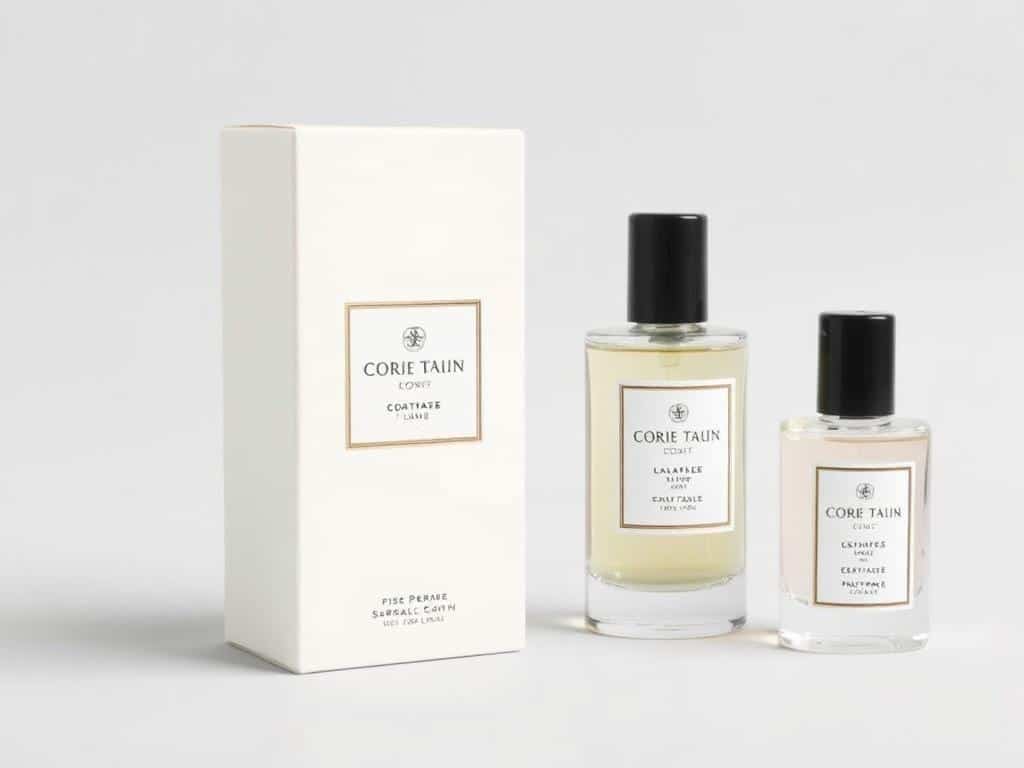
Smell is such a personal sense and often fragrance products are purchased on an emotional basis to match memories and moods. Fragrance packaging has started telling the brand story even before the first fragrance molecule reaches the nose. In a crowded and cluttered perfume market with thousands of fragrances being sold through a multiplicity of channels across various price points, fragrance packaging has emerged as the ultimate competitive device for a brand to connect with its audience. While branding is at the core of packaging design, thoughtful fragrance packaging also articulates a brand’s story and supports its image. Moreover, fragrance packaging also makes certain statements regarding a product’s quality as well as elicits certain emotions, which a savvy marketing campaign cannot achieve. That is why forward-thinking perfume founders and entrepreneurs seek the help of packaging designers and specialists who provide custom perfume boxes.
Why Fragrance Packaging Carries Extraordinary Weight
Fragrances are unique in terms of the marketing challenges that they present to brands. Consumers are unable to smell a fragrance before purchasing it (except in dedicated testers in select retail stores) and so making a purchasing decision is a difficult one based on limited information. The consumer cannot see, touch or smell the fragrance before buying it in retail stores and definitely not when purchasing online. As a result all of the signals that will drive the purchasing decision are secondary i.e. the brand story, packaging, the visual identity of the brand and product and the design of the fragrance bottle. The packaging is fundamental in the presentation of the fragrance to a customer and as such plays a pivotal role in the consumer’s decision making process.
Packaging becomes the hero of the story in this reality. The box or packaging of a fragrance not only has to tell the consumer about the emotional experience that the fragrance delivers but also the quality of the liquid inside the pack, the values of the brand and the identity of the brand to the consumer. It has to communicate all of this to invite the right person to experience and purchase the fragrance. Packaging that does this well, earns the right to be premiumly priced, stimulates gifting and creates lasting brand impressions.
The Visual Language of Fragrance Positioning
Unlike other consumer products, different fragrance positioning strategies require distinct packaging visual languages that communicate distinctive brand positions and territories to target audiences. SMUK explored the packaging for a new premium men’s deodorant in an exploratory design workshop to determine how visual and tactile packaging attributes can connect with potential end users. The outcome demonstrated that superior packaging visual languages that communicate a premium fragrance position strongly correlate with positive emotional response from target audiences, recommending that fragrance founders consider this when selecting packaging rather than choosing products on the basis of aesthetics.
For fragrances classified under luxury and prestige, packaging should aim to exude high-end sophistication while simultaneously embodying restraint. Using heavy board weights, minimal use of colour, ample use of space for minimal information, and a range of premium finishes such as foil stamping and soft-touch lamination, the packaging conveys the message that the contents are worth so much more than the physical packaging itself. Luxury packaging does not have to be loud as what it is saying is that what is inside is worthwhile.
Packages for natural and botanical fragrances have a unique language. Made from uncoated kraft, they are paired with hand-illustrated botanicals, an earthy palette and an unfinished texture and feel. These packaging packs an immediate punch communicating natural ingredients to consumers who are looking for clean products with natural ingredients. Once they’ve received that message, packaging copy can further enhance brand story and character.
For the more modern or niche fragrances, packaging design takes on a more experimental aesthetic, allowing for unusual design shapes, quirky typography and non-traditional colour usage. These products offer something alternative to mainstream perfumes and it is often niche or modern fragrances that have specifically targeted audiences looking for something different to established brands, and distinctive design is essential in showcasing what the fragrance will offer.
Structural Design and the Unboxing Ritual

What role does the packaging of perfume play in creating the unboxing ritual that has become arguably the most powerful brand building moment for fragrance outside of scent alone? As social media turns the private moment of first seeing a new fragrance packaging into a public spectacle worth sharing with thousands or millions of followers, the ritual is not just about how perfume packaging looks, it’s about how it performs in a social media selfie.
Deliberate packaging structures with multiple unfolding moments such as magnetic closures that pop open to reveal the product within, or drawer like boxes which slide gently to reveal a further package housing the fragrance product, are showcased in their beautifully designed form. The packing provides a multi-stage experience which feels almost ceremonial. Perfume packaging is perfect for this kind of considered presentation as perfume itself is a ritualistic, often daily product for the perfume enthusiast.
The packaging’s structure and materials also communicate the product’s quality through the packaging being felt and held by potential customers. A heavy and rigid packaging conveys a sense of a substantial fragrance inside, whereas a packaging that feels cheap and breaks easily conveys the opposite. The packaging’s weight and rigidity are not coincidental and are aspects that the fragrance brand has full control over.
Colour, Finish and Emotional Resonance
Colour applied to fragrance packaging interacts with the consumer at a subconscious level and in a shorter timeframe than conscious consideration of packaging elements. Therefore, the emotional connotations associated with the colour must match the emotional territory that the fragrance occupies.
Deep blacks and charcoals signal sophistication, mystery and intensity, suitable for powerful oriental and woody fragrances. Soft blush tones and dusty roses signal femininity, romance and softness for floral and powdery scent families. Fresh whites and ice blues signal clean lines, aquatic freshness and modernity. Rich jewel tones of emerald, sapphire and amethyst signal luxury heritage and complexity for classic fine fragrance.
Packaging that reflects the unique personality of a brand through custom perfume packaging boxes has the product finish showing the true colors of packaging. There is packaging that exudes a brooding sophistication when printed in matte finish with deep colors. For more energetic appeal and modern look and feel, glossy finish with bright colors is the best option. Packaging which offers soft-touch lamination in any color creates packaging that has a tactile luxury feel.
Typography as Brand Voice
The typefaces used for fragrance packaging become the brand’s written voice that design can recognise and respond to. The personality and positioning of a brand is often embedded in the features of a typeface’s letterforms, independent of the words that the typeface spells out. That way, the typography can either support the visual territory of the packaging or undermine it.
Typography choices that serve fragrance brands effectively:
- Refined serif typefaces for use when a premium product is positioned as established and luxury
- Elegant script creates a personal, intimate and feminine look, often specifically suited to fragrance territories of a romantic theme
- Geometric sans-serifs capture the aesthetic of modern minimalism as embodied in niche fragrance brands
- Custom lettering allows for the creation of completely original brand identities that no one else can emulate
- Mixed weight typography enables visual hierarchy, focusing reading order from brand name to fragrance name to supporting copy
Telling the Ingredient and Origin Story
Modern fragrance consumers in the premium and niche sectors increasingly wish to know more about the products on offer beyond the simple luxury statement. They are interested to know details about the composition of a fragrance, such as the sourcing of raw materials, the creative process behind its development, inspiration for a particular scent and the values that underpin a brand. Packaging provides a unique platform to share these narratives that are difficult to translate in the digital space.
Perfume boxes offer an inner story that is all too frequently left to gather dust. The interior print provides a unique chance to communicate with the consumer at a particularly engaging and emotional point in the unboxing process, when every word will be read. As people first unwrap the box, they are 100 per cent focused. A brief paragraph of copy can serve to inform potential buyers about the inspiration behind a fragrance, the profile and origin of key ingredients, the role of the perfumer and their creative process — thereby reinforcing the message around a product’s quality and conveying enough information to justify its higher price point while strengthening brand loft.
Consistency Across the Complete Brand Experience
If a fragrance brand is going to achieve any real penetration in the market, packaging design should reflect and be consistent with every touchpoint or point of contact that the brand has with the consumer — be it the website design, social media and advertising, or retail environment.
Consistency within packaging design creates cumulative brand awareness that grows over time. Consistently presenting your brand in various locations leads to stronger brand associations and increased purchase intention from customers that encounter the brand multiple times. Additionally, a clearly defined and distinctive packaging design creates a solid foundation for all other brand communications. Packaging design becomes the thread that weaves the brand message throughout various customer touchpoints.