Most facelifts last between 10 and 15 years. That is the average range for a standard facelift, based on skin quality, age, and lifestyle habits. Results do not disappear overnight.
Skin ages slowly after surgery, the same way it did before, so the change happens in small steps over the years rather than all at once. This is one of the first questions people ask during a consult.
Most want a real number, not a vague estimate. A simple way to explain it: a facelift resets the clock, but it does not stop it. The aging process continues at a normal pace after that reset.
How Long Does Each Facelift Type Last?
Not every facelift lasts the same amount of time. The technique used makes a real difference, along with how much skin and tissue movement the surgery targets. Here is a quick comparison.
| Facelift Type | Average Years | Recovery Time |
|---|---|---|
| Traditional Facelift | 10 to 15 years | 2 to 4 weeks |
| Mini Facelift | 5 to 10 years | 1 to 2 weeks |
| Deep Plane Facelift | 10 to 15 years | 3 to 4 weeks |
The right choice depends on your goals and how much correction you need. A surgeon can help match the technique to your skin and timeline.
| This article is for general information and isn’t a substitute for a consultation with a board-certified plastic surgeon, who can speak to your specific anatomy, health history, and expected results. |
What Affects How Long a Facelift Lasts?
A facelift is not a one-size-fits-all result. A few personal factors decide whether your results last closer to 10 years or stretch past 15.
- Wear sunscreen daily: UV rays break down collagen fast, so SPF 30 or higher protects your results year-round.
- Keep your weight stable: Repeated weight loss and gain stretches skin, which can undo the tightening from surgery.
- Follow a consistent skincare routine: Cleansing, moisturizing, and using retinol keep skin firm between touch-up treatments.
- Avoid smoking: Smoking reduces blood flow to skin, which slows healing and speeds up visible aging.
- Schedule maintenance treatments: Light procedures like Botox or fillers can extend your facelift results by a few extra years.
These factors work together, not alone. Someone with good skin elasticity who also smokes may see results fade sooner than expected.
How to Make Facelift Results Last Longer
A facelift gives you a head start, but daily habits decide how long that head start lasts. These four steps help protect your results for years.
1. Wear Sunscreen Every Day

The FDA’s current broad-spectrum SPF labeling rules require an SPF of at least 15 before a product can claim any protection against early skin aging, which is worth knowing when you’re comparing bottles at the store.
For example, someone who wears SPF 30 daily tends to keep smoother skin around the jaw and cheeks longer than someone who only wears it at the beach. A broad-spectrum sunscreen applied every morning, rain or shine, protects the tightened skin from new damage.
2. Keep Your Weight Stable
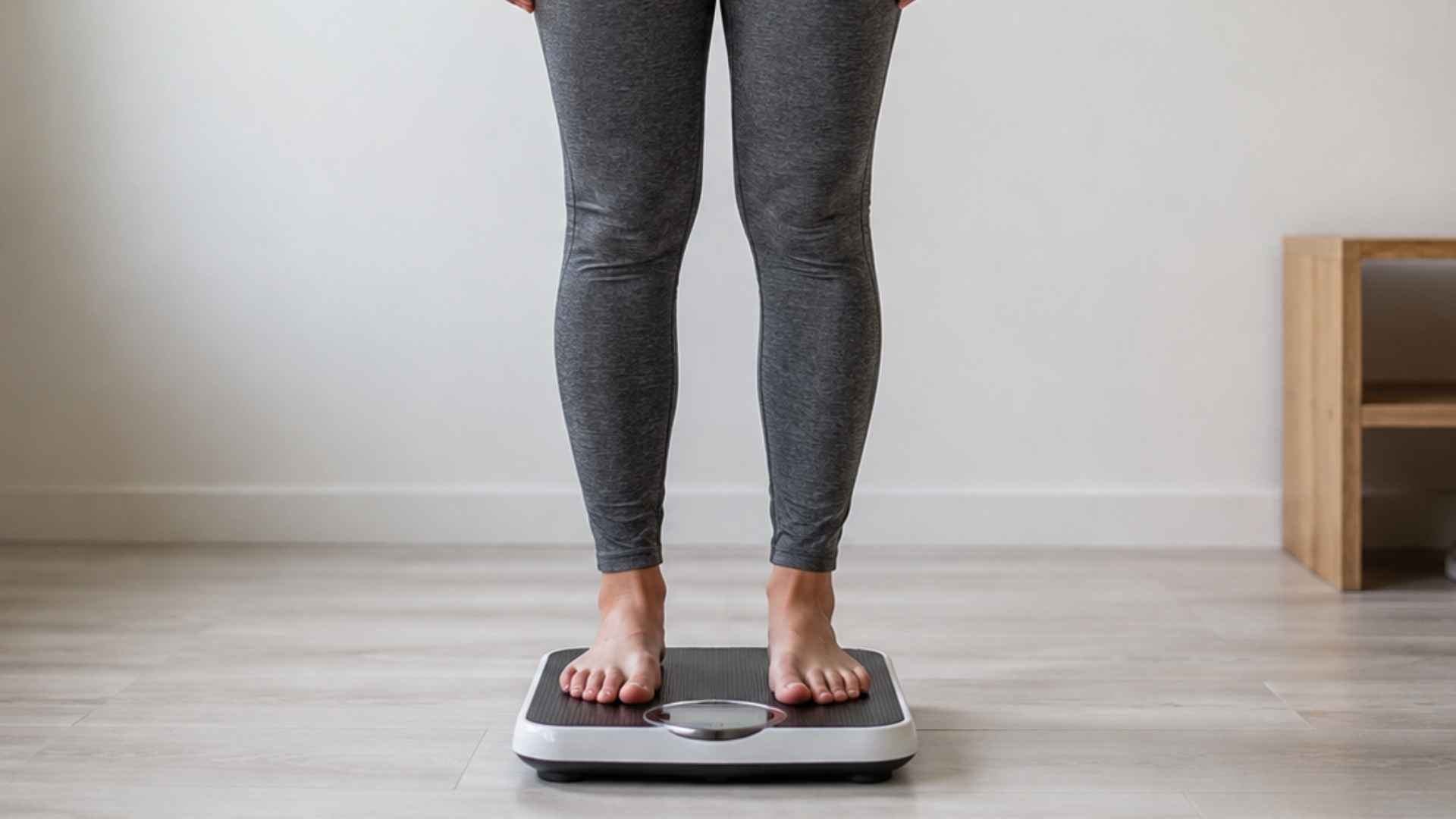
Weight swings stretch skin, which can speed up results. For example, losing and regaining 15 pounds a few times a year puts more strain on facial skin than staying at one steady weight.
Skin does not snap back the way it did years ago, so repeated stretching shows up faster after surgery. Staying close to one weight protects the tightening your surgeon created.
3. Stick to a Skincare Routine

A simple routine with cleansing, moisturizing, and retinol keeps skin firm between checkups. For example, someone who uses retinol at night three times a week often keeps a smoother texture longer than someone with no routine at all.
Consistency matters more than using expensive products. Basic care done daily supports results more than occasional treatments done rarely.
4. Schedule Follow-Up Treatments

Light touch-ups like Botox or filler can stretch your results by a few extra years. For example, a person who gets filler once a year in the cheeks often delays visible sagging longer than someone who waits until sagging is obvious.
Small maintenance steps taken early tend to cost less time and money than waiting for a full second procedure.
5. Protect Your Sleep Quality

Poor sleep speeds up how fast skin loses firmness. For example, someone who consistently gets 7 to 8 hours of sleep tends to keep a better skin tone than someone running on 4 to 5 hours a night.
Sleep gives skin time to repair itself, which supports the results from surgery. Sleeping on your back also helps, since side sleeping presses creases into the same spots on your face night after night.
Signs Your Facelift Results Are Fading
Facelift results change slowly, so the signs are easy to miss at first. Here is what to watch for.
- Jawline softening: The sharp line along your jaw starts to blur or sag slightly.
- Neck laxity: Loose skin or banding returns under the chin and along the neck.
- Cheek volume loss: Cheeks look flatter or start to droop compared to right after surgery.
- Deepening nasolabial folds: The lines from your nose to mouth corners become more noticeable.
- Jowls reappearing: Small pockets of skin form along the lower jaw, similar to before surgery.
Noticing one or two of these early is normal. A cluster of several signs together usually means it is time to talk to your surgeon about next steps.
Is a Second Facelift Worth It?
A second facelift is often worth it if your results have faded and you are in good health. Many patients get a second one 10 to 15 years after the first. It usually takes less time to recover than the initial surgery. Avoid smoking: Smoking narrows blood vessels and slows healing, which speeds up visible aging.
Final Thoughts
A facelift is not permanent, but it holds up well when you take care of your skin. Most patients get 10 to 15 years out of a standard facelift, sometimes more with the right habits.
I always tell clients the surgery does the heavy lifting, but daily choices like sunscreen, stable weight, and a simple skincare routine decide how long that lift stays visible.
If your results start to fade after a decade or so, that is normal, not a failure. A second procedure is always an option down the road, and it tends to be simpler than the first one.
Frequently Asked Questions
How Long Does a Facelift Last on A 50-Year-Old versus A 70-Year-Old?
A 50-year-old typically keeps results 12 to 15 years, while a 70-year-old often sees 8 to 10 years.
Does a Facelift Last Longer than Fillers or Botox?
Yes, a facelift lasts far longer. Fillers last months, Botox lasts weeks, and facelifts last years.
Can Facelift Results Be Extended without Surgery?
Yes, sunscreen, stable weight, good skincare, and light treatments like Botox or filler help extend results.
What Is the Average Age People Get a Second Facelift?
Most patients get a second facelift between ages 60 and 70, about 10 to 15 years after the first.