Hair loss affects millions of men and women worldwide, and finding an effective treatment can feel overwhelming. Between medications with side effects and expensive surgical procedures, the options seem limited.
Low-level laser therapy offers a non-invasive, FDA-cleared device-based option that’s gaining attention for stimulating hair growth naturally. Unlike topical solutions or pills, LLLT for hair loss uses low-intensity red light and sometimes near-infrared light to help stimulate hair follicles and support thicker, healthier-looking hair.
But does it actually work? What does the science say? And how long before you see results?
Here you’ll find everything you need to know about laser therapy, including how it works, what clinical studies reveal, and if it’s the right option for you.
What LLLT for Hair Loss Means
Low-level laser therapy, also called photobiomodulation, is a non-invasive treatment that uses low-intensity red light (typically around 630–670 nm; many home devices use ~650–655 nm) and near-infrared light (often around 800–850 nm) to stimulate hair follicles.
It was found accidentally in 1967 when Hungarian physician Dr. Endre Mester noticed accelerated hair regrowth on shaved mice exposed to low-power lasers. Since then, it’s evolved into an option delivered through FDA-cleared devices for androgenetic alopecia in both men and women.
Unlike medications or topical solutions, LLLT stimulates follicles without chemicals through at-home devices like laser combs, caps, and helmets. You can use it alongside treatments like minoxidil or finasteride. The therapy is painless with no downtime.
How Does LLLT for Hair Growth Work
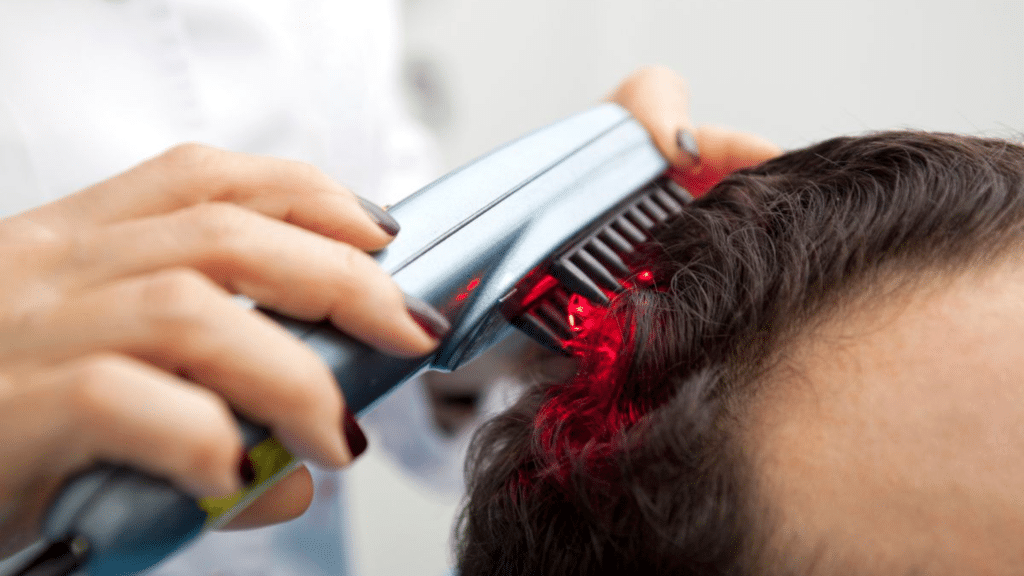
Low-level laser therapy works through a process called photobiomodulation, where red light energy penetrates your scalp and triggers biological changes at the cellular level.
Understanding how this happens helps explain why consistent treatment leads to visible hair regrowth.
- Red light penetrates your scalp: The light reaches the base of hair follicles, where growth begins, commonly using wavelengths around 650–655 nm without causing heat or damage.
- Light energy triggers metabolic changes: Once absorbed, it may spark reactions that support how your hair follicle cells function for better growth.
- May increase ATP production for cellular fuel: ATP gives cells energy, helping hair follicles produce stronger, healthier strands with improved vitality.
- May improve blood circulation to your scalp: Better blood flow can deliver more oxygen and nutrients to follicles, supporting a healthier growth environment.
- May help support the anagen growth phase: LLLT may help follicles stay in active growth longer, supporting greater length and thickness.
- May stimulate resting follicles: It may help “wake up” follicles that are resting and encourage them back into the active growth cycle.
- May reduce scalp inflammation: LLLT may help calm inflammatory processes that can contribute to hair thinning, supporting healthier scalp conditions.
Is LLLT Effective? What the Research Shows
When considering any hair loss treatment, you want to know if it actually works. LLLT has been studied extensively over the past two decades, and the results provide solid evidence for its effectiveness in treating androgenetic alopecia.
1. Clinical Trial Results
Randomized, sham-controlled trials (including a set of four trials with 269 randomized participants) found LLLT produced significantly greater increases in measured hair growth outcomes (such as terminal hair density) than sham over about 16–26 weeks, depending on the study and device.
In one sham-controlled study in women (Ludwig I–II), hair count increased by 48.7% after 16 weeks vs 11.05% with sham.
2. What Research Demonstrates
Multiple clinical trials documented specific improvements patients can expect from LLLT. Studies show increased terminal hair density with more thick, pigmented hairs.
Patients experienced improved hair thickness and caliber, with individual strands becoming stronger. Research consistently indicates reduced shedding rates and better overall scalp health with less inflammation.
3. Important Limitations to Consider
Most published studies only tracked patients for 6 months, so long-term data remain limited. Results vary significantly between individuals; some see substantial improvements while others experience minimal changes.
LLLT works well for early to moderate hair loss and isn’t effective on completely bald areas. Treatment requires consistent ongoing use; stopping typically results in hair loss returning.
4. Current Evidence Level
LLLT devices have been FDA-cleared based on demonstrated safety and effectiveness in clinical trials. European dermatology guidelines include LLLT as an ancillary/adjunct option for androgenetic alopecia.
However, experts agree that more research is needed to determine optimal dosing, ideal treatment duration, and long-term maintenance protocols for better results.
LLLT Device Types and Usage
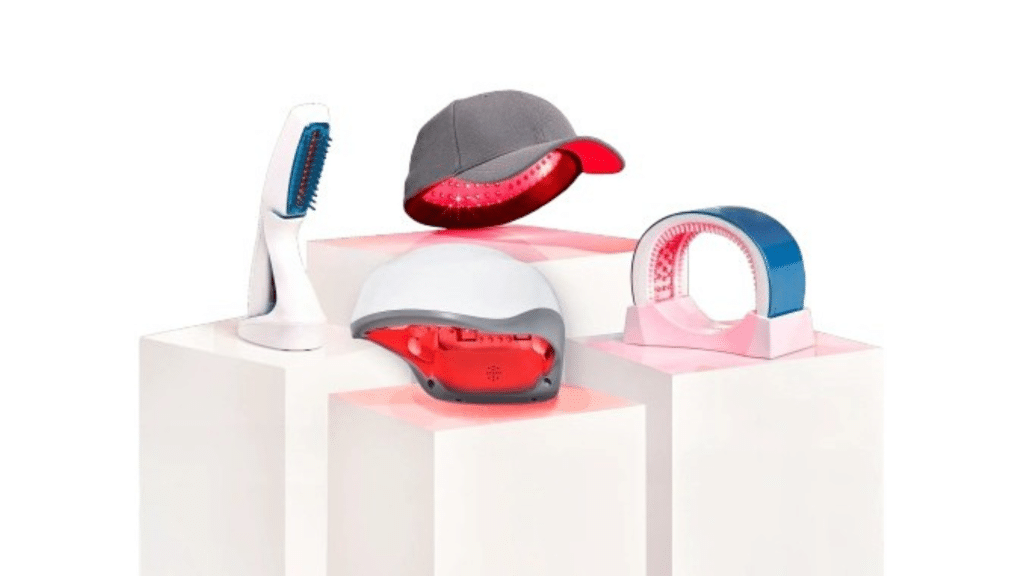
LLLT devices for hair loss come in various forms, each with different features, benefits, and price points. Understanding your options helps you choose the right device for your lifestyle and budget.
| Device type | Pros | Cons | Cost |
|---|---|---|---|
| Laser Combs | Budget-friendly, targeted treatment | Requires 15 minutes of active combing | $200–$600 |
| Laser Caps/Helmets | Hands-free, full scalp coverage, convenient | Higher upfront cost | $1,500–$3,000 |
| LED Devices | Lower cost than laser devices | Less clinical data for some designs | Varies |
1. Common Device Specifications
Most FDA-cleared devices share similar technical specifications. The wavelength typically ranges around 630–670 nm (many home devices list ~650–655 nm), which falls within the red light spectrum studied for hair growth.
Treatment time varies by device, ranging from 6 to 30 minutes per session, depending on power output and design. Frequency recommendations are usually 3-7 times weekly for optimal results. Many consumer laser diodes are commonly listed around ~5 mW per diode, though specs vary by model and design.
2. Usage Tips for Better Results
Follow your device’s specific instructions carefully, as treatment protocols vary by manufacturer. Consistency is absolutely critical; skipping sessions significantly impacts results.
The convenience of hands-free devices allows you to use them while reading, watching TV, or working. There’s no downtime required, so you can resume normal activities immediately after treatment.
Timeline and Results: What to Expect
Hair growth doesn’t happen overnight, and understanding the timeline helps set realistic expectations for your LLLT treatment.
- Months 1-3 (Initial phase): Temporary shedding may occur as old hairs make way for new growth. This is normal; don’t stop treatment during this phase.
- Months 3-6 (Early growth): Fine new hairs may emerge from resting follicles. You’ll notice slight thickness improvements, though changes remain subtle but are progressing steadily.
- Months 6-12 (Visible changes): Most people see noticeable improvements now. Hair density increases, thickness improves, and a fuller appearance becomes more apparent.
- 12+ months (Maximum results): The most significant improvements appear after consistent yearly use. Hair may continue improving, and you enter the maintenance phase where results stabilize.
Note: Individual results vary significantly. Consistency is absolutely essential for success. Stopping treatment often leads to gradual loss of gains over time. LLLT works best for recent or moderate hair loss, not on completely bald scalp areas.
Who Can Use LLLT? Candidates and Considerations
LLLT isn’t for everyone, and knowing if you’re a good candidate helps you make an informed decision about this treatment option.
| Best Candidates | Not Suitable For |
|---|---|
| Men and women with androgenetic alopecia (pattern baldness) | Some devices have labeling and stronger data, mainly in Fitzpatrick 1–4; ask a dermatologist if you’re Fitzpatrick 5–6 |
| Early to moderate hair loss with active follicles present | Completely bald scalp areas where follicles are no longer present |
| Those seeking non-invasive, drug-free treatment options | Active scalp infections, open wounds, or scalp cancer |
| People who cannot tolerate medications like finasteride | People with photosensitivity or conditions triggered by light exposure |
| Patients who want to complement existing hair loss treatments | Pregnant or breastfeeding women (limited safety data) |
Important note: Always consult a hair loss specialist or dermatologist for proper diagnosis before starting LLLT treatment. A professional evaluation makes sure you’re a suitable candidate and helps create an effective treatment plan tailored to your specific type of hair loss.
Side Effects and Safety
LLLT has demonstrated a strong safety record over decades of use across medical applications, making it one of the safest hair loss options compared to medications or surgery.
Possible side effects are rare but may include temporary scalp tenderness, mild headaches, initial shedding during the first 1-2 months, and scalp dryness or itchiness. Most resolve on their own.
Important safety precautions include avoiding use if you have scalp cancer or suspicious lesions, protecting your eyes from direct light exposure, and following the manufacturer’s instructions carefully. There are no known drug interactions, so LLLT can be safely combined with minoxidil or finasteride.
Overall, LLLT is very safe when using FDA-cleared devices as directed.
The Takeaway
LLLT for hair loss offers a scientifically supported, non-invasive option for treating androgenetic alopecia. With FDA-cleared devices and clinical evidence supporting effectiveness, it’s become a viable alternative for those seeking drug-free solutions or wanting to support their current treatment regimen.
The key to success lies in realistic expectations, consistent use, and patience. Results take months to appear, and ongoing use is typically needed to maintain improvements.
While it won’t work for everyone, especially those with advanced baldness, many users experience meaningful improvements in hair density and thickness.
Ready to see if LLLT is right for you? Consult with a hair loss specialist to evaluate your specific condition and create a treatment plan.
Frequently Asked Questions
What Is the Success Rate of LLLT?
Clinical studies and meta-analyses show LLLT can improve hair density on average in androgenetic alopecia, but results vary. Many users see at least some improvement, while others see more modest change.
Is Infrared Light Therapy Good for Hair Growth?
Some LLLT systems use near-infrared wavelengths (often around 800–850 nm), but most at-home hair-growth devices and the strongest clinical data focus on visible red light (around 630–670 nm).
What Is the Best LLLT Hair Loss Device?
FDA-cleared laser caps/helmets and combs have the strongest clinical evidence for pattern hair loss. Choose based on your budget, lifestyle, comfort, and preference for hands-free convenience.