Rice water is generally safe for most people, but using it too often or preparing it the wrong way can cause problems such as dryness, stiffness, and buildup.
I’ve seen the same pattern come up again and again: dryness, stiffness, protein overload, buildup, breakage, and scalp irritation. None of this means rice water is bad by nature.
These issues show up more when it’s overused, left on too long, or paired with the wrong routine.
How hair reacts depends on hair type, porosity, scalp condition, and how often someone reaches for it. As for hair growth, the evidence backing that claim is still thin.
Are There Side Effects of Rice Water on Hair?
Yes, rice water can cause side effects, though it isn’t automatically harmful. For most people, occasional use on healthy hair carries a low risk of trouble.
Problems tend to show up when rice water is used too frequently, left on for extended periods, or made with an unclean process.
Hair that’s already dry, low-porosity, or prone to buildup needs extra caution, since starch and protein residue can sit on the strand instead of rinsing away cleanly.
A bad reaction in one person doesn’t mean everyone will have the same experience. Hair type, scalp health, and product habits all play a role in how rice water behaves on any given head.
7 Possible Side Effects of Rice Water on Hair
Most complaints about rice water trace back to a handful of common issues. Evidence for rice water’s hair benefits remains limited.
Dermatologists generally agree it hasn’t been proven to stimulate hair growth, while some people report improvements in shine, smoothness, or manageability.
1. Rice Water May Leave Hair Stiff or Coated
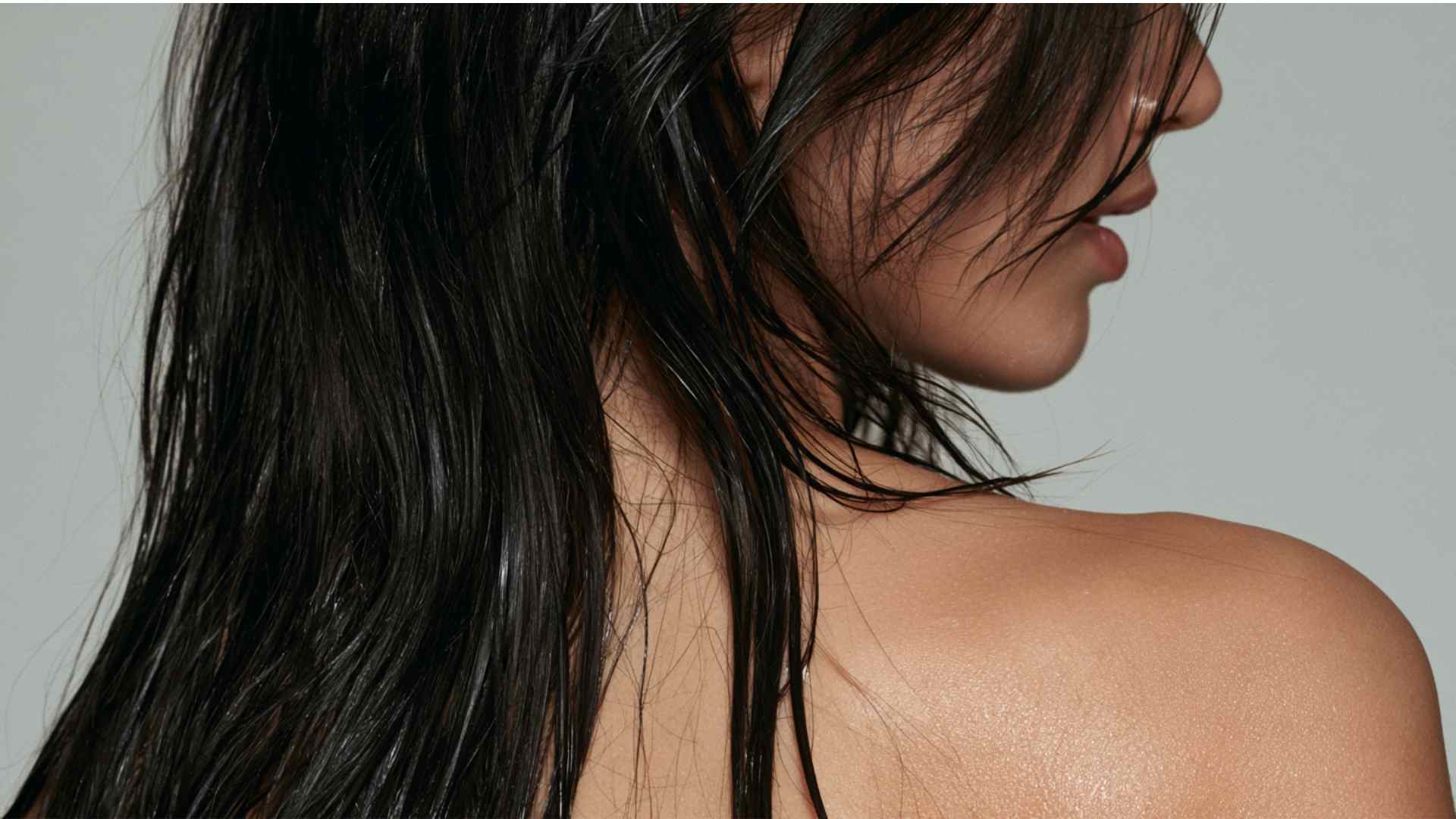
Rice water contains starch and other rice compounds that may leave a coating on the hair. For some people, repeated use can make strands feel stiff, dry, or coated.
The term “protein overload” is often used in hair care when strands become stiff or brittle after repeated protein-based treatments. However, homemade rice water has not been well studied as a cause of this problem.
- People with low-porosity hair may be more likely to notice a coated or weighed-down feeling when residue builds up.
2. It Can Make Hair Feel Dry or Stiff
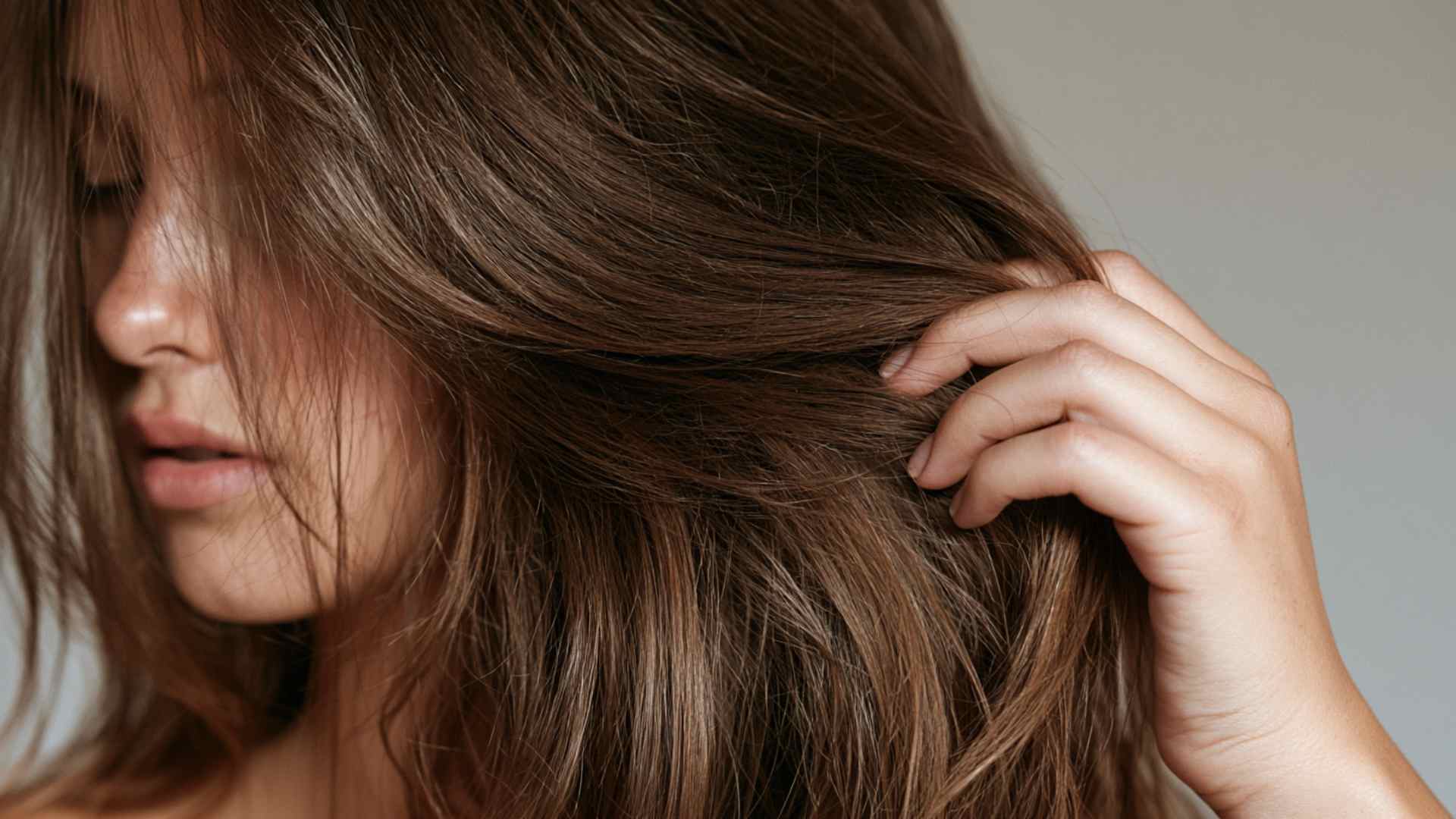
Hair often feels smooth right after a rice water rinse, but that softness fades with repeated use, especially without enough moisture.
Too much, too often, or skipping conditioner leaves strands drier and less pliable. Balance matters more than frequency.
- Fermented rice water may also be harder to tolerate because it has a stronger smell and can be more difficult to store safely at home.
3. Rice Water Buildup Can Make Hair Feel Heavy
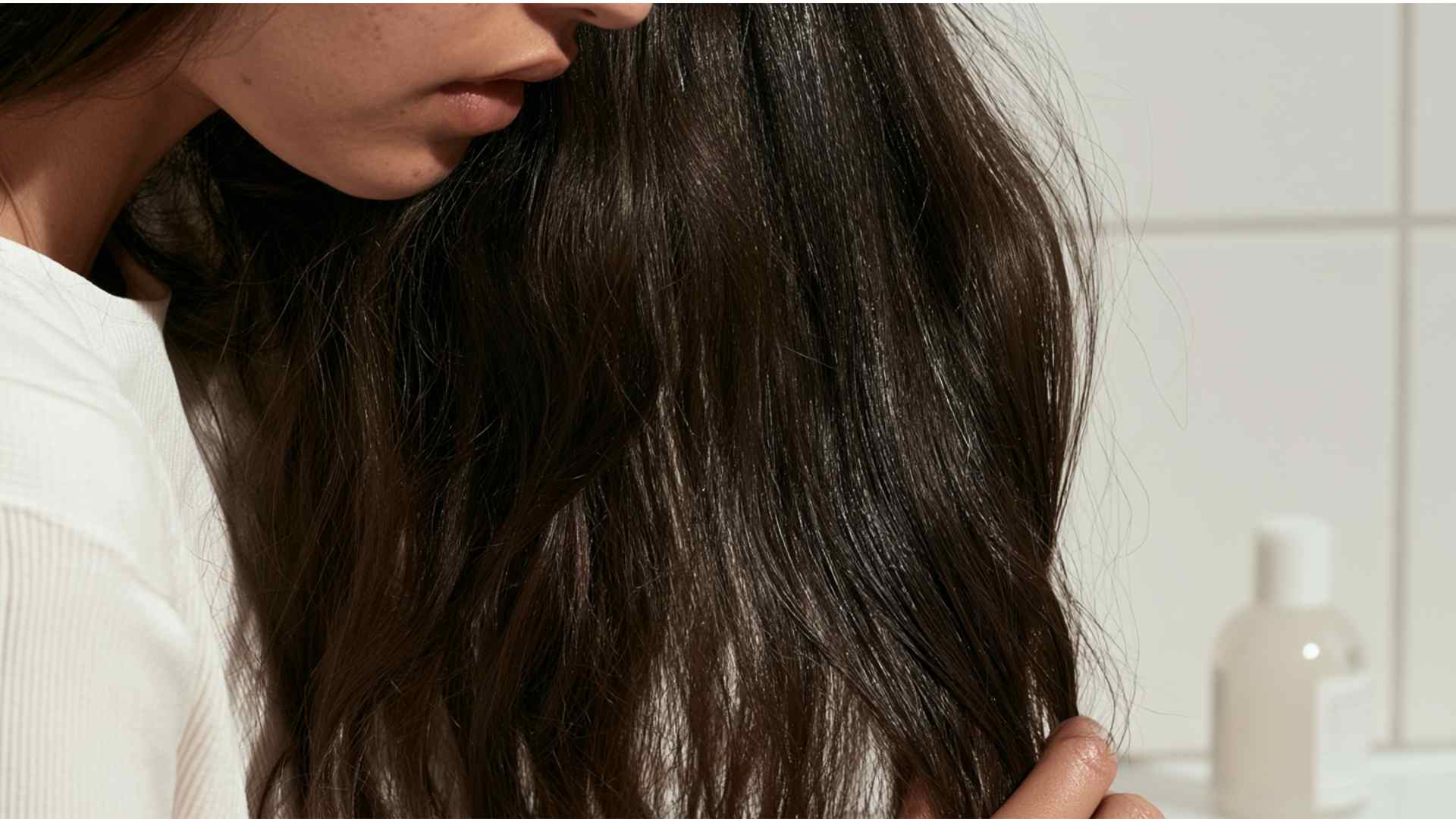
Buildup happens when starch and residue sit on the hair shaft instead of rinsing out fully, usually from overuse or a rushed rinse.
Signs include hair that feels coated, loses movement, and looks duller. Rinsing thoroughly lowers the risk.
- If your hair feels coated or heavy, washing it with your regular shampoo may help remove leftover residue.
4. Too Much Rice Water May Increase Breakage
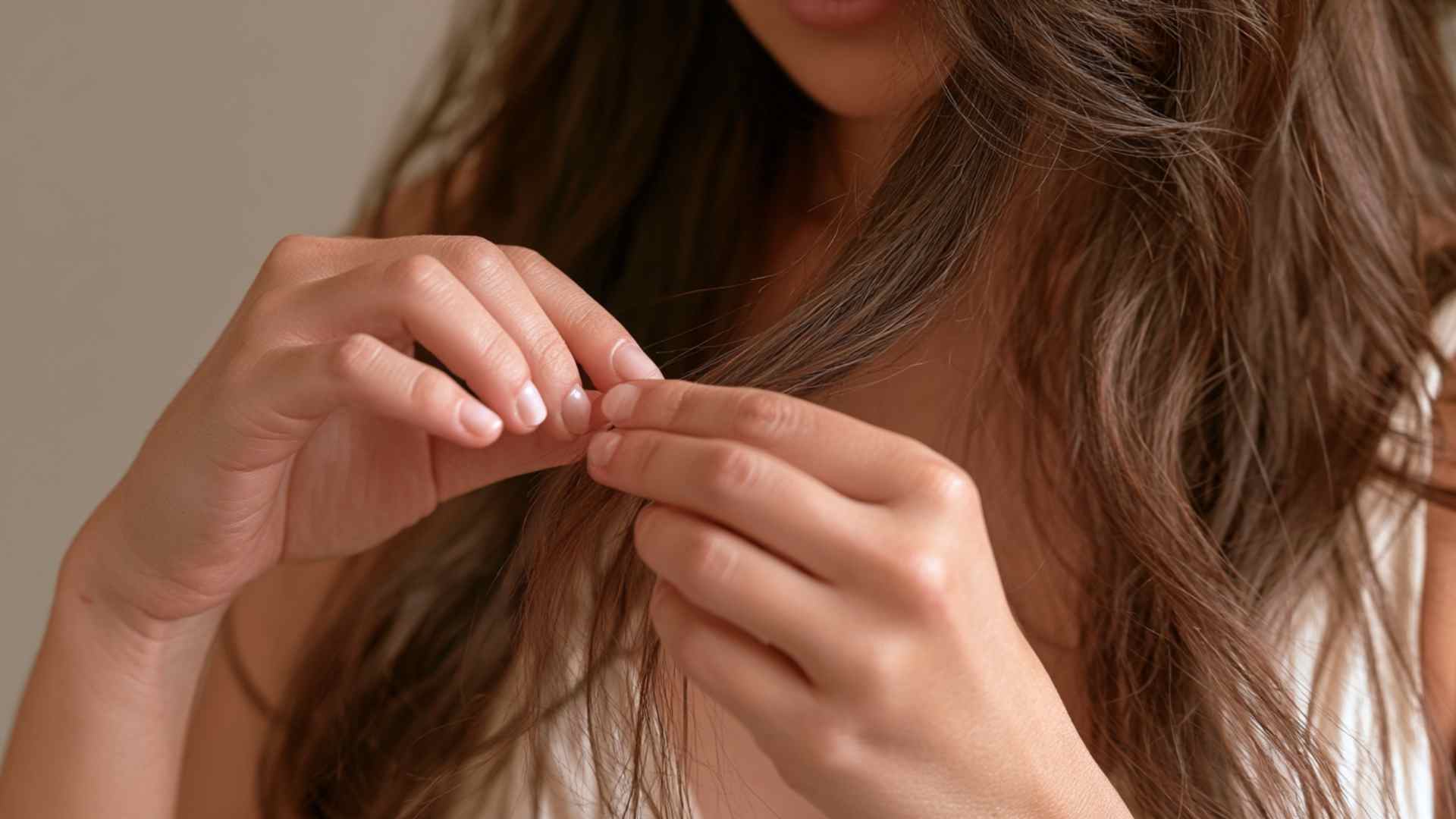
Breakage is different from shedding. Hair-care practices can make the hair shaft brittle and more prone to breakage, and the American Academy of Dermatology recommends gentle handling to reduce hair damage.
With shedding, the full strand comes out from the root.
- Short broken pieces around the sink point to breakage
5. Rice Water May Irritate a Sensitive Scalp
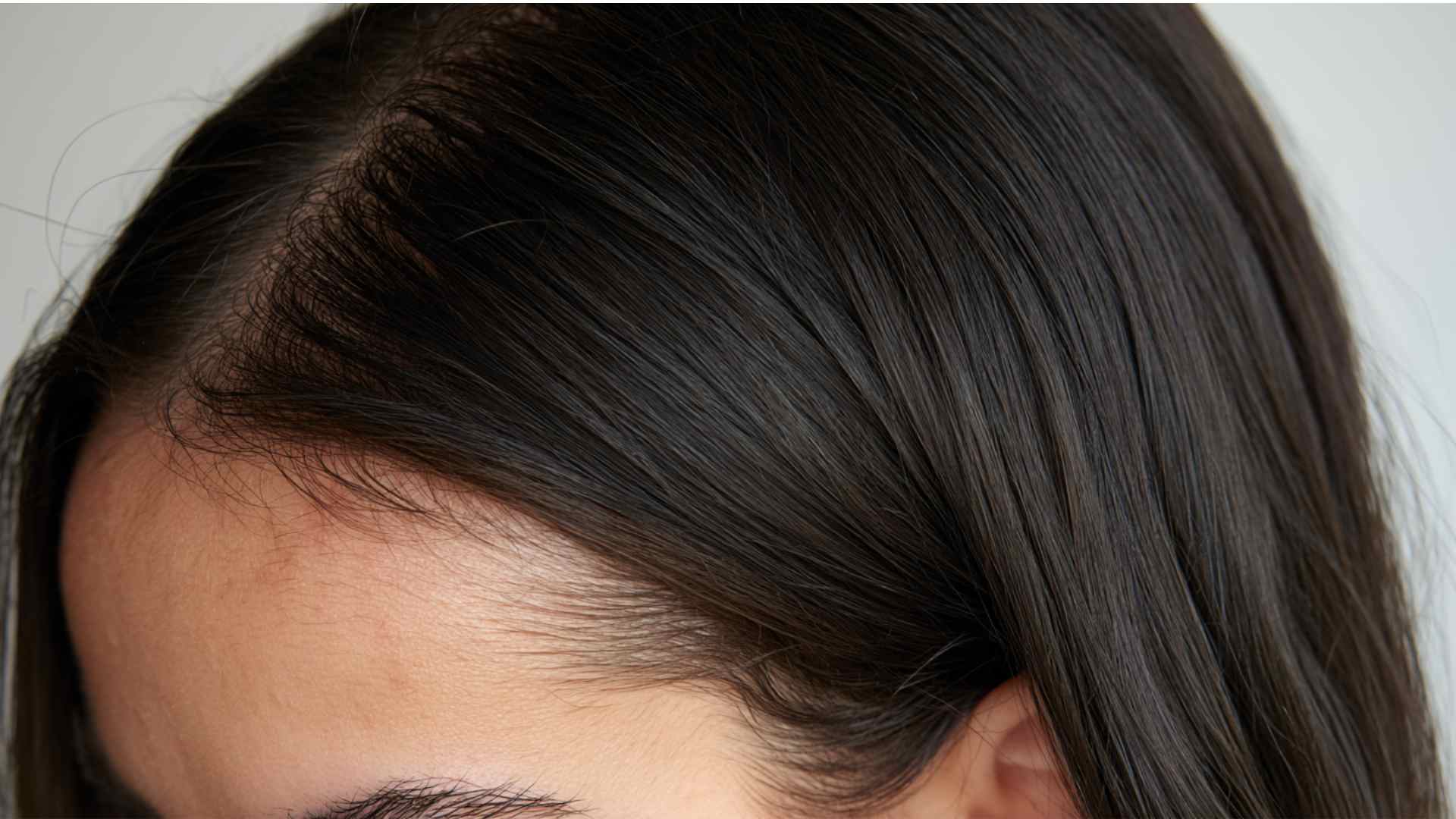
Some people notice itching, redness, dryness, or discomfort after applying rice water to the scalp.
Anyone with eczema, dandruff, or an irritated scalp should stay cautious, since rice water can worsen symptoms. See a dermatologist if symptoms persist.
- The American Academy of Dermatology recommends stopping the product and seeking dermatologic advice if the irritation persists.
6. Fermented Rice Water Can Smell Strong and May Be Harder to Tolerate
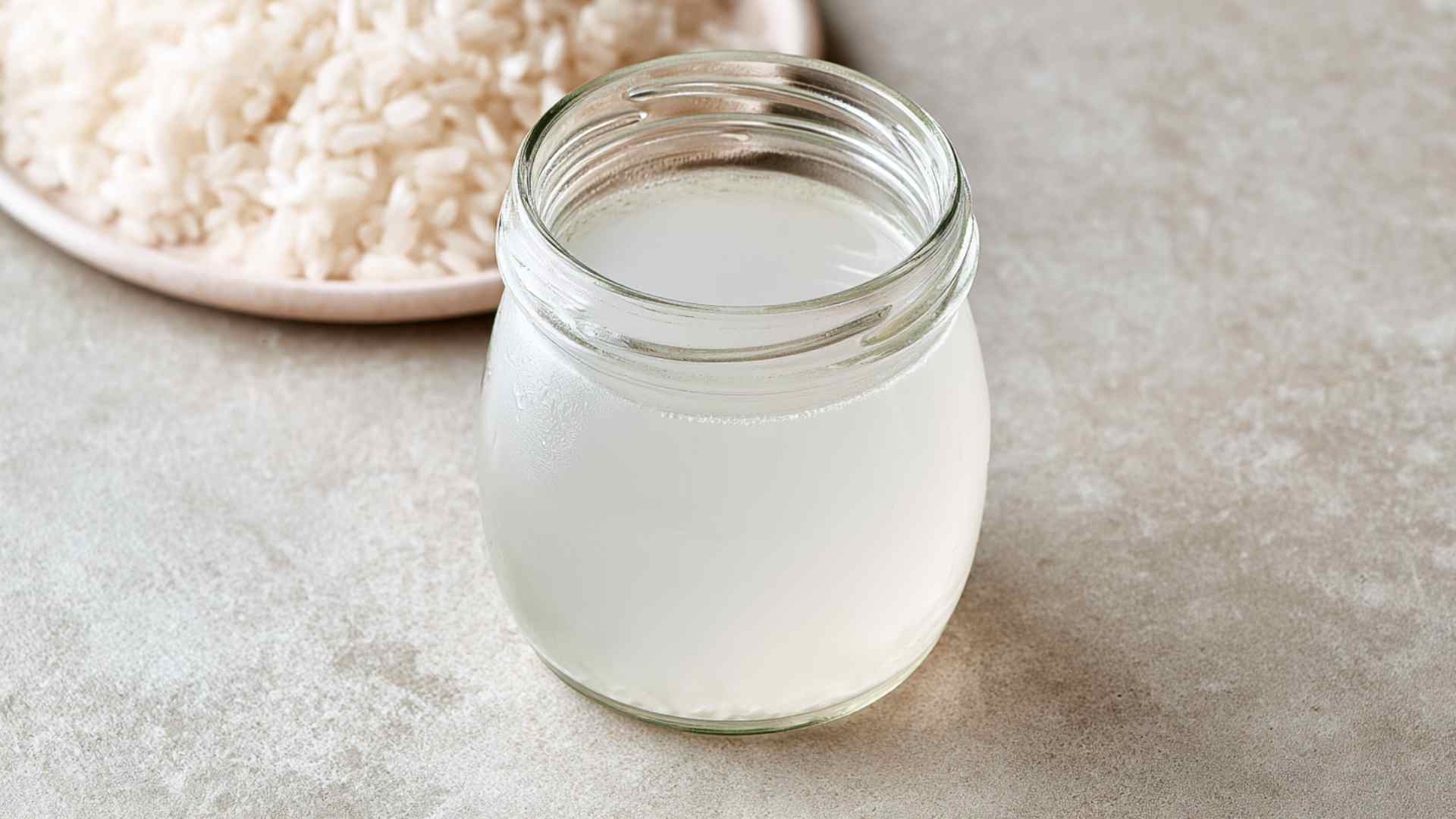
Fermentation changes the chemistry of rice water and brings a noticeably sour smell many people find unpleasant.
Fermenting isn’t required to try rice water, and skipping it avoids the smell entirely.
- Homemade batches left too long or stored in unclean containers raise hygiene concerns beyond odor.
7. Poorly Stored Homemade Rice Water May Contain Microbes
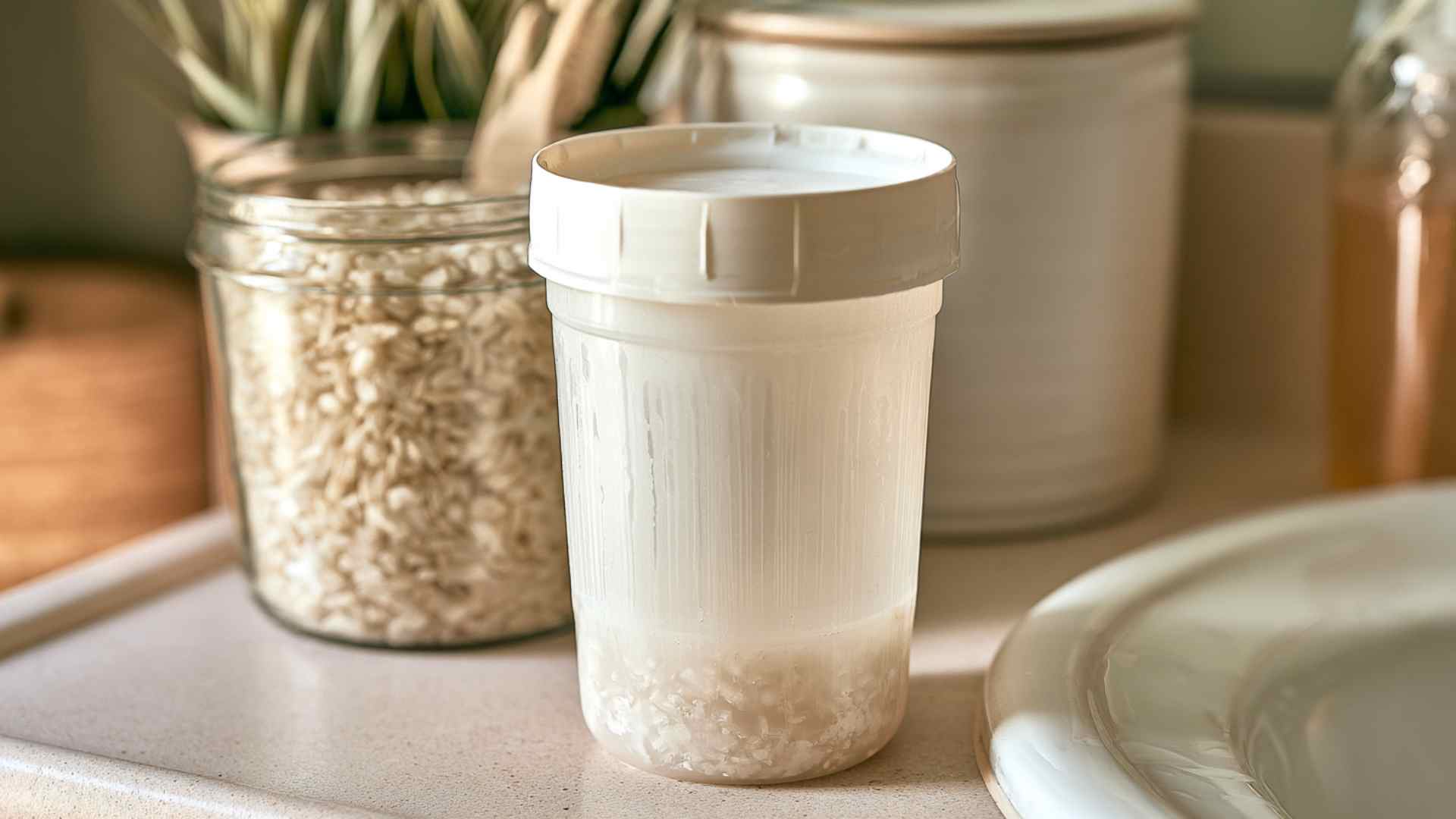
Prepare and store homemade rice water carefully. Sourcing rice from a trusted supplier and rinsing it well before soaking lowers this risk.
Cleveland Clinic notes that a long soak used for fermentation can introduce bacteria into the mixture, which is one reason a shorter preparation method may be preferable.
- Homemade batches left sitting too long can grow bacteria, especially in warm weather.
None of these seven issues are guaranteed to happen. They’re simply the patterns that show up most often when rice water gets used carelessly rather than thoughtfully.
Who Is More Likely to Have Problems With Rice Water?
Some hair types and scalp conditions run into more trouble with rice water than others. Here’s where extra caution helps most.
- Low-Porosity Hair: Low porosity means the cuticle lies flat and resists letting products in. Protein or starch-heavy treatments can sit on the strand instead of absorbing, leaving hair coated even when it normally feels soft.
- Dry or Damaged Hair: Already-dry hair may not handle repeated strengthening well. Strengthening needs balance from real conditioning and moisture, or dryness tends to worsen.
- Sensitive or Irritated Scalp: Applying a DIY mixture to an already-irritated scalp can make symptoms flare. Waiting until the scalp calms down is the safer move.
- Fine Hair: Fine strands feel weighed down by heavy residue faster than thicker hair. That doesn’t mean fine hair can’t use rice water, just that lighter application matters more.
Hair type won’t guarantee a reaction, but it can affect how your hair responds. For curl-specific advice, see information about rice water for curly hair.
Is Rice Water Actually Good for Your Hair?
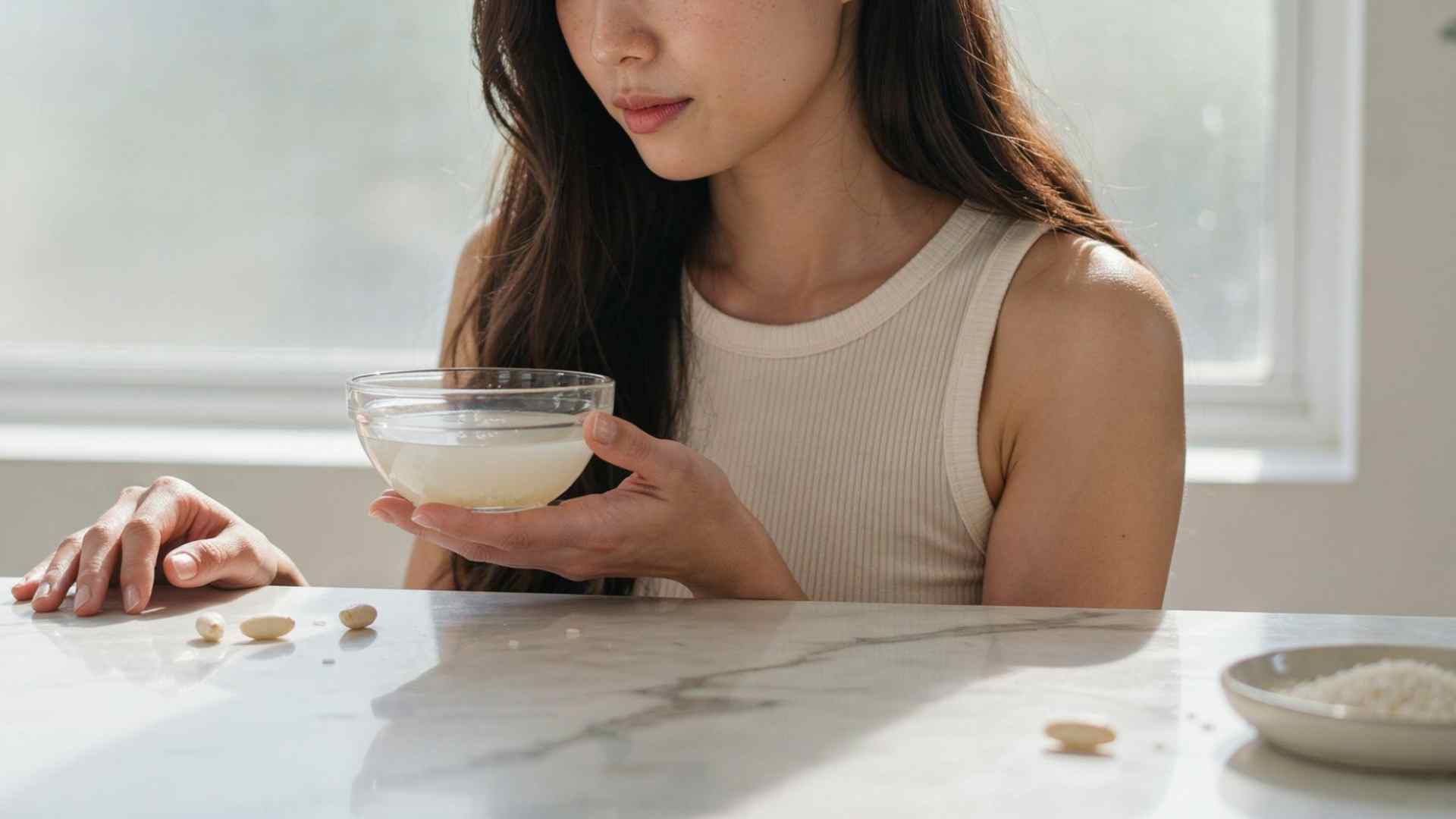
Rice water may improve how hair feels or looks for some people, but strong evidence for faster growth is lacking.
The starch and other compounds in rice water can coat each strand, which likely explains why so many people report smoother, shinier hair after using it.
Cleveland Clinic notes that the possible benefits are largely based on anecdotal reports, and that rice water hasn’t been scientifically proven to grow hair. Long-standing traditional use says more about popularity than proof.
What Benefits Can Rice Water Provide?
Even without solid proof of hair growth, rice water still offers a few things worth mentioning for anyone curious about trying it.
- May make hair feel smoother to the touch
- May temporarily improve shine right after rinsing
- May help reduce friction and tangling during detangling
- May make hair feel smoother or easier to manage
| Does Rice Water Make Hair Grow?
There is not enough clinical evidence to show that homemade rice water makes hair grow faster. A systematic review of rice-derived products found promising research, but it also highlights the limited evidence base and does not establish homemade rice water as a proven hair-growth treatment. |
These effects are about how hair feels and looks day to day, not proof that rice water changes how hair grows from the root.
How to Use Rice Water Without Damaging Your Hair
Before adding rice water to your routine, learn how to use it properly, including how to prepare it and when to rinse it out.
-
Start with a small amount and test it on one section before applying it all over.
- Use rice water occasionally rather than treating it like a daily conditioner. Adjust how often you use it based on your hair’s response.
- Rinse it out well, and don’t leave it on longer than needed. More time does not mean better results.
- Follow with a moisturizing conditioner, especially if your hair feels dry, rough, or stiff afterward.
- Stop using it if your hair becomes brittle, coated, or unusually dry. Store homemade rice water in a clean container and discard it if it smells or looks unusual.
Simple, consistent care is usually more helpful than relying too heavily on one hair treatment.
Rice Water vs. Other Hair Treatments
Rice water can be useful in a hair routine, but it does not do the same job as every other treatment. Knowing the difference can help you choose the right option.
| Treatment | Main difference |
|---|---|
| Rice water | A diluted rinse that may improve softness, shine, and manageability for some hair types. |
| Protein treatment | A formulated treatment designed to add strengthening ingredients in a more controlled amount. |
| Moisturizing treatment | Helps add moisture and softness, making it useful for dry or rough hair. |
Rice water is not a replacement for either type of treatment. If your hair feels dry, a conditioner or mask may be more useful. If it feels weak or damaged, a suitable protein treatment may better fit your needs.
The best approach is to use each treatment for its intended purpose rather than expecting one rinse to solve every hair concern.
Final Thoughts
Rice water isn’t automatically bad for hair, and plenty of people use it without any issue. Its possible benefits are mainly related to how the hair feels and behaves.
If a treatment reduces breakage, it may help someone retain length. That is different from making hair grow faster. What it doesn’t have is solid proof that it speeds up growth.
Overuse is where trouble starts, turning hair dry, stiff, coated, or prone to breakage. If you try rice water, use it sparingly, rinse it well, and stop if your hair or scalp becomes dry, stiff, irritated, or unusually coated.
Frequently Asked Questions
Can Rice Water Cause Protein Overload?
Yes, repeated protein-heavy treatments can contribute to this for some hair types, particularly low-porosity hair that already struggles to release excess protein.
Is Rice Water Bad for Low-Porosity Hair?
Not automatically bad, but this hair type is more prone to feeling coated or dealing with protein buildup, so moderation matters more here than for other hair types.
Can I Use Rice Water on My Scalp?
Some people do without issue, but anyone with a sensitive or already irritated scalp should approach it cautiously and watch closely for any reaction.
How Often Should I Use Rice Water on My Hair?
There is no scientifically established ideal frequency. If you choose to try it, start occasionally and adjust based on how your hair and scalp respond.