The basic skincare routine for men comes down to three steps: cleanse, moisturize, and apply sunscreen, done morning and night.
I understand that choosing a skincare regimen can be tough, since each item offers a completely different benefit.
However, it is possible to create a skincare routine for men without having to purchase many products.
In general, it’s enough for any man to purchase only three items: a cleanser, a moisturizer, and a sunscreen.
This routine covers what to use during the day and at night, along with adjustments for skin type and shaving.
What Does a Basic Skincare Routine for Men Include?
Keeping a skincare routine simple comes down to three things: a cleanser, a moisturizer, and a sunscreen. There is no need to clutter your bathroom shelves for effective skincare.
1. Facial Cleanser
A good cleanser should come first since it helps remove sweat, oil, sunscreen, and the dirt that accumulates during the day.
However, what many men tend to do is use any body wash. This can be too harsh for their skin, leaving it feeling dry or tight.
The best cleansers are mild and fragrance-free.
Recommended Products : CeraVe Hydrating Facial Cleanser and La Roche-Posay Toleriane Purifying Foaming Cleanser.
2. Face Moisturizer
A moisturizer keeps the skin soft, hydrated, and protected by ensuring the skin’s barrier functions properly.
A common mistake is skipping moisturizer because the skin feels oily, but oily skin still needs hydration.
Lighter lotions are more suitable for oily and combination skin types, whereas heavier moisturizers are appropriate for dry or sensitive skin.
Recommended Products : CeraVe PM Lotion and Kiehl’s Ultra Facial Cream
3. Daily Sunscreen
This is a product I always tell people not to skip in their daily skincare routine. Using a broad-spectrum sunscreen that has an SPF of 30 or above can help protect your skin from UV rays that cause uneven skin tone, damage, and early signs of aging.
The best way to use it is as the last step in your routine after moisturizing.
Product Recommendations: La Roche-Posay Anthelios SPF 60
|
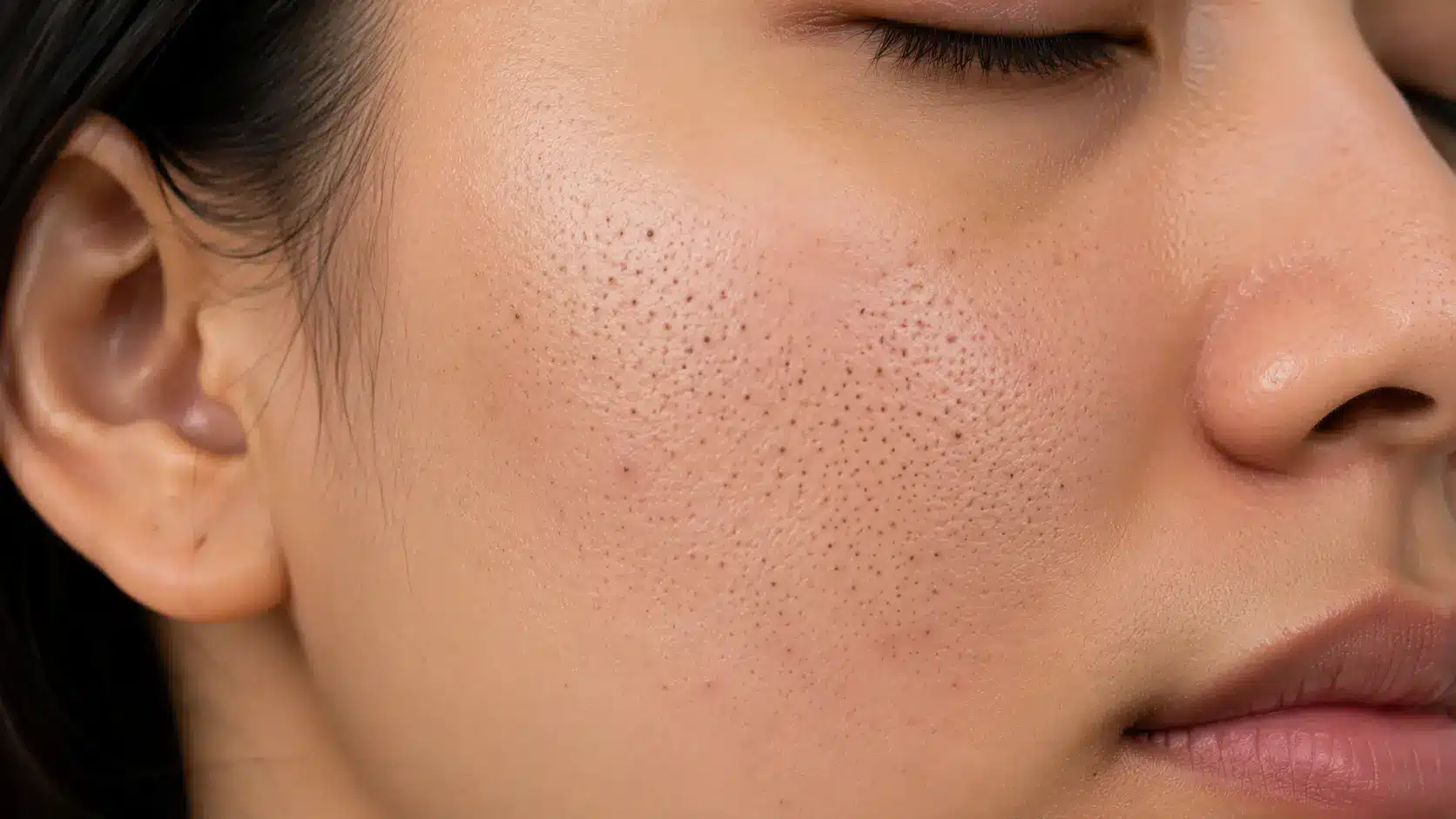
Why Men’s Skin is Different Men’s skin tends to be thicker than women’s, largely because of higher testosterone levels. That same hormone also drives more oil production and larger pores, which is why men are more prone to shine, clogged pores, and breakouts. On top of that, regular shaving adds a layer of friction and irritation that most skincare routines don’t have to account for. It just means a routine built around oil control, gentle exfoliation, and post-shave care tends to work better than one borrowed straight from a women’s skincare line. |
How to Identify Your Skin Type

Before purchasing any product to incorporate into your regimen, my advice is first to know what your skin really needs.
It is important when it comes to creating a good skin care regimen for men that you purchase fewer products, and rather choose appropriate ones for your skin type.
| Skin type | Common signs | Product focus |
|---|---|---|
| Normal | Balanced, comfortable, and rarely irritated | Gentle maintenance products |
| Oily | Excess shine, enlarged pores, frequent breakouts | Lightweight, non-comedogenic formulas |
| Dry | Tightness, rough texture, or flaking | Creamy cleansers and richer moisturizers |
| Combination | Oily T-zone with drier cheeks | Lightweight, balancing products |
| Sensitive | Stinging, burning, redness, or irritation | Mild, fragrance-free formulas |
Note: One thing that I always want to emphasize is that having acne skin does not mean you have a different kind of skin type. You can have acne with any other skin type, whether it’s oily, dry, combination, or sensitive.
Once you know your skin type, choosing products becomes much easier. It helps you build a routine that feels comfortable, works consistently, and fits into your everyday life rather than forcing your skin to adjust to products that do not suit it.
Morning Skincare Routine for Men

Your morning routine does not need to take more than a few minutes. I focus on simple steps that clean your skin, add the hydration it needs, and protect it from daily sun exposure.
Step 1: Cleanse Your Skin
Use warm water and cleanser appropriate for your skin. Apply cleanser onto your face with your fingertips and rinse with water.
Rubbing will damage your skin and break its natural barrier. If you have oily skin, use a foaming cleanser; if your skin is dry, use a richer cleanser.
Step 2: Apply Serum if Necessary
Serum is not necessary, but it may be useful for some skin types. Vitamin C serum helps brighten the skin and even out tone, whereas niacinamide can address oily skin and pore issues.
Hyaluronic acid is good for dry skin when it lacks water. It is best to start with just one serum to see how your skin reacts to it.
Step 3: Apply Moisturizer
Use moisturizer on damp skin to lock in moisture. If you have oily skin, try light formulas like lotion or gel; if your skin tends to be dry, choose heavy creams.
Please don’t limit the application only to your jawline; go lower down your neck as well.
Step 3.5: Exfoliate (2–3 Times a Week)
Exfoliating clears away dead skin cells that a cleanser alone leaves behind, which is part of why it shows up as a core step in most structured skincare routines rather than as an optional extra.
Two to three times a week is enough. Oily and acne-prone skin usually does well with a chemical exfoliant like salicylic acid, while dry or sensitive skin should stick to something gentler and less frequent.
Step 4: Wrap Up With Sunscreen
Sunscreen must be the last product in your morning skincare regimen. Pick one that’s broad-spectrum and SPF 30 or higher, then apply it to your face, ears, neck, and any bare scalp you may have.
Moisturizers with SPF work as a backup, but a standalone sunscreen makes it easier to apply the amount needed for full protection.
Night Skincare Routine for Men

Nighttime is when your skin has a chance to recuperate from all the exposure it had to throughout the day.
Your evening skincare routine is relatively simple – it should deal with the removal of dirt, addressing any problems you may have, and hydration.
Step 1: Cleanse the Skin
This step will wash off dirt, sebum, sweat, sunscreen, and other substances that have accumulated on your face during the day.
Cleaning your face in the evening gives your skin a clean base for further treatment and applying the night moisturizer.
A regular cleanser will work well for the majority of guys and will protect from dry and tight skin after cleansing.
Step 2: Choose the Right Treatment for Your Concerns
At this step, you may apply products that will help you cope with your specific skin concerns.
Salicylic acid may help unclog the pores, benzoyl peroxide will treat acne, while retinol will make your skin texture even smoother and younger.
A hydrating serum will relieve dry skin. Try applying only one active substance at first to see which ingredients suit your skin best.
Step 3: Moisturize
The moisturizer for the evening can be a bit thicker than your morning one because the skin will not need a light texture under sunscreen.
The moisturizing cream will help reduce dry skin if you apply retinol or any exfoliating product.
Men’s Skincare Routine Based on Skin Types
Your skin doesn’t require an elaborate 10-step routine to feel better. The best skincare routine for men is based on knowing what your skin actually requires.
Oily Skin Routine
If you find your skin becoming oily at noon, specifically on the forehead, nose, and chin, it means your skin is producing excessive oil.
You should try not to get rid of all the oils in your skin, since doing this would increase its production.
| Step | What to Use | Why It Helps | Products |
|---|---|---|---|
| Cleanser | Foaming or gel cleanser | Removes excess oil, sweat, and buildup without leaving a heavy feel | La Roche-Posay Effaclar Purifying Foaming Cleanser |
| Treatment | Niacinamide or salicylic acid serum | Helps reduce visible oiliness, clogged pores, and uneven texture | The Ordinary Niacinamide 10% + Zinc 1%, Paula’s Choice 2% BHA Liquid Exfoliant |
| Moisturizer | Oil-free moisturizer | Hydrates skin without adding extra grease | Neutrogena Hydro Boost Water Gel |
| Sunscreen | Non-comedogenic sunscreen | Protects skin without blocking pores or feeling heavy | EltaMD UV Clear SPF 46 |
If you have an oily complexion, it is better to stick with one product rather than using many different products.
Consistency is the key here, and by maintaining a routine, your skin will appear fresh without being overly dry.
Routine for Dry Skin
Dry skin usually appears tight after cleansing, with areas of roughness or even flaking. Here, the key to healthy skin maintenance is hydration, not the use of harsh ingredients that could damage your skin barrier.
| Step | What to Use | Why It Helps | Product Examples |
|---|---|---|---|
| Cleanser | Cream or hydrating cleanser | Cleans without removing natural oils | Vanicream Gentle Facial Cleanser |
| Treatment | Hyaluronic acid or glycerin serum | Draws in moisture and improves skin hydration | The Ordinary Hyaluronic Acid 2% + B5 |
| Moisturizer | Ceramide-rich moisturizer | Repairs and strengthens the skin barrier | First Aid Beauty Ultra Repair Cream |
| Sunscreen | Hydrating sunscreen | Prevents UV damage while keeping skin comfortable | Supergoop! Unseen Sunscreen SPF 40 |
The skin problem of being too dry gets better once you stop over-washing the face and start focusing more on hydration. A few trusted products can help to improve the condition.
Routine for Combination Skin
When it comes to combination skin, it can seem quite confusing, since you have both oily and dry spots at the same time. You might have oiliness in the T-zone and dryness in the cheek area.
| Step | What to Use | Why It Helps | Product Examples |
|---|---|---|---|
| Cleanser | Gentle balancing cleanser | Removes buildup while maintaining moisture levels | Cetaphil Gentle Skin Cleanser |
| Treatment | Targeted treatments where needed | Treats oiliness, dryness, or clogged pores in specific areas | The Inkey List Niacinamide Serum |
| Moisturizer | Lightweight moisturizer | Provides hydration without feeling greasy | CeraVe Daily Moisturizing Lotion |
| Sunscreen | Non-greasy sunscreen | Protects skin without adding excess shine | Beauty of Joseon Relief Sun SPF 50 |
Combination skin requires you to customize your products according to different parts of your face rather than having one treatment method for the whole face.
Routine for Sensitive Skin
Sensitive skin is a bit difficult to handle, as there is a chance of irritation with any product due to harsh ingredients and quick application. I would suggest keeping the routine for this skin type easy.
| Step | What to Use | Why It Helps | Product Examples |
|---|---|---|---|
| Cleanser | Mild fragrance-free cleanser | Cleans gently while reducing irritation risk | Cetaphil Gentle Skin Cleanser |
| Moisturizer | Soothing moisturizer | Helps calm dryness and support the barrier | Aveeno Calm + Restore Oat Gel Moisturizer |
| Sunscreen | Mineral or sensitive-skin sunscreen | Provides sun protection with fewer potential irritants | Blue Lizard Sensitive Mineral Sunscreen |
| Actives | Introduce ingredients slowly | Prevents unnecessary irritation from strong treatments | Naturium Niacinamide Serum |
Sensitive skin types require patience and gentleness in their care routine. Always test one product at a time to find out which works and which does not.
Routine for Acne Prone Skin
The key point here is finding balance in the skincare routine. You should aim to unclog your pores and reduce acne outbreaks, but do not harm your skin barrier. Over-exfoliation or using drying products can cause even more irritation.
| Step | What to Use | Why It Helps | Product Examples |
|---|---|---|---|
| Cleanser | Non-comedogenic cleanser | Removes oil and buildup without clogging pores | La Roche-Posay Effaclar Medicated Gel Cleanser |
| Treatment | Salicylic acid or benzoyl peroxide | Helps clear pores and target acne-causing bacteria | PanOxyl Acne Foaming Wash 10% Benzoyl Peroxide |
| Moisturizer | Non-comedogenic moisturizer | Keeps skin hydrated while using acne treatments | Neutrogena Oil-Free Moisture |
| Avoid | Harsh scrubs | Prevents irritation and unnecessary inflammation | Skip physical exfoliating scrubs with rough particles |
| Professional Care | Dermatologist treatments when needed | Helps with persistent or severe acne | Prescription retinoids, professional acne treatments |
For those breakouts which are painful, deep, scarred, and unresponsive to regular treatments, it might be time for professional acne care. The regimen you follow mustn’t be punishing to your skin.
Note: Some skin concerns need more than a routine can fix. Persistent or painful acne, severe razor bumps, ongoing burning or peeling, a rash that will not settle, or any new or changing mole are all worth getting checked. The American Academy of Dermatology advises professional evaluation for suspicious skin changes and issues basic care cannot manage.
Where Does Shaving Fit Into the Skincare Routine for Men?

Dermatologists treat shaving as part of the skincare routine for men, not a separate task. Doing it in the wrong order undoes half the work your other products are trying to do.
Skincare Routine Before Shaving
Hasty shaving is typically what causes redness, bumps, and sore skin. Proper preparation is more important than what razor you are using.
The suggested sequence:
- Cleansing of the face
- Wetting facial hair with warm water
- Applying shaving cream or gel
- Shaving in accordance with hair growth direction
Skip any of these steps, and you are basically dragging a blade across dry, unprepared skin. That is where most of the irritation starts.
Skincare Routine After Shaving
The following five minutes are as important as the shaving process. Your skin is more sensitive when exposed to the razor, so skipping these steps is not a good idea.
The suggested sequence:
- Rinse and dry the skin
- Apply any soothing agent like aloe vera or post-shave balm
- Applying moisturizer
- Sunscreen application if done during the daytime
Using a towel to dry your skin immediately after shaving is one of the most common mistakes that men make when caring for their face.
Rather than rubbing your face dry with the towel, pat it dry and wait a minute before applying a moisturizer after the application of balm to allow it to sink in properly.
|
How to Minimize Razor Burn and Ingrown Hairs According to the American Academy of Dermatology, softening hair with warm water before shaving, avoiding a taut pull on the skin, rinsing the blade after every swipe, and switching your blade every five to seven shaves all reduce irritation. If bumps keep showing up, a single- or double-blade razor is often gentler than a multi-blade one, and using a light weekly exfoliating step on non-shave days can also help clear the path for new hair. Shaving with the grain instead of against it makes the biggest difference of all. |
Which Skincare Products You Can Do Without?
There are some products that your skin doesn’t require. After cleansing, moisturizing, and protecting the face with sunscreen, everything else becomes optional, but can help address any particular skin concern you might have.
- Face mask: not a regular item, rather a bonus, with clay masks absorbing oil and moisturizing masks dealing with dry skin. If your skin needs more than a mask can offer, a professional facial treatment can reset things faster than product-hopping alone.
- Serum for the face: addresses a particular concern such as discoloration or aging; applied immediately after cleansing; not necessarily in an essential skincare routine.
- Toner: helpful if you have problems with excess oils or hydration; does not work as a cleanser on its own.
- Eye Cream: good addition when the areas around your eyes are puffy, dry, or develop fine lines, although regular moisturizer often takes care of these problems.
- Retinol: use at night, starting with low usage, then applying moisturizer and sunscreen as well, because retinol makes skin more susceptible to sunlight.
None of these items can help your skincare routine if you skip the basics, but they deserve a try once you have mastered the basics and know what you need to fix.
Best Ingredients for Common Men’s Facial Care Concerns
Matching ingredients to your actual skin concern saves you from buying products that look good on shelves but do nothing for you.
| Skin concern | Ingredients to consider |
|---|---|
| Excess oil | Niacinamide, salicylic acid |
| Breakouts | Salicylic acid, benzoyl peroxide |
| Dryness | Ceramides, glycerin, hyaluronic acid |
| Sensitivity | Ceramides, colloidal oatmeal, fragrance-free formulas |
| Dull appearance | Vitamin C, gentle exfoliating acids |
| Fine lines | Retinol, peptides, sunscreen |
| Razor bumps | Salicylic acid, soothing fragrance-free moisturizers |
Once you know which row applies to you, check labels for these ingredients before anything else on the packaging.
Common Skincare Mistakes Men Should Avoid
There are a few mistakes that can actually negate the effect of quality products much more frequently than wrong product choice does. All of these are easily fixable once identified.
- Being too aggressive with scrubbing oily or acne-prone skin: Aggressively scrubbing the skin may actually increase sebum secretion rather than reduce it.
- Avoiding moisturizers due to feeling oily: Even if your skin feels oily, it still needs hydration. If you avoid using moisturizers, you may experience the overproduction of sebum as compensation.
- Trying out multiple active ingredients at once: It is quite difficult to track down which of the used actives are effective while others are irritating the skin.
- Not applying sunscreen during cloudy weather: UVA rays are still active in cloudy conditions; therefore, your skin should be protected from them.
- Applying heavily fragranced products post-shaving: Fragrance becomes one of the fastest skin irritants after a shave due to the sensitivity of freshly shaved skin.
Changing just two or three of these habits will usually have more visual effect than trying out new products.
Conclusion
A skincare routine for men doesn’t need to be complicated to work. Give your routine six to eight weeks before judging results, since skin changes gradually, not overnight.
Pay attention to how your skin responds, adjust for your skin type, and stay consistent with the basics. That’s what actually shows up on your face over time, not how many products are sitting on your shelf.
Frequently Asked Questions
Should Men Wash Their Face Twice a Day?
Morning and evening cleansing works well for most people, but dry or sensitive skin may need a lighter touch, so adjust based on how your skin responds.
Do Men Need a Separate Skincare Routine?
Not really. Products should be chosen based on skin type and concern, not gender labels, since skin needs don’t follow marketing categories.
Should Moisturizer Be Applied After Shaving?
Yes. Applying moisturizer or a soothing balm afterward helps calm freshly shaved skin and reduces dryness or tightness that often follows.
Can Men Use Retinol Every Night?
Start slowly, using it just a couple of nights a week, then increase frequency gradually once your skin builds tolerance.
How Long Does It Take to See Results From a Skincare Routine?
Most men notice their skin looking calmer and more even within a few weeks, but give a new routine six to eight weeks before deciding whether it’s working. Skin renews on its own schedule, not overnight.