Healthy skin is often less about an elaborate routine and more about noticing the small habits that quietly weaken its protective barrier. For adults exploring regulated choices around nicotine, the pharmacy vape in Australia page is one example of a pharmacy resource, but skin care should remain grounded in proven daily practices. The habits below can contribute to dryness, irritation, breakouts, premature ageing or missed signs that deserve medical attention.
1. Washing Your Face Too Often
Clean skin matters, but repeated washing can remove oils that help keep the barrier comfortable and resilient. Scrubbing hard or using a very hot cloth may leave the face tight, red or flaky. Wash gently with lukewarm water and a mild cleanser when needed. If your skin feels squeaky after cleansing, that is often a sign to reduce the intensity rather than wash again.
2. Taking Very Hot, Long Showers
A steaming shower can feel relaxing, yet prolonged heat may draw moisture from the outer layer of the skin. This is especially noticeable on the hands, legs and areas affected by eczema or sensitivity. Keep showers comfortably warm and reasonably brief. Apply a plain moisturiser soon after drying, while the skin still has a little moisture on its surface.
3. Skipping Sunscreen on Ordinary Days
Cloud cover, commuting and short errands do not make ultraviolet radiation disappear. Repeated exposure contributes to uneven pigmentation, skin ageing and skin cancer. DermNet explains that both UVA and UVB exposure can damage skin, and recommends combining sunscreen with shade, protective clothing and suitable eyewear. Use a broad spectrum product when the UV index calls for protection, then reapply as directed when outdoors.
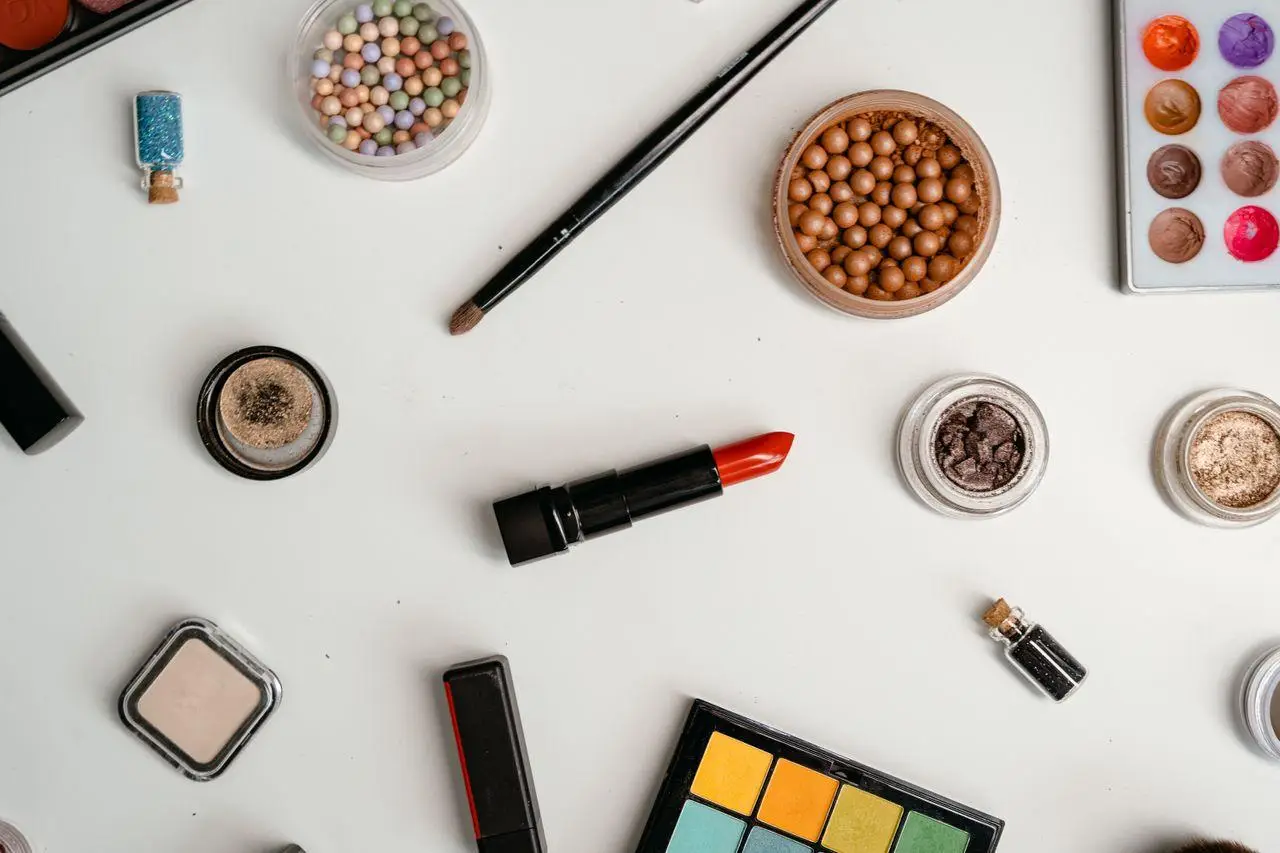
4. Treating Makeup as a Substitute for Sun Protection
Some foundations and moisturisers include a sun protection rating, but relying on makeup alone can leave uncovered areas vulnerable. Products may not be applied in a thick enough layer to provide the labelled protection, and they can wear away during the day. Apply sunscreen as its own step, then use makeup if desired. Do not forget the ears, neck, hairline and backs of the hands.
5. Picking at Spots and Flakes
Squeezing pimples, peeling flaky skin or scratching an itchy patch can cause more inflammation and increase the chance of marks or infection. The urge is understandable, particularly when a blemish feels raised or tender, but repeated touching slows recovery. Keep nails short, use a gentle cleanser and seek professional advice if acne, eczema or another rash keeps returning.
6. Changing Products Every Few Days
Trying a new serum, cleanser, mask and exfoliant at the same time makes it difficult to know what your skin actually tolerates. It can also overload the barrier with active ingredients. Introduce one product at a time and give it enough time to assess the response. Patch testing can be useful, although it does not guarantee that a product will suit every area of the face.
7. Forgetting the Hands and Lips
The face often receives the most attention, while hands, lips, elbows and the neck are left exposed to weather, water and friction. Frequent hand washing can increase dryness, especially when followed by alcohol based sanitiser. Keep a simple hand cream nearby, use lip balm when needed and extend moisturiser and sun protection to the neck and hands.
8. Sleeping on Unwashed Fabrics
Pillowcases, towels and face cloths collect oil, sweat, product residue and environmental debris. When they remain damp or are used for too long, they may irritate sensitive skin or contribute to clogged pores. Change pillowcases and towels regularly, allow cloths to dry fully and avoid sharing personal towels. Clean fabrics are helpful, but they do not replace an appropriate skin routine.
9. Ignoring Sleep, Stress and Diet
Skin reflects more than what is applied to it. Ongoing stress can encourage touching, picking and disrupted sleep, while an unbalanced diet may leave less room for the nutrients needed for general wellbeing. Healthdirect recommends moisturising, eating a balanced diet, managing stress and avoiding smoking as part of maintaining healthy skin. Aim for consistent sleep, regular meals, enough fluids and realistic ways to decompress.
10. Dismissing Changes That Do Not Settle
A spot that changes, bleeds, becomes painful or fails to heal should not be written off as ordinary irritation. Healthdirect advises checking the skin regularly and seeing a doctor about suspicious lesions or changes in moles. Early assessment can make a difference, so arrange professional advice rather than repeatedly treating an unexplained mark at home.
Good skin care does not need to be complicated. Start by removing the habit most likely to be irritating your skin, protect yourself from ultraviolet exposure and give gentle routines time to work. If symptoms persist or a skin change concerns you, a doctor or dermatologist can help identify the cause and recommend suitable treatment.