Standing in a dressing room holding five dresses in five different shades, wondering why one looks incredible and another washes you out completely, is one of the more common style frustrations out there. The answer usually has nothing to do with the dress itself. It has to do with skin tone, and more specifically, undertone.
If you’ve ever wondered why the same red dress looks stunning on one person and slightly off on another, undertone is almost always the reason. Once you understand your own, choosing flattering colors stops being a guessing game and starts being a repeatable formula.
Understanding Undertone vs. Skin Color
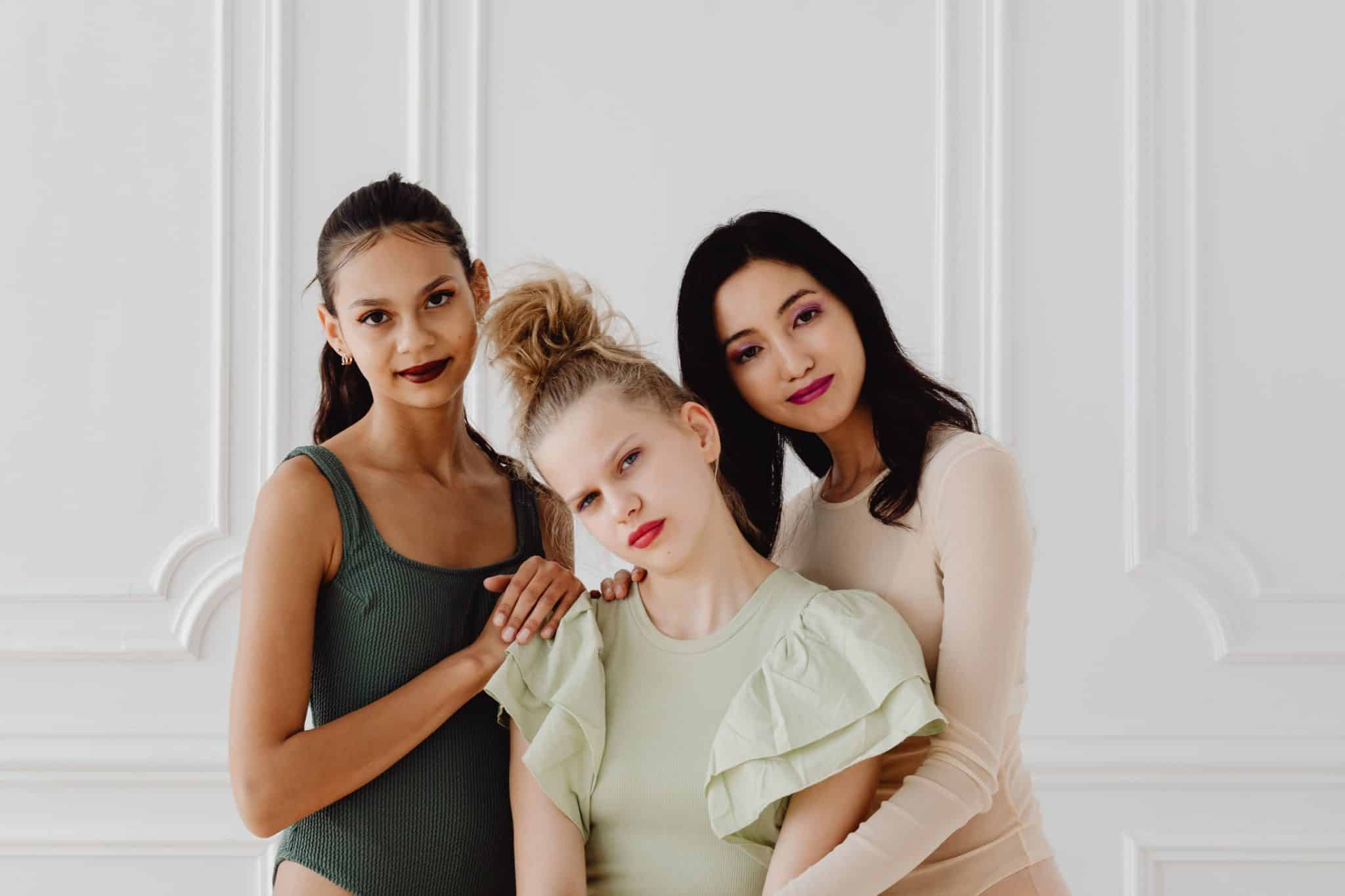
Skin tone refers to how light or dark your skin is. Undertone is different. It’s the subtle hue underneath the surface that stays consistent no matter how tan or pale you get throughout the year. Undertones generally fall into three categories: warm, cool, and neutral.
Warm undertones lean yellow, peachy, or golden. Cool undertones lean pink, red, or bluish. Neutral undertones sit somewhere in between, with a balanced mix of both. Knowing which category you fall into is the single most useful piece of information for choosing colors that genuinely flatter you.
A Quick Way to Check Your Undertone
A few simple checks can help narrow things down. Look at the veins on your wrist in natural light. Greenish veins usually indicate warm undertones, while bluish or purplish veins point to cool undertones. If you can’t tell, you likely have a neutral undertone.
Jewelry is another clue. If gold jewelry makes your skin look brighter and healthier, you likely lean warm. If silver does the same, you likely lean cool. If both look equally good, neutral is probably your category.
Best Colors for Warm Undertones
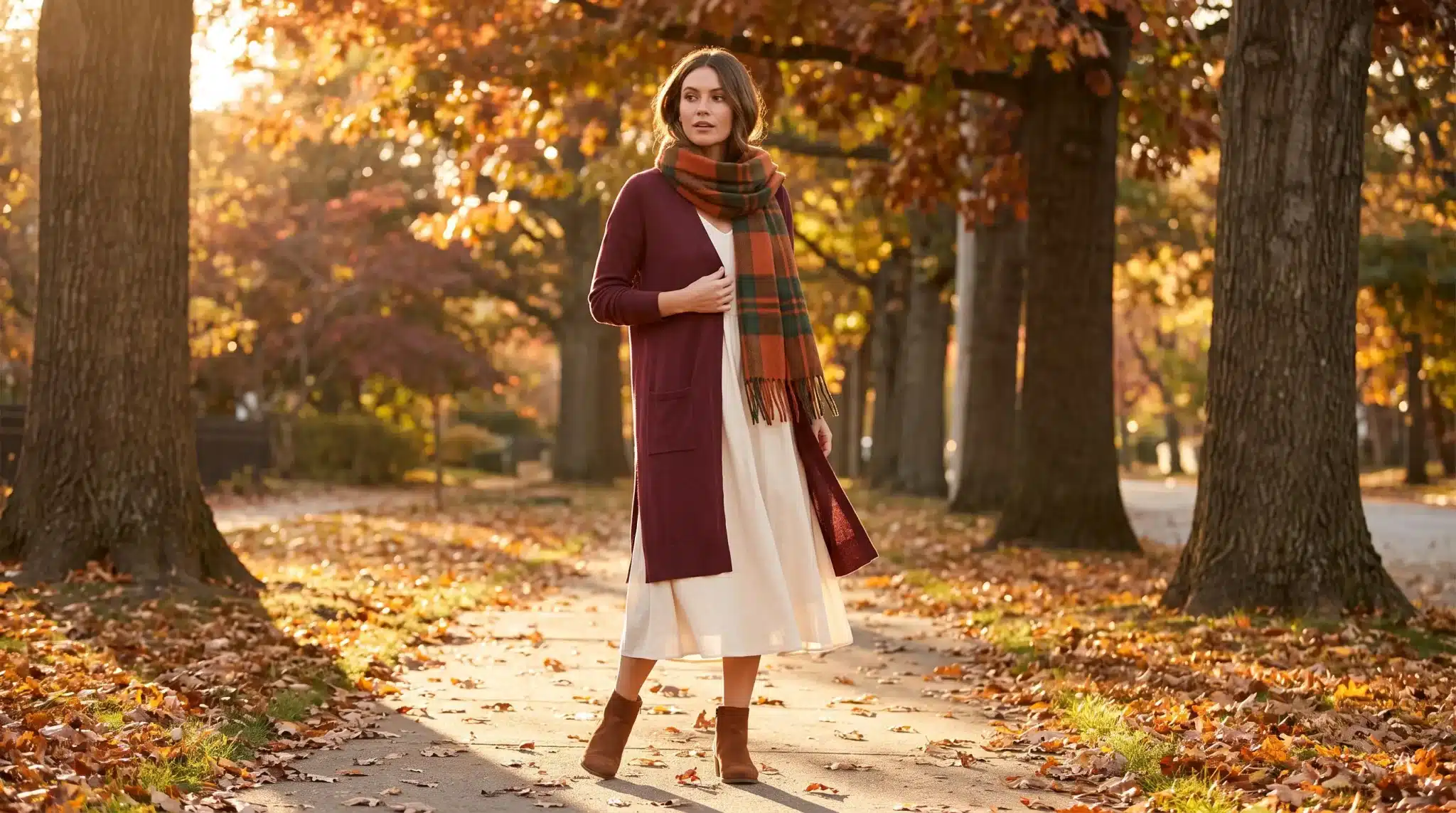
Warm undertones tend to glow in colors that echo their own golden or peachy base. Earthy and rich tones almost always work well here.
Colors that flatter warm undertones include:
- Coral, peach, and warm orange shades
- Olive green, mustard yellow, and warm browns
- Rich reds with orange undertones, like tomato or brick red
Warm-toned individuals should be a little more cautious with icy blues, stark whites, and cool-toned pastels, since these shades can sometimes make warm skin look slightly dull or tired by contrast.
Best Colors for Cool Undertones
Cool undertones pair beautifully with colors that have blue or purple bases, since they mirror the pink or red hue already present in the skin.
Colors that flatter cool undertones include:
- Jewel tones like sapphire blue, emerald green, and amethyst purple
- True red and berry shades
- Soft cool pinks and lavender
This is where pink becomes especially interesting, because not all pinks are created equal. A pink with a cool, blue-based undertone tends to look far more flattering on cool-toned skin than a peachy or coral-leaning pink. This distinction matters a lot for formal event dressing, where the goal is usually to look effortlessly put-together in photos. A cool-toned pink homecoming dress, for example, tends to photograph beautifully on cool undertones specifically because the blue base in the fabric complements the pink already present in the skin, rather than competing with it.
Best Colors for Neutral Undertones
Neutral undertones are, in many ways, the easiest to dress for, since they can pull off both warm and cool colors without much difficulty. This doesn’t mean every color works equally well, but the range of options is noticeably wider.
Soft, muted shades tend to look especially good on neutral undertones, since they don’t pull too hard in either warm or cool direction. Dusty rose, sage green, soft camel, and true blue all tend to work well without much trial and error.
Why This Matters for Special Occasions
Everyday clothing choices are more forgiving than formal event dressing. A slightly off color on a casual t-shirt is easy to overlook. A dress chosen for a big event, whether it’s a wedding, a formal dinner, or a school dance, gets photographed extensively, examined under different lighting, and remembered far longer than a weekday outfit.
This is exactly why understanding undertone matters most for occasion wear. A dress in a color that flatters your undertone photographs better, looks more polished in person, and simply feels right the moment you put it on. A dress in the wrong undertone family can look fine, but rarely feels as effortless.
Trusting the Formula, Not Just the Trend
It’s tempting to choose a dress purely because it’s trending or because a friend looked amazing in it, but trends and friends don’t share your undertone. The most reliable approach is to identify your own undertone first, then shop within the colors that consistently flatter it.
Once you know your category, shopping becomes noticeably easier. Instead of trying on a dozen colors and hoping something clicks, you can walk into a search or a store already knowing which shades are working in your favor. That shift alone saves time, second-guessing, and the frustration of falling in love with a color that simply wasn’t made for your skin.
At the end of the day, the goal isn’t to avoid color entirely or play it safe. It’s to choose colors intentionally, so that whatever you wear works with your natural coloring instead of against it.